Source CE Certified Kids Keyboard Piano for Schools, Homes, and Studios
Find 30 CE Certified Kids Keyboard Piano options for educational centers, home practice, and beginner studios. Compare features like polyphony, tone count, and power supply to select the right instrument for young musicians; compare the available evidence and request quotations based on your requirements.
Key considerations
Products List


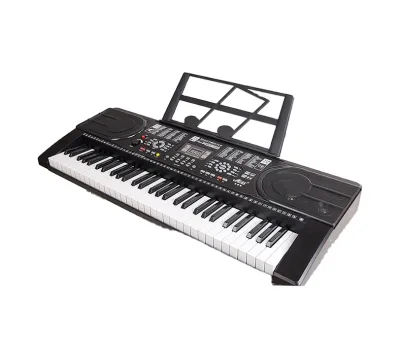


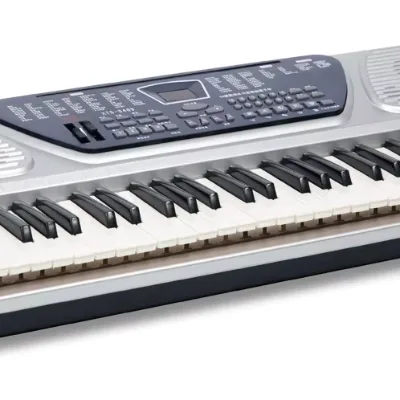


China Factory Digital Electronic Piano 25 Keys Keyboard Baby Grand Piano
$31.00 - $33.00
MOQ: 500 Pieces


Comprehensive Sourcing Guide
CE Certified Kids Keyboard Piano Sourcing Guide
Procuring electronic musical instruments for children requires a careful balance between educational value, safety compliance, and aesthetic appeal. The market offers a diverse range of options, from simple wooden toy guitars to complex digital organs with multiple tones. Buyers must navigate varying material compositions, such as solid wood keyboards versus plastic ABS bodies, to ensure the product aligns with their target demographic's needs. Understanding these distinctions is crucial for selecting the right instrument that encourages musical exploration while maintaining durability.
Certification status serves as a primary filter for quality assurance, with CE marking being a critical requirement for European markets. Additional certifications like ASTM and CQC provide further assurance regarding safety standards and manufacturing consistency. Sourcing guides emphasize the importance of verifying these credentials before placing bulk orders, as they directly impact market access and consumer trust. By focusing on suppliers who provide comprehensive documentation, buyers can mitigate risks associated with non-compliant goods and ensure a smoother supply chain process.
Product Scope and Observed Listing Signals
The current market landscape for children's keyboards includes a wide variety of form factors and features. Listings frequently highlight attributes such as "Single Keyboard Electronic Organ" styles or "Electone" designs, catering to different levels of musical engagement. Materials range from durable composites for drum shells to solid wood for keyboard surfaces, indicating a focus on both longevity and tactile experience. Buyers should observe these physical characteristics closely, as they often correlate with the intended age group and the instrument's overall build quality.
Price and minimum order quantity (MOQ) ranges vary significantly, reflecting the diversity of product tiers available. Observed data suggests prices can range from affordable entry-level models to more premium options, with MOQs starting as low as one unit for samples or small batches. This flexibility allows buyers to test market demand without committing to large inventory risks. Understanding these commercial signals helps in budgeting accurately and negotiating terms that align with the specific volume requirements of the procurement project.
Technical Specifications to Verify
Key technical parameters define the functionality and user experience of the keyboard piano. Buyers should verify the number of keys, which may be specified by material type such as ABS plastic, ensuring a consistent playing feel. Display types, such as LED indicators, provide visual feedback for tone selection and power status, enhancing usability for young learners. Additionally, polyphony levels, such as 128 notes, determine how many sounds can be played simultaneously, which is critical for more advanced musical exercises and realistic sound reproduction.
Power supply mechanisms and tone capabilities are equally important technical considerations. Instruments may operate on batteries and chargers, offering portability for home or classroom use. The number of available tones, ranging from 140 to 200, expands the educational scope by allowing children to explore different instrument sounds. DSP chips, like the Dream 5504, influence sound processing quality. Verifying these specifications ensures the product meets the functional expectations of both educators and parents, preventing dissatisfaction due to limited features or poor audio performance.
Compliance and Safety Documentation
Safety certifications are non-negotiable for children's products, with CE marking indicating conformity with health, safety, and environmental protection standards. Buyers must request valid certificates from recognized bodies to verify that the manufacturer adheres to these regulations. Additional standards such as ASTM and GOST may be required depending on the destination market, ensuring the product meets local legal requirements. Proper documentation protects the buyer from liability and ensures the product can be legally sold and distributed in target regions.
Beyond certifications, material safety is a critical aspect of compliance. The use of non-toxic materials, such as solid wood or safe ABS plastics, must be confirmed through supplier declarations. Buyers should also check for RoHS compliance, which restricts the use of hazardous substances in electrical and electronic equipment. Ensuring that all components, from the keyboard surface to the internal circuitry, meet these safety criteria is essential for protecting young users and maintaining brand reputation in a competitive market.
Cost Drivers and Commercial Terms
Several factors influence the final cost of a kids keyboard piano, including material choice, feature complexity, and packaging requirements. Instruments made from solid wood or featuring advanced DSP technology typically command higher prices than basic plastic models. Packaging details, such as carton color and dimensions, also impact logistics costs. Buyers should analyze these variables to understand the cost structure and identify opportunities for optimization without compromising on quality or safety standards.
Commercial terms, including MOQ and lead times, play a significant role in procurement planning. While some suppliers offer low MOQs for testing, larger orders may require longer production runs. Understanding these terms helps in managing cash flow and inventory levels effectively. Buyers should negotiate clear terms regarding payment schedules and shipping methods, such as sea freight, to avoid unexpected costs. Transparent communication with suppliers regarding these commercial aspects ensures a smoother transaction process and better alignment with business goals.
Supplier Qualification and Quality Control
Evaluating supplier qualifications is essential for ensuring consistent product quality and reliable delivery. Buyers should assess the manufacturer's production capabilities, including their ability to handle customization requests and maintain strict quality control processes. Factories with experience in producing musical instruments are more likely to deliver products that meet technical specifications and safety standards. Verifying the supplier's track record and customer feedback can provide valuable insights into their reliability and professionalism.
Quality control measures should be implemented throughout the production process, from raw material inspection to final product testing. Buyers should request samples to evaluate build quality, sound accuracy, and ease of use. Establishing clear quality benchmarks and conducting pre-shipment inspections can help identify and rectify defects before goods are dispatched. Collaborating with suppliers who prioritize quality assurance reduces the risk of receiving substandard products and enhances customer satisfaction in the end market.
Long-Term Procurement Checks
Sustaining a successful procurement strategy requires ongoing monitoring of supplier performance and market trends. Buyers should regularly review supplier compliance with certifications and safety standards, ensuring they remain up-to-date with regulatory changes. Continuous feedback from end-users can highlight areas for improvement in product design or functionality. By maintaining open communication with suppliers, buyers can foster a collaborative relationship that supports long-term growth and product innovation.
Adapting to market demands is crucial for staying competitive in the children's musical instrument sector. Buyers should stay informed about emerging trends, such as new features or materials, that could enhance product appeal. Regularly updating procurement criteria to reflect these trends ensures that the product portfolio remains relevant and attractive to consumers. By proactively addressing market shifts and maintaining high standards, buyers can secure a sustainable advantage in the long term.
FAQs
How do I verify CE certification when sourcing kids keyboard pianos?
Request the CE certificate and test documentation directly from the supplier before ordering, and confirm the certificate references the exact model you plan to buy. Listings on this page show CE and ASTM as offered certifications, but you should still verify validity and scope, since certification applies per product line. Ask for the declaration of conformity and recent test reports covering the toy safety requirements relevant to your destination market.
What age range are the kids keyboard pianos on this page designed for?
Listed children piano and toy instrument products target ages 3 to 8 years, while some electronic organ models are listed for general children or adult use. Check the age attribute on each product page before ordering, because suitability depends on key size, materials, and small-part safety. For preschool programs, the 3-8 years range with ABS plastic keys and wooden construction is the most relevant grouping.
Can suppliers customize CE Certified Kids Keyboard Piano products with my branding?
Yes, customization is listed as available on this page, and some products are marked as customized or customizable. Typical options include logo printing, color selection such as white, black, or brown, and packaging changes, though exact options vary by supplier. Contact suppliers with your quantity estimate and artwork to confirm what they can do, whether tooling fees apply, and how customization affects lead time and unit pricing.
What key specifications should I compare between children piano models?
Compare polyphony, number of tones, power supply, display type, and body materials. For example, one listed electronic organ model offers 128 polyphony, 140 tones, an LED display, and power from batteries and charger, while another lists 200 tones in a single-keyboard design. Materials range from ABS plastic keys to solid wood keyboards. Match these specifications to your price tier and the age group you are selling to before shortlisting.
How many pieces can I order as a minimum for kids keyboard pianos?
Minimum order quantities on this page range from 1 piece to 1000 pieces depending on the product and supplier. Lower MOQs usually apply to simpler toy instruments, while larger electronic organs may carry higher minimums or higher unit prices. Confirm the MOQ for your chosen model directly with the supplier, and ask whether mixed models or sample orders are accepted before committing to a first shipment.
What materials are used in these toy instruments and keyboards?
Materials vary by product line: some children pianos and toy guitars are wooden, several electronic keyboards use ABS plastic for keys or housing, one piano lists a solid wood keyboard, and a drum set lists composite shell material. Wooden construction suits traditional toy lines for ages 3-8, while ABS plastic is common on electronic organs. Review the material attribute on each listing and request material safety documentation for your market.
How are kids keyboard pianos packed and shipped for export orders?
Listed products indicate carton color box packing for some models and sea freight as the packing or shipping method, with origin in China. Electronic organ listings show detailed carton dimensions and unit weights, such as one model at 92.5 by 25.5 by 7.2 cm and another weighing 13.5 kg with 0.08 cbm. Use these figures to estimate container loading, and confirm final carton specifications and freight terms with the supplier before booking.
Which listed models suit a starter electronic keyboard product line?
Entry options include the A828 electronic organ with 200 tones, LED display, and battery and charger power, and the KU-002111 model listed at 20 by 14 by 7 cm and 1.5 kg per piece. Larger electone-style models with 128 polyphony and 140 tones suit higher price tiers. Match model size, power supply, and tone count to your customer segment, then request quotations and samples to compare before finalizing the assortment.