Source eco-friendly bamboo lid spice jars for Kitchen, Restaurant, Daily Use
Compare 30 listings of eco-friendly bamboo lid spice jars suitable for kitchen storage, restaurant use, and daily needs. Buyers can evaluate options based on glass type, capacity, and customization features to find the right fit for their sourcing requirements.
Key considerations
Products List


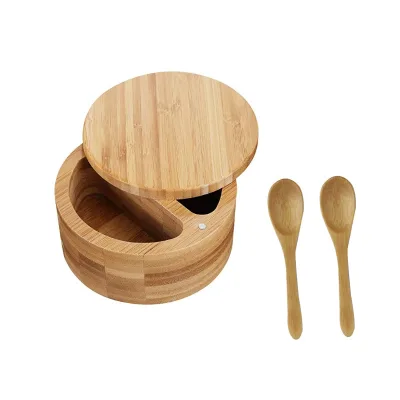

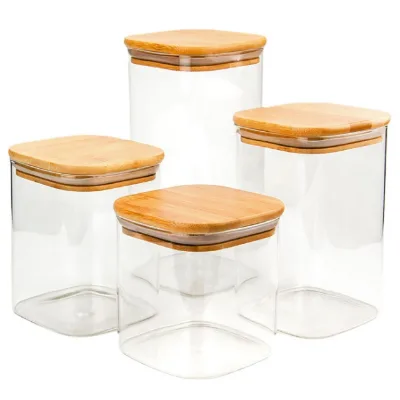
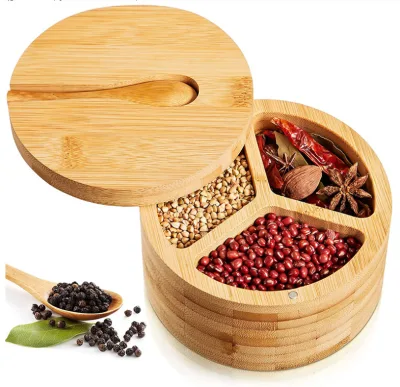


Comprehensive Sourcing Guide
Strategic Sourcing Guide for Eco-Friendly Bamboo Lid Spice Jars
Understanding the Product Category and Material Composition
The modern B2B procurement landscape increasingly favors sustainable packaging solutions, with eco-friendly bamboo lid spice jars representing a significant segment of this demand. These containers are defined by a specific material combination: a glass body paired with a natural bamboo lid. The glass component is typically constructed from high borosilicate glass, a material selected for its thermal stability and resistance to breakage under temperature fluctuations. This glass type ensures the vessel can withstand the rigors of daily use in commercial kitchens and restaurants without shattering. The bamboo lid serves as a renewable alternative to plastic or metal closures, offering a distinct aesthetic that aligns with minimalist and craft design styles.
When evaluating the product specifications, buyers must note that the glass body often features a square or cylindrical shape, with sealing mechanisms typically utilizing a screw cap design to ensure an airtight environment. The functional design of these jars is multifunctional, making them suitable for a variety of storage needs beyond just spices, including dry goods and condiments. The transparency of the glass allows for immediate visual identification of contents, a critical feature for inventory management in high-volume environments. The overall design style is frequently described as simple or minimalist, catering to modern kitchen aesthetics that prioritize clean lines and natural textures.
Technical Specifications and Dimensional Standards
Precision in technical specifications is paramount when sourcing these jars for wholesale distribution. The dimensions of the product are not uniform across all listings; however, specific models indicate standard sizes such as 47mm in diameter and 100mm in height, while other variations may be categorized by volume ranges between 100ml and 500ml. A specific model reference, QY-XY17, suggests a standardized production line, while other identifiers like QYL or IDEA-216 point to specialized designs. Buyers should verify the single package size, which can vary significantly, with observed dimensions around 13.5cm x 8.5cm x 3.5cm for individual units.
The capacity of these jars is a critical specification for end-users. While some units are listed with a capacity of 4oz, others fall within the broader 100-500ml range. This variance requires careful alignment with the target market's expectations. The surface handling of the glass often involves decal application, allowing for custom branding or labeling directly on the vessel. The sealing type is consistently a screw cap, which provides a reliable barrier against moisture and air, essential for preserving the potency of spices and herbs. The weight of a single unit is approximately 0.250kg, a factor that directly influences shipping costs and packaging logistics.
Compliance, Safety, and Environmental Attributes
Safety and environmental compliance are non-negotiable aspects of sourcing glass containers with bamboo lids. The glass material is frequently certified as lead-free, ensuring that no toxic substances leach into food products during storage. This attribute is particularly important for products intended for food use in restaurants or for retail sale to consumers. The jars are designed to be safe for use in microwaves, dishwashers, ovens, and freezers, indicating a high degree of thermal and chemical resistance. This versatility expands the utility of the product beyond simple storage to include food preparation and reheating.
From an environmental perspective, the recyclability of the glass body is a key selling point. The bamboo lid, being a natural material, offers a biodegradable alternative to synthetic plastics, provided it is not treated with excessive chemical sealants. The product features are explicitly noted as recyclable, aligning with global sustainability goals. However, buyers must verify the specific treatment of the bamboo to ensure it meets local environmental regulations regarding biodegradability. The "Safe" designation for various appliances suggests rigorous testing, but procurement teams should request specific test results or certification documents to confirm these claims before placing large orders.
Cost Drivers and Pricing Dynamics
The pricing of eco-friendly bamboo lid spice jars is influenced by several dynamic factors, including material costs, customization levels, and order volume. The observed price range in the market spans from $0.09 to $13.85 USD, a wide spectrum that reflects differences in glass thickness, lid quality, and branding complexity. The minimum order quantity (MOQ) is another significant cost driver, with observed ranges varying from 50 to 10,000 units. Lower MOQs, such as 100 pieces, allow for smaller buyers to test the market, while higher volumes typically unlock better unit economics.
Customization plays a pivotal role in cost determination. The availability of OEM/ODM services means that buyers can request specific logo crafts, which may involve additional setup fees or higher per-unit costs. The packaging details also impact the final price; options include white or color boxes, standard packing, or safe packing methods. The single gross weight of 0.250kg per unit affects freight calculations, and the packing density, such as 20 pieces per bag, influences how efficiently containers can be loaded into shipping containers. Buyers should analyze the total landed cost, including packaging and shipping, rather than focusing solely on the unit price.
Typical Applications and Market Segmentation
These spice jars are designed for a diverse range of applications, primarily targeting the food service industry and retail consumers. The primary usage is for food storage in kitchen environments, making them ideal for restaurants, cafes, and home cooks. The "Back to School" occasion suggests a seasonal market potential for gift sets or educational kits, while the "Adult" age group indicates the product is not intended for children's play but for functional adult use. The applicable space is predominantly the kitchen, where the multifunctional design allows for the storage of various dry ingredients.
The style of the jar, described as European or minimalist, appeals to consumers who value aesthetic presentation. The craft nature of the product positions it well for boutique retailers and specialty food stores. The square shape and transparent glass provide a modern look that complements contemporary kitchen decor. The ability to customize the logo makes these jars suitable for private label opportunities, where brands can create a unique identity for their spice blends or food products. The single item selling unit suggests flexibility in packaging, allowing for individual sales or bulk distribution.
Supplier Evaluation and Quality Control Protocols
Evaluating suppliers for bamboo lid spice jars requires a rigorous approach to ensure consistency and quality. Buyers should verify the origin of the products, with China being a primary source of manufacturing. The production process involves surface handling techniques like decal application, which must be checked for durability and adhesion. Quality control should focus on the integrity of the glass, ensuring it is free from bubbles, cracks, or imperfections that could compromise safety. The bamboo lids must be inspected for smooth edges and proper fit to ensure an effective seal.
Suppliers should demonstrate a commitment to safety standards, particularly regarding the lead-free status of the glass and the food-grade safety of the bamboo. The packing method, whether carton, pallet, or bag, must be robust enough to prevent breakage during transit. Buyers should request samples to test the sealing capability and the durability of the screw cap mechanism. The "Safe Packing" and "Standard Packing" options indicate that suppliers have established protocols for handling fragile glass items. It is essential to confirm that the supplier can maintain consistency across large production runs, especially when custom logos or specific dimensions are required.
Long-Term Procurement and Supply Chain Considerations
Sourcing bamboo lid spice jars is not merely a transactional activity but a strategic decision that impacts long-term supply chain stability. The availability of customization options, such as OEM/ODM services, allows buyers to adapt the product to changing market trends and brand requirements. However, buyers must be mindful of the potential variability in lead times and production capacity. The observed MOQ ranges from 50 to 10,000 units, suggesting that suppliers may have different tiers of production capability.
Long-term partnerships with suppliers who offer consistent quality and reliable delivery are crucial. Buyers should establish clear communication channels regarding design changes, material sourcing, and quality assurance processes. The multifunctional nature of the jars means they can be repurposed for different product lines, offering flexibility in inventory management. As sustainability becomes a more critical factor for consumers, the eco-friendly attributes of these jars will likely increase in value. Buyers should stay informed about evolving environmental regulations and ensure their suppliers remain compliant with these standards to avoid supply chain disruptions.
FAQs
What material is used for the glass body of these jars?
The glass body is constructed from high borosilicate glass. This material ensures thermal stability and resistance to breakage under temperature fluctuations during daily use in kitchens.
Can these jars be customized with a specific logo?
Yes, a customizable logo is available through OEM and ODM services. Buyers can request specific branding on the glass surface using decal application techniques.
What is the minimum order quantity for these spice jars?
The minimum order quantity starts at 100 pieces for standard models. However, observed market ranges indicate that some suppliers may accept orders as low as 50 units.
Are these jars safe for use in microwaves and dishwashers?
Yes, the jars are safe for use in microwaves, dishwashers, ovens, and freezers. This versatility allows them to withstand various cooking and cleaning processes without damage.
What is the capacity range for these glass food jars?
The capacity ranges from 4 ounces up to 500 milliliters. Specific models like QY-XY17 may have defined dimensions such as 47mm by 100mm for standardized sizing.
How are these jars typically packaged for shipping?
Jars are packed in white or color boxes, often with 20 pieces per bag. Safe packing or standard carton and pallet packaging options are available to prevent breakage.