Source Eco Friendly Bamboo Kitchen Paper for Home, Hotel, and Commercial Use
Find 30 listings for Eco Friendly Bamboo Kitchen Paper with customizable features like GSM, ply, and packaging. Buyers can compare specifications for kitchen, household, and commercial applications from verified suppliers.
Key considerations
Products List




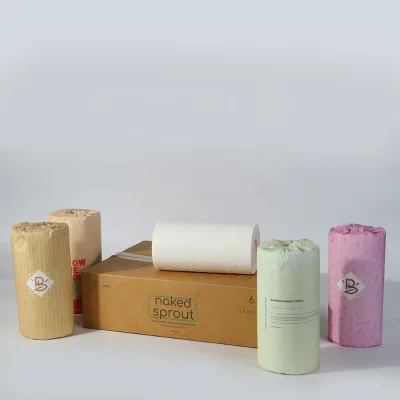


Comprehensive Sourcing Guide
Eco Friendly Bamboo Kitchen Paper Sourcing Guide
Sourcing eco-friendly bamboo kitchen paper requires a nuanced understanding of material composition, as the market often blends bamboo with other wood pulps. Buyers must distinguish between pure bamboo products and hybrid options that may use virgin or mixed wood pulp to achieve specific performance characteristics. The observed product landscape indicates a significant presence of items labeled with bamboo attributes but constructed from virgin wood pulp or mix wood pulp. This discrepancy highlights the critical need for precise material verification during the procurement process. Procurement teams should request detailed material breakdowns to ensure that the "bamboo" claim aligns with actual fiber content, particularly when sustainability certifications are a primary driver for the purchase.
Furthermore, the term "kitchen paper" in this context often overlaps with general household toilet tissue and commercial paper products. The supplied data reveals that many listings categorized under kitchen or household usage are technically toilet tissue or multi-purpose rolls. This semantic overlap means that buyers must carefully evaluate the intended end-use, whether it is for heavy-duty kitchen cleaning, commercial hospitality settings, or general household hygiene. Understanding this distinction is vital for selecting the correct ply count, absorbency, and embossing style that meets the functional demands of a kitchen environment while maintaining the desired eco-friendly profile.
Product Scope and Observed Listing Signals
The current market signals indicate a wide variance in product specifications, with observed prices ranging from $0.15 to $1.10 USD and minimum order quantities (MOQs) spanning from 1 roll to 50,000 rolls. This broad range suggests that suppliers cater to both small-scale trial orders and large-volume industrial contracts. Buyers should note that the low end of the price spectrum may correspond to basic, unbranded products with standard specifications, while higher price points could reflect customized packaging, specific eco-certifications, or premium material blends. The flexibility in MOQs allows for agile sourcing strategies, enabling companies to test new sustainable product lines with minimal initial investment before scaling up production.
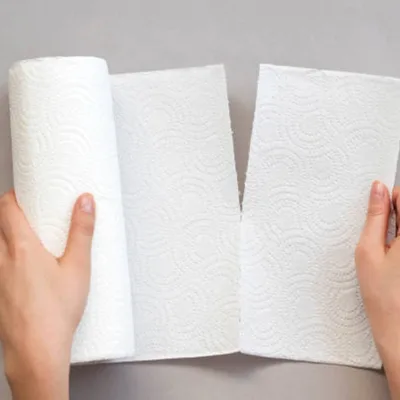
Product attributes observed in the market include variations in ply count, with options ranging from 1-ply to 4-ply configurations, and GSM values typically falling between 13.5 and 26 GSM. These technical variations directly impact the product's durability and absorbency, which are crucial for kitchen applications. Additionally, features such as embossing (sides, flower, or customized), core types (with or without core), and packaging styles (boxed, film, or carton) are highly customizable. Buyers should leverage these customization options to align the product with their brand identity and functional requirements, ensuring that the final product meets both aesthetic and performance standards.
Technical Specifications to Verify
When evaluating technical specifications, buyers must prioritize the verification of GSM (grams per square meter) and ply construction. The observed GSM range of 13.5-26 GSM indicates that many products are lightweight, which may affect their suitability for heavy-duty kitchen tasks. Buyers should confirm whether the specified GSM is consistent across the entire order and whether the ply count (1-ply to 4-ply) matches the intended use case. For kitchen paper, a higher ply count and GSM are often preferred for better absorbency and strength. It is essential to request sample packs to physically test the product's tensile strength and wet durability before committing to a large order.
Another critical specification is the material composition and the presence of any additives or treatments. While the goal is to source eco-friendly products, buyers must verify that the paper is free from harmful chemicals, dyes, or synthetic fibers that could compromise its biodegradability. The observed data mentions "eco-friendly," "tree-free," and "plastic-free" features, but these claims require substantiation. Buyers should ask for detailed material safety data sheets (MSDS) and confirm that the product is water-soluble, as indicated by some listings, to ensure it does not clog sewage systems. Additionally, verifying the core material and packaging components is necessary to ensure the entire product lifecycle aligns with sustainability goals.
Compliance and Safety Documentation
Compliance with environmental and safety standards is paramount when sourcing eco-friendly paper products. Buyers should request documentation that verifies the product's compliance with relevant international standards for paper safety and environmental impact. While specific certifications like FSC are mentioned in background knowledge, buyers must confirm the current validity and scope of any certifications held by the supplier. It is crucial to ensure that the supplier can provide up-to-date certificates that cover the specific product lines being ordered, as certifications can be product-specific and may not apply to all variations in a supplier's catalog.
Safety documentation should also include information on the product's hygiene and health standards. Buyers must verify that the paper is safe for contact with food preparation areas, even if it is not intended for direct food contact. This involves checking for any restrictions on the use of recycled materials or bleaching agents that might leave residual chemicals. The observed data mentions "healthy and environmentally friendly" attributes, but these are general claims. Buyers should seek third-party test results or compliance statements that explicitly address the absence of harmful substances, ensuring that the product meets the safety expectations of end-users and regulatory bodies in their target markets.
Cost Drivers and Commercial Terms
The cost of eco-friendly bamboo kitchen paper is influenced by several factors, including material composition, customization requirements, and order volume. The observed price range of $0.15 to $1.10 USD reflects these variables, with customized features such as specific embossing, printing, and packaging likely increasing the unit cost. Buyers should analyze the cost structure to understand how much of the price is attributed to the raw material versus the value-added services. It is also important to consider the total cost of ownership, including shipping, duties, and potential returns, rather than focusing solely on the unit price.
Commercial terms observed in the market include a typical payment structure of a 25% T/T deposit and a 75% balance before shipment, with lead times ranging from 15 to 20 working days. These terms are standard but can be negotiated based on the order volume and the buyer's relationship with the supplier. Buyers should clarify the delivery terms and ensure that the lead times are realistic, especially for customized orders which may require additional production time. Understanding the payment and delivery terms helps in planning cash flow and inventory management, ensuring that the supply chain remains smooth and predictable.
Supplier Qualification and Quality Control
Supplier qualification is a critical step in ensuring the reliability and consistency of eco-friendly paper products. Buyers should conduct thorough due diligence on potential suppliers, verifying their manufacturing capabilities, quality control processes, and sustainability practices. The observed data indicates that many suppliers offer OEM services and customized standards, which suggests a level of flexibility and responsiveness. However, buyers must ensure that the supplier has the necessary infrastructure to maintain consistent quality across large orders. This includes checking for proper production facilities, skilled labor, and robust quality assurance protocols.
Quality control measures should be established before production begins, including clear specifications for material composition, GSM, ply count, and packaging. Buyers should request pre-production samples and conduct rigorous testing to verify that the product meets all agreed-upon standards. It is also advisable to implement periodic quality audits during production to catch any deviations early. The observed data mentions a "10-year warranty," which is unusual for paper products and may indicate a broader service commitment or a misunderstanding of the term. Buyers should clarify what this warranty entails and ensure that it provides adequate protection against quality issues.
Long-Term Procurement Checks
Long-term procurement success depends on continuous monitoring of supplier performance and market trends. Buyers should establish key performance indicators (KPIs) to track supplier reliability, product quality, and compliance with sustainability goals. Regular reviews of supplier performance will help identify any issues early and allow for corrective actions. Additionally, buyers should stay informed about changes in environmental regulations and consumer preferences, as these factors can impact the demand for eco-friendly products. Adapting to these changes will ensure that the procurement strategy remains relevant and effective.
Building a strong relationship with suppliers is also essential for long-term success. Open communication and collaboration can lead to better product development, improved pricing, and more flexible terms. Buyers should engage in regular dialogues with suppliers to discuss future needs, potential improvements, and any challenges encountered. This collaborative approach can foster innovation and help both parties achieve their sustainability and business objectives. By focusing on long-term partnerships rather than transactional relationships, buyers can secure a stable supply of high-quality, eco-friendly bamboo kitchen paper that meets their evolving needs.
FAQs
What materials are used for the eco friendly kitchen paper?
The product is made from virgin wood pulp or mix wood pulp. It is designed to be eco-friendly, tree-free, and plastic-free while maintaining high safety standards for household and commercial use.
Can I request a customized logo on the packaging?
Yes, customized logo acceptance is available for this product. Buyers can specify their branding needs, and the manufacturer supports OEM services to meet specific marketing requirements for bulk orders.
What is the typical lead time for delivery?
The standard delivery term is 15 to 20 working days. This timeframe applies to most orders, though specific lead times may vary depending on the final order quantity and customization details requested.
How many layers does the toilet tissue have?
The product is available in 2 ply or 3 ply configurations. Some listings also indicate options for 1 ply or 4 ply, allowing buyers to select the thickness that best fits their usage needs.
Is the product suitable for commercial and hotel use?
Yes, the usage scope includes kitchen, household daily, hotel, KTV, and commercial settings. The paper features great solubility and is designed to be soft and safe for various daily applications.
What are the available packaging options for bulk orders?
Packaging options include boxed, film, cartons, jumbo rolls, or individually wrapped units. The package type can be customized to suit specific logistics requirements or retail presentation needs for the buyer.
Can I get free samples before placing a large order?
Free samples are available for potential buyers to evaluate the product quality. This allows clients to verify the GSM, embossing, and softness before committing to a larger purchase volume.