Source eco-friendly bamboo knot cocktail picks for Restaurants, Hotels, and Clubs
Compare 30 listings for eco-friendly bamboo knot cocktail picks available from suppliers in China. Buyers can review specifications like length, point types, and packaging options for kitchen, restaurant, and BBQ uses.
Key considerations
Products List


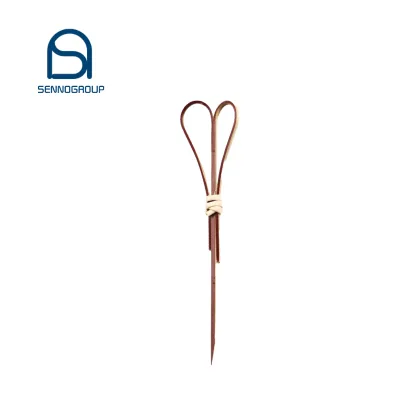
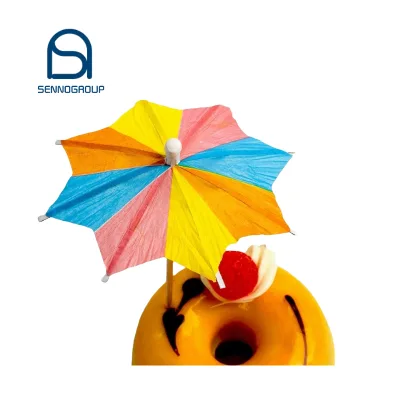
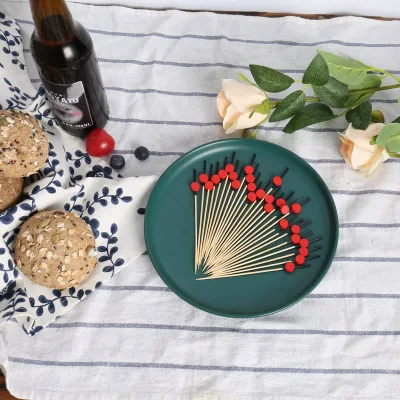

Disposable Looped Bamboo Knot Picks for Cocktail
$30.00 - $50.00
MOQ: 100 CARTON
Anhui Hongye Group Ecological Bamboo Fiber Technology Co., Ltd.

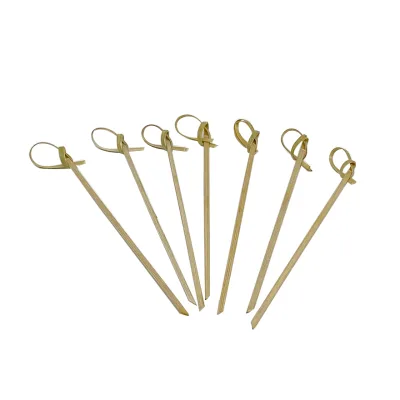
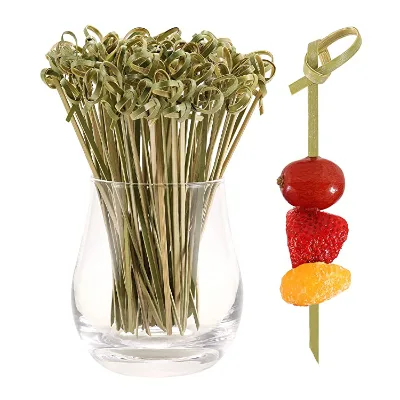
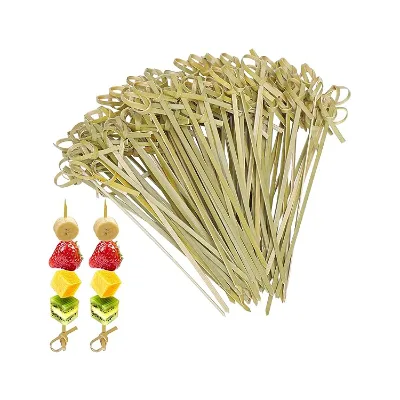


High Quality Eco-Friendly 7cm Bamboo Knot Skewer Fruit Bamboo Skewer Cocktail Pick
$0.01 - $0.01
MOQ: 50000 Pieces

Comprehensive Sourcing Guide
Strategic Sourcing Guide for Eco-Friendly Bamboo Knot Cocktail Picks
Understanding Product Definitions and Core Attributes
The procurement of eco-friendly bamboo knot cocktail picks requires a precise understanding of the product's identity within the B2B marketplace. These items are frequently categorized under disposable tableware, specifically designed for use in kitchen, restaurant, and BBQ environments. The core material composition is consistently identified as wood and bamboo, with a specific emphasis on bamboo as the primary raw material. This distinction is critical for buyers seeking sustainable alternatives to plastic or metal skewers. The product is characterized by its "knot" design, which serves both an aesthetic function and a practical utility in securing food items.
The physical attributes of these picks vary significantly across the supply base. While the general classification remains "Bamboo Knot Skewer" or "Bamboo Knot Stick," specific model numbers such as "hjc," "yq-4," "yq-2," "BC-008," and "BBQ010" indicate different manufacturing lines or design variations. The length specifications are not uniform; observed data points to a wide range of standard lengths including 6.5cm, 7cm, 9cm, 10cm, 11cm, 12cm, 15cm, 18cm, and 20cm. Buyers must verify the exact length requirements for their specific application, as the product standard often lists multiple options like 8cm, 10cm, and 11cm, or a broader range of 9cm through 20cm. The point type is another variable, available in sharp, blunt, or flat configurations, which dictates the suitability for different food textures.
The surface finish is typically described as smooth and polished, ensuring that the picks are safe for handling and do not splinter easily during use. The color profile is generally unicolor, with "Natural" being the predominant shade, reflecting the untreated or minimally processed state of the bamboo. Moisture content is a critical quality parameter, with specific observations noting levels under 10%, which is essential for preventing mold growth and ensuring shelf stability. The product is explicitly designed for adult use and is marketed as a disposable solution, aligning with the "Eco-Friendly" and "Biodegradable" features that define its market positioning.
Technical Specifications and Customization Capabilities
When evaluating technical specifications, the customization potential of bamboo knot cocktail picks is a significant factor for branding and operational needs. The supply chain demonstrates a high degree of flexibility regarding customization. Customization options are available, including the ability to apply custom logo labels and designs directly onto the product. This feature allows restaurants and event planners to brand their tableware, turning a functional item into a marketing tool. The customization process often involves OEM (Original Equipment Manufacturer) services, where the supplier adapts the product to specific client requirements.
Packaging is another area where technical specifications vary. While some listings indicate a standard packing of 100 pieces per bag with 100 bags per carton, other variations exist, such as box packaging or different carton configurations. The "Customized" attribute extends to the packing method, allowing buyers to request specific quantities per unit to optimize logistics and storage. The folded state of the product is consistently "Unfolded," meaning the skewers are supplied in their ready-to-use configuration without the need for assembly.
The material grade is another technical consideration, with observations indicating grades such as "a," "B," and "Ab." These grades likely refer to the quality of the bamboo stalks used, affecting the density, color consistency, and structural integrity of the final pick. Buyers should request detailed specifications regarding the grade of bamboo used to ensure it meets their quality thresholds. The surface treatment, described as smooth and polished, is a standard feature, but the degree of polishing can vary between suppliers. It is essential to verify that the polishing process does not introduce chemical residues that could compromise the eco-friendly nature of the product.
Compliance, Certification, and Regulatory Standards
Navigating the compliance landscape for bamboo products is essential for international trade, particularly when importing into markets with strict food safety and environmental regulations. The supply base provides a robust set of certifications that buyers should verify. Observed certifications include SGS, CIQ, Phyto, Fumigation, and Health Certificates. These documents serve as proof that the product has undergone necessary testing for safety, pest control, and hygiene.
SGS certification is a widely recognized standard for quality and safety, indicating that the product has been tested by a third-party inspection company. CIQ (China Inspection and Quarantine) certification is crucial for exports from China, ensuring that the goods meet the entry requirements of the destination country. The Phyto and Fumigation certificates are particularly important for wooden and bamboo products, as they confirm that the material has been treated to eliminate pests and is safe for agricultural import. The Health Certificate further validates that the product is safe for contact with food.
While FSC (Forest Stewardship Council) certification is mentioned in background contexts, it is not a high-confidence fact in the supplied data. Therefore, buyers should not assume FSC certification is standard across all listings. Instead, they must explicitly request proof of FSC or similar sustainable forestry certifications if this is a mandatory requirement for their procurement policy. The absence of a specific standard in the data does not imply non-compliance but rather highlights the need for direct verification with the supplier.
Buyers must also consider the regulatory environment of their target market. For instance, the European Union and North America have specific regulations regarding food contact materials. The "Eco-Friendly" and "Biodegradable" claims must be backed by verifiable data, such as compostability test results, to avoid greenwashing accusations. The moisture content under 10% is a technical specification that supports compliance with storage and transport regulations, preventing microbial growth during shipping.
Cost Drivers and Pricing Dynamics
The pricing of eco-friendly bamboo knot cocktail picks is influenced by several dynamic factors. The observed price range in the market spans from 0 to 121.64 USD, a wide variance that reflects differences in order volume, customization levels, and product specifications. This range suggests that unit pricing is highly dependent on the scale of the purchase. The Minimum Order Quantity (MOQ) also plays a pivotal role in cost determination. The observed MOQ range is extensive, from 1 pack to 1,000,000 units.
For small-scale buyers or those testing the market, an MOQ of 1 pack allows for low-risk procurement, though the unit cost will likely be higher. Conversely, large-scale buyers can leverage economies of scale by ordering in the millions, which significantly reduces the per-unit cost. The customization of the product, such as adding a custom logo or specific packaging, will generally increase the unit price due to the additional setup and production steps required.
Material costs are a primary driver, with the quality of the bamboo (Grade a, B, Ab) affecting the final price. Higher-grade bamboo, which offers better consistency and fewer defects, commands a premium. The origin of the product also influences cost; suppliers from regions like Hunan, Zhejiang, and Shaowu, Fujian, may have different cost structures based on local labor, transportation, and raw material availability. The "Natural" color and "Smooth & Polished" finish are standard features, but any additional processing or treatment will add to the cost.
Buyers should be aware that the price range of 0-121.64 USD likely represents a mix of different product types and order sizes. It is essential to request detailed quotes that break down the cost per unit based on the specific length, quantity, and customization requirements. The packaging type, whether 100PCS/Bag or Box, can also impact the total cost, as more complex packaging solutions require additional materials and labor.
Typical Applications and Usage Scenarios
The versatility of bamboo knot cocktail picks makes them suitable for a wide array of applications. The primary usage scenarios include kitchen, restaurant, and BBQ environments. In these settings, the picks are used to secure small food items, such as olives, cherry tomatoes, cheese cubes, and appetizers, for easy serving and consumption. The "Knot" design is particularly effective for preventing food from sliding off the skewer, making it ideal for wet or slippery items.
Beyond the kitchen, these picks are widely used in cocktail parties, clubs, and hotels. The "Unicolor" and "Natural" aesthetic aligns well with the sophisticated and eco-conscious themes often found in these venues. The "Eco-Friendly" and "Biodegradable" attributes are particularly valuable in events where waste management is a concern, allowing venues to offer sustainable tableware options that align with their corporate social responsibility goals.
The product is designed for adult use, making it suitable for formal dining and social gatherings. The sharp, blunt, or flat point options allow for customization based on the type of food being served. For example, sharp points are ideal for piercing firm fruits or meats, while blunt points may be preferred for softer items to prevent tearing. The length variations, from 6.5cm to 20cm, accommodate different serving styles, from small finger foods to larger appetizer platters.
Supplier Evaluation and Quality Control Protocols
Evaluating suppliers for bamboo knot cocktail picks requires a rigorous approach to ensure product consistency and reliability. Buyers should prioritize suppliers who provide clear documentation of their certifications, including SGS, CIQ, Phyto, and Fumigation certificates. The origin of the product, whether from Hunan, Zhejiang, or Shaowu, Fujian, should be verified to ensure it aligns with the buyer's supply chain preferences.
Quality control protocols should focus on the physical attributes of the product. Buyers must verify the moisture content, ensuring it remains under 10% to prevent mold and spoilage. The surface finish should be inspected for smoothness and polish, checking for any splinters or rough edges that could pose a safety hazard. The point type should be consistent with the order specifications, whether sharp, blunt, or flat.
The material grade is another critical quality metric. Buyers should request samples to assess the quality of the bamboo, looking for consistency in color, density, and the absence of defects. The customization process, including logo printing and packaging, should be evaluated for accuracy and durability. The supplier's ability to meet the MOQ requirements and provide consistent lead times is also essential for maintaining a stable supply chain.
Buyers should establish a clear communication channel with suppliers to address any quality issues promptly. Regular quality audits and sample testing can help maintain high standards and ensure that the product meets the buyer's expectations. The "Customized OEM" capability of suppliers should be leveraged to create unique products that differentiate the buyer's brand in the market.
Long-Term Procurement and Sustainability Considerations
Sourcing eco-friendly bamboo knot cocktail picks is not just a transactional decision but a strategic move towards sustainability. The "Biodegradable" and "Eco-Friendly" attributes of the product align with global trends towards reducing plastic waste and promoting sustainable materials. Buyers should consider the long-term implications of their procurement choices, including the environmental impact of the supply chain and the end-of-life disposal of the product.
The customization options, such as custom logo labels, can enhance brand visibility and reinforce the buyer's commitment to sustainability. By choosing bamboo over plastic, buyers can reduce their carbon footprint and appeal to environmentally conscious consumers. The "Natural" color and "Unfolded" state of the product contribute to a minimalist and eco-friendly aesthetic that resonates with modern consumers.
Buyers should also consider the scalability of their procurement strategy. The wide range of MOQs, from 1 pack to 1,000,000 units, allows for flexible scaling as demand grows. The ability to customize packaging and product specifications ensures that the supply chain can adapt to changing market needs. The long-term relationship with suppliers should be built on trust, transparency, and a shared commitment to quality and sustainability.
In conclusion, the procurement of eco-friendly bamboo knot cocktail picks requires a comprehensive understanding of product specifications, compliance requirements, cost drivers, and supplier capabilities. By focusing on these key areas, buyers can make informed decisions that align with their operational needs and sustainability goals. The versatility and eco-friendly nature of these products make them a valuable addition to any B2B procurement strategy.
FAQs
What certifications do eco-friendly bamboo knot cocktail picks have?
These picks typically hold SGS, CIQ, Phyto, Fumigation, and Health Certificates. These documents verify safety and pest control compliance for international food contact use.
Which lengths are available for bamboo knot skewers?
Standard lengths include 6.5cm, 7cm, 9cm, 10cm, 11cm, 12cm, 15cm, 18cm, and 20cm. Buyers can select specific sizes based on their food serving requirements.
Can I request a custom logo on these disposable picks?
Yes, custom logo label designs are available for branding purposes. Suppliers offer OEM services to adapt the product to specific client marketing needs.
What is the minimum order quantity for these picks?
The minimum order quantity ranges from 1 pack up to 1,000,000 units. Smaller orders allow for low-risk testing while larger volumes reduce per-unit costs.
How are these bamboo picks packaged for shipment?
Common packaging is 100 pieces per bag with 100 bags per carton. Customized packing options like boxes are also available to optimize logistics and storage.
What material grades are used for these skewers?
Products are available in grades A, B, and Ab. These grades indicate the quality of the bamboo stalks used for density and structural integrity.
Where are these bamboo knot picks manufactured?
Manufacturing origins include Hunan, Zhejiang, and Shaowu in Fujian, China. Buyers should verify the specific origin to align with supply chain preferences.