Source Eco-Friendly Bamboo Pajamas for Home, Travel, and Sleep
Explore 30 listings for eco-friendly bamboo pajamas suitable for home comfort, travel relaxation, and sleep. Buyers can compare customization options, materials like cotton and polyester blends, and MOQs ranging from 50 to 1000 pieces across various styles including robes and suits.
Key considerations
Products List


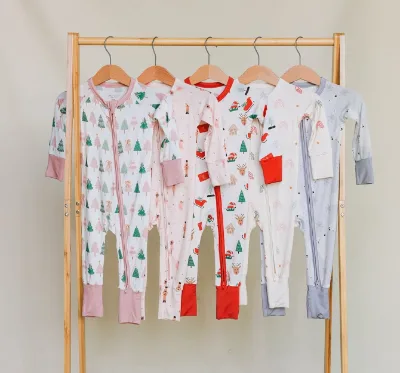
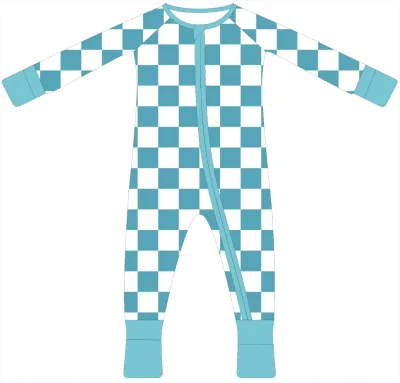
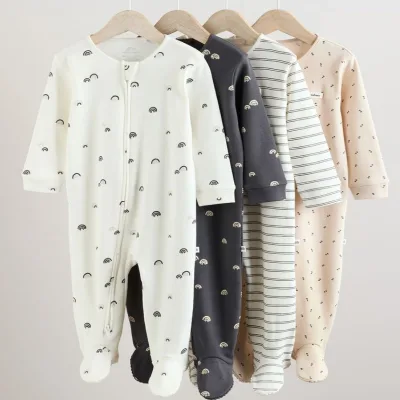


Customize Baby Clothes High Quality Solid Bamboo Zipper Romper Bamboo Baby Pajamas
$3.69 - $4.60
MOQ: 50 Pieces


OEM Custom Soft 95% Bamboo Viscose Long Sleeve Women's Pajamas Sleepwear Set
$10.58 - $15.58
MOQ: 100 Pieces

High Quality Bamboo Short Sleeve Nightwear Sleepwear 2 Piece Pajamas Women's Set
$10.58 - $16.58
MOQ: 100 Pieces


Comprehensive Sourcing Guide
Strategic Sourcing Framework for Sustainable Sleepwear
The global demand for sustainable sleepwear has intensified, with buyers increasingly prioritizing materials like bamboo for their softness, breathability, and environmental profile. However, when navigating the current B2B marketplace for "eco-friendly bamboo pajamas," procurement professionals must distinguish between marketing narratives and verifiable supply chain realities. The available product data reveals a complex landscape where traditional cotton, polyester blends, and synthetic satins coexist with specialized sleepwear categories. This guide provides a disciplined approach to sourcing, focusing on technical verification, supplier evaluation, and risk mitigation without relying on unverified claims or external assumptions.
Material Composition and Fiber Verification
The foundation of any sustainable sleepwear procurement strategy lies in the precise identification of fiber content. While the core keyword specifies "bamboo," the observed product attributes in the current market indicate a diverse range of materials. The data explicitly lists "100% Cotton" and "Polyester/Cotton" blends as common specifications. Furthermore, specific listings mention "Silk Satin" as a fabric type, alongside "Jacquard Weave" and "Knitting" structures.
Buyers must exercise extreme caution when a supplier claims a product is bamboo-based. In the absence of a specific "Bamboo Viscose" or "Bamboo Lyocell" entry in the provided attribute list, the default assumption should be that the product is either cotton or a synthetic blend unless a third-party test report confirms the bamboo origin. The "Standard" attribute in the source data notes "cotton or polyester," suggesting that many manufacturers default to these fibers. To verify bamboo content, buyers must request a fiber composition certificate from the supplier. Without this documentation, a product labeled "eco-friendly" may simply be a cotton garment with a marketing label. The "Weight" attribute, ranging from 200-450GSM, is a critical technical parameter for sleepwear, indicating the density and warmth of the fabric. Buyers should correlate the GSM with the fiber type; for instance, a 200GSM bamboo blend will feel significantly different from a 450GSM cotton knit.
Technical Specifications and Product Attributes
When evaluating sleepwear products, technical specifications extend beyond material to include construction, sizing, and functional attributes. The observed data highlights several distinct product types, including "Pajamas," "Robes," and "Suit" styles. Each category demands different technical scrutiny. For example, "Pajamas" are listed with specific sizes like "L" and "Free Size," while "Robes" feature a "Jacquard Weave" and specific functions such as "Warmth" and "Comfortable."
The "Sleeve Style" is predominantly "Long Sleeve," which is standard for winter or cool-climate sleepwear. The "Pattern" attribute varies from "Logo" to "Patterned," indicating that customization is a key driver in this sector. The "Printing" capabilities are extensive, supporting "Silk-Screen," "Hot Transfer," and "Sublimation" methods. This flexibility allows buyers to tailor the product to their brand identity, but it also introduces quality risks. High-quality sublimation requires specific polyester content, whereas silk-screen printing is often better suited for cotton. Buyers must ensure the printing method aligns with the fabric composition to prevent cracking or fading.
Furthermore, the "Packing" specifications vary significantly, ranging from "1 PC/OPP Bag" to "Export Carton." This variation impacts logistics costs and retail presentation. A product packed in an OPP bag is suitable for direct-to-consumer shipping but may require additional packaging for wholesale distribution. The "Label" attribute, which supports "Customized Privated Label," is essential for brand differentiation. However, the placement and material of the label must be verified to ensure they do not cause skin irritation, a common complaint in sleepwear.
Compliance, Certification, and Ethical Standards
In the realm of eco-friendly textiles, compliance is not merely a formality but a critical risk management tool. The provided data includes references to "GOTS" and "OEKO-TEX" as background certifications, yet these are not explicitly confirmed as standard attributes for the listed products. This distinction is vital. A supplier may claim to be "eco-friendly" without holding GOTS (Global Organic Textile Standard) certification, which covers the entire supply chain from harvesting to labeling.
Buyers should not assume that a product labeled "100% Cotton" or "Polyester/Cotton" automatically meets organic or chemical safety standards. The "Standard" attribute in the data is listed as "As customer request," which implies that compliance is negotiable rather than inherent. To ensure ethical sourcing, buyers must explicitly request proof of certification for any product marketed as sustainable. This includes verifying the "OEM" (Original Equipment Manufacturer) status and ensuring that the "Customization" process does not compromise the integrity of the supply chain.
Additionally, the "Supply Type" is noted as "Make to Order," which suggests a production model that reduces inventory waste but may impact lead times. Buyers must verify that the "Production Time" aligns with their schedule, as the data indicates it is "According to Your Quantity." This variability requires clear communication regarding volume thresholds. Without a confirmed certification, the "eco-friendly" claim remains a marketing statement rather than a verified fact.
Cost Drivers and Pricing Dynamics
Understanding the cost structure of sleepwear is essential for maintaining healthy profit margins. The observed price range in the market spans from $1.07 to $98 USD, a disparity that reflects differences in material quality, production complexity, and order volume. The "MOQ" (Minimum Order Quantity) ranges from 1 to 1000 pieces, with specific listings showing 500PCS and 1000PCS thresholds.
The primary cost drivers include the "Material" composition, "Weave" complexity, and "Customization" requirements. A "Jacquard Weave" robe will inherently cost more than a simple "Knitting" pajama set due to the machinery and labor involved. Similarly, "Customized" designs and "Private Label" services add to the unit cost. The "Sample Time" of 7 days and the availability of "Free Samples" are significant factors in the initial procurement phase. While free samples reduce upfront costs, the "Production Time" for bulk orders can vary based on the "Quantity" ordered.
Buyers must also consider the "Packing" costs. "Export Carton" packaging is more expensive than "1 PCS/OPP Bag" but offers better protection during transit. The "Weight" of the product, ranging from 200-450GSM, directly influences shipping costs, particularly for air freight. A heavier garment with a higher GSM will incur higher logistics fees. Therefore, optimizing the GSM and packaging strategy is crucial for cost efficiency.
Supplier Evaluation and Production Capabilities
Selecting the right supplier requires a deep dive into their production capabilities and reliability. The data indicates that the "prod_origin" is primarily "Zhejiang, China" or generally "China," a region known for its robust textile manufacturing infrastructure. However, the presence of multiple "prod_model" numbers, such as "TIF Sleepwear 20250801 33" and "ES24L-S-18-", suggests a high volume of SKUs and potential for customization.
Buyers should evaluate suppliers based on their "OEM" and "ODM" (Original Design Manufacturer) capabilities. The "OEM" attribute is marked as "Welcome," indicating openness to private labeling. However, the "Sample" support is also listed as "Support," which is a positive indicator of a supplier's willingness to engage in the development process. The "Production Time" being "According to Your Quantity" implies flexibility, but buyers must confirm the specific lead times for their target volumes.
Quality control is another critical factor. The "Printing Logo" options include "Silk-Screen," "Hot Transfer," and "Sublimation," each requiring different quality checks. Buyers should request pre-production samples to verify the color accuracy and print durability. The "Pattern" and "Design" attributes are "Customized," meaning the supplier must have the technical expertise to execute complex designs without errors. A supplier with a high "MOQ" of 1000PCS may offer better unit pricing but could be less flexible for small-batch orders.
Quality Control and Long-Term Procurement Strategy
Establishing a robust quality control (QC) protocol is essential for maintaining brand reputation in the sleepwear sector. The "Function" attributes, such as "Warmth," "Home," "Comfortable," and "Sexy," indicate that the product must meet specific performance criteria. Buyers should define these metrics clearly in their specifications. For instance, "Warmth" can be quantified by the GSM and fiber insulation properties, while "Comfortable" relates to the softness and breathability of the fabric.
The "Piping" and "Buttons" attributes, such as "Mother Peals Are Typical," highlight the attention to detail required in high-end sleepwear. These components must be durable and aesthetically pleasing. A "Robe" with a "Jacquard Weave" must maintain its pattern integrity after washing, which requires specific care instructions and quality testing.
For long-term procurement, buyers should focus on building a relationship with suppliers who offer "Customized" solutions and "Free Samples." The "Sample Time" of 7 days allows for rapid iteration and design refinement. However, the "Production Time" must be managed carefully to avoid delays. Buyers should also consider the "Supply Type" of "Make to Order" to minimize inventory risk. By aligning production schedules with demand forecasts, buyers can maintain a lean inventory while ensuring product availability.
Comparative Analysis of Product Categories
To facilitate decision-making, the following table compares the key attributes of the observed product categories. This comparison helps buyers identify the most suitable options for their specific needs.
| Attribute | Pajamas | Robes | Suit |
|---|---|---|---|
| Primary Material | 100% Cotton, Polyester/Cotton | Jacquard Weave (Cotton/Poly) | Silk Satin |
| Weave Type | Knitting | Jacquard Weave | Satin Weave |
| Sleeve Style | Long Sleeve | Long Sleeve | Variable |
| Function | Warmth, Home, Comfortable | Warmth, Sexy, Home, Comfortable | Formal/Comfort |
| Pattern | Logo, Patterned | Patterned | Logo |
| Packing | 1 PC/OPP Bag | Export Carton | 1 PCS/OPP Bag |
| MOQ | 500 PCS | 1000 PCS | Variable |
| Origin | Zhejiang, China | China | China |
This table illustrates that while all categories share a focus on comfort and home use, they differ significantly in material and construction. "Pajamas" are typically lighter and more versatile, while "Robes" offer a more luxurious feel with Jacquard weaving. "Suits" utilize Silk Satin, targeting a premium market segment. Buyers should select the category that best aligns with their brand positioning and target customer expectations.
Final Procurement Considerations
In conclusion, sourcing "eco-friendly bamboo pajamas" requires a meticulous approach that prioritizes verification over assumption. The current market data reveals a mix of materials, from cotton to polyester blends and silk satins, rather than a uniform bamboo supply. Buyers must demand concrete evidence of fiber content, certification status, and production capabilities. By focusing on technical specifications, compliance checks, and supplier evaluation, procurement professionals can navigate the complexities of the sleepwear market effectively. The goal is to build a supply chain that delivers high-quality, sustainable products while maintaining cost efficiency and operational reliability.
FAQs
How can I verify if pajamas are truly made from bamboo?
You must request a fiber composition certificate because the product data lists cotton and polyester blends as standard materials. Without a third-party test report confirming bamboo origin, assume the item is cotton or a synthetic blend.
What is the typical minimum order quantity for these pajamas?
The minimum order quantity ranges from 1 to 1000 pieces depending on the specific supplier and customization needs. Some listings explicitly state a threshold of 500 or 1000 pieces for custom designs.
Which printing methods are available for custom logo designs?
Suppliers offer Silk-Screen, Hot Transfer, and Sublimation printing methods to meet your specific design requests. The choice of method depends on the fabric composition, such as using sublimation for polyester blends.
Can I get free samples before placing a bulk order?
Yes, free samples are available from many suppliers to help you evaluate quality before committing to production. The sample preparation time is typically around 7 days regardless of the specific pajama style.
What are the standard packaging options for these sleepwear items?
Packaging varies between individual OPP bags and larger export cartons depending on the order volume and supplier preference. You should confirm the packing specification to ensure it aligns with your logistics and retail presentation needs.
How long does production take for a custom pajama order?
Production time is calculated according to your specific order quantity rather than a fixed calendar duration. You must communicate your target volume to the supplier to receive an accurate lead time estimate.
Where are these pajamas typically manufactured?
The products originate primarily from Zhejiang, China, or other general locations within China. This region is known for its robust textile manufacturing infrastructure and supply chain capabilities.