Source Organic Whitening Exfoliating Lotion for Body Care
Find 30 Organic Whitening Exfoliating Lotion options from China. Compare formulations with aloe vera and glycerin, check certifications like CE and GMP, and review customization services for your brand needs; compare the available evidence and request quotations based on your requirements.
Key considerations
Products List


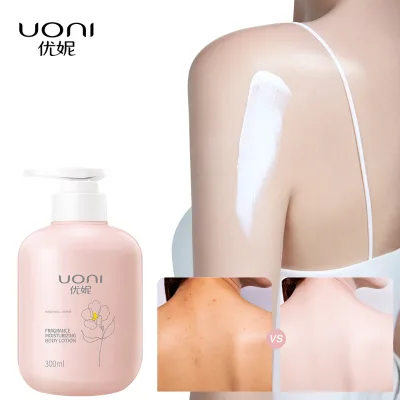


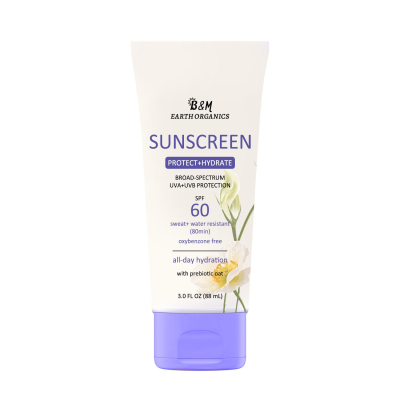
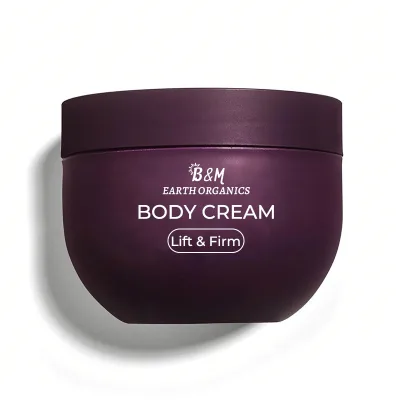
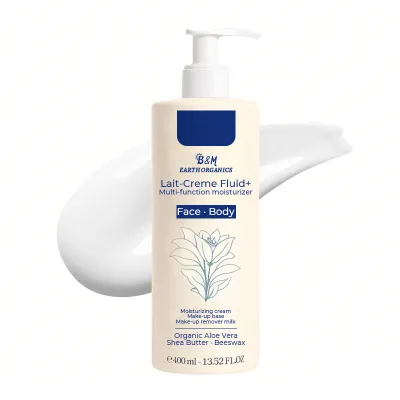
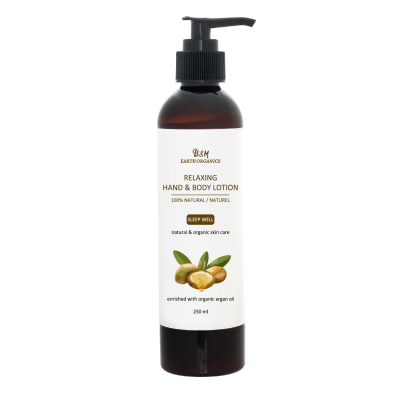
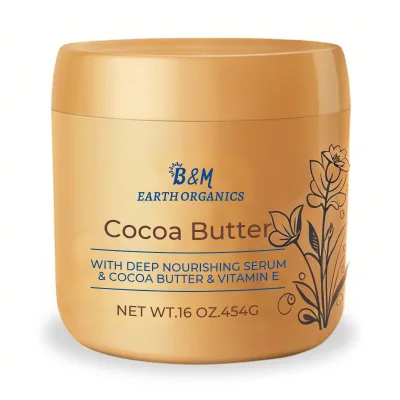
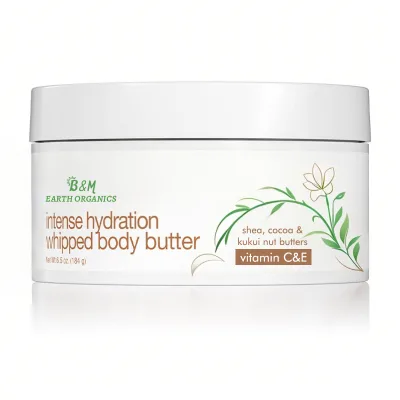


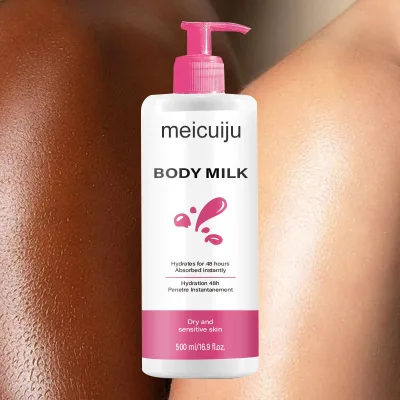
Comprehensive Sourcing Guide
Organic Whitening Exfoliating Lotion Sourcing Guide
Sourcing organic whitening exfoliating lotions requires careful evaluation of ingredient profiles and functional claims to ensure product efficacy and safety. The observed market data indicates a diverse range of formulations, with key active ingredients including Aloe Vera, Glycerin, Green Tea, and Shea Butter. Buyers must verify that the specific "organic" designation aligns with the actual botanical content listed in the product specifications, as some listings emphasize natural extracts while others focus on synthetic actives like Dead Sea Salt or Emu oil.
Procurement decisions should also account for the specific form factor and customization capabilities offered by manufacturers. The available inventory includes both lotion and cream variants, with customization options extending to private labeling and packaging design. When selecting a supplier, buyers need to confirm whether the requested features, such as exfoliation or skin revitalization, are supported by the specific ingredient list provided for that model, ensuring the final product matches the intended market positioning.
Product Scope and Observed Listing Signals
The current market landscape for these products displays significant variation in volume standards, ranging from 50ml to 400ml units, which directly impacts logistics and shelf-life planning. Buyers should note that while some listings specify a standard 100ml or 300ml capacity, others offer fully customized volume options to suit specific regional preferences. This flexibility allows for tailored packaging strategies but requires precise communication with the supplier to avoid discrepancies between the ordered specification and the delivered goods.
Feature sets observed in the listings vary from basic moisturizing and nourishing properties to advanced claims like whitening, lightening, and skin revitalization. It is critical for buyers to cross-reference these feature claims against the actual ingredient list, as some products combine exfoliating agents with brightening components while others focus solely on hydration. Understanding these distinctions helps in segmenting the product line correctly for different consumer demographics, such as targeting all ages versus specific gender groups like females.
Technical Specifications to Verify
Technical verification must begin with the physical dimensions and packing standards, which vary significantly across different product models. Some units are packed in cartons with specific gross weights, such as 33kg or 26kg per carton, while others utilize custom packaging dimensions like 61cm by 27cm by 35cm. Buyers need to confirm these exact packing details to calculate accurate freight costs and warehouse space requirements, ensuring that the shipping method, whether sea or air, aligns with the physical constraints of the product.
Model-specific specifications, such as BL, LB-027, PRG-06, and RY009, often dictate the unique formulation and performance characteristics of the lotion. Each model may have distinct production standards, with some offering 300ml or 500ml options while others are fixed at specific volumes. Procurement teams should request detailed technical data sheets for each model to verify the exact composition of ingredients like Pearl or Shea Butter, ensuring that the technical attributes match the intended therapeutic or cosmetic benefits for the end consumer.
Compliance and Safety Documentation
Regulatory compliance is a primary concern, with observed certifications including CE, GMP, FDA, and MSDS, though specific combinations vary by supplier and product model. Buyers must verify that the specific batch they intend to purchase carries the necessary certifications for their target market, as some listings show EEC or FDA approval while others only list GMP and MSDS. Relying on general certification claims without confirming the specific regulatory status for the intended export destination can lead to significant customs delays or legal liabilities.
Safety documentation, particularly the Material Safety Data Sheet (MSDS), is essential for handling and transporting these cosmetic products safely. The presence of MSDS indicates that the supplier has assessed the chemical composition for hazards, which is crucial when dealing with ingredients like Dead Sea Salt or various botanical extracts. Buyers should ensure that the MSDS provided is current and matches the exact formulation of the product, as changes in ingredient ratios can alter the safety profile and require updated documentation for compliance.
Cost Drivers and Commercial Terms
Pricing and minimum order quantities (MOQ) are significant variables, with observed MOQs ranging from as low as 72 pieces to as high as 30,000 units depending on the customization level. The cost structure is heavily influenced by the degree of private labeling and packaging customization requested, as bespoke solutions often require higher production runs to be economically viable. Buyers must balance the desire for unique branding with the financial constraints of the MOQ to optimize their initial investment and inventory turnover rates.
Commercial terms and delivery timelines also play a critical role in the total cost of ownership, with production times typically ranging from 7 to 30 days and delivery times often cited as 3 to 7 days for samples or small batches. Trade terms such as EXW, FOB, CIF, and DDP affect who bears the risk and cost of shipping, requiring buyers to calculate the total landed cost accurately. Understanding these terms helps in negotiating better rates and ensuring that the supply chain remains resilient against potential delays in production or logistics.
Supplier Qualification and Quality Control
Supplier qualification should focus on their ability to provide both OEM and ODM services, as this indicates flexibility in meeting diverse client needs. The availability of samples is a key indicator of a supplier's confidence in their product quality and their willingness to engage in a trial phase before committing to large orders. Buyers should request samples to verify the texture, scent, and efficacy of the lotion, ensuring that the physical product matches the marketing claims and technical specifications provided in the listing.
Quality control processes must be rigorously defined, especially given the variation in ingredients and the potential for skin sensitivities. Buyers should inquire about the supplier's internal testing protocols for consistency, microbial safety, and stability, particularly for products claiming exfoliating or whitening effects. Establishing clear quality benchmarks and inspection criteria before production begins helps mitigate the risk of receiving substandard goods and ensures that the final product meets the required safety and performance standards for the target market.
Long-Term Procurement Checks
Sustaining a successful procurement relationship requires regular audits of the supplier's production capacity and adherence to agreed-upon standards over time. Buyers should monitor the consistency of ingredient sourcing, particularly for natural components like Aloe Vera and Green Tea, to ensure that the product quality does not degrade due to supply chain fluctuations. Regular communication and periodic quality checks help maintain the integrity of the brand and prevent issues related to batch-to-batch variability.
Long-term planning must also account for the evolving regulatory landscape and changing consumer preferences regarding organic and natural ingredients. Buyers should stay informed about updates to certification requirements and market trends to ensure their product line remains competitive and compliant. By maintaining a proactive approach to supplier management and market analysis, organizations can adapt quickly to new challenges and opportunities, securing a stable supply of high-quality organic whitening exfoliating lotions for the future.
FAQs
What certifications are available for Organic Whitening Exfoliating Lotion?
Products typically hold CE, GMP, MSDS, and FDA certifications. These documents verify compliance with international safety and manufacturing standards. Buyers should verify specific certificates for their target market to ensure regulatory acceptance and product quality assurance during import.
Can I customize the packaging for Organic Whitening Exfoliating Lotion?
Yes, private customization and OEM services are available. Manufacturers offer flexible packaging options including 50ml, 100ml, 300ml, and 400ml sizes. Buyers can request specific carton dimensions and branding to align with their retail strategy and brand identity requirements.
What is the typical lead time for Organic Whitening Exfoliating Lotion orders?
Production usually takes 7-30 days depending on order volume and customization needs. Sample delivery is often normal within 3-7 days. Buyers should confirm exact timelines with suppliers to align with their inventory planning and seasonal market demands effectively.
Which main ingredients are used in Organic Whitening Exfoliating Lotion?
Common ingredients include Aloe Vera, Glycerin, Green Tea, Shea Butter, Dead Sea Salt, Emu oil, and Pearl. These components provide moisturizing, nourishing, and whitening benefits. Formulations are designed to suit all skin types while delivering effective exfoliation and revitalization properties.
What is the MOQ for Organic Whitening Exfoliating Lotion production?
Minimum order quantities vary, ranging from 72 pieces to 30,000 pieces. Some specific models require 384 pieces. Buyers should check individual product specifications for exact MOQs to determine feasibility for small batch testing or large-scale commercial distribution needs.
How is shipping handled for Organic Whitening Exfoliating Lotion orders?
Shipping options include UPS, FedEx, DHL, sea, and air freight. Trade terms like EXW, FOB, CIF, CFR, DDA, and DDP are available. Buyers can select the most cost-effective logistics method based on their location, urgency, and total order volume requirements.