Source Eco Friendly Biodegradable Canvas Bag for Shopping, Promotion, and Gift
Compare 30 listings for Eco Friendly Biodegradable Canvas Bag options featuring custom logos, various materials like cotton and canvas, and diverse sizes. Buyers can evaluate specifications including weight limits, printing methods, and packaging details from suppliers in China.
Key considerations
Products List


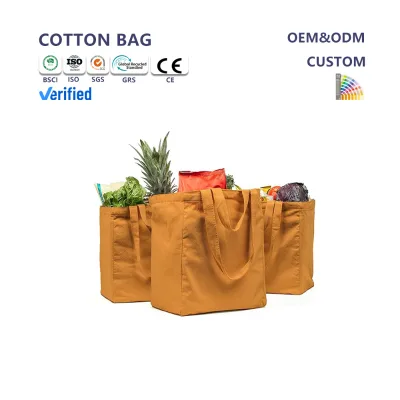
Thickened Environmentally Friendly Canvas Bag
$1.80 - $2.22
MOQ: 300 Pieces
WeIVan (Hangzhou) International Import and Export Trading Co., Ltd.


Environmentally Friendly Biodegradable Plastic Handbags Eco Friendly Bag
$0.01 - $0.06
MOQ: 50000 Pieces




Comprehensive Sourcing Guide
Strategic Sourcing Guide for Eco-Friendly Biodegradable Canvas Bags
The global shift toward sustainable packaging and promotional merchandise has elevated the demand for eco-friendly biodegradable canvas bags. For B2B procurement professionals, navigating this market requires a disciplined approach that distinguishes between marketing terminology and verifiable product attributes. The core keyword "Eco Friendly Biodegradable Canvas Bag" encompasses a diverse range of products, from heavy-duty tote bags to lightweight promotional items. This guide provides a structured framework for evaluating suppliers, understanding technical specifications, and ensuring that procurement decisions align with genuine sustainability goals and operational requirements.
Defining Material Composition and Structural Integrity
The foundation of any sustainable bag lies in its material composition. In the context of canvas bags, the primary material is often cotton or a cotton blend. Procurement data indicates that high-quality options frequently utilize 100% cotton, which offers a natural fiber base that is inherently biodegradable under the right conditions. However, buyers must verify the specific material claims, as some products may list "Canvas" as a general category while incorporating synthetic linings or blends that alter the biodegradability profile.
One observed specification for canvas bags involves an inside material of Nylon. While the exterior may be canvas, the inclusion of nylon lining can complicate the end-of-life disposal process. A truly biodegradable product should ideally consist of natural fibers throughout, or at least clearly disclose the ratio of synthetic components. Furthermore, the hardness and flexibility of the bag are critical for functionality. Market observations show a range from "Medium Soft" to "Soft" hardness, which influences the bag's ability to hold weight without tearing. For applications requiring significant load-bearing capacity, such as shopping or promotional distribution, the structural integrity must be tested against the expected weight limit, which can range from 5 to 10 kg for robust designs.
Buyers should also scrutinize the "Fashion Element" and design features. Some products feature specific textures like "Crocodile Grain" or shapes described as "Vest Bag" or "Horizontal Square." These aesthetic choices do not inherently impact biodegradability but affect the bag's suitability for specific use cases. A bag designed for high-fashion retail may prioritize aesthetics over heavy-duty utility, whereas a promotional bag needs to balance durability with the brand message. The standard size for many canvas bags is customizable, often adhering to dimensions like 20x10x20 cm, but this can vary significantly based on the "Customizable" specification offered by the supplier.
Compliance Verification and Environmental Claims
The term "Eco-Friendly" is often used loosely in the marketplace. To ensure compliance with genuine environmental standards, buyers must move beyond generic claims and request specific documentation. While some background information mentions certifications like GOTS (Global Organic Textile Standard) or standards like EN13432 (requirements for compostable packaging), these should not be assumed to apply to every listed product without verification. The presence of an "Eco-Friendly: Yes" attribute in product listings is a starting point, but it requires validation through third-party test reports.
For a bag to be legitimately classified as biodegradable, it must meet specific criteria regarding its decomposition rate and the conditions under which it breaks down. Products labeled with a "Feature: Biodegradable" claim should be cross-referenced with the material composition. If a bag is made of 100% cotton, it is naturally biodegradable, but if it includes synthetic dyes, coatings, or linings, the biodegradability may be compromised. Buyers should verify if the product meets recognized compostability standards, which often require the material to break down within a specific timeframe in industrial composting facilities.
Additionally, the "Waterproof" attribute presents a significant compliance challenge. Some product data lists bags as "Non-Waterproof," while others claim to be "Waterproof." Achieving waterproofing in a biodegradable canvas bag often involves applying chemical coatings or using synthetic liners. These treatments can hinder the bag's ability to decompose naturally. Therefore, a procurement strategy that prioritizes true biodegradability may need to accept a trade-off in water resistance or seek suppliers who use bio-based, non-toxic waterproofing agents that do not impede decomposition.
Cost Drivers and Economic Parameters
Understanding the cost structure of eco-friendly canvas bags is essential for budgeting and supplier negotiation. The price range observed in the market spans from $0.01 to $2.90 per unit, a wide variance that reflects differences in material quality, customization complexity, and order volume. Several key factors drive these costs. First, the material grade plays a significant role; 100% cotton canvas is generally more expensive than blended fabrics. Second, the complexity of the printing process, such as "Heat Transfer Printing" or "Screen Printing," adds to the unit cost. Customized logos and designs require additional setup and labor, further influencing the final price.
Order volume is another critical cost driver. The Minimum Order Quantity (MOQ) ranges widely, from 100 units to 50,000 units, with specific listings showing MOQs of 500 or 10,000 pieces. Higher order volumes typically result in a lower cost per unit due to economies of scale in production and shipping. However, buyers must balance the need for lower unit costs with the risk of inventory obsolescence. For promotional campaigns with uncertain demand, starting with a lower MOQ might be preferable, even if the per-unit cost is higher.
Shipping and packaging also contribute to the total cost of ownership. The "Single Gross Weight" of a bag is recorded as 0.2 kg, but the packaging method—whether "Paper Box," "Carton," or "OPP Packing+Carton"—affects the volume and weight of the shipment. Bulk shipping in cartons is generally more efficient than individual box packaging. Buyers should calculate the total landed cost, including freight, duties, and packaging, rather than focusing solely on the ex-factory price.
Typical Applications and Usage Scenarios
The versatility of eco-friendly canvas bags makes them suitable for a wide array of applications. The "Usage" attribute in product data highlights several key sectors: Shopping, Promotion, Packing, Gift, and Household. In the retail sector, these bags serve as a sustainable alternative to plastic, enhancing brand image while providing customers with a durable carrying solution. The "Fashion Element" and customizable designs allow retailers to align the bag with their brand identity, making it a functional marketing tool.
Promotional use is another major application. Companies often distribute these bags at trade shows, conferences, or as part of corporate gifting programs. The ability to add a "Customized Logo" via "Heat Transfer" or "Screen Printing" makes them ideal for brand visibility. The "Season: All" attribute indicates that these bags are not limited to specific times of the year, making them a year-round asset for marketing teams.
For household and general storage, the "Weight Limit" of 5-10 kg ensures that the bags can handle everyday items. However, the "Waterproof" status must be considered for specific uses. A non-waterproof bag is suitable for dry goods but may not be appropriate for carrying wet items or for outdoor use in rainy conditions. Buyers should match the bag's specifications to the intended environment to ensure customer satisfaction and product longevity.
Supplier Evaluation and Quality Control
Selecting the right supplier is paramount to securing a reliable supply chain. The "prod_origin" is listed as Anhui, China, or generally China, indicating a concentration of manufacturing in this region. Buyers should evaluate suppliers based on their ability to meet the specific "prod_standard" and "prod_model" requirements. For instance, the "Erin-4" or "Canvas Fashion Bag-080H" models may have distinct quality profiles that need to be assessed.
Quality control should focus on the consistency of the "Hardness," "Color," and "Printing" quality. The "Color: White" or "Blue" options must be consistent across batches to maintain brand integrity. The "Quality: Best" claim in product listings is a subjective assertion and should be validated through sample testing. Buyers should request pre-production samples to verify the material thickness, stitching quality, and print durability.
Furthermore, the "Delivery Time" is a critical factor in supply chain planning. While some listings indicate a delivery time of "According to The Quantity," others specify a fixed "15 Days." Buyers must clarify the lead time based on their specific order volume to avoid delays. The "Customization" availability, including "Logo Design" and "Size" adjustments, should be confirmed with the supplier to ensure they can meet the project timeline.
Long-Term Procurement Considerations
Sourcing eco-friendly products involves a long-term perspective that extends beyond the initial purchase. Buyers should consider the scalability of the supplier's production capabilities. As demand for sustainable products grows, the supplier must be able to increase output without compromising quality or environmental standards. The "Customizable" nature of the bags allows for future design iterations, but the supplier must maintain the ability to source high-quality raw materials consistently.
Sustainability is not just a one-time attribute but a continuous commitment. Buyers should engage in ongoing dialogue with suppliers regarding their environmental practices, such as waste management and energy usage in production. While specific certifications like GOTS or EN13432 may not be universally present, suppliers should be willing to provide evidence of their efforts to reduce environmental impact.
Finally, the lifecycle of the product should be considered. A bag that is biodegradable but quickly degrades in use fails its purpose. Buyers should balance the biodegradability claim with the durability requirements of the application. By focusing on these long-term factors, procurement professionals can build a resilient supply chain that supports both business goals and environmental stewardship.
Comparative Analysis of Key Product Attributes
To assist in decision-making, the following table summarizes the key attributes observed in the market for eco-friendly canvas bags. This comparison highlights the variability in specifications and the importance of verifying claims.
| Attribute | Observed Range/Options | Procurement Consideration |
|---|---|---|
| Material | 100% Cotton, Canvas, Nylon Lining | Verify % of natural fibers for true biodegradability. |
| Hardness | Medium Soft, Soft | Assess durability vs. flexibility for intended use. |
| Waterproof | Non-Waterproof, Waterproof | Check for synthetic coatings that may hinder decomposition. |
| MOQ | 100 - 50,000 Units | Balance cost efficiency with inventory risk. |
| Printing | Heat Transfer, Screen Printing | Confirm print durability and eco-friendliness of inks. |
| Origin | Anhui, China; China | Evaluate logistics and lead times based on location. |
| Weight Limit | 5-10 kg | Ensure structural integrity for heavy-load applications. |
| Eco-Claim | Biodegradable, Eco-Friendly | Request third-party verification for environmental claims. |
This guide underscores the necessity of a rigorous, evidence-based approach to sourcing. By carefully analyzing material composition, verifying environmental claims, and understanding the economic and operational drivers, buyers can make informed decisions that align with their sustainability objectives and business needs.
FAQs
What material is used for eco friendly biodegradable canvas bags?
These bags are typically made from 100% cotton or canvas materials. Some designs may include a nylon lining inside, which buyers should verify to ensure the product meets true biodegradability standards.
Can I get a customized logo on these canvas bags?
Yes, customized logo printing is available for these products. Suppliers offer options like heat transfer printing or screen printing to apply your specific design onto the bag surface.
What is the minimum order quantity for these bags?
The minimum order quantity varies significantly between suppliers, ranging from 100 to 50,000 units. Specific listings may require 500 or 10,000 pieces depending on the manufacturer and customization level.
Are these canvas bags waterproof or water resistant?
Product specifications vary, with some bags listed as non-waterproof and others as waterproof. Buyers must check specific attributes as waterproofing often involves coatings that may affect biodegradability.
How long is the delivery time for these orders?
Delivery times depend on the order quantity, with some suppliers stating 15 days for standard production. Others indicate that the lead time is calculated based on the specific quantity ordered.
What packaging methods are used for shipping these bags?
Bags are commonly packed in paper boxes, cartons, or OPP packing combined with cartons. The single gross weight is typically around 0.2 kg per unit before bulk packaging.
What is the weight limit these canvas bags can hold?
The observed weight limit for these bags ranges from 5 to 10 kg. This capacity makes them suitable for shopping, promotion, and general household usage scenarios.