Source Eco-Friendly Biodegradable Disposable Cutlery Kit for Weddings, Parties, and Restaurants
Explore 30 listings of Eco-Friendly Biodegradable Disposable Cutlery Kit options made from materials like bamboo, wood, and PLA. Buyers can compare specifications, certifications, and customization features for events, hotels, and catering services.
Key considerations
Products List


Restaurant Supply Biodegradable Cpla Disposable Cutlery Kit for Taking out
$0.10 - $0.11
MOQ: 20000 Pieces

Hot Sale Cornstarch Biodegradable Utensils Cutlery Disposable Cutlery Kit
$0.10 - $0.11
MOQ: 20000 Pieces


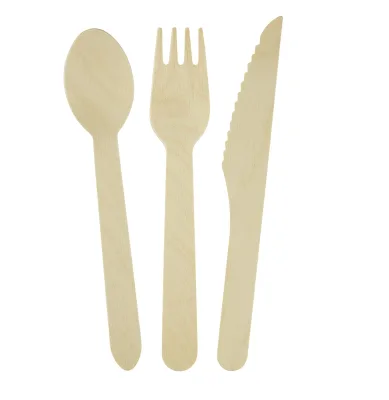


Eco Compostable Disposable Biodegradable Cutlery Reusable Cpla Cutlery
$0.02 - $0.03
MOQ: 100000 Pieces


Comprehensive Sourcing Guide
Strategic Sourcing Guide for Eco-Friendly Biodegradable Disposable Cutlery Kits
The global shift toward sustainable packaging and single-use items has elevated the demand for eco-friendly biodegradable disposable cutlery kits. For procurement professionals, navigating this market requires a disciplined approach that distinguishes between marketing claims and verified product attributes. The supply chain for these items is diverse, ranging from agricultural byproducts to engineered bioplastics. A successful sourcing strategy hinges on understanding the specific material compositions, verifying compliance with international standards, and aligning product specifications with the intended application environment. This guide provides a structured framework for evaluating suppliers and selecting the right cutlery kits based on the available market data and technical realities.
Material Composition and Technical Specifications
The foundation of any sustainable cutlery kit lies in its material composition. The market currently offers distinct categories of biodegradable materials, each with unique performance characteristics. Based on observed product data, the primary materials include Cpla (a type of bioplastic), Psm (likely a plant-based starch mixture), 100% Bamboo, and Wood. Each material dictates the physical properties of the final product, including rigidity, heat resistance, and decomposition rates.
Cpla and Psm products are often engineered to mimic the feel of traditional plastic while offering biodegradability. These materials are frequently associated with specific model numbers such as SY-16, SY-02, and SY-001/022/033. In contrast, natural materials like Bamboo and Wood offer a distinct aesthetic and texture. Bamboo cutlery is noted for its natural color and grain, while wooden options provide a robust, rustic feel. The choice between these materials often depends on the specific use case; for instance, wooden cutlery may be preferred for heavy-duty outdoor events, whereas bioplastic variants might be selected for formal indoor dining where a smoother finish is required.
Size specifications are equally critical for procurement planning. The observed market data indicates a range of dimensions, with common lengths including 140mm and 170mm. Widths vary significantly, with options such as 16mm, 23mm, 28mm, and 26mm. Buyers must verify that the selected model matches the intended table setting. Some suppliers offer customized sizing, allowing for tailored solutions that fit specific plate dimensions or ergonomic requirements. The "Folded" attribute observed in some listings suggests that certain kits may come in a pre-folded state, which can impact storage efficiency and presentation, though many standard kits are supplied in an unfolded state to ensure structural integrity during transport.
Compliance, Certification, and Regulatory Verification
When sourcing biodegradable products, verifying compliance with recognized standards is non-negotiable. The term "biodegradable" is often used loosely, making third-party certification essential for validating environmental claims. The supply chain data highlights several key certifications that buyers should request and verify: BRC, BSCI, CE, MSDS, ISO9001, LFGB, EU compliance, and Ok Compost.
ISO9001 indicates that the manufacturer adheres to international quality management standards, ensuring consistent production processes. BRC (British Retail Consortium) and BSCI (Business Social Compliance Initiative) are crucial for retailers concerned with food safety and ethical labor practices. For products intended for the European market, LFGB (German Food and Feed Code) and EU compliance are mandatory to ensure the materials do not leach harmful substances into food. Additionally, the Ok Compost certification provides independent verification of compostability, a critical differentiator for eco-conscious buyers.
While background knowledge often references standards like EN13432 and ASTM D6400, buyers must treat these as benchmarks to verify rather than guaranteed attributes of every listed product. Not all suppliers may hold these specific certifications. Procurement teams should explicitly request test reports or certificates of analysis that confirm the product meets the specific regulatory requirements of the target market. Relying solely on a supplier's claim of "Eco-Friendly" without supporting documentation poses a significant compliance risk.
Cost Drivers and Economic Factors
The pricing structure for eco-friendly cutlery kits is influenced by several variables, including material cost, customization level, and order volume. The observed price range in the market spans from $0.01 to $0.13 per unit. This wide variance suggests that cost is heavily dependent on the specific material used and the complexity of the manufacturing process. Bamboo and wood products, which are derived from natural resources, may have different cost structures compared to engineered bioplastics like Cpla or Psm.
Minimum Order Quantity (MOQ) is another significant economic factor. The market data indicates an MOQ range of 50 to 100,000 units. This flexibility allows buyers to scale their orders based on immediate needs and budget constraints. Small businesses or those testing a new product line can start with lower MOQs, while large-scale distributors can leverage higher volumes to negotiate better unit prices. However, buyers should be aware that lower MOQs often come with higher per-unit costs due to the setup and handling fees associated with smaller production runs.
Customization is a primary cost driver. The availability of custom logos, colors, and sizes adds value but also increases production complexity. Products with "Customized" attributes, such as specific branding or unique packaging configurations, will generally command a premium over standard stock items. The "Custom Sample" lead time of 3-5 days indicates that the industry is responsive to customization requests, but buyers should factor in the time required for sample approval before full-scale production begins.
Typical Applications and Usage Scenarios
The versatility of eco-friendly cutlery kits makes them suitable for a wide array of applications. The observed data points to specific use cases including weddings, parties, coffee shops, holidays, camping, travel, and office environments. The "All-Season" and "All-Age" attributes suggest that these products are designed for year-round use and can accommodate diverse demographic groups.
For event planners, the "Natural Bamboo Color" and "Natural Wood Color" options provide an aesthetic that aligns well with outdoor and rustic-themed events. The "Multicolor" options available in some bioplastic kits offer flexibility for corporate branding or themed parties. The "Place of Use" data highlights suitability for indoor spaces like kitchens and dining rooms, as well as outdoor settings such as camping and travel. This dual capability is a key advantage for buyers looking for a single product line that can serve multiple operational needs.
Furthermore, the "Application" data includes restaurants, bars, hotels, and supermarkets. This indicates that the cutlery kits are robust enough for commercial food service environments. The "Disposable Cultery Set" and "Flat Fork Tableware Utensil" classifications confirm that these are complete sets, typically including knives, forks, and spoons, which simplifies the procurement process for venues that require full tableware solutions.
Supplier Evaluation and Quality Control
Evaluating suppliers requires a focus on their production capabilities, origin, and quality assurance processes. The supply chain data identifies production origins in Jiangsu Suzhou, Anhui, China, and general China-based manufacturing. While these regions are known for manufacturing, buyers should verify the specific factory capabilities rather than relying on regional generalizations.
Quality control should be a central part of the supplier evaluation. Buyers must assess the supplier's ability to maintain consistency in product dimensions, such as the 140mm or 170mm lengths, and ensure that the "different set has different size" claims are managed through rigorous inventory control. The "Box" and "Carton Box" packaging options suggest that the products are designed for efficient shipping and storage, but buyers should inspect the packaging integrity to prevent damage during transit.
The "Packaging Specifications" data, such as 50PCS/Bag with 100 bags per carton, provides a baseline for logistics planning. However, the availability of "Customized" packaging, including OPP bags, Kraft bags, and master cartons, means that buyers should negotiate packaging details that align with their distribution channels. The "Advantage" attributes of being biodegradable, compostable, and recyclable should be backed by the supplier's ability to provide clear instructions on disposal and end-of-life management for the end consumer.
Long-Term Procurement Considerations
Sourcing eco-friendly cutlery is not just a one-time transaction but a strategic decision that impacts long-term brand reputation and sustainability goals. Buyers should consider the scalability of the supply chain. The ability of suppliers to handle large MOQs up to 100,000 units suggests that the market can support growing demand, but buyers must ensure that the supplier can maintain quality and lead times as volumes increase.
The "Custom Sample" lead time of 3-5 days is a positive indicator of supplier agility, but buyers should establish clear communication channels to manage expectations during peak seasons. Additionally, the "OEM ODM" standard indicates that suppliers are capable of original equipment and design manufacturing, which can be leveraged for developing proprietary product lines.
Finally, buyers should monitor the evolution of certifications and standards. As regulations tighten, the requirement for certifications like EN13432 or ASTM D6400 may become more prevalent. Proactive engagement with suppliers to ensure future compliance will mitigate the risk of supply chain disruptions. By focusing on verified attributes, clear specifications, and robust supplier relationships, procurement professionals can secure a reliable supply of eco-friendly biodegradable cutlery kits that meet both operational and environmental objectives.
Summary of Key Product Attributes
To assist in quick reference, the following table summarizes the critical attributes observed in the market data for eco-friendly biodegradable disposable cutlery kits.
| Attribute Category | Observed Values / Options |
|---|---|
| Materials | Cpla, Psm, 100% Bamboo, Wood |
| Colors | Multicolor, Natural Bamboo Color, Natural Wood Color, Brown |
| Models | SY-16, SY-02, SY-001/022/033, SY-001/022-FKN, SY-001/002-FKN, Wooden cutlery |
| Sizes | 140mm, 170mm (Lengths); 16mm, 23mm, 28mm, 26mm (Widths) |
| Packaging | Box, Carton Box, OPP Bag, Kraft Bag, Bundle, Bag, Master Carton, Pallet |
| Certifications | BRC, BSCI, CE, MSDS, ISO9001, LFGB, EU, Ok Compost |
| Origins | Jiangsu Suzhou, Anhui, China |
| Customization | Logo, Size, Color, Packaging, OEM/ODM Available |
| Applications | Wedding, Party, Coffee Shop, Camping, Travel, Restaurant, Hotel |
This structured overview highlights the diversity of the market and the importance of precise specification matching. By adhering to these guidelines, buyers can navigate the complexities of sourcing sustainable cutlery with confidence and clarity.
FAQs
What materials are used for Eco-Friendly Biodegradable Disposable Cutlery Kit?
Products are made from Cpla, Psm, 100% Bamboo, or Wood. Buyers should verify the specific material composition to ensure it meets their compostability and durability requirements for the intended event.
Which certifications validate the eco-friendly claims of these kits?
Common certifications include BRC, BSCI, CE, MSDS, ISO9001, LFGB, EU, and Ok Compost. Procurement teams must request these documents to confirm the products meet international safety and environmental standards.
Can I customize the size and logo on the cutlery kits?
Yes, customization is available for sizes like 140mm or 170mm and for custom logos. Suppliers offer OEM and ODM services, though custom samples typically require 3-5 days for production.
What is the minimum order quantity for sourcing these kits?
The minimum order quantity ranges from 50 to 100,000 units depending on the supplier. Lower MOQs allow for smaller test orders, while larger volumes may secure better pricing tiers.
Where are these biodegradable cutlery kits manufactured?
Manufacturing origins include Jiangsu Suzhou, Anhui, and other locations in China. Buyers should specify their preferred origin region to align with logistics planning and supply chain transparency goals.
How are the cutlery kits packaged for shipping and storage?
Packaging options include Box, Carton Box, OPP Bag, Kraft Bag, or Customized bundles. Specifications often list 50 pieces per bag with 100 bags per carton for efficient logistics handling.