Source eco-friendly biodegradable disposable coffee cups for Takeaway, Office, and Events
Find and compare 30 listings for eco-friendly biodegradable disposable coffee cups. Evaluate options ranging from 10 oz to 16 oz capacities, featuring flexographic or offset printing, with customization available for logos and designs to suit your brand needs.
Key considerations
Products List


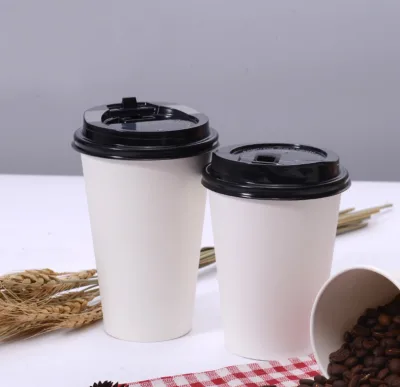


Hot Selling Disposable Biodegradable Hot Single Double Wall Coffee Paper Cups
$0.02 - $0.02
MOQ: 100000 Pieces


Comprehensive Sourcing Guide
Eco-Friendly Biodegradable Disposable Coffee Cups Sourcing Guide
Sourcing eco-friendly biodegradable disposable coffee cups requires a careful balance between environmental claims, functional performance, and commercial viability. Buyers must navigate a market where "biodegradable" and "eco-friendly" are often used interchangeably but may refer to distinct material properties or end-of-life pathways. The core challenge lies in verifying that the cups can withstand the thermal and liquid demands of hot beverages while maintaining their structural integrity and environmental credentials. This guide provides a structured approach to evaluating suppliers, understanding technical specifications, and ensuring that procurement decisions align with both operational needs and sustainability goals.
The following sections outline the critical steps for sourcing these products, from identifying relevant product scopes to establishing long-term quality controls. By focusing on verified attributes such as material composition, printing techniques, and capacity ranges, buyers can mitigate risks associated with greenwashing or product failure. This guide is designed to help procurement professionals make informed decisions based on observable listing signals and industry-standard verification practices, ensuring that the final product meets both regulatory requirements and customer expectations.
Product Scope and Observed Listing Signals
The observed product landscape for disposable coffee cups reveals a diverse range of options, primarily categorized by capacity, lid configuration, and intended usage. Listings indicate capacities ranging from small 10 oz cups to larger 16 oz variants, with some suppliers offering broader ranges such as 4oz-22oz or 500-1500ml. This variety suggests that buyers can source cups for different beverage types, from espresso-sized servings to large takeaway drinks. The presence of both "With Lid" and "Without Lid" options allows for flexibility in packaging and transportation, while the "Simple" style indicates a focus on functionality over complex design, which can be advantageous for cost-sensitive procurement.
Material composition is a key differentiator, with paper being the primary substrate observed in listings. The use of paper aligns with the "Eco-Friendly" attribute frequently cited by suppliers, suggesting a move away from traditional plastic-lined cups. However, the term "biodegradable" requires further verification, as not all paper cups are equally sustainable depending on their lining materials. Listings also highlight customization options, including custom prints and logos, which are essential for brand visibility. The availability of free samples and OEM/ODM acceptance indicates that suppliers are willing to engage in collaborative development, allowing buyers to test product quality before committing to large orders.
Technical Specifications to Verify
Technical verification begins with confirming the cup's ability to handle hot liquids, a critical requirement for coffee cups. Buyers should verify the presence of a food-grade lining, often PLA (polylactic acid) or PE (polyethylene), which provides barrier properties against heat and moisture. While listings mention "Paper" as the material, the specific lining type determines the cup's compostability and heat resistance. Additionally, the printing technique, whether flexographic or offset, impacts the durability of the design and the potential for ink migration. Flexographic printing is noted as a common technique, which is generally suitable for large runs and vibrant colors, but buyers should ensure that the inks used are non-toxic and compliant with food safety standards.
Capacity and structural integrity are also vital technical aspects. Listings show capacities from 10 oz to 16 oz, with some suppliers offering models like J-75 or JS001, which may correspond to specific industry standards or internal product codes. Buyers should verify that the cups can maintain their shape under hot conditions without leaking or becoming soggy. The inclusion of lids, where required, should be checked for compatibility and seal quality. Furthermore, the "Industrial Use" categories listed, such as beverage, coffee, water, ice cream, and yogurt, suggest versatility, but buyers should confirm that the specific cup model is optimized for hot coffee service, as some designs may be better suited for cold beverages or semi-solid foods.
Compliance and Safety Documentation
Compliance with food safety regulations is non-negotiable for disposable cup procurement. Buyers must request documentation proving that the cups meet relevant food contact material standards, such as FDA or EU regulations, depending on the target market. While listings mention "Eco-Friendly" and "Biodegradable" attributes, these claims must be backed by credible certifications. For instance, FSC (Forest Stewardship Council) certification ensures that the paper source is responsibly managed, while compostability standards like ASTM D6400 or EN 13432 verify that the cups can break down in industrial composting facilities. Buyers should not rely solely on supplier assertions but should ask for third-party test reports to validate these claims.
Safety documentation also includes information on the materials used in the lining and printing inks. Buyers should verify that the cups are free from harmful substances like BPA or heavy metals. The "Customized" standard mentioned in listings suggests that suppliers may offer tailored solutions, but this customization must not compromise safety. Additionally, buyers should check for any specific warnings or usage instructions provided by the supplier, such as maximum temperature limits or microwave safety, although most disposable cups are not microwave-safe. Ensuring that all documentation is up-to-date and verifiable is crucial for maintaining brand reputation and avoiding regulatory penalties.
Cost Drivers and Commercial Terms
Cost drivers for eco-friendly disposable coffee cups include material quality, customization complexity, and order volume. Listings indicate a wide price range, from $0.01 to $980, which likely reflects differences in product type, quantity, and packaging. The MOQ (Minimum Order Quantity) ranges from 5 to 100,000 pieces, with specific listings showing MOQs of 10,000 or 30,000 pieces. Higher customization, such as complex printing designs or unique shapes, can increase costs. Buyers should negotiate based on volume discounts and consider the total cost of ownership, including shipping and handling, rather than just the unit price.
Commercial terms also play a significant role in the procurement process. Listings show payment terms such as 30% T/T deposit with 70% balance before shipment, or 25% deposit with 75% balance. These terms are standard but should be reviewed to ensure they align with the buyer's cash flow preferences. Delivery times are typically 15-20 working days, which buyers should factor into their inventory planning. Additionally, the availability of free samples is a valuable benefit, allowing buyers to assess quality without significant financial commitment. Understanding these commercial terms helps in building a sustainable and cost-effective supply chain.
Supplier Qualification and Quality Control
Supplier qualification involves assessing the manufacturer's production capabilities, quality control processes, and sustainability practices. Buyers should verify the supplier's origin, with listings indicating production in Shandong, China, a major hub for paper product manufacturing. It is essential to confirm that the supplier has experience in producing eco-friendly products and can provide references or case studies. Quality control measures should include regular inspections of raw materials, production lines, and finished products. Buyers should also inquire about the supplier's waste management practices and their commitment to reducing environmental impact during production.
Quality control extends to the final product, where buyers should implement incoming inspection protocols. This includes checking for defects such as leaks, misprints, or structural weaknesses. Random sampling and stress testing, such as filling cups with hot water and observing for leaks or deformation, can help ensure product reliability. Buyers should also establish clear communication channels with suppliers for addressing any quality issues promptly. Building a strong relationship with the supplier can lead to better collaboration on product improvements and more favorable terms over time.
Long-Term Procurement Checks
Long-term procurement success depends on continuous monitoring of supplier performance and market trends. Buyers should regularly review supplier metrics, such as on-time delivery rates, defect rates, and responsiveness to issues. Establishing key performance indicators (KPIs) can help track these metrics and identify areas for improvement. Additionally, buyers should stay informed about changes in sustainability regulations and consumer preferences, which may impact the demand for specific types of eco-friendly cups. Adapting to these changes ensures that the procurement strategy remains relevant and competitive.
Sustainability is a dynamic field, and buyers should periodically reassess their suppliers' environmental claims. This may involve requesting updated certifications or conducting independent audits. Engaging with suppliers on innovation, such as exploring new biodegradable materials or more efficient production methods, can drive long-term value. By maintaining a proactive approach to supplier management and sustainability, buyers can ensure that their procurement of eco-friendly disposable coffee cups aligns with both business objectives and environmental responsibilities.
FAQs
Can I get custom printed logos on these paper cups?
Yes, customized logos are acceptable for these paper cups. The product supports custom printing and flexographic or offset printing techniques to meet your branding needs.
What is the minimum order quantity for these cups?
The minimum order quantity varies by supplier, ranging from 10,000 to 50,000 pieces. Some listings specify 30,000 pieces as a standard threshold for bulk orders.
How long does delivery take for these disposable cups?
Delivery typically takes 15 to 20 working days after deposit payment. This lead time applies to standard orders shipped from factories in Shandong, China.
What capacity options are available for these paper cups?
Available capacities range from 10 oz to 16 oz, with some models covering 2.5 oz to 22 oz. Specific models like JS001 and HKL-PC offer various size options.
Are these cups suitable for hot and cold beverages?
Yes, these cups are designed for hot cups, cold cups, tea, and drinking applications. They are also suitable for ice cream, yogurt, and jelly packaging.
What payment terms are required for these products?
Payment terms generally require a 30% T/T deposit with a 70% balance before shipment. Some suppliers may request a 25% deposit with a 75% balance prior to shipping.