Source Eco-Friendly Black Knitted Playsuit for gym, travel, and daily wear
Find 30 verified listings for the Eco-Friendly Black Knitted Playsuit suitable for athletic activities, casual outings, and travel. Buyers can compare specifications like material composition, size options, and customization features from multiple suppliers.
Key considerations
Products List
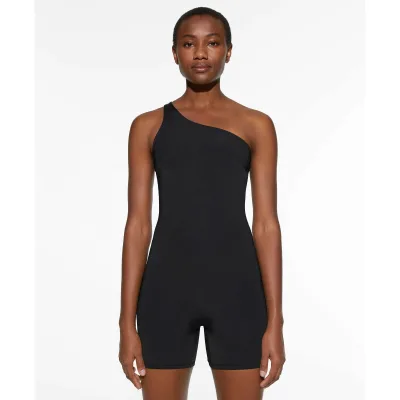

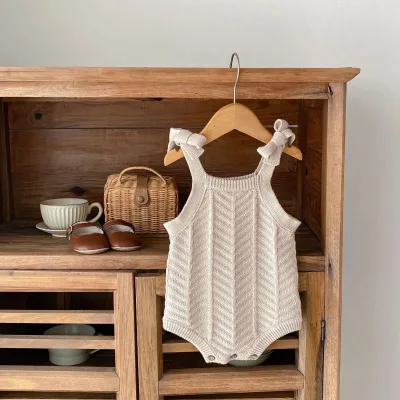
Bamboo Playsuit with Foot Romper Soft Knitted Children Coverall Jumpsuit
$5.50 - $6.32
MOQ: 100 Pieces



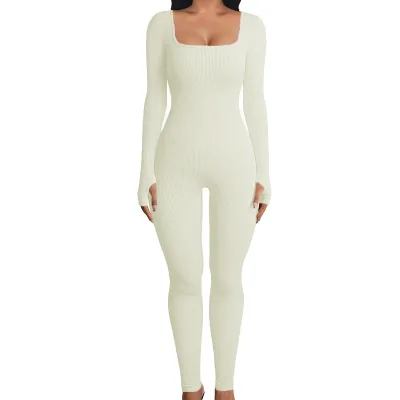


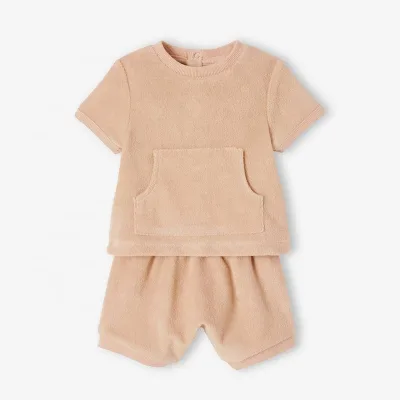
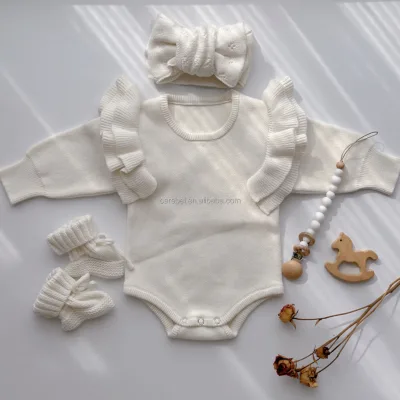
Baby Sports Spring and Autumn Long Sleeve Pocket Top and Short Bottom Set Suit
$6.23 - $6.43
MOQ: 100 pieces
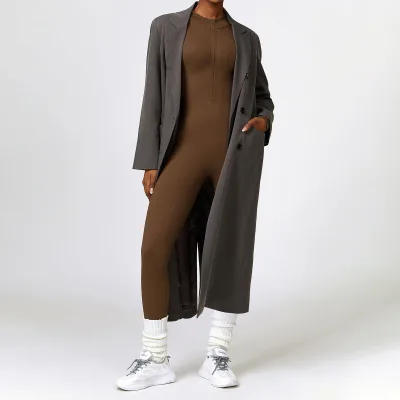

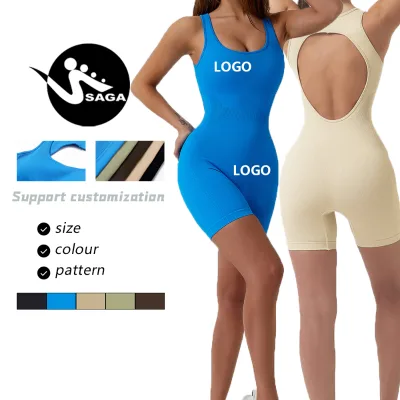
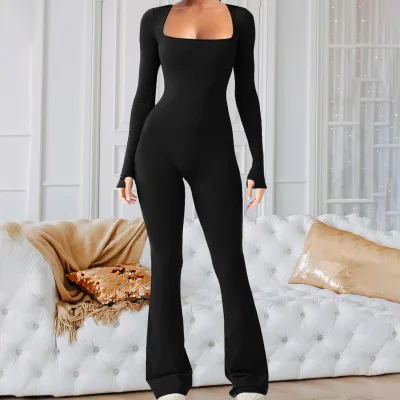

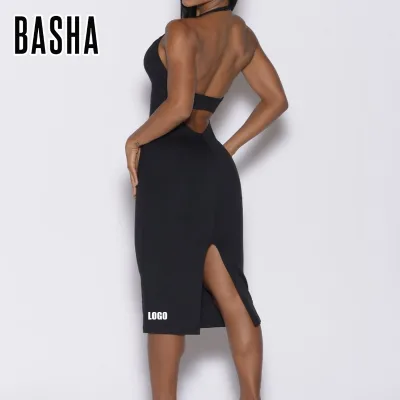
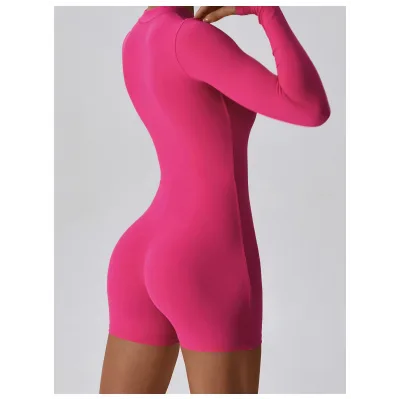
Long Sleeve Yoga Wear Women Playsuit Nude Quick Dry Romper Yoga Jumpsuit
$7.20 - $8.99
MOQ: 200 Pieces


Comprehensive Sourcing Guide
Eco-Friendly Black Knitted Playsuit Sourcing Guide
Sourcing eco-friendly black knitted playsuits requires a disciplined approach to balancing aesthetic consistency with sustainable material claims. The term "playsuit" often overlaps with bodysuits, rompers, and one-piece garments, creating ambiguity in supplier catalogs. Buyers must first clarify whether the target product is a casual summer romper, a athletic-style bodysuit, or a formal one-piece dress. The visual cue of a black, knitted fabric suggests a focus on stretch, comfort, and durability, which aligns with modern activewear or loungewear trends. However, the "eco-friendly" designation is not a standardized technical specification but a marketing claim that requires rigorous verification. Without third-party audit trails, this label can range from using recycled polyester blends to claiming full biodegradability, a distinction that significantly impacts cost and supply chain complexity.
The procurement strategy must account for the high variability in product definitions found in global marketplaces. Observed listings frequently mix attributes such as "sleeveless," "long sleeve," "zipper," and "buttons" under the same keyword, indicating that suppliers often use generic templates for diverse SKUs. A buyer seeking a specific eco-friendly black knitted playsuit must define the exact silhouette, closure type, and fabric weight before engaging with suppliers. This precision prevents miscommunication during the sampling phase and ensures that the final product matches the brand’s quality standards. Furthermore, the "black" colorway in knitted fabrics can vary in undertone, from true black to charcoal or navy-black, requiring physical sample approval to maintain brand consistency across batches.
Product Scope and Observed Listing Signals
Market analysis reveals a wide spectrum of product attributes associated with this keyword, highlighting the need for careful filtering. Observed listings include items described as "shorts," "above knee," and "sleeveless," alongside others labeled as "long sleeve" and "zipper" closures. This inconsistency suggests that many suppliers offer customizable OEM services where the base template is modified to meet specific buyer requests. For instance, some listings indicate a "one shoulder bodysuit" style, while others describe a "round neck" or "O-neck" design. Buyers should interpret these varied signals as evidence of flexible manufacturing capabilities rather than a single standardized product. The presence of "solid" pattern types and "black" or "white" color options further confirms that customization is a core service offering for these suppliers.
The material composition observed in listings provides critical insights into the "eco-friendly" claim. Commonly cited materials include "Spandex / Nylon" blends, which offer high elasticity and quick-dry properties but are not inherently sustainable unless derived from recycled sources. Some listings mention "knitted" technics and "automated cutting," which can reduce fabric waste during production, a positive indicator for eco-conscious sourcing. However, the absence of specific recycled content percentages (e.g., "100% Recycled Nylon") in many descriptions means buyers cannot assume sustainability without direct verification. The "available quantity" of 340,000 units in some listings suggests large-scale production capacity, but this does not guarantee that the entire inventory is produced using eco-friendly methods. Buyers must distinguish between general manufacturing capacity and specific sustainable production lines.
Technical Specifications to Verify
Fabric composition is the most critical technical specification to verify for eco-friendly claims. Buyers should request detailed material breakdowns, including the percentage of recycled fibers, organic cotton, or other sustainable alternatives. If the product is described as "Spandex / Nylon," ask whether the nylon is recycled (rNylon) or virgin. Additionally, verify the knit structure, such as single jersey or rib knit, as this affects the garment’s drape, stretch recovery, and durability. The "knitted" technic mentioned in some listings is a broad category; specifying the gauge and stitch type ensures the fabric meets the desired weight and texture. For black garments, inquire about the dyeing process, as eco-friendly sourcing often involves low-impact dyes or waterless dyeing technologies to reduce environmental impact.
Closure and construction details also require precise verification. Listings show variations in closures, including "zipper," "buttons," and "no closure" styles. For a playsuit or bodysuit, the closure mechanism impacts both functionality and sustainability. Metal zippers may have a higher environmental footprint than plastic or fabric-covered alternatives, while buttons made from recycled materials can enhance the eco-profile. Verify the type of thread used for stitching, as conventional polyester thread can compromise the recyclability of the garment. Additionally, check for features like "anti-static," "waterproof," or "anti-bacterial" treatments, which may involve chemical finishes that conflict with eco-friendly goals. Ensure that any functional additives are non-toxic and compliant with relevant safety standards.
Compliance and Safety Documentation
Sustainability claims must be backed by credible certifications to avoid greenwashing. While some listings mention standards like "CE, RoHS, SGS, GMP," these are typically associated with electronics or industrial products, not apparel. For clothing, buyers should look for recognized textile certifications such as GOTS (Global Organic Textile Standard), GRS (Global Recycled Standard), or OEKO-TEX Standard 100. These certifications verify the organic or recycled content of the fabric and ensure that harmful substances are absent from the final product. Do not rely on generic "eco-friendly" labels without requesting valid certificate numbers and audit reports from accredited bodies. Verify that the certifications cover the entire supply chain, from raw material sourcing to final manufacturing.
Safety and labor compliance are equally important for ethical sourcing. Request documentation that proves adherence to labor laws, including fair wages, safe working conditions, and no child labor. While not explicitly mentioned in the provided facts, these are standard expectations for reputable B2B procurement. Ask for social compliance audit reports, such as SMETA or BSCI, which assess factory practices. Additionally, verify that the product meets the safety standards of the target market, such as CPSIA for children’s clothing in the US or REACH in the EU. Even if the product is labeled for "adults," ensure that any chemical finishes or dyes comply with local regulations. Clear documentation reduces legal risks and enhances brand reputation.
Cost Drivers and Commercial Terms
Pricing for eco-friendly knitted playsuits is influenced by material costs, production complexity, and order volume. Observed price ranges vary significantly, from $2 to $14.37 USD, reflecting differences in fabric quality, certification status, and customization levels. Recycled materials and sustainable dyes typically command a premium over conventional alternatives. Buyers should expect higher unit costs for products with verified eco-certifications and complex construction features, such as integrated zippers or specialized knits. However, larger order volumes can mitigate these costs through economies of scale. The observed MOQ range of 1-1500 units indicates flexibility, but lower MOQs may incur higher per-unit prices due to setup costs for automated cutting and knitting processes.
Commercial terms, including lead times and payment conditions, also impact the total cost of ownership. Sample lead times of 3-7 days are common, allowing for rapid iteration during the design phase. However, bulk production lead times can extend significantly, especially for customized orders with specific eco-materials. Verify the supplier’s capacity to meet deadlines without compromising quality. Payment terms should be negotiated to balance risk, with options like partial upfront payment and balance upon shipment. Additionally, consider the cost of shipping and import duties, which can vary based on the supplier’s location, such as Fujian or Shanghai in China. Transparent communication about all cost components ensures accurate budgeting and prevents unexpected expenses.
Supplier Qualification and Quality Control
Supplier qualification begins with verifying their manufacturing capabilities and quality control systems. Look for suppliers with "OEM/ODM" branding, indicating experience in custom production. Request evidence of their automated cutting and knitting equipment, which can improve consistency and reduce waste. Ask for references from previous clients, particularly those in the sustainable apparel sector. Conduct a virtual or on-site factory audit to assess working conditions, environmental management practices, and quality control procedures. Suppliers with robust QC systems will have clear processes for inspecting fabric, stitching, and final garments, ensuring that defects are minimized before shipment.
Quality control should also include pre-production and pre-shipment inspections. For eco-friendly products, verify that the materials used match the certified specifications. Request lab test reports for fabric composition, colorfastness, and chemical safety. Establish clear acceptance criteria for defects, such as stitching errors, color variations, or sizing inaccuracies. Implement a sampling process where multiple samples are produced and evaluated before bulk production begins. This step allows for adjustments in fit, fabric, or construction before committing to large orders. Regular communication with the supplier during production ensures that any issues are addressed promptly, maintaining quality and timeline integrity.
Long-Term Procurement Checks
Sustainable sourcing is an ongoing process that requires continuous monitoring and improvement. Establish a supplier scorecard to track performance metrics such as quality, delivery time, and compliance with eco-standards. Review these metrics regularly to identify areas for improvement and reward high-performing suppliers. Stay updated on evolving sustainability standards and certifications, as the landscape is constantly changing. Engage with suppliers to explore new eco-friendly materials and technologies, such as biodegradable fibers or zero-waste production methods. Building a long-term partnership based on transparency and shared sustainability goals can lead to innovative solutions and cost savings over time.
Risk management is crucial for long-term procurement success. Diversify your supplier base to mitigate risks associated with single-source dependencies, especially for specialized eco-materials. Monitor geopolitical and economic factors that may impact supply chain stability, such as trade tariffs or raw material shortages. Develop contingency plans for potential disruptions, including alternative suppliers or inventory buffers. Regularly audit your supply chain for ethical and environmental compliance, ensuring that all partners adhere to your brand’s values. By proactively managing these risks, you can maintain a resilient and sustainable supply chain that supports your brand’s growth and reputation.
FAQs
What material is used for the Eco-Friendly Black Knitted Playsuit?
The product is constructed from a blend of Spandex and Nylon to ensure durability and comfort. This fabric choice supports the breathable and quick-dry features required for active wear while maintaining the knitted structure.
Can I customize the branding on this black knitted playsuit?
Yes, customization is available for this product line to meet specific brand requirements. Buyers can request custom labels and utilize the OEM service to apply their own designs or logos to the apparel.
How long does it take to receive a sample order?
A sample order lead time of 7 days is supported for this specific item. Additionally, the general sample time range is listed as 3 to 7 days depending on the specific configuration and production schedule.
Which sizes are available for the black knitted playsuit?
The product is offered in standard sizes including Small, Medium, and Large. These sizes are designed to fit the target demographic while accommodating the specific cut and stretch properties of the fabric.
What features does the Eco-Friendly Black Knitted Playsuit offer?
This item includes multiple functional features such as being breathable, anti-UV, and water-resistant. It also boasts properties like sweat-wicking, four-way stretch, and lightweight construction for active use.
Where is the manufacturing location for this product?
The place of origin is listed as Fujian, China for the primary product listing. Some related infant apparel items in the same catalog may originate from Shanghai, China, indicating multiple production sites.
What is the minimum order quantity for this playsuit?
The observed minimum order quantity ranges from 1 to 1500 units depending on the specific supplier configuration. Buyers should verify the exact MOQ with the vendor as it varies across different product listings.
How is the product packaged for shipment?
The single package size is 32 by 25 by 3 cm with a gross weight of 0.360 kg. Packaging options include polybags for individual items or cartons for bulk shipments depending on the order volume.