Source Eco Friendly Bird Training Stand for Parrots, Pigeons, and General Birds
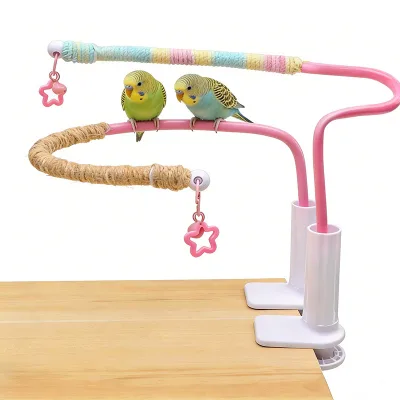
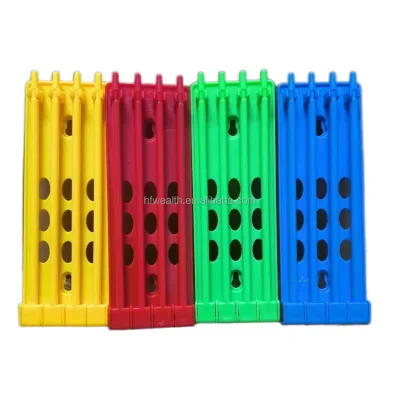
Find and compare 30 Eco Friendly Bird Training Stand options from China. Evaluate features like rotating interactive designs, durable materials, and mixed color styles for parrots and pigeons. Review specifications including model numbers L1359, L827, and L1197 to select the best fit for your sourcing needs.
Key considerations
Products List






Comprehensive Sourcing Guide
Eco Friendly Bird Training Stand Sourcing Guide
Sourcing equipment for avian care requires a careful balance between functional durability and material safety, particularly when the goal is to facilitate training or enrichment for birds such as parrots and pigeons. The market for these specialized items is diverse, ranging from simple wooden perches to complex interactive structures designed to stimulate natural behaviors. Buyers must navigate a landscape where "eco-friendly" claims are often used loosely, necessitating a rigorous approach to verifying material composition and manufacturing processes. This guide provides a structured framework for evaluating suppliers and products in this niche, ensuring that procurement decisions are grounded in observable product attributes and established industry practices rather than marketing rhetoric.
The following sections detail the critical aspects of sourcing bird training stands and related accessories, focusing on technical verification, compliance, and commercial due diligence. By adhering to the evidence-based observations provided in current market listings, buyers can mitigate risks associated with product failure, safety hazards, and supply chain inconsistencies. The guidance herein is designed to help procurement professionals identify reliable partners and select products that meet the specific needs of avian health and behavioral enrichment, while maintaining strict adherence to factual data regarding materials, origins, and specifications.
Product Scope and Observed Listing Signals
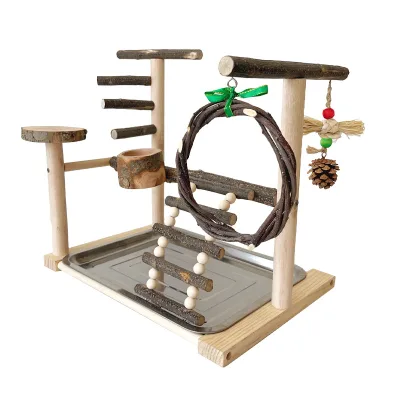
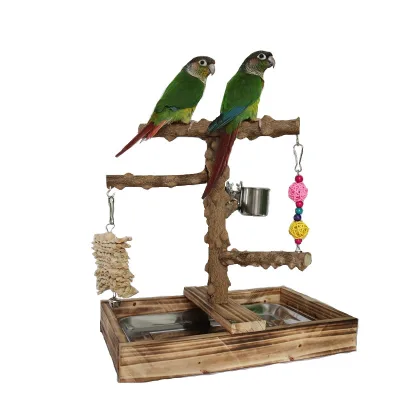
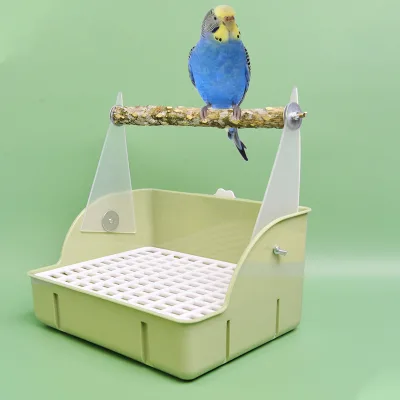
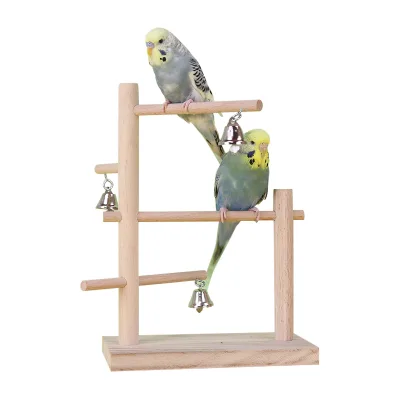
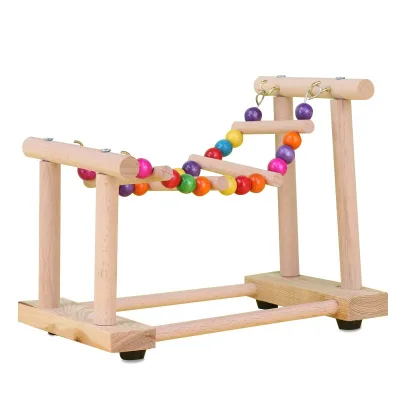
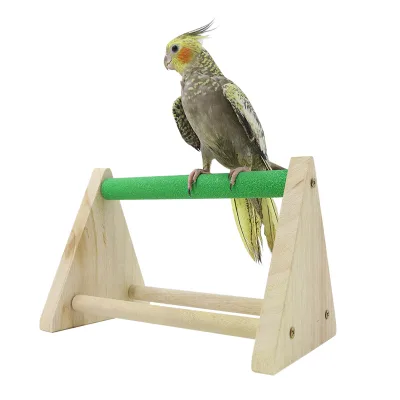
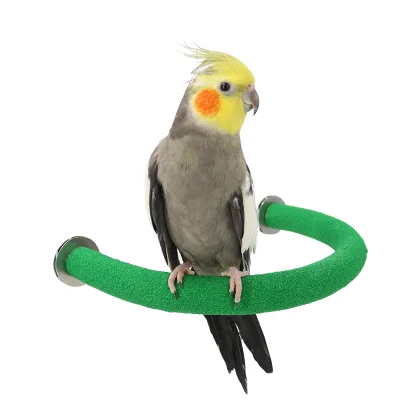
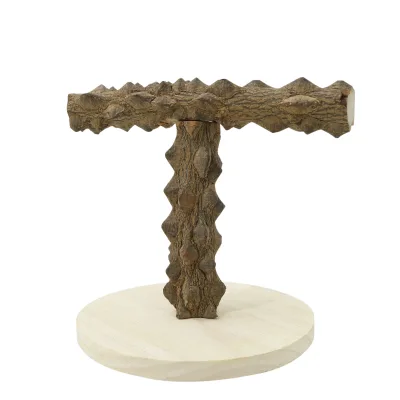
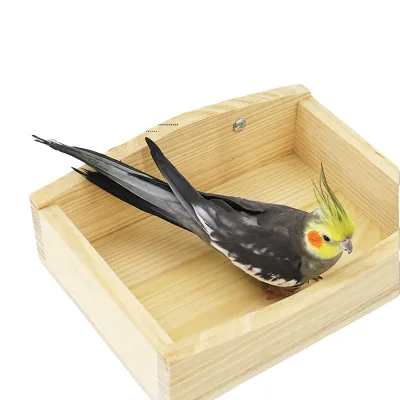
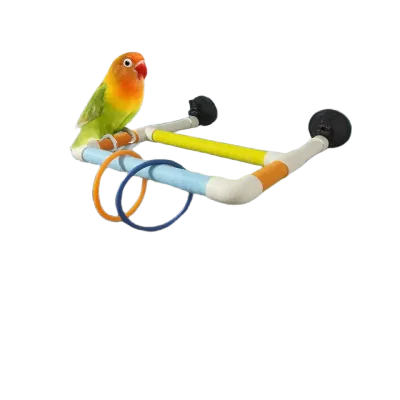
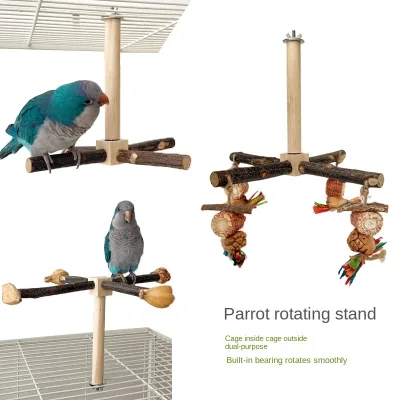
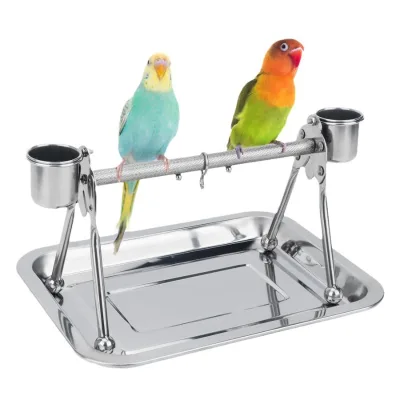
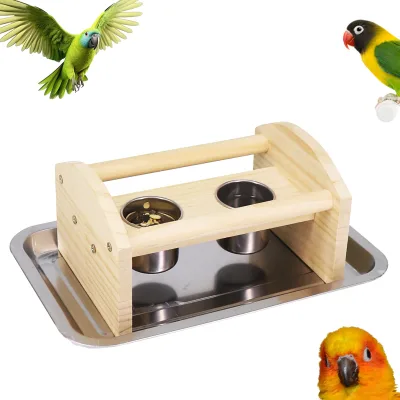
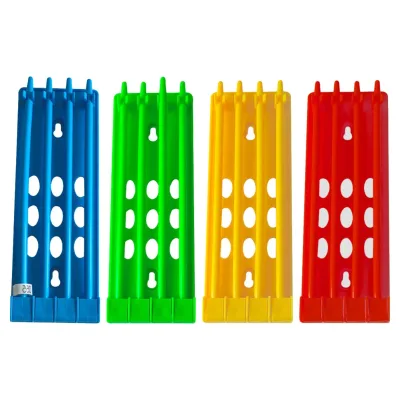
The current market for bird training and enrichment equipment includes a variety of product types, primarily categorized as bird toys, feeders, and stands. Observed listings indicate a strong presence of wooden structures, such as desktop stands with multiple columns and trays, which are often marketed for pigeons and parrots. These items frequently feature mixed colors and are described as durable and reusable, suggesting a focus on long-term utility rather than disposable use. Additionally, there are plastic-based options, including spiral-shaped training aids and rotating windmill-style toys, which offer interactive elements designed to engage birds physically and mentally. The diversity in materials, from natural wood to treated plastics, highlights the need for buyers to clearly define their material preferences based on the specific species of bird and the intended training activity.
Geographic origins play a significant role in the sourcing strategy, with products predominantly originating from China, including specific provinces such as Zhejiang and Guangdong. This concentration suggests a mature supply chain for avian accessories, though it also requires buyers to be vigilant about quality consistency across different manufacturers. The observed product attributes reveal a range of sizes and packaging formats, from small, single-item packages to larger, bulkier units like spiral training stands that require careful logistics planning. Buyers should note that while some products are described as "eco-friendly" or made from natural wood, others are plastic-based and may not align with strict sustainability goals. Therefore, the initial scope definition must clearly distinguish between natural material products and synthetic alternatives to ensure alignment with brand values and customer expectations.
Technical Specifications to Verify
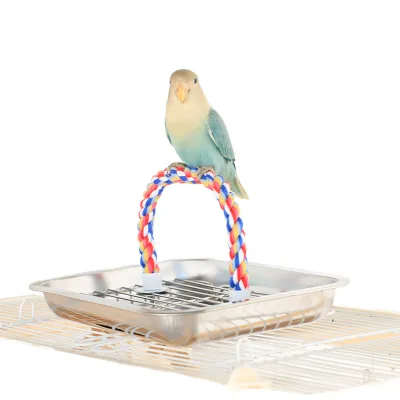
When evaluating bird training stands and related accessories, the material composition is the most critical technical specification to verify. Listings indicate the use of wood, plastic, and stainless steel components, each with distinct implications for durability and safety. For wooden products, buyers must confirm the type of wood and the absence of harmful coatings or treatments, as some listings specify "not coated" surfaces, which is a positive indicator for eco-friendly claims. In contrast, plastic items, such as spiral training aids, require verification of the plastic grade to ensure it is non-toxic and resistant to chewing damage. The presence of mixed materials, such as wooden bowls paired with stainless steel cups, necessitates a thorough review of how these components are joined to prevent choking hazards or structural failure during use.
Physical dimensions and packaging details are equally important for logistical planning and product functionality. Observed specifications include a wide range of sizes, from compact desktop stands measuring approximately 20x10x26 cm to larger training structures with single package sizes exceeding 80 cm in length. Buyers must carefully review these dimensions to ensure the product fits the intended retail or usage environment. Additionally, the gross weight of items varies significantly, with some small accessories weighing under 0.3 kg and larger stands exceeding 25 kg. This variance impacts shipping costs and handling requirements, making it essential to verify the single gross weight and package dimensions for each SKU. Furthermore, features such as rotating mechanisms or spiral designs should be tested for smooth operation and stability, as these interactive elements are central to the product's value proposition for bird training.
Compliance and Safety Documentation
Safety is paramount when sourcing products for live animals, and buyers must insist on comprehensive safety documentation from suppliers. While specific certification statuses are not universally listed in observed data, buyers should request evidence that products comply with relevant animal welfare standards and material safety regulations. For wooden products, this includes verification that the wood is free from mold, pests, and toxic preservatives. For plastic items, buyers should seek confirmation that the materials are food-grade or pet-safe, ensuring that no harmful chemicals leach out during chewing or exposure to sunlight. The absence of coatings on some wooden items is a favorable attribute, but buyers must still verify that any natural finishes used are non-toxic and safe for avian consumption.
Documentation should also cover the structural integrity of the products, particularly for stands and interactive toys that bear weight or undergo mechanical stress. Buyers should request test reports or quality control records that demonstrate the product's ability to withstand typical use by birds, including pecking, climbing, and perching. For products with moving parts, such as rotating windmills, documentation should confirm that there are no small, detachable components that could pose a choking hazard. Additionally, buyers should verify that the packaging materials are appropriate for protecting the product during transit without introducing contaminants. Clear labeling and instruction manuals in English are also essential to ensure that end-users can assemble and use the products safely, reducing the risk of injury to the birds.
Cost Drivers and Commercial Terms
The cost of bird training stands and accessories is influenced by several factors, including material selection, manufacturing complexity, and packaging requirements. Wooden products with intricate designs, such as multi-column desktop stands, may incur higher production costs due to the labor involved in cutting and assembling the components. Similarly, plastic items with rotating mechanisms or spiral shapes require more complex molding processes, which can impact the unit price. Buyers should also consider the impact of packaging on cost, as larger or heavier items, such as the 25 kg spiral training stand, will have higher shipping and handling expenses. Understanding these cost drivers allows buyers to negotiate more effectively and anticipate total landed costs accurately.
Commercial terms, including minimum order quantities (MOQ) and payment conditions, vary across suppliers and product types. Observed MOQs range from as low as one unit to 1000 units, providing flexibility for both small-scale retailers and large distributors. Buyers should align their order quantities with their sales forecasts to avoid excess inventory, especially for seasonal or niche products. Payment terms should be negotiated to balance risk and cash flow, with options such as partial upfront payments and balance upon shipment being common in the industry. Additionally, buyers should clarify lead times and production schedules to ensure timely delivery, particularly for custom or high-volume orders. Clear communication regarding these commercial terms helps prevent misunderstandings and ensures a smooth procurement process.
Supplier Qualification and Quality Control
Selecting a reliable supplier is crucial for maintaining product quality and consistency in the bird training equipment market. Buyers should conduct thorough due diligence on potential suppliers, verifying their business licenses, manufacturing capabilities, and quality management systems. Suppliers located in established manufacturing hubs like Zhejiang and Guangdong may have access to better resources and expertise, but buyers must still assess their specific track record in producing avian accessories. Requesting samples is a critical step in this process, allowing buyers to physically inspect the product for material quality, finish, and structural integrity. Samples also provide an opportunity to test the product's functionality, such as the smoothness of rotating parts or the stability of wooden stands.
Quality control measures should be integrated into the procurement process to minimize the risk of defects. Buyers should establish clear quality standards and inspection criteria, covering aspects such as material safety, dimensional accuracy, and packaging integrity. Regular audits or third-party inspections may be necessary for high-volume orders to ensure that production batches meet the agreed-upon specifications. Communication with suppliers should be open and frequent, addressing any issues promptly and collaboratively. Building a strong relationship with suppliers based on mutual trust and clear expectations can lead to better product quality and more favorable commercial terms over time. Buyers should also consider the supplier's responsiveness and willingness to accommodate custom requests, as this can be a valuable indicator of their commitment to customer satisfaction.
Long-Term Procurement Checks
Sourcing bird training stands and accessories is an ongoing process that requires continuous monitoring and evaluation. Buyers should regularly review product performance and customer feedback to identify any recurring issues or areas for improvement. This includes tracking return rates, customer complaints, and product durability over time. If a particular product or supplier consistently fails to meet expectations, buyers should be prepared to switch to alternative sources. Additionally, staying informed about industry trends and new product developments can help buyers remain competitive and offer innovative solutions to their customers. This proactive approach ensures that the procurement strategy evolves in response to market changes and customer needs.
Long-term success also depends on maintaining strong supplier relationships and fostering collaboration. Buyers should engage in regular business reviews with key suppliers to discuss performance, address challenges, and explore opportunities for improvement. This can include joint initiatives to enhance product quality, reduce costs, or develop new items. By investing in these relationships, buyers can secure a reliable supply chain and gain access to valuable insights and innovations from their suppliers. Furthermore, buyers should remain vigilant about regulatory changes and market dynamics that could impact sourcing decisions, ensuring that their procurement practices remain compliant and effective in the long run.
FAQs
What materials are used for eco friendly bird training stands?
The available stands are constructed from wood or plastic materials. Some models feature natural wood color while others use stainless steel cups. These materials ensure durability and safety for parrots and pigeons during training sessions.
Which bird species can use these training stands?
These stands are designed for pigeons, parrots, and various other bird species. The product attributes explicitly list parrots and birds as applicable pets. They serve as interactive tools for bird training and general play activities.
Can I find stands with specific size specifications?
Yes, stands come in various sizes including M size and specific dimensions like 20 by 10 by 26 cm. Some units have a single package size of 84 by 64 by 64 cm. Buyers can select based on the required space and bird size.
How are these bird stands packaged for shipping?
Products are packed in paper boxes or single packages with defined dimensions. Some items have a single gross weight of 0.250 kg while others weigh up to 25.000 kg. Packaging ensures safe transport for all seasonal use.
What features do these bird training stands offer?
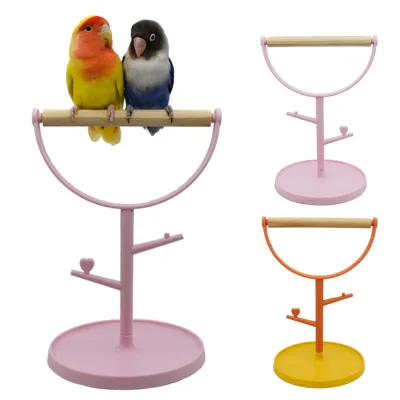
Stands offer features like rotating, interactive designs, and eco-friendly construction. Some models include mixed colors or specific patterns like bird cages. They are reusable and durable for long-term use in all seasons.
Where are these bird stands manufactured?
Manufacturing locations include China, specifically Zhejiang and Guangdong provinces. These regions supply the wooden and plastic bird toys and feeders. Origin details are verified for each specific model number listed.
Are there different color options available for buyers?
Buyers can choose from mixed colors, natural wood color, or specific options like yellow, pink, and green. Some models offer extra-large white or green variants. Color choices depend on the specific model number selected.