Source Eco-Friendly Birch Wood Bamboo Toothpick for Barbecue, Restaurant, Home
Find 30 listings for eco-friendly birch wood bamboo toothpick options suitable for barbecue, restaurant, and home use. Compare specifications like 1.6mm to 2.0mm diameter, 65mm length, and food-grade certifications from Chinese manufacturers offering custom logo and packaging; compare the available evidence and request quotations based on your requirements.
Updated
Key considerations
Products List


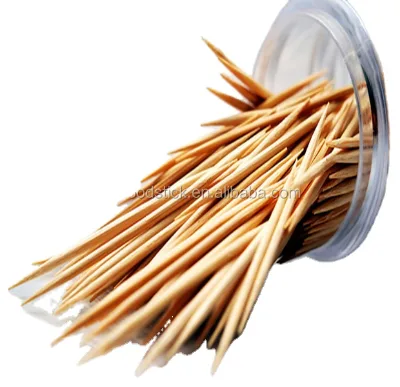
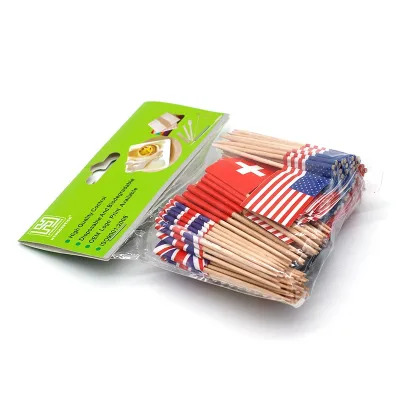
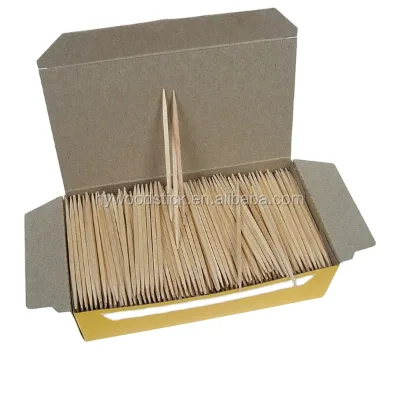
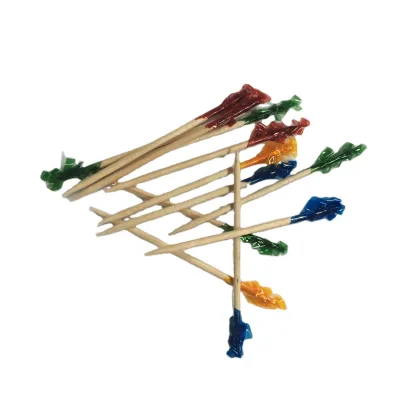
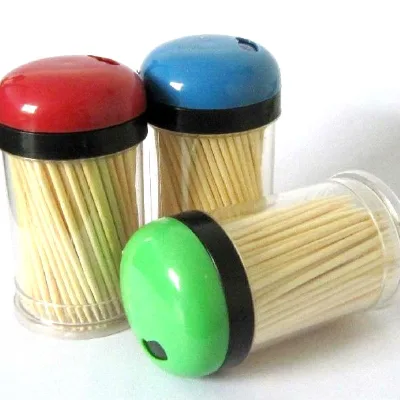
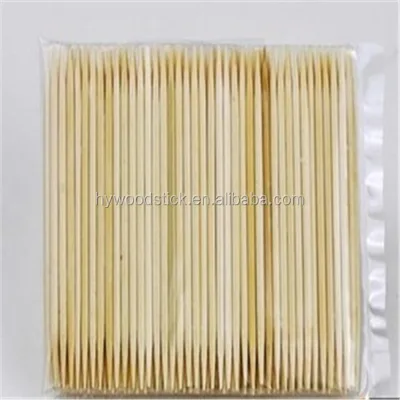
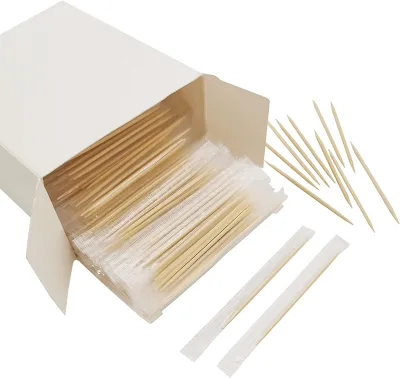
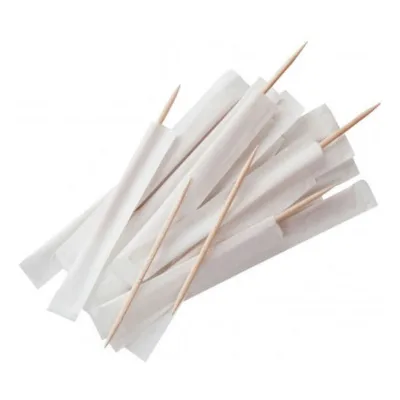
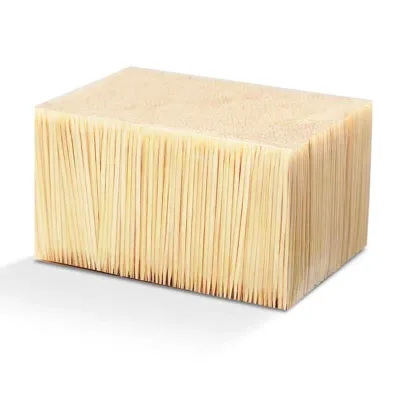
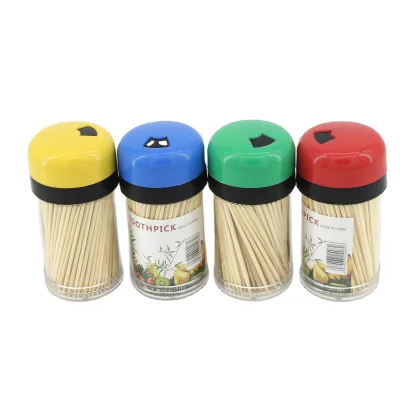
Toothpick Toothpick Personalized Disposable Bulk Packing Birch Wooden Toothpick
$0.0829 - $0.1557
MOQ: 10 bags

Comprehensive Sourcing Guide
Eco-Friendly Birch Wood Bamboo Toothpick Sourcing Guide
Procuring eco-friendly birch wood bamboo toothpicks requires a nuanced understanding of material distinctions and supply chain realities. While the core keyword suggests birch wood, the observed product data consistently identifies the material as bamboo, specifically noting 100% bamboo composition. Buyers must verify whether the supplier offers true birch alternatives or if the listing conflates the two sustainable hardwoods. This distinction is critical for branding accuracy and regulatory compliance, as bamboo and birch have different growth cycles and carbon footprints. Understanding this material reality prevents mislabeling issues in international markets where "bamboo" is the dominant eco-friendly narrative.
The application scope for these toothpicks is broad, covering barbecue, restaurant, party, and home use scenarios. The observed listings highlight features such as being eco-friendly, biodegradable, and disposable, which align with global sustainability trends. However, buyers should note that while the material is natural, the processing involves sterilization and packaging that impact the final environmental claim. Sourcing guides must emphasize that "eco-friendly" is a marketing attribute that requires verification through specific certifications. Procurement teams should evaluate whether the supplier’s definition of sustainability includes responsible forestry practices and end-of-life biodegradability, ensuring the product meets the specific corporate social responsibility goals of the buying organization.
Product Scope and Observed Listing Signals
The product scope encompasses various forms of disposable tableware, including standard toothpicks, single-wrapped toothpicks, and bulk bamboo toothpicks. Observed models range from YQ-4 to BP-301, indicating a diverse inventory of manufacturing capabilities. The color options are primarily natural or nature-toned, reflecting the untreated or minimally processed state of the bamboo. This natural aesthetic is a key selling point for eco-conscious consumers who prefer products without artificial dyes or bleaches. Buyers should assess whether the natural color meets their brand’s visual identity requirements or if they need specific finishing treatments for premium positioning.
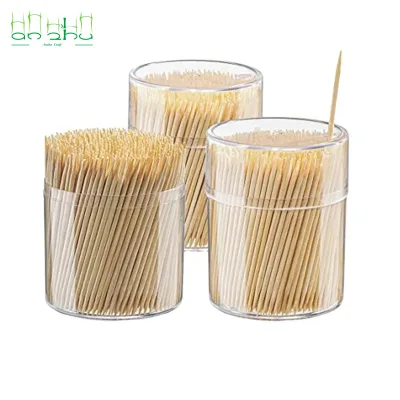
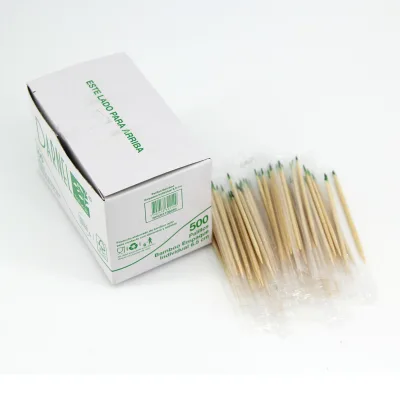
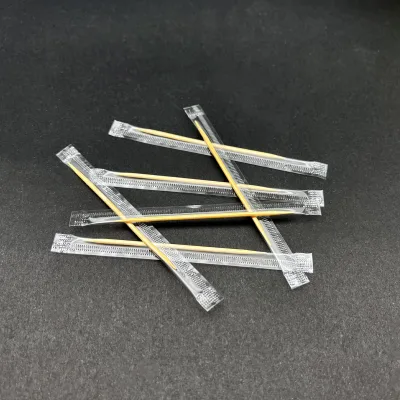
Customization is a significant signal in the current market, with suppliers offering custom logo, label design, and OEM services. The packaging options are equally varied, including bulk, bottles, boxes, OPP bags, and paper-wrapped formats. This flexibility allows buyers to tailor the product to different distribution channels, from high-end restaurants to mass-market retail. However, the availability of customization often ties into minimum order quantities, which can range from one pack to substantial bulk orders. Procurement teams must balance the desire for branded packaging with the economic feasibility of meeting MOQ thresholds, ensuring that the customization adds value without inflating unit costs disproportionately.
Technical Specifications to Verify
Technical verification begins with dimensional accuracy, as observed specifications list diameters of 1.3mm, 1.6mm, 1.7mm, 1.8mm, and 2.0mm, with lengths of 63mm and 65mm. These variations cater to different user preferences and functional requirements, such as stability for larger food items or ease of use for delicate appetizers. Buyers must confirm that the supplier can consistently maintain these tolerances, as deviations can affect product performance and customer satisfaction. The standard sizes of 1.6/1.7/1.8/2.0mm by 65mm appear frequently, suggesting industry norms that buyers should align with unless they have specific custom size requirements.
Moisture content is a critical technical parameter, with observed data indicating levels under 10%. This low moisture level is essential for preventing mold growth during storage and ensuring the structural integrity of the toothpicks. Buyers should request recent test reports to verify that the moisture content remains stable throughout the supply chain, especially in humid climates. Additionally, the sharp point configuration, whether single or double, impacts usability and safety. Procurement teams should specify the preferred point type to avoid receiving products that do not match the intended application, ensuring that the final product meets both functional and safety expectations.
Compliance and Safety Documentation
Compliance documentation is paramount for food-grade products, with observed certifications including SGS, CIQ, Phyto, Fumigation, and Health Certificates. These documents verify that the bamboo toothpicks meet international safety and quality standards for direct food contact. Buyers must ensure that the certificates are current and cover the specific models being ordered, as certifications can be model-specific or batch-specific. The presence of these certifications indicates a supplier’s commitment to regulatory compliance, reducing the risk of customs delays or product recalls in destination markets. Procurement teams should maintain a digital archive of these documents for easy access during audits or customer inquiries.
The food-grade quality attribute observed in the listings suggests that the products are safe for consumption-related uses. However, buyers should verify that the manufacturing process adheres to Good Manufacturing Practices (GMP) and that the bamboo source is free from harmful pesticides or contaminants. The phyto and fumigation certificates are particularly important for international shipments, as they address agricultural and pest control regulations. Buyers should also inquire about the sterilization methods used, ensuring that the process does not introduce chemical residues. Clear communication with suppliers regarding these safety protocols is essential to maintain product integrity and consumer trust.
Cost Drivers and Commercial Terms
Cost drivers for eco-friendly bamboo toothpicks include raw material availability, processing complexity, and packaging choices. The observed price range of $0.01 to $1020 USD reflects the vast difference between single-unit samples and bulk industrial orders. Buyers should focus on unit economics rather than total order value, negotiating based on volume tiers and customization requirements. The MOQ varies significantly, from one pack for samples to one million units for large-scale production. Understanding these thresholds helps buyers plan their inventory and cash flow, avoiding overstocking or stockouts. Procurement teams should seek transparent pricing structures that break down costs for materials, labor, and packaging.
Commercial terms also involve sample policies and freight arrangements. Observed data indicates that free samples are often available, with freight collected by the buyer. This arrangement allows buyers to evaluate product quality before committing to large orders. However, buyers should clarify whether the sample fee is credited against future bulk orders, as this can reduce initial testing costs. Lead times and delivery schedules are critical for maintaining supply chain continuity. Buyers should negotiate clear delivery terms and penalties for delays, ensuring that the supplier can meet production deadlines. Effective negotiation of these commercial terms can significantly impact the overall profitability of the procurement project.
Supplier Qualification and Quality Control
Supplier qualification requires a thorough assessment of manufacturing capabilities and quality control systems. Buyers should verify the supplier’s production capacity, equipment modernity, and workforce expertise in bamboo processing. The observed product models suggest a diverse manufacturing base, but buyers must ensure that the specific supplier can maintain consistent quality across all models. Factory audits, either virtual or on-site, are essential to evaluate hygiene standards, storage conditions, and production workflows. Buyers should also check for any past quality issues or customer complaints to gauge the supplier’s reliability and responsiveness.
Quality control protocols should include incoming material inspections, in-process checks, and final random inspections. Buyers should define acceptable quality limits (AQL) for defects such as splintering, breakage, or inconsistent dimensions. The observed feature of being "clean and sterile" implies a rigorous cleaning process, which buyers should verify through third-party testing if necessary. Establishing a clear communication channel for quality feedback is crucial for continuous improvement. Procurement teams should document all quality expectations in the purchase contract, ensuring that both parties have a shared understanding of the required standards and remedies for non-conformance.
Long-Term Procurement Checks
Long-term procurement success depends on continuous monitoring of supplier performance and market trends. Buyers should establish key performance indicators (KPIs) for delivery reliability, product quality, and customer service. Regular performance reviews help identify potential issues early and foster a collaborative relationship with the supplier. The observed customization options suggest that suppliers are adaptable, but buyers should ensure that these capabilities remain stable over time. Tracking changes in raw material costs and regulatory requirements is also essential for anticipating price fluctuations and compliance updates.
Sustainability verification is an ongoing process, as eco-friendly claims require periodic re-validation. Buyers should request updated certifications and sustainability reports from suppliers annually to ensure continued compliance with environmental standards. The observed biodegradable and sustainable features should be backed by verifiable data, such as lifecycle assessments or third-party eco-labels. Additionally, buyers should explore opportunities for innovation, such as new packaging materials or enhanced product features, to stay competitive in the market. By maintaining a proactive approach to supplier management and sustainability, buyers can secure a reliable supply of high-quality eco-friendly bamboo toothpicks.
FAQs
What materials are used for these toothpicks?
These toothpicks are made from 100% bamboo, ensuring they are eco-friendly and biodegradable. The material is food grade and meets strict moisture requirements under 10 percent. This natural composition supports sustainable usage in restaurants, parties, and home settings without synthetic additives.
Can I get custom logo labels on the packaging?
Yes, custom logo label designs are available for these bamboo toothpicks. Suppliers offer customized OEM services allowing buyers to brand the product. This customization is suitable for bulk orders and helps businesses create unique packaging solutions for their specific market needs and branding strategies.
What are the available diameter and length specifications?
Available diameters range from 1.3mm to 2.0mm, while lengths are typically 63mm or 65mm. Specific standards include sizes like 1.6mm, 1.7mm, 1.8mm, and 2.0mm paired with 65mm lengths. Custom sizes are also accepted to meet unique product requirements for various applications.
Which certifications do these bamboo toothpicks hold?
These products hold multiple certifications including SGS, CIQ, Phyto, Fumigation, and Health Certificates. These documents verify that the toothpicks meet international safety and quality standards. Such certifications ensure the product is safe for food contact and suitable for export to various global markets.
What is the minimum order quantity for these items?
Minimum order quantities vary by supplier, ranging from 1 pack to 100 cartons. Some vendors require 50 cartons, while others accept 10 cartons or 200 bags. Buyers should check specific supplier terms as MOQs depend on packaging type and customization requests for the bamboo toothpicks.
Are free samples available for testing product quality?
Free samples are available, though freight charges are typically collected from the buyer. Some suppliers offer immediate delivery for samples to facilitate quick testing. This allows potential buyers to verify the quality, sharpness, and packaging of the bamboo toothpicks before committing to a larger bulk order.
How are these toothpicks packaged for shipping?
Packaging options include bulk, OPP bags, boxes, bottles, jars, and paper wrapping. Suppliers use cartons for standard shipping and offer customized packaging upon request. This flexibility ensures the toothpicks remain clean and sterile during transit while meeting specific buyer requirements for retail or wholesale distribution.