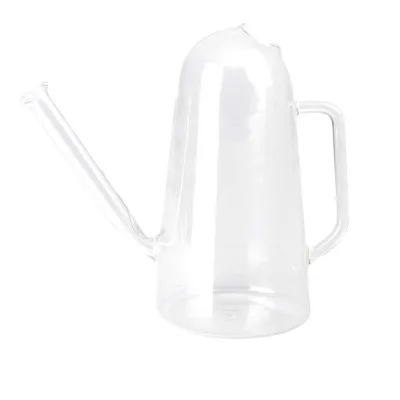
Source eco-friendly borosilicate glass watering can for Home, Garden, and Office
Compare 30 listings of eco-friendly borosilicate glass watering can options from verified suppliers. Buyers can evaluate specifications, pricing, and customization features for home, garden, and office decoration needs.
Key considerations
Products List
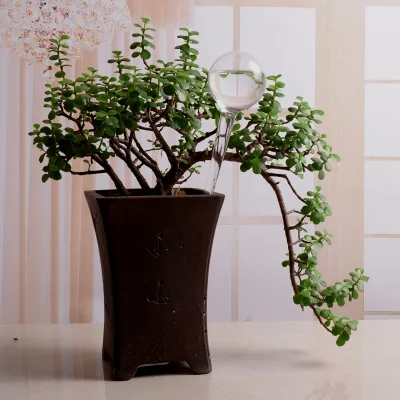
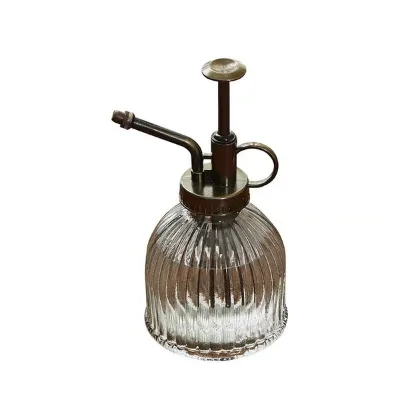
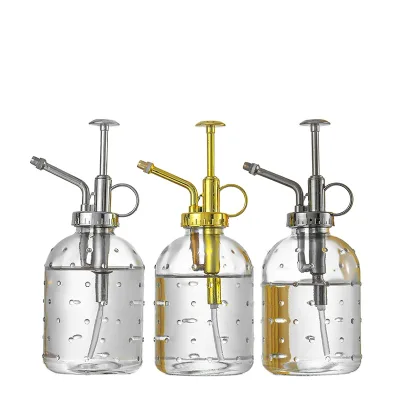
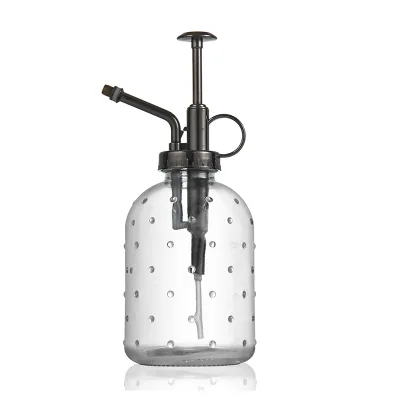
High Borosilicate Glass Lazy Person's Handy Spherical Glass Watering Can
$1.48 - $2.40
MOQ: 100 Minimum


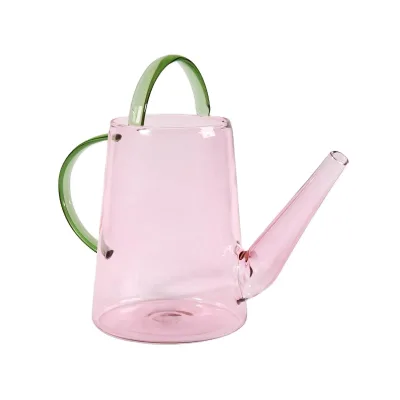
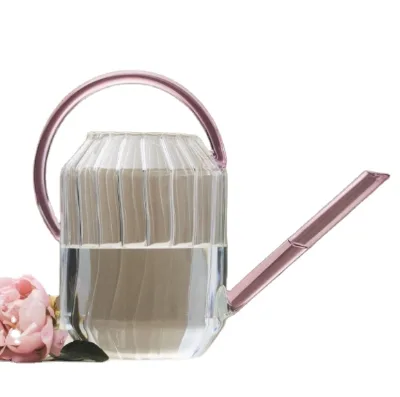
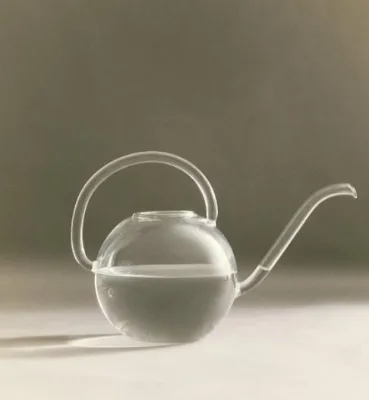
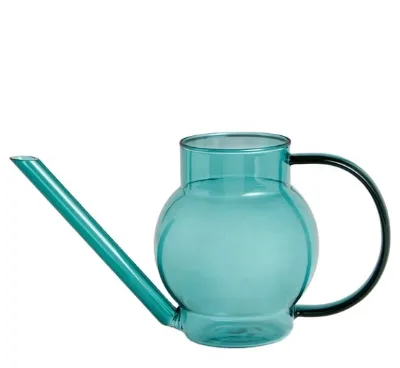
Custom Made Hand Made Vintage Style Glass Colored Mini Glass Watering Can
$3.88 - $4.90
MOQ: 500 pieces
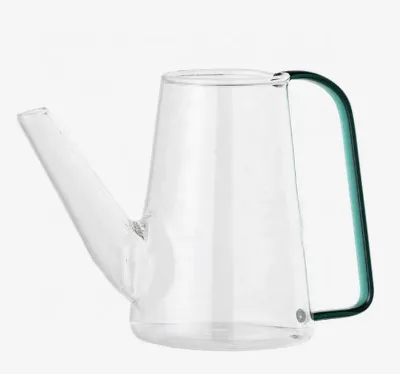
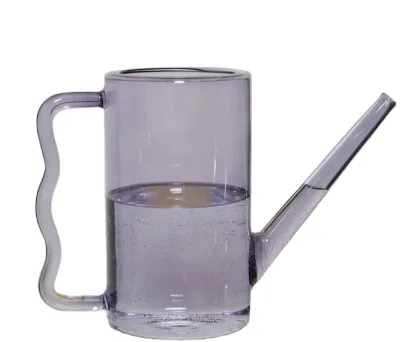


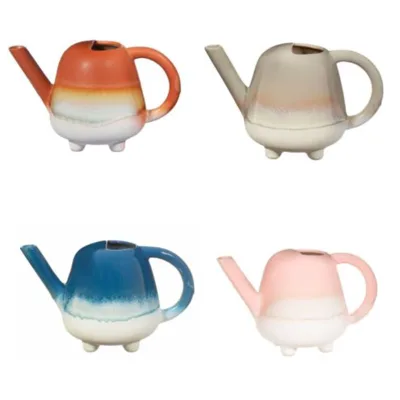




Comprehensive Sourcing Guide
Eco-Friendly Borosilicate Glass Watering Can Sourcing Guide
Sourcing eco-friendly watering cans requires a nuanced understanding of material science, manufacturing capabilities, and supply chain transparency. While the term "borosilicate glass" suggests high thermal resistance and durability, the observed market data reveals a complex landscape where material claims vary significantly across listings. Buyers must navigate between products explicitly identified as glass and those described with plastic or PE materials, ensuring that the final procurement aligns with sustainability goals and functional requirements. This guide provides a structured approach to evaluating suppliers, verifying technical specifications, and managing commercial risks associated with this category.
The procurement process for these items is heavily influenced by the diversity of product attributes observed in current listings. From design styles ranging from modern to artistic themes to usage types spanning home gardening to agricultural applications, the market offers a wide array of options. However, this variety introduces complexity in quality control and compliance verification. Buyers need to establish clear criteria early in the sourcing process to filter out mismatches between advertised eco-friendly attributes and actual product composition, ensuring that the selected supplier can consistently deliver on both aesthetic and functional promises.
Product Scope and Observed Listing Signals
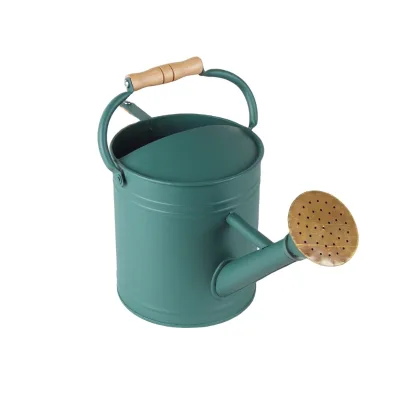
The current market for watering cans exhibits a broad spectrum of product definitions, which complicates the identification of true eco-friendly options. Observed listings include items explicitly labeled as "Glass Watering Can" with a material composition of glass, alongside others that list "PE" or "Plastic" as the main material. This discrepancy highlights the importance of scrutinizing the material specification field in supplier catalogs. Buyers should prioritize suppliers who clearly distinguish between borosilicate glass and standard soda-lime glass, as the former offers superior thermal shock resistance and durability, aligning better with long-term sustainability goals by reducing replacement frequency.
Design and application versatility are also key signals in product scope evaluation. Listings indicate a range of shapes, from circular forms to specific dimensions like 8824.5cm or W24 x D11.5 x H20.5cm, catering to diverse aesthetic preferences such as modern, artistic, or still-life themes. The usage types extend beyond simple home decoration to include agricultural and garden irrigation, suggesting that functional robustness is as critical as visual appeal. Buyers must match these observed product attributes with their specific end-use requirements, ensuring that the selected watering can meets both the visual standards of their brand and the practical demands of its intended environment.
Technical Specifications to Verify
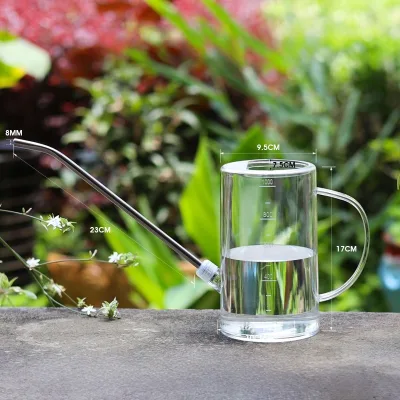
Verifying technical specifications is paramount to ensuring product performance and safety. Key dimensions such as single package size (e.g., 10.4X10.4X32 cm) and gross weight (0.300 KG) are critical for logistics planning and cost estimation. Buyers should request detailed technical drawings or 3D models to confirm that the product’s physical dimensions align with their packaging and shipping constraints. Additionally, the installation type, such as external thread connections for sprinklers, must be verified to ensure compatibility with existing irrigation systems, particularly for products marketed for agricultural or garden use.
Material integrity and manufacturing techniques also require close examination. While some listings highlight "Handicraft" techniques, implying a unique, artisanal quality, others may rely on mass-production methods. For glass products, it is essential to verify the thickness and uniformity of the glass walls to prevent breakage during use or transport. Buyers should also inquire about the specific type of glass used, distinguishing between borosilicate and other types, as this directly impacts the product’s thermal resistance and longevity. Confirming these details helps mitigate the risk of receiving products that do not meet the expected quality standards.
Compliance and Safety Documentation
Compliance with international standards is a non-negotiable aspect of sourcing, particularly for products that may come into contact with water and plants. The observed listings mention certifications such as CE, which indicates conformity with health, safety, and environmental protection standards for products sold within the European Economic Area. Buyers must verify the validity and scope of these certifications, ensuring that they cover the specific materials and manufacturing processes used. It is crucial to request copies of the certification documents and cross-reference them with the issuing body to confirm their authenticity and relevance to the product in question.
Food safety and environmental impact are also critical compliance considerations, especially for eco-friendly products. Buyers should inquire about the absence of harmful substances such as lead, cadmium, or BPA in the glass or plastic components. For glass products, ensuring that the material is non-toxic and does not leach chemicals into the water is essential. Additionally, buyers should assess the supplier’s commitment to sustainable packaging, as indicated by the use of carton or OPP bag packaging. Verifying these aspects helps ensure that the product not only meets regulatory requirements but also aligns with the brand’s sustainability values.
Cost Drivers and Commercial Terms
Understanding the cost drivers in the watering can market is essential for effective budgeting and negotiation. The observed price range of 0.12-10.18 USD reflects significant variation based on material quality, design complexity, and order volume. Buyers should analyze the cost structure to identify the primary drivers, such as the type of glass used, the intricacy of the handicraft techniques, and the packaging requirements. Higher prices may correlate with superior material quality, such as genuine borosilicate glass, or more complex designs that require specialized manufacturing processes.
Commercial terms, including MOQ and lead times, also play a crucial role in cost management. The observed MOQ range of 100-20000 pieces offers flexibility for buyers with varying order sizes, but it also requires careful planning to optimize inventory levels. Buyers should negotiate terms that align with their sales forecasts and storage capabilities, considering the potential for price breaks at higher volumes. Additionally, understanding the supplier’s lead times and production capacity is vital for ensuring timely delivery, especially for seasonal products or promotional items. Clear communication regarding these terms helps prevent delays and additional costs associated with expedited shipping or inventory shortages.
Supplier Qualification and Quality Control
Supplier qualification is a critical step in mitigating procurement risks. Buyers should conduct thorough due diligence on potential suppliers, assessing their manufacturing capabilities, quality control processes, and track record. This includes verifying the supplier’s location, such as Shandong, Taizhou, or Jiangsu in China, and evaluating their experience in producing glass or plastic watering cans. Buyers should request samples to evaluate the product’s quality, finish, and functionality before committing to a larger order. Additionally, assessing the supplier’s responsiveness and communication skills is important for ensuring a smooth procurement process.
Quality control measures should be clearly defined and agreed upon with the supplier. This includes establishing inspection criteria for material quality, dimensional accuracy, and packaging integrity. Buyers should consider implementing third-party inspections during production or before shipment to verify that the products meet the agreed-upon specifications. Additionally, establishing a clear process for handling defects or non-conforming products is essential for maintaining quality standards. By implementing robust quality control measures, buyers can minimize the risk of receiving substandard products and ensure customer satisfaction.
Long-Term Procurement Checks
Long-term procurement success depends on continuous monitoring and evaluation of supplier performance. Buyers should establish key performance indicators (KPIs) to track metrics such as on-time delivery, product quality, and responsiveness to issues. Regular reviews of these metrics help identify areas for improvement and ensure that the supplier remains aligned with the buyer’s expectations. Additionally, maintaining open communication with the supplier fosters a collaborative relationship that can lead to continuous improvement and innovation.
Adapting to market changes and evolving customer preferences is also crucial for long-term success. Buyers should stay informed about trends in eco-friendly products, such as new materials or design innovations, and adjust their sourcing strategies accordingly. This may involve exploring new suppliers or product variations that better meet market demands. By remaining agile and proactive, buyers can maintain a competitive edge and ensure that their product offerings remain relevant and appealing to customers. Continuous evaluation and adaptation are key to sustaining long-term procurement success in the dynamic watering can market.
FAQs
What material is used for the glass watering can?
The product is primarily made of glass, though some variants list PE or plastic as main materials. This ensures durability for home gardening and agricultural irrigation while maintaining a modern design style suitable for all seasons.
Can I customize the design of the watering can?
Yes, customization is available for this product line. Buyers can request specific patterns like still life or art themes, and the manufacturer supports custom orders with flexible packaging options such as cartons or OPP bags.
What is the minimum order quantity for this item?
The minimum order quantity starts at 100 pieces for certain models. However, other listings indicate an MOQ range extending up to 20,000 units, so buyers should verify specific model requirements before placing a bulk order.
Which certifications does the watering can hold?
The product carries CE certification, ensuring it meets specific safety and quality standards. This makes it suitable for various occasions and applications, including promotional gifts and general decoration in both indoor and outdoor settings.
How is the product packaged for shipping?
Packaging varies by model, with options including single items, multi-piece packages, cartons, or OPP bags. The single package size typically measures around 10.4 by 10.4 by 32 cm, with a gross weight of 0.300 kg per unit.
Where are these watering cans manufactured?
Manufacturing locations include Shandong, China, and Taizhou, China, with some origins listed in Jiangsu. These regions are known for producing handicraft and modern design items suitable for wholesale distribution and fast delivery.
What is the typical price range for this product?
The observed price range in USD is between 0.12 and 10.18 per unit. This variation depends on the specific model, material composition, and order volume, with wholesale advantages often available for larger quantities.