Source eco-friendly breathable bird nest for Indoor, Outdoor, and Travel
Compare 30 listings for eco-friendly breathable bird nest options suitable for indoor, outdoor, and travel use. Buyers can evaluate materials like plastic, wood, and resin alongside specifications for small and tiny breeds.
Key considerations
Products List
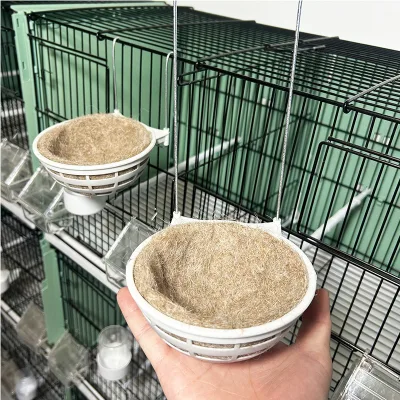


New Pigeon Breeding Plastic Mesh Bird Nest Hanging Pigeon Cage Egg Nest for Birds
$0.52 - $0.58
MOQ: 500 Pieces


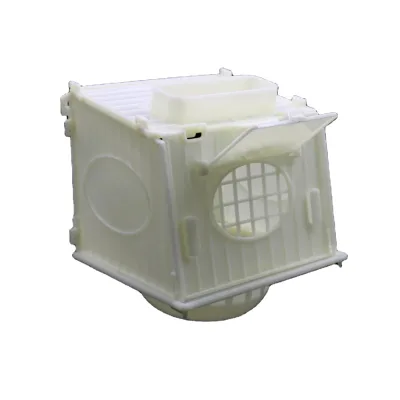
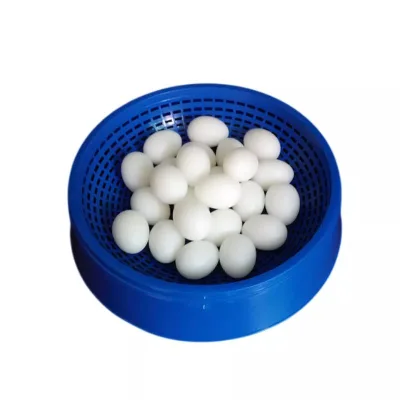


Wooden Hanging Bird House for Small Bird DIY Birdcage Making or Decoration
$2.35 - $5.25
MOQ: 500 Pieces
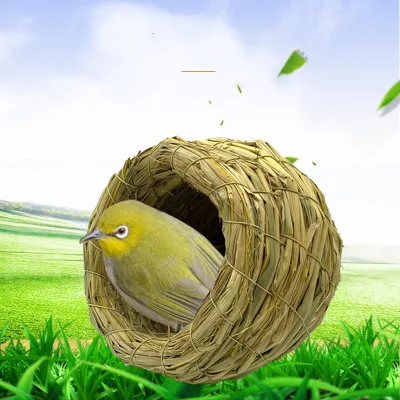
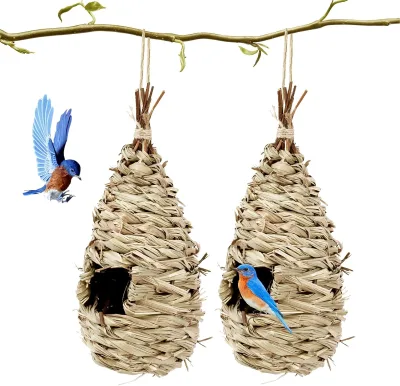
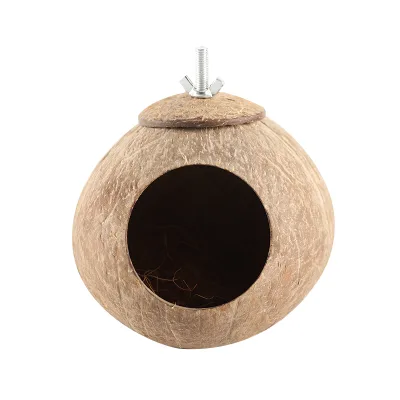
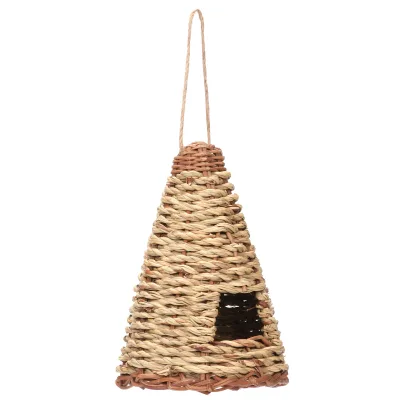
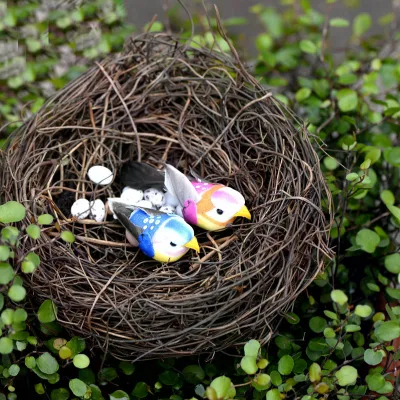
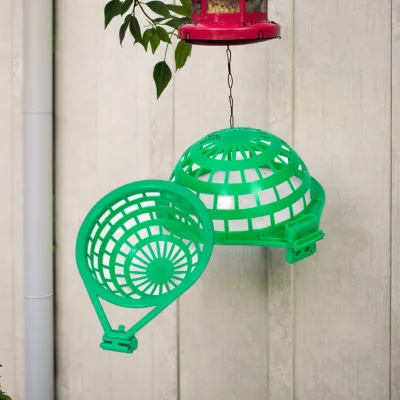
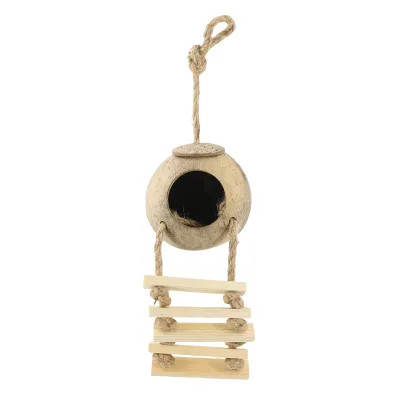


Outdoor Birds Nest Wooden Bird House with Acrylic Viewing Window Parrot Nests
$2.60 - $3.20
MOQ: 10 Pieces


Comprehensive Sourcing Guide
Eco-Friendly Breathable Bird Nest Sourcing Guide
Sourcing bird nests that balance ecological responsibility with functional breathability requires a nuanced understanding of material science and manufacturing practices. The term "eco-friendly" often implies the use of sustainable, non-toxic, or biodegradable materials, while "breathable" refers to the structural integrity that allows for adequate air circulation, which is critical for avian health. Buyers must navigate a market where these attributes are not always explicitly certified, requiring careful verification of supplier claims against observable product specifications. This guide provides a structured approach to evaluating listings, verifying technical details, and ensuring commercial reliability when procuring these specialized pet accessories.
The procurement landscape for bird nests is diverse, ranging from natural raw materials to engineered synthetic alternatives. While some suppliers offer genuine raw bird nests, others provide plastic, resin, or wooden structures designed to mimic natural environments while offering enhanced durability and hygiene. The challenge lies in distinguishing between marketing terminology and verifiable product attributes. Buyers should focus on tangible evidence such as material composition, structural design, and origin documentation rather than relying solely on descriptive adjectives. This disciplined approach ensures that the selected products meet both the aesthetic preferences of end-users and the physiological needs of the birds.
Product Scope and Observed Listing Signals
The current market offers a wide variety of bird nest products, with observed price points ranging significantly from low-cost synthetic options to premium natural items. Listings indicate a minimum order quantity (MOQ) flexibility, with some suppliers accepting orders as low as zero or small batches, while others require larger commitments. This variability allows buyers to test market demand with minimal risk before scaling up procurement. The presence of diverse material types, including plastic, resin, wood, and glass, suggests that "eco-friendly" claims must be scrutinized closely, as synthetic materials may not align with strict sustainability definitions unless specified as recycled or biodegradable.
Observed product attributes reveal a strong emphasis on customization and aesthetic versatility. Many listings highlight features such as OEM and ODM capabilities, allowing buyers to tailor designs to specific brand identities. Common styles include modern, classic, and European-inspired designs, often available in solid colors like white. The inclusion of features such as hanging mechanisms and suitability for both indoor and outdoor use indicates a broad application scope. However, buyers should note that not all listed products may satisfy the "breathable" criterion, particularly those made from solid plastic or glass, which may require specific structural perforations to ensure adequate airflow.
Technical Specifications to Verify
Material composition is the primary determinant of both breathability and environmental impact. Buyers must verify whether the nest is constructed from genuine raw materials, such as natural bird nest fibers, or engineered substances like plastic, resin, or wood. For plastic and resin products, the presence of ventilation holes or mesh-like structures is essential to achieve breathability. In contrast, wooden nests rely on the natural porosity of the material, while glass or solid plastic nests may lack sufficient airflow unless specifically designed with openings. Verification of material safety is crucial, as some plastics may contain harmful chemicals that could affect avian health.
Structural dimensions and weight are also critical technical factors. Listings often provide single package sizes and gross weights, which help buyers estimate shipping costs and storage requirements. For instance, a typical plastic bird nest might have a single package size of 15x20x15 cm and a gross weight of 0.35 kg, while heavier wooden or resin models may weigh up to 1 kg. Buyers should ensure that the specified size, such as "Standard" or "L," matches the target bird breed, as oversized or undersized nests can compromise comfort and safety. Additionally, the frame material, whether plastic or wood, should be checked for durability and resistance to wear, especially for outdoor use.
Compliance and Safety Documentation
Safety compliance is paramount when sourcing pet accessories, as birds are sensitive to toxic substances and structural hazards. Buyers should request documentation that verifies the absence of harmful chemicals, such as BPA, phthalates, or heavy metals, particularly in plastic and resin products. While specific certification standards were not explicitly listed in the observed data, buyers should inquire about adherence to international pet product safety regulations, such as those enforced by the Consumer Product Safety Commission (CPSC) in the United States or the European Union’s REACH regulation. These standards often require third-party testing to ensure that materials are non-toxic and safe for prolonged contact with animals.
Environmental compliance is another key consideration for eco-friendly claims. Buyers should ask for evidence of sustainable sourcing practices, such as FSC certification for wooden products or recycled content declarations for plastic items. If the product is marketed as biodegradable, buyers should verify the decomposition conditions and timelines to ensure that the claim is accurate. Additionally, packaging materials should be evaluated for their environmental impact, with a preference for recyclable or compostable options. Clear communication with suppliers regarding these documentation requirements helps mitigate the risk of receiving products that do not meet regulatory or ethical standards.
Cost Drivers and Commercial Terms
The cost of bird nests is influenced by several factors, including material type, manufacturing complexity, and order volume. Natural raw bird nests typically command higher prices due to the labor-intensive harvesting and processing involved, while plastic and resin products are generally more cost-effective due to mass production capabilities. The observed price range of $0.26 to $730 USD reflects this disparity, with lower prices associated with simple synthetic designs and higher prices linked to premium materials or intricate craftsmanship. Buyers should consider the total landed cost, including shipping and tariffs, when evaluating price points, as lightweight plastic nests may have lower shipping costs compared to heavier wooden or glass alternatives.
Commercial terms, such as payment methods and delivery deadlines, also impact procurement strategy. Most suppliers accept Telegraphic Transfer (T/T) as a payment method, which is standard for international trade. Delivery deadlines vary, with some suppliers offering rapid turnaround times of one day, while others may require longer lead times for customized orders. Buyers should negotiate clear terms regarding production schedules and shipping logistics to avoid delays. Additionally, the availability of OEM and ODM services may incur additional costs, so buyers should clarify these fees upfront to ensure accurate budgeting.
Supplier Qualification and Quality Control
Supplier qualification is essential to ensure consistent product quality and reliable service. Buyers should verify the supplier’s origin and manufacturing capabilities, as observed data indicates origins in countries like Indonesia and China. Suppliers from these regions may have established supply chains for specific materials, such as raw bird nests from Indonesia or plastic manufacturing from China. Buyers should request company profiles, production facility tours, or third-party audit reports to assess the supplier’s operational standards. Additionally, checking for years in business and client testimonials can provide insights into the supplier’s reliability and market reputation.
Quality control measures should be integrated into the procurement process to minimize defects and ensure product consistency. Buyers should establish clear quality standards, including material purity, structural integrity, and finish quality, and communicate these expectations to suppliers. Implementing pre-shipment inspections or requesting sample approvals before bulk production can help identify potential issues early. For customized orders, buyers should review design proofs and material samples to ensure alignment with specifications. Establishing a robust quality control protocol reduces the risk of receiving substandard products and enhances customer satisfaction.
Long-Term Procurement Checks
Long-term procurement success depends on continuous monitoring of supplier performance and market trends. Buyers should regularly review supplier delivery times, product quality, and responsiveness to issues. Establishing key performance indicators (KPIs) such as on-time delivery rate, defect rate, and customer feedback can provide objective metrics for evaluation. Additionally, staying informed about changes in material regulations and sustainability standards is crucial, as eco-friendly claims may become subject to stricter verification over time. Buyers should proactively engage with suppliers to discuss potential improvements and innovations in product design and materials.
Building a diversified supplier base can mitigate risks associated with single-source dependencies. Buyers should identify alternative suppliers for critical materials, such as plastic, wood, or raw bird nests, to ensure supply chain resilience. Regular communication with suppliers about market dynamics, such as raw material price fluctuations or shipping disruptions, can help in planning and risk management. Furthermore, fostering collaborative relationships with suppliers can lead to better pricing, priority production, and access to new product developments. By maintaining a strategic and adaptive procurement approach, buyers can secure high-quality, eco-friendly bird nests that meet evolving market demands.
FAQs
What materials are used for bird nests?
Bird nests are made from genuine raw bird nest, plastic, or wood depending on the product type. Some models combine plastic and resin for durability while others use natural materials for authenticity.
Can I find bird nests with low minimum order quantities?
Yes, some listings allow a minimum order quantity of zero or as low as four pieces. Buyers can select products with flexible MOQ units to suit small batch requirements without high initial costs.
Which origin countries supply bird nests?
Bird nests originate from Indonesia and China, with specific provinces like Jakarta and Zhejiang noted. These locations indicate diverse sourcing options for buyers seeking regional preferences or logistics advantages.
How fast can I receive bird nest orders?
Delivery deadlines can be as short as one day for certain products. Buyers should verify specific lead times per item since shipping schedules vary by manufacturer and product model.
What payment types are accepted for bird nests?
T/T is a common payment type accepted for these transactions. Buyers should confirm specific payment terms with suppliers as options may vary based on order volume and negotiation.
Are custom designs available for bird nests?
Customization is available for many bird nest products including OEM and ODM services. Buyers can request specific styles, colors, or sizes to match their branding or functional needs.
What sizes are available for bird nests?
Bird nests come in various sizes including small, tiny, and standard dimensions. Some models are explicitly labeled as L size while others fit specific breed sizes for different pet requirements.