Source Recyclable Velvet Jewelry Drawstring Bag for Gifts, Cosmetics, Health Care
Compare 30 listings for the Recyclable Velvet Jewelry Drawstring Bag from Chinese manufacturers. Buyers can evaluate custom sizes, screen printing options, and MOQs ranging from 100 to 3000 pieces for jewelry, cosmetics, and health care products.
Key considerations
Products List
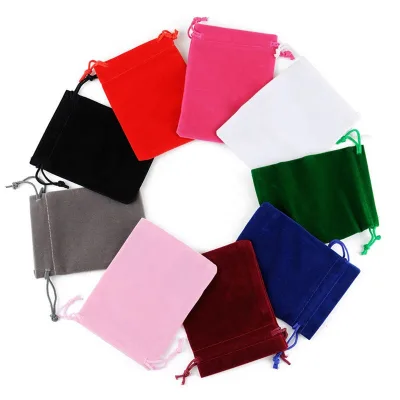


Hot Selling Jewelry Velvet Bags Customizable Storage Bags Drawstring Bag
$0.49 - $0.59
MOQ: 100 Pieces


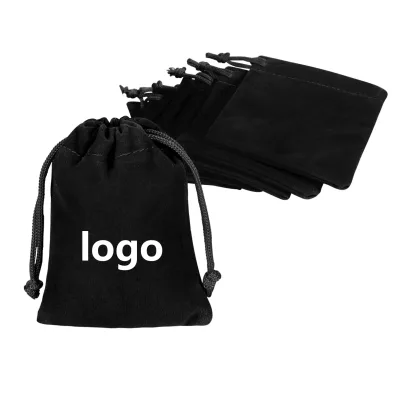


Durable Custom Logo Printed Organic Cotton Canvas Drawstring Bag Jewelry Pouch
$0.50 - $0.90
MOQ: 100 Pieces


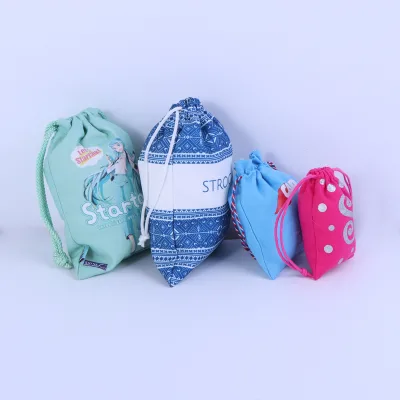


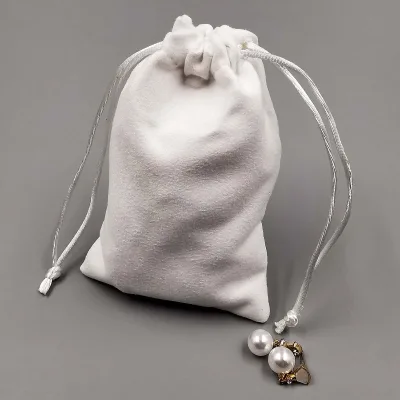

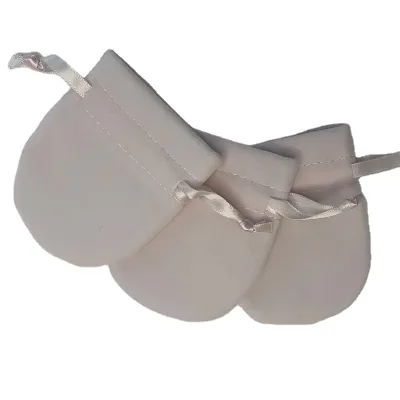


Comprehensive Sourcing Guide
Sourcing Strategy for Recyclable Velvet Jewelry Drawstring Bags
The global market for sustainable packaging has driven significant demand for recyclable velvet jewelry drawstring bags. These items serve as a critical touchpoint in the luxury and retail sectors, offering both aesthetic appeal and functional protection for high-value items. For procurement professionals, sourcing these bags requires a nuanced understanding of material composition, manufacturing processes, and supply chain variables. The following guide details the technical specifications, compliance considerations, and strategic evaluation criteria necessary for securing high-quality, eco-conscious inventory.
Technical Specifications and Material Composition
The foundation of a high-quality drawstring bag lies in its material composition and construction. In the context of recyclable velvet options, the primary material is often identified as warp knitted bottom flocking. This specific textile structure provides the characteristic soft, plush feel associated with velvet while maintaining structural integrity. The surface of the bag is typically treated with screen printing, a process that allows for high-definition logo application and branding without compromising the fabric's texture.
Dimensions are a critical variable in this category. While standard sizes such as 5x7 cm exist for specific jewelry types, the industry standard heavily favors customization. Buyers should expect to encounter specifications where size is listed as "Custom" or "Custom Size Accepted," allowing for tailored dimensions to fit rings, necklaces, or earrings precisely. The drawstring mechanism itself is another technical specification to verify. Common implementations include colorful polypropylene ropes, which offer durability and a vibrant contrast to the velvet body. However, for a truly recyclable product, the rope material must be verified as compatible with the bag's recycling stream, as mixed materials can complicate end-of-life processing.
The manufacturing process is frequently described as a hybrid of "Handmade+Machine Made." This combination suggests that while the cutting and initial sewing may be automated for consistency, final assembly, quality checks, or intricate detailing may involve manual labor. This hybrid approach often results in higher craftsmanship but can introduce variability in lead times and unit costs. The product is generally categorized under "Jewelry Collection Bag" or "Jewelry Packing Pouch," indicating its specific industrial use case.
Compliance, Certification, and Sustainability Verification
When sourcing a product explicitly marketed as "recyclable," verification is paramount. The term "recyclable" is often used loosely in B2B contexts without standardized backing. Buyers must treat this attribute as an observation requiring validation rather than a guaranteed fact. The supplied data indicates that some products carry the feature "Recycled," suggesting the use of post-consumer or post-industrial waste in the production of the velvet or the rope. However, without specific certification documents, this claim remains unverified.
Procurement teams should request third-party certification data to substantiate sustainability claims. Relevant standards to verify include ISO 14001 for environmental management systems or specific textile recycling certifications like GRS (Global Recycled Standard). The absence of a specific standard in the provided facts means buyers must actively inquire about the specific recycling protocols used by the supplier. Does the bag utilize a mono-material construction, or is it a blend that requires separation? The "warp knitted bottom flocking" mentioned in the specifications may contain synthetic fibers that are not biodegradable, even if they are recyclable.
Furthermore, the "Industrial Use" field lists both "Gift" and "Bread Bag," which indicates a broad application range. For jewelry applications, the bag must meet specific hygiene and safety standards to prevent tarnishing or scratching of the contents. While no specific safety standard is listed in the source data, buyers should ensure the velvet and dyes used are free from harmful substances like azo dyes or heavy metals, particularly if the product is intended for export to markets with strict chemical regulations.
Cost Drivers and Pricing Dynamics
The pricing of recyclable velvet drawstring bags is influenced by several dynamic factors. The observed price range in the market spans from $0.02 to $3.50 USD per unit. This wide variance is primarily driven by the complexity of customization, the volume of the order, and the specific material composition.
The Minimum Order Quantity (MOQ) is a significant cost driver. Data indicates MOQs ranging from 100 pieces to 3,000 pieces, with specific instances of 200, 500, and 1,000 pieces. Higher MOQs generally correlate with lower unit costs due to economies of scale in material procurement and machine setup. Conversely, orders near the lower end of the MOQ spectrum, such as 100 or 200 pieces, often incur a premium per unit.
Customization also heavily impacts cost. Features such as "With Logo Printing," "Custom Size," and "Customized" branding require additional setup time and specialized machinery. The "Screen Printing" process, while effective, adds a step to the production line. If the supplier offers "Silk Screen Printing Or Custom," the choice of printing technique will affect the final price. Additionally, the "Customized" nature of the product means that unique mold or pattern creation fees may apply, which are often amortized over the order quantity.
Payment terms also play a role in the financial planning of the procurement. Standard terms observed include a "30% Deposit 70% Balance Pay Before Shipping." This structure requires buyers to manage cash flow carefully, ensuring that the initial deposit does not strain liquidity while waiting for the 7-20 day bulk order lead time.
Typical Applications and Usage Scenarios
The versatility of these bags allows them to serve multiple industrial uses beyond just jewelry. The "Usage" field explicitly lists "Health Care Products, Digital Products, Cosmetic, Jewelry, Gift." This broad applicability makes the product attractive for businesses looking to consolidate their packaging suppliers.
For the jewelry sector, the primary function is protection and presentation. The soft velvet surface prevents scratches on delicate chains and rings, while the drawstring closure ensures security during transport. The "Leisure" style attribute suggests these bags are also suitable for casual retail environments or boutique gift shops where the unboxing experience is part of the brand value.
In the digital and cosmetic sectors, the bags serve as eco-friendly alternatives to plastic blister packs or rigid boxes. The "Recycled" feature appeals to consumers in these markets who prioritize sustainability. The "Unisex" gender attribute further expands the potential market, allowing the bags to be used for a wide range of products without gender-specific design constraints.
Supplier Evaluation and Selection Criteria
Selecting the right supplier requires a rigorous evaluation process based on the available data points. The "Place of Origin" is consistently listed as "China," with specific mentions of "Zhejiang, China." This region is a known hub for textile manufacturing, offering a robust supply chain for velvet and rope materials. However, buyers should verify the specific factory capabilities beyond the general location.
Key evaluation metrics include the "Sample Time" and "Lead Time." Sample times range from 2-3 days to 7 days, while bulk order lead times vary from 10-15 days to 7-20 days. Suppliers with shorter sample times can accelerate the prototyping phase, allowing for quicker design iterations. However, buyers must balance speed with quality; a rush order may compromise the "Handmade+Machine Made" quality control.
The "OEM" (Original Equipment Manufacturer) and "Custom Order" availability are critical indicators of a supplier's flexibility. Suppliers offering "OEM: available" and "Custom Order: Accept" are better positioned to meet specific branding and sizing needs. The "Brand Name" being listed as "customized" or specific codes like "AWOZ" suggests that the supplier is willing to work with the buyer's brand identity rather than pushing their own proprietary branding.
Quality Control and Production Standards
Quality control is essential to ensure that the "Recycled" claim and the physical durability of the bag meet expectations. The "Process" field indicates a mix of manual and machine production, which introduces a need for robust inspection protocols. Buyers should request a Quality Control (QC) plan that outlines how defects are identified and managed.
The "Standard" field is listed as "Custom" or "Customized," which implies that there may not be a universal industry standard applied to every batch. Instead, the standard is likely defined by the buyer's requirements. This necessitates a clear definition of acceptance criteria before production begins. Key areas to inspect include the strength of the drawstring attachment, the evenness of the screen printing, and the consistency of the velvet pile.
Packing is another quality aspect. The "Product Packing" is noted as "Custom" or "Carton Pack." Proper carton packing is vital to prevent crushing or soiling of the velvet during transit. Buyers should specify the packing density and protective measures to ensure the product arrives in pristine condition.
Long-Term Procurement Considerations
Sourcing recyclable velvet bags is not just a one-time transaction but a long-term partnership strategy. The "Lead Time" of 10-20 days for bulk orders suggests that inventory planning must be precise to avoid stockouts. Buyers should consider the "Sample Time" of 5-7 days as a baseline for future prototyping needs.
Sustainability is a long-term trend that will likely increase in importance. As regulations on single-use plastics and packaging waste tighten, the ability to source truly recyclable materials will become a competitive advantage. Buyers should engage suppliers in continuous improvement dialogues regarding the recyclability of the "warp knitted bottom flocking" and the "polypropylene rope."
Finally, the "Payment Term" structure of 30% deposit and 70% balance should be factored into long-term financial modeling. As order volumes grow, buyers may negotiate more favorable terms, such as extended payment windows or credit facilities, based on a history of reliable performance. The "Industrial Use" diversity ensures that these bags can adapt to changing market demands, making them a versatile asset for a growing product line. By focusing on these strategic elements, procurement teams can secure a reliable supply of high-quality, sustainable packaging that aligns with both brand values and operational efficiency.
FAQs
What material is used for the velvet drawstring bag?
The bag is made from warp knitted bottom flocking to provide a soft velvet texture. This material ensures durability while maintaining the plush feel required for jewelry protection.
Can I customize the size of the velvet bag?
Yes, the product supports custom sizes including standard 5x7 cm or fully tailored dimensions. Buyers can request specific measurements to fit rings, necklaces, or other items precisely.
What is the minimum order quantity for these bags?
Minimum order quantities vary by supplier, ranging from 100 to 3,000 pieces. Specific listings show MOQs of 100, 200, 500, or 1,000 pieces depending on the manufacturer.
How long does it take to produce a bulk order?
Bulk production lead times typically range from 10 to 20 days after sample approval. Sample creation is faster, often taking between 2 to 7 days for verification.
Is screen printing available for logo customization?
Screen printing is available for applying logos and branding to the velvet surface. The process allows for high-definition designs while preserving the fabric texture and integrity.
Where are these velvet bags manufactured?
The products originate from factories located in Zhejiang, China. This region is a known hub for textile manufacturing, offering a robust supply chain for velvet and rope materials.
What payment terms are required for bulk orders?
Standard payment terms require a 30% deposit with the remaining 70% balance paid before shipping. This structure helps manage cash flow during the 10 to 20 day production window.