Source eco-friendly ceramic marble cookware set for Home, Hotel, and Catering
Find 30 listings for eco-friendly ceramic marble cookware sets with stainless steel handles and induction compatibility. Compare specifications including non-stick coatings, glass lids, and packaging options from verified Chinese manufacturers.
Key considerations
Products List
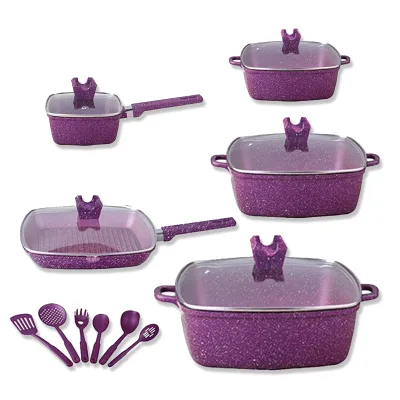


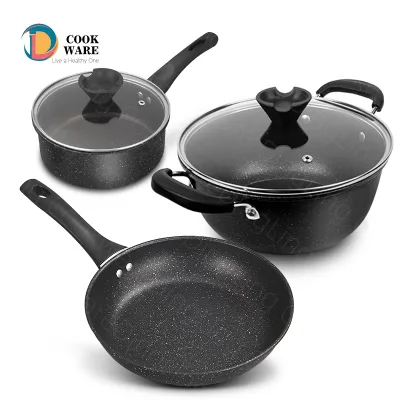
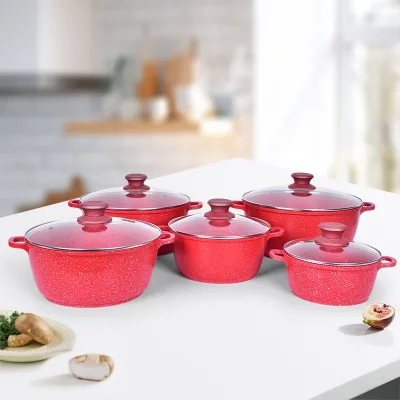
21pieces Granite Black Marble Nonstick Aluminum Pans and Pots Cookware Set
$46.50 - $48.50
MOQ: 1000 Sets


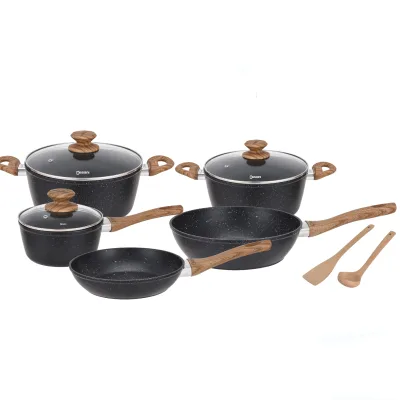


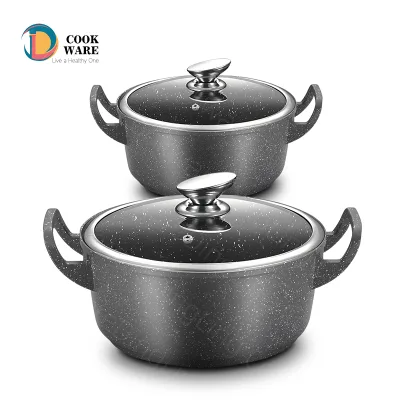
Hot Sale Cooking Kitchen Marble Non Stick Pots Stainless Steel Cookware Sets
$20.40 - $25.30
MOQ: 1000 Sets



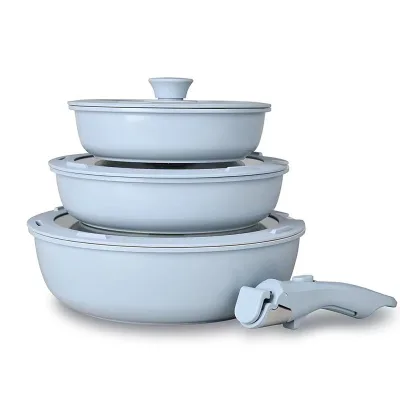
Comprehensive Sourcing Guide
Strategic Sourcing Guide for Eco-Friendly Ceramic Marble Cookware Sets
Understanding Product Composition and Technical Specifications
When sourcing an eco-friendly ceramic marble cookware set, buyers must first distinguish between the marketing terminology and the actual material composition observed in the supply chain. The core keyword often implies a specific ceramic construction, yet the available market data indicates a hybrid approach where aluminum forms the primary body material. This aluminum base is frequently selected for its superior thermal conductivity, ensuring even heat distribution across the cooking surface. The exterior finish is typically described as a high-temperature lacquer, which serves not only an aesthetic function but also provides a durable barrier against corrosion and scratching.
The interior cooking surface is a critical differentiator in this category. While the product name frequently references "marble," the technical specifications reveal this is often a PTFE-based non-stick coating infused with marble dust or mineral particles to enhance durability and scratch resistance. This "marble nonstick coating" is designed to mimic the visual appeal of natural stone while maintaining the functional benefits of modern polymer coatings. The bottom of the cookware is a crucial engineering feature; many high-performance sets utilize a stainless steel spiral bottom. This design is not merely decorative but serves a functional purpose by increasing the surface area in contact with the heat source, which significantly improves induction compatibility and reduces hot spots.
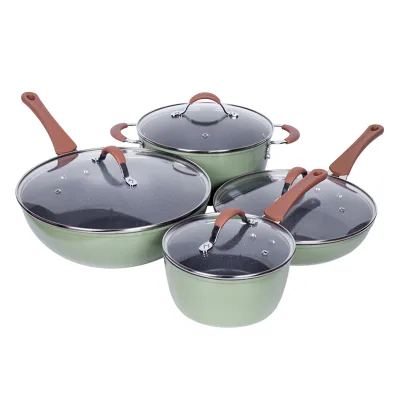
The structural integrity of the set relies heavily on the handle and knob materials. Bakelite is the standard material observed for handles, chosen for its heat resistance and insulating properties, ensuring the user can handle the cookware safely even when the pot is hot. The knobs are often constructed from stainless steel, providing a robust connection point that can withstand the thermal expansion and contraction cycles of repeated cooking. The lids are generally made of normal glass, often accompanied by a silicone seal or rim, allowing the cook to monitor food progress without releasing steam or heat.
Compliance, Certification, and Regulatory Standards
For international procurement, verifying compliance with regional safety standards is non-negotiable. The supply chain for these cookware sets typically supports a broad range of certifications that validate the safety of materials used in contact with food. Key certifications observed in the market include LFGB (German Food and Feed Code), which is particularly stringent regarding food safety and migration limits. Additionally, CE/EU and EEC certifications indicate compliance with European Union safety directives, ensuring the product meets general product safety requirements.
In the North American market, FDA certification is a primary requirement, verifying that the materials used in the coating and the cookware body are safe for food contact. CIQ (China Inspection and Quarantine) is another critical document for export-oriented manufacturing, confirming that the goods meet Chinese export standards and have passed necessary quality inspections. Buyers must understand that while these certifications are standard for reputable manufacturers, they are not automatic; they must be verified against the specific batch of goods being purchased.
The "Eco-Friendly" claim requires careful scrutiny. In the context of these sets, this designation often relates to the manufacturing process and the absence of certain harmful heavy metals like PFOA or lead in the coating, rather than the recyclability of the aluminum body. The presence of PTFE coating necessitates that the manufacturer adheres to strict temperature limits to prevent the release of toxic fumes. Buyers should request test reports that specifically address the migration of substances from the interior coating to food simulants, ensuring that the "marble" coating does not leach harmful chemicals under normal cooking conditions.
Cost Drivers and Pricing Structure Analysis
The pricing of eco-friendly ceramic marble cookware sets is influenced by a complex interplay of material costs, manufacturing complexity, and order volume. The observed price range in the market spans from approximately $3 to $54.96 USD per unit. This wide variance is primarily driven by the number of pieces in the set, the quality of the aluminum alloy used, and the sophistication of the non-stick coating technology. A basic 3-piece set will naturally fall at the lower end of this spectrum, while an 8-piece or 10-piece die-cast set with premium features will command a higher price point.
Order volume is the most significant factor affecting the unit cost. The Minimum Order Quantity (MOQ) for these products typically starts at 500 sets, though some suppliers may accept orders as low as 1 unit for sampling, while others may require volumes up to 13,500 sets for the most competitive pricing tiers. The "Supply Ability" of manufacturers, often cited as 50,000 sets per day, suggests that large-scale production is feasible, but the cost per unit decreases significantly as the order size approaches the manufacturer's full capacity.
Additional cost drivers include customization options. The ability to add a customized logo or request specific packaging details, such as color boxes with custom sleeves or master cartons, adds to the overall cost. The packaging itself, which often includes bubble bags, color labels, and sturdy outer cartons, contributes to the logistics cost. Buyers should also consider the "Single Gross Weight" of the product, which is observed to be around 12.0 kg for a standard set. This weight impacts shipping costs, particularly for air freight, making sea freight the preferred method for large orders to optimize the cost per unit.
Typical Applications and Usage Scenarios
The versatility of these cookware sets makes them suitable for a wide range of culinary applications. The "General Use" designation indicates that the sets are designed for everyday cooking tasks, from sautéing and frying to boiling and stewing. The non-stick interior coating is particularly beneficial for low-fat cooking, allowing for the preparation of delicate foods like eggs, fish, and pancakes without the need for excessive oil. This feature aligns well with the "Eco-Friendly" and "Durable" attributes, as it reduces waste and extends the lifespan of the cookware.
The compatibility with various heat sources is a critical application factor. The stainless steel spiral bottom ensures that these sets are applicable for gas, electric, and induction cookers. This multi-stove compatibility is essential for modern kitchens where induction cooking is becoming increasingly common. However, buyers must note that the "Dishwasher Safe" attribute is listed as "No" for many of these sets. The high-temperature lacquer and the non-stick coating can degrade over time when exposed to the harsh detergents and high heat of commercial dishwashers. Therefore, hand washing is the recommended cleaning method to preserve the integrity of the coating and the exterior finish.
The design style is typically "Modern," featuring sleek lines and a combination of metallic and stone-like finishes. This aesthetic appeal makes these sets suitable not only for professional kitchens but also for retail resale to consumers who value both functionality and visual design. The sets are often marketed as "Unique pot sets" that combine the durability of stone with the convenience of non-stick technology, appealing to health-conscious consumers and home cooks alike.
Supplier Evaluation and Quality Control Protocols
Evaluating a supplier for this category requires a focus on their production capabilities and quality assurance processes. The "Place of Origin" is predominantly Zhejiang, China, a region known for its robust manufacturing infrastructure in the cookware sector. Buyers should verify the supplier's "Supply Ability" claims, ensuring they can meet the required volume without compromising quality. A capacity of 50,000 sets per day suggests a large-scale operation, but it is essential to confirm that the supplier has the necessary machinery and labor force to maintain consistency.
Quality control should begin at the raw material stage. The aluminum used for the body must be of high purity to ensure even heating and resistance to warping. The PTFE coating application process must be strictly controlled to ensure uniform thickness and adhesion. Buyers should request evidence of the "Multi-Layer Coating" process, as single-layer coatings are more prone to peeling and scratching. The "Stainless Steel" bottom material must be securely bonded to the aluminum body to prevent delamination during thermal cycling.
Inspection protocols should include visual checks for defects in the lacquer finish, ensuring there are no bubbles, scratches, or uneven coloring. The handles and knobs must be tested for structural integrity and heat resistance. The "Glass Cover" should be inspected for cracks and the silicone seal for proper fit and flexibility. For large orders, implementing a third-party inspection service during the production phase and before shipment is highly recommended to catch any deviations from the agreed specifications.
Long-Term Procurement Considerations and Strategic Planning
Sourcing these cookware sets is not a one-time transaction but a long-term partnership that requires strategic planning. The "Customization" availability offers opportunities for branding, but buyers must balance the desire for unique features with the potential impact on production lead times. Customized packing and logos can add complexity to the supply chain, so it is advisable to finalize all design elements before production begins to avoid delays.
The "Standard" of 1000 sets or "Size as Your Request" indicates flexibility in order sizes, but buyers should be aware that smaller orders may incur higher per-unit costs. Planning for seasonal demand is crucial, as the "Lead Time" can vary based on the order volume and the supplier's current production schedule. Establishing a clear communication channel with the supplier regarding the "Product Model" and "Model Number" (such as DRK or 10pcs Die Cast) ensures that the correct specifications are maintained across different production runs.
Sustainability is a growing concern in procurement. While the "Eco-Friendly" label is present, buyers should inquire about the recyclability of the aluminum and the disposal methods for the non-stick coating at the end of the product's life. Ensuring that the supplier adheres to environmental regulations in their manufacturing process can enhance the brand value of the final product. Finally, maintaining a buffer stock of popular models can help mitigate supply chain disruptions, ensuring that the business can meet customer demand consistently without relying on immediate production runs.
FAQs
What certifications does this cookware set hold?
The set holds LFGB, CIQ, CE/EU, EEC, and FDA certifications. These validate food safety and compliance with international standards for materials used in contact with food.
Can I use this set on induction cookers?
Yes, the set is applicable for gas and induction cookers. The stainless steel spiral bottom ensures compatibility with various heat sources including induction.
What is the minimum order quantity for this set?
The minimum order quantity is 500 sets. Some suppliers may accept lower volumes for sampling, but standard bulk orders start at this threshold.
How is the interior coating described in the specs?
The interior features a marble nonstick coating which is a PTFE-based layer. This design mimics stone aesthetics while providing durable scratch resistance.
What material is used for the handle and knob?
The handle is made of bakelite and the knob is stainless steel. Bakelite provides heat resistance while stainless steel ensures structural durability.
Is this cookware set dishwasher safe?
No, the set is not dishwasher safe. Hand washing is recommended to preserve the high-temperature lacquer and non-stick coating integrity.
Where is the place of origin for this product?
The place of origin is Zhejiang, China. This region is known for its robust manufacturing infrastructure in the cookware sector.