Source Eco-Friendly Cream Chargers for Cake, Coffee, and Milk Tea
Find 24 Eco-Friendly Cream Chargers from China suppliers. Compare models like 3.3L and 0.95L carbon steel whippers with high-purity N2O gas. Options include OEM services and customized packaging for dessert tools; compare the available evidence and request quotations based on your requirements.
Key considerations
Products List


Eco Friendly 3.3L Cream Chargers with CE Certification N2o Cream Charger
$12.50 - $13.50
MOQ: 3200 Pieces

Eco Friendly 3.3L/2kg Cream Chargers with CE Certification N2o Cream Charger
$12.50 - $13.50
MOQ: 3200 Pieces


High-Quality Whip Cream Charger 3.3L 2000g Cream Chargers. for Professional Use
$12.50 - $13.50
MOQ: 3200 Pieces
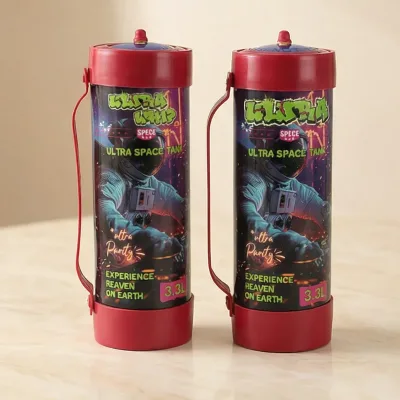


Eco-Friendly N2o Cream Chargers - 660g Fully Packaged for Sustainability
$4.90 - $5.90
MOQ: 9000 Pieces


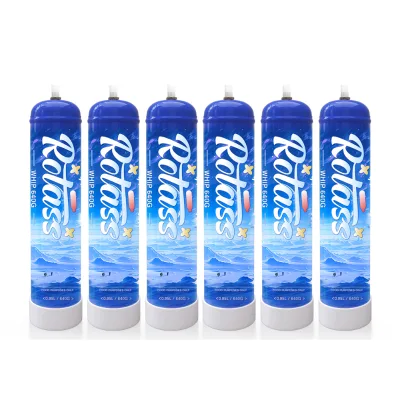
Factory Direct Wholesale Price 640g Carbon Steel Eco-Friendly for Cream Chargers
$5.07 - $5.68
MOQ: 10080 pieces


OEM Acceptable Wholesale Cream Charger Export Quality 615g Whipped Cream Chargers
$5.30 - $5.70
MOQ: 432 Pieces


Comprehensive Sourcing Guide
Eco-Friendly Cream Chargers Sourcing Guide
Procurement teams must first distinguish between standard nitrous oxide chargers and those marketed with specific environmental attributes, as the supplied data indicates a primary focus on food-grade carbon steel construction rather than explicit eco-certifications. While the product listings highlight high purity levels ranging from 99.9% to 99.999%, buyers should verify if the "eco-friendly" designation refers to the recyclability of the steel canisters or the efficiency of the gas usage in dessert applications. The observed product range includes various models such as 3.3L and 0.95L chargers, suggesting that volume and capacity are the primary differentiators rather than a distinct green material composition.
Buyers should carefully evaluate the supplier's ability to provide private labeling and OEM services, which often serve as a proxy for sustainability commitments in the B2B market. The availability of customization for color and logo allows brands to align packaging with their corporate sustainability goals, even if the core product remains a standard gas charger. Since the origin is listed as China with specific production sites in Jiangxi, sourcing teams must assess the local manufacturing standards to ensure that the "food grade" claim is backed by rigorous internal quality controls rather than just marketing terminology.
Product Scope and Observed Listing Signals
The observed product scope centers on cream whippers and dessert tools designed for use with nitrous oxide gas, with specific model numbers indicating capacities like 3.3L and 0.95L. Listings show a clear segmentation between different gas weights, such as 2000g and 640g variants, which directly impacts the operational lifespan of the charger in commercial kitchens. The application scope extends broadly to cakes, coffee, milk tea, and other food and beverages, confirming that these items are essential tools for professional pastry chefs and beverage specialists rather than niche hobbyists.
Price signals in the market range from 4.2 to 48 USD, reflecting significant variance based on packaging density, brand positioning, and order volume. The minimum order quantity (MOQ) varies widely from small batches of 2 units to full container loads of 10,080 pieces, indicating that the market serves both small retailers and large industrial distributors. Buyers must analyze whether the lower price points correspond to standard packaging or if they represent bulk discounts on the 640g and 660g models, which are frequently listed with specific box configurations like 6 pieces per box.
Technical Specifications to Verify
Technical verification must begin with the material composition, as the supplied facts explicitly identify carbon steel as the primary construction material for these chargers. Buyers should confirm that the steel grade meets food safety standards to prevent any metallic contamination during the dispensing process, especially given the high-pressure nature of the gas storage. The observed specifications list a pressure rating of "High," which necessitates a rigorous check of the valve integrity and the structural integrity of the canister to ensure safe operation under repeated use.
Gas purity is another critical technical parameter, with listings citing ranges from 99.9% up to 99.999% and specific mentions of 99.95% purity. Procurement teams must request batch-specific test reports to validate these purity claims, as impurities can affect the texture of whipped cream and the flavor profile of the final dessert. Additionally, the physical dimensions of the packaging, such as the 23.3 * 15.7 * 35.5 cm carton for 6-piece boxes, must be verified to ensure compatibility with existing storage racks and automated dispensing systems in the buyer's facility.
Compliance and Safety Documentation
Compliance verification requires a thorough review of the certification documents provided by the supplier, with CE and FDA marks appearing as key indicators of regulatory adherence in the supplied data. Buyers should not assume these certifications are current or valid for the specific batch being ordered; instead, they must request copies of the actual certificates and verify their expiration dates and scope. The mention of "Food Grade" standards further reinforces the need for documentation that proves the product is safe for direct contact with consumable food items.
Safety documentation must also address the specific handling requirements for high-pressure gas cylinders, even though these are single-use chargers. The product listings note advanced applications in medical and industrial sectors, which implies a high level of gas purity that requires careful handling protocols to prevent accidental release or misuse. Buyers should ensure that the supplier provides clear safety data sheets (SDS) that outline the risks associated with nitrous oxide and the proper disposal methods for the empty carbon steel canisters to meet local environmental regulations.
Cost Drivers and Commercial Terms
Cost drivers in this market are heavily influenced by the order volume, with MOQs ranging from a single unit to a full 20-foot container holding over 10,000 pieces. The price variance observed between 4.2 and 48 USD suggests that unit economics improve significantly with larger orders, but buyers must calculate the total landed cost, including shipping and customs duties, to determine the true cost per unit. The specific packing configurations, such as 2 pieces per box or 6 pieces per box, also impact the efficiency of logistics and the overall cost of storage and handling.
Commercial terms regarding customization and private labeling services are significant factors in the total cost of ownership. Suppliers offering OEM and ODM services may charge a premium for custom logos and colors, which can be a strategic investment for brands looking to differentiate their products. Buyers should negotiate clear terms regarding lead times and production schedules, especially when dealing with large container orders, to ensure that the supply chain remains resilient against potential delays in manufacturing or shipping from the Jiangxi region.
Supplier Qualification and Quality Control
Supplier qualification should focus on the manufacturer's capacity to deliver consistent quality across different model numbers, such as the 3.3L and 0.95L variants. The presence of multiple model numbers and weight specifications indicates a mature production line, but buyers must verify that the quality control processes are standardized across all SKUs to prevent inconsistencies in gas purity or canister strength. The ability to provide samples for testing is a critical step in this qualification process, allowing buyers to physically inspect the carbon steel construction and valve performance before committing to a large order.
Quality control protocols must also address the packaging integrity, as the listed packing standards vary from 1 piece per box to 6 pieces per box with specific carton dimensions. Buyers should audit the supplier's packaging procedures to ensure that the chargers are protected against damage during transit, which is crucial for maintaining the high-pressure integrity of the gas canisters. Additionally, the supplier's track record in providing private label services should be evaluated to ensure they can maintain brand consistency and quality standards throughout the production run.
Long-Term Procurement Checks
Long-term procurement strategies should include regular audits of the supplier's compliance with food safety standards and environmental regulations. As the market evolves, buyers must stay informed about changes in regulations regarding nitrous oxide usage and the disposal of carbon steel canisters to ensure continued compliance. The initial verification of CE and FDA certifications should be followed by periodic re-verification to ensure that the supplier maintains these standards over time and does not lapse in their regulatory obligations.
Buyers should also establish a feedback loop with the supplier to monitor product performance and address any quality issues that arise during the usage of the chargers. The high purity claims and specific model numbers provide a baseline for performance, but real-world usage in commercial kitchens may reveal issues that require immediate attention. By maintaining open communication and conducting regular quality reviews, procurement teams can ensure a stable supply of high-quality cream chargers that meet the evolving needs of their customers and business operations.
FAQs
What gas is used in these cream chargers?
Nitrous oxide (N2O) is the standard gas used in these cream chargers. The product facts confirm the gas type is N2O, suitable for whipping cream and other food applications. High purity levels ranging from 99.9% to 99.999% ensure consistent performance for culinary and beverage preparation tasks.
Can I customize the logo and color?
Yes, customization for color and logo is available for these cream chargers. The supplier offers OEM, ODM, and private label services. Buyers can request specific branding to match their business identity, making these chargers suitable for commercial use in cafes, bakeries, and beverage shops requiring branded dessert tools.
What certifications do these cream chargers have?
These cream chargers hold CE and FDA certifications. The product facts explicitly list these standards, indicating compliance with relevant safety and quality regulations. This ensures the chargers meet necessary requirements for food-grade applications and international trade, providing assurance for buyers sourcing dessert tools for commercial food service environments.
What is the minimum order quantity for these chargers?
The minimum order quantity is one 20-foot container. The product facts state the MOQ as 1*20FT Container, with packing options like 6 pieces per box. This bulk requirement suits large-scale buyers, ensuring efficient logistics for commercial operations needing substantial supplies of cream chargers for consistent dessert and beverage production.
What materials are used to make these chargers?
These cream chargers are made from carbon steel. The product facts specify carbon steel as the material, ensuring durability and high pressure resistance. This construction supports safe usage in cream whippers, providing reliable performance for whipping cream and other food applications while maintaining structural integrity under high-pressure conditions during operation.
Where are these cream chargers manufactured?
These cream chargers are manufactured in China, specifically in Jiangxi. The product facts confirm the origin as Jiangxi, China. This location serves as the production base for these dessert tools, offering buyers access to established manufacturing capabilities for high-volume production of cream chargers and related baking equipment for global distribution.