Source Eco-Friendly Cotton Polyester Hoodie for Business, Sports, Leisure
Find 30 verified options for the Eco-Friendly Cotton Polyester Hoodie featuring breathable and moisture-wicking properties. Buyers can compare custom design capabilities, fabric blends, and lead times from suppliers in Guangdong, China.
Key considerations
Products List
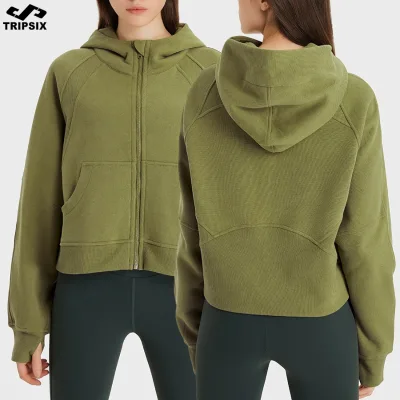


Organic Cotton Heavyweight Hoody 480GSM Eco Friendly Streetwear Fashion
$12.99 - $18.99
MOQ: 50 Pieces


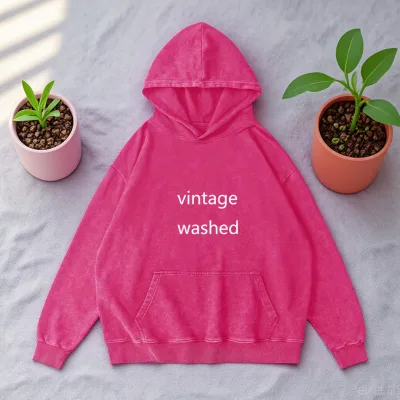

Comprehensive Sourcing Guide
Eco-Friendly Cotton Polyester Hoodie Sourcing Guide
Sourcing eco-friendly cotton polyester hoodies requires a nuanced understanding of how blended fabrics balance performance with sustainability claims. The core keyword highlights a specific material composition that merges the natural comfort of cotton with the durability and moisture-wicking properties of polyester. Buyers must navigate the distinction between generic blended garments and those explicitly marketed with environmental certifications or responsible sourcing practices. This guide provides a structured approach to evaluating suppliers, verifying technical specifications, and ensuring that the final product aligns with both functional requirements and ethical procurement standards.
The procurement process for these garments involves careful selection of fabric blends, typically ranging from 70% cotton to 30% polyester, which offers a balance of breathability and quick-drying capabilities. This specific ratio is often preferred for business, sports, and leisure applications because it mitigates the shrinkage common in pure cotton while retaining the soft hand-feel that consumers expect. Understanding these material dynamics is essential for defining the right product scope, as the blend directly influences the garment’s lifecycle, care instructions, and end-user satisfaction.
Product Scope and Observed Listing Signals
The current market landscape for custom zip-up hoodies reveals a diverse range of options, with observed price points varying significantly based on customization levels and order volumes. Listings indicate a price range that accommodates both small-batch prototyping and larger production runs, with minimum order quantities (MOQs) starting as low as one piece for samples and scaling up to 500 pieces for bulk orders. This flexibility allows buyers to test designs and fabric quality before committing to large-scale production, reducing the financial risk associated with custom apparel procurement.
Observed product attributes highlight a strong emphasis on customization, with features such as digital printing, screen printing, and embroidery widely available. Suppliers frequently offer fixed hood types, long sleeves, and a variety of sizes from small to XXL, catering to both men’s and unisex markets. The availability of solid and floral patterns, along with color options like black, green, and light grey, provides ample variety for brand differentiation. However, buyers should verify that the "eco-friendly" label is supported by specific material certifications rather than relying solely on marketing terminology.
Technical Specifications to Verify
Verifying the exact fabric composition is the first critical step in ensuring the product meets performance expectations. While many listings claim a blend of polyester and cotton, the specific ratio can vary, with some products specifying 70% cotton and 30% polyester for optimal balance. Buyers must confirm whether the garment is constructed from pure cotton, pure polyester, or a blend, as this affects breathability, moisture-wicking, and durability. Additionally, the presence of features such as quick-dry and sweat-wicking properties should be validated through fabric weight and weave analysis, as these claims are not universal across all listings.
Packaging and logistical specifications also play a crucial role in the total cost of ownership. Standard packaging often includes individual poly-bags for each item, with carton dimensions varying based on the product model, such as 33x23x3 cm for single items or larger dimensions for bulk shipments. Lead times are typically cited as five days for in-stock items, with sample orders supported within seven days, but these timelines can extend for custom designs. Buyers should clarify whether the quoted lead time includes production, quality control, and shipping, as these factors significantly impact inventory planning.
Compliance and Safety Documentation
Sustainability claims in the apparel industry are often accompanied by certifications such as GOTS (Global Organic Textile Standard) or OEKO-TEX, which verify the environmental and safety standards of the textile production. Buyers must request documentation to confirm that the cotton used is organically grown and that the polyester component is sourced responsibly. Without these certifications, the "eco-friendly" label may be misleading, as it does not guarantee that the manufacturing process minimizes water usage, chemical discharge, or carbon emissions.
Safety compliance is equally important, particularly for garments intended for business or sports use. Buyers should ensure that the dyes and finishes used in the printing and embroidery processes meet international safety standards for harmful substances. This includes verifying that the fabric is free from allergens and toxic chemicals that could cause skin irritation. Requesting test reports from accredited laboratories can provide assurance that the final product is safe for end-users and compliant with import regulations in target markets.
Cost Drivers and Commercial Terms
The cost of eco-friendly cotton polyester hoodies is influenced by several factors, including the complexity of the design, the quantity of the order, and the specific customization options selected. Custom designs, such as unique logos or intricate embroidery, typically incur higher setup costs and may require additional lead time. Buyers should negotiate clear terms regarding these additional fees to avoid unexpected charges during the production phase. Understanding the cost structure helps in budgeting accurately and comparing quotes from different suppliers on a like-for-like basis.
Shipping methods and payment terms also impact the overall commercial agreement. Options for shipping by sea, air, or express delivery offer flexibility based on urgency and budget constraints. Buyers should clarify who is responsible for import duties and taxes, as these costs can vary significantly depending on the destination country. Additionally, establishing a clear payment schedule, such as a deposit followed by the balance upon completion of quality control, helps mitigate financial risk and ensures accountability from the supplier.
Supplier Qualification and Quality Control
Evaluating supplier qualifications is essential to ensure consistent quality and reliable delivery. Buyers should assess the supplier’s production capacity, quality control processes, and track record in handling custom orders. Suppliers that offer top quality guarantees and have experience with ODM (Original Design Manufacturing) services are often better equipped to handle complex requirements. Verifying the supplier’s ability to provide samples before bulk production is a critical step in validating their craftsmanship and attention to detail.
Quality control measures should be clearly defined in the purchase agreement, including inspection criteria for stitching, printing, and fabric integrity. Buyers may choose to conduct third-party inspections during or after production to ensure that the goods meet the specified standards. Establishing a clear process for handling defects or discrepancies is also important, as it ensures that any issues are resolved promptly without disrupting the supply chain. Building a strong relationship with the supplier through clear communication and mutual expectations can lead to better long-term outcomes.
Long-Term Procurement Checks
Sustainable sourcing is an ongoing commitment that requires regular review and adjustment of supplier practices. Buyers should periodically audit their suppliers to ensure that they continue to meet environmental and social responsibility standards. This includes verifying that the suppliers are adhering to the certifications they claim and are implementing continuous improvement initiatives to reduce their environmental footprint. Regular communication with suppliers about sustainability goals can foster collaboration and drive positive change in the supply chain.
As market trends and consumer preferences evolve, buyers must remain agile in their procurement strategies. This may involve exploring new materials, such as recycled polyester or organic cotton blends, to enhance the eco-friendly credentials of the products. Additionally, staying informed about regulatory changes in target markets ensures that the products remain compliant and competitive. By maintaining a proactive approach to supplier management and product development, buyers can build a resilient and sustainable supply chain that supports long-term business success.
FAQs
What materials are used for the Eco-Friendly Cotton Polyester Hoodie?
The hoodie is made from a blend of 70% cotton and 30% polyester. This fabric composition ensures the garment is breathable, eco-friendly, and offers quick-dry properties suitable for various activities.
Can I order a custom design with an embroidered logo?
Yes, custom designs and embroidered logos are available for this product. Buyers can request specific branding details, and the supplier supports ODM services to meet unique design requirements.
What is the minimum order quantity for this hoodie?
The minimum order quantity is one piece. This low MOQ allows buyers to test the product quality before committing to larger bulk orders for business or promotional purposes.
How long does it take to receive a sample order?
Sample orders can be produced within seven days. The standard lead time for general orders is five days, ensuring quick turnaround for urgent business needs or design approvals.
Which sizes are available for the custom zip-up hoodie?
Available sizes include S, M, L, XL, and XXL. Some variations may also come in a free size option, catering to different fit preferences for men and unisex applications.
What packaging details are provided for each item?
Each hoodie is packed individually in a poly bag. The final delivery packaging consists of one piece per poly bag inside a carton, with options for standard size packaging dimensions.
Where is the place of origin for these hoodies?
The products originate from Guangdong, China. This location is a known manufacturing hub, ensuring access to established supply chains and efficient logistics for international shipping.