Source Eco Friendly Crystal Jesus Keychain for Gifts, Promotions, and Easter
Find 30 listings for the eco friendly crystal jesus cross keychain from manufacturers in Zhejiang. Buyers can compare zinc alloy and metal options with custom shapes and OEM logo services for religious gifts and promotions.
Key considerations
Products List
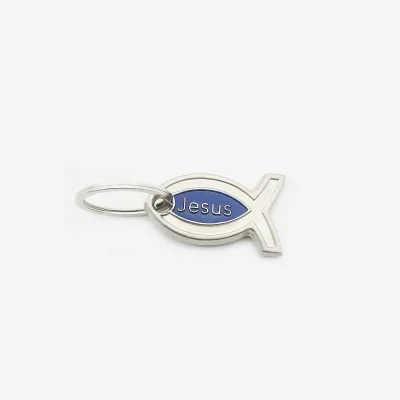
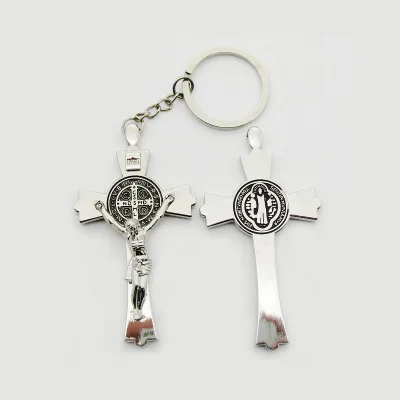

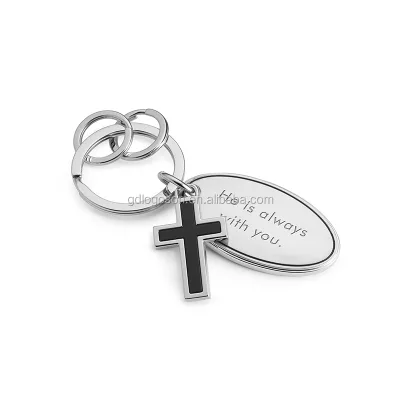
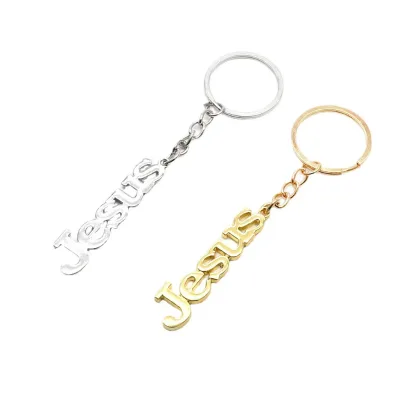
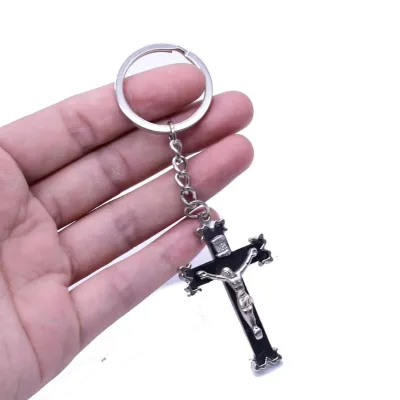
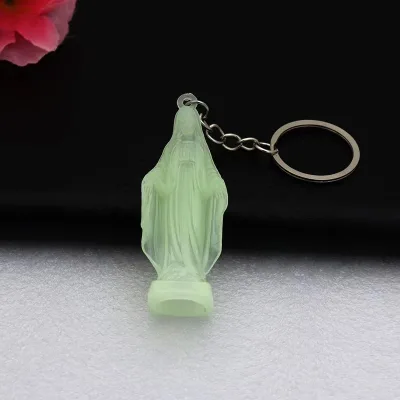
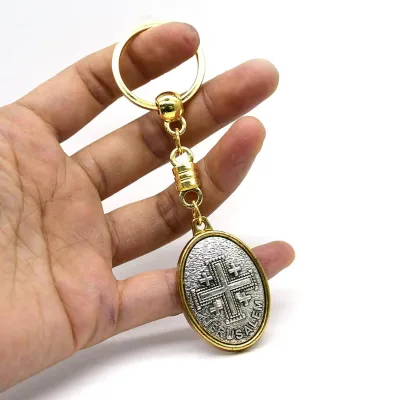
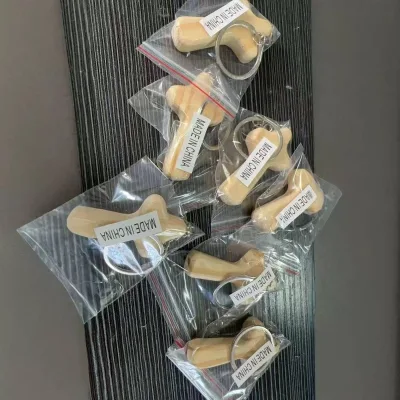


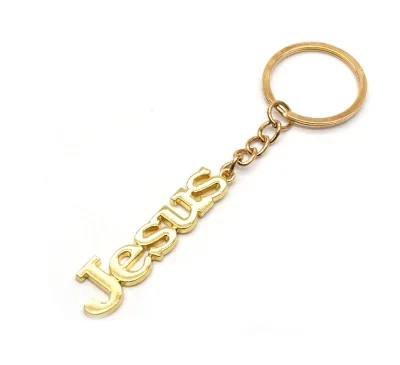
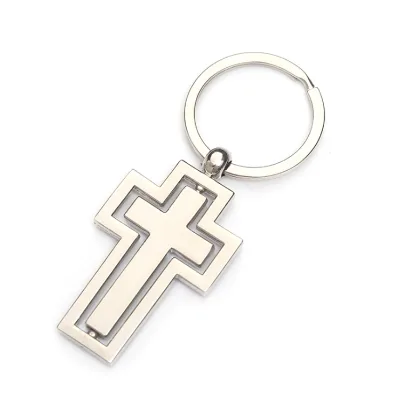

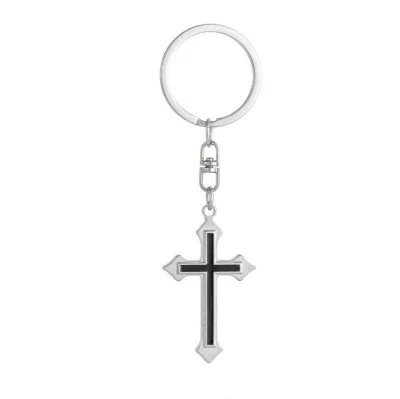
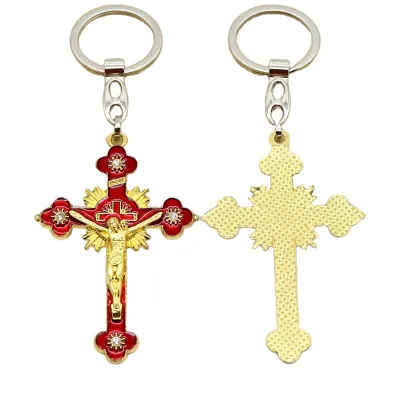


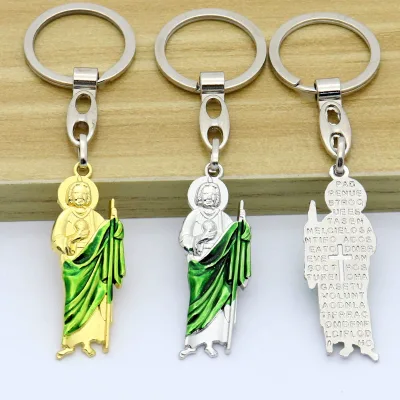
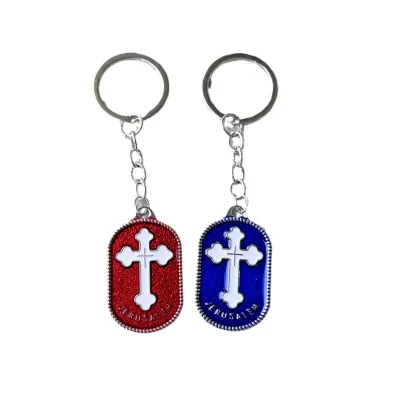
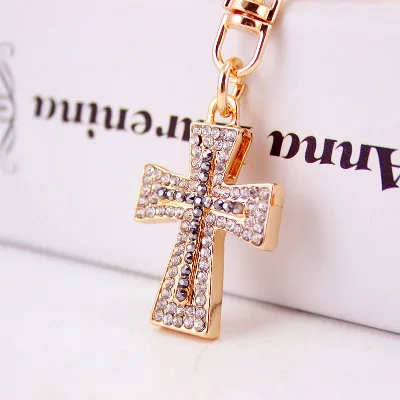
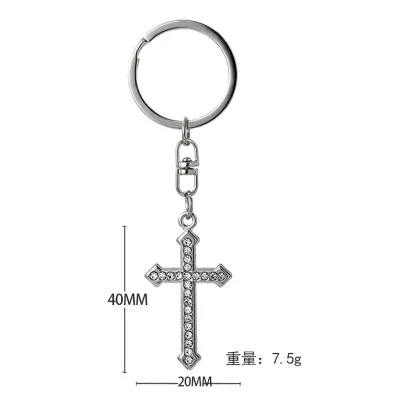

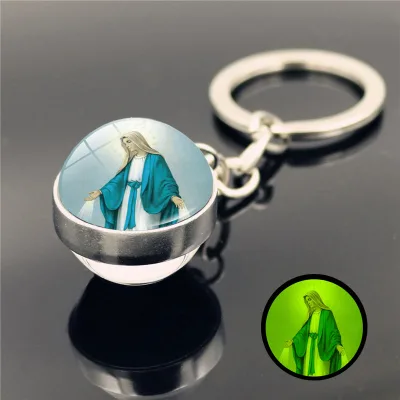
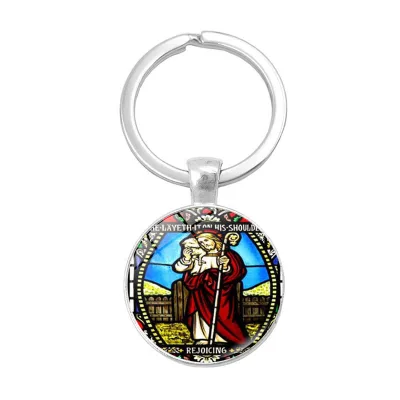
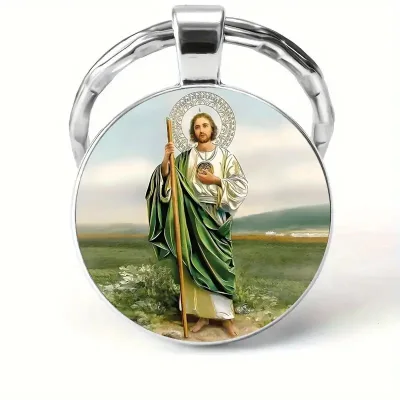
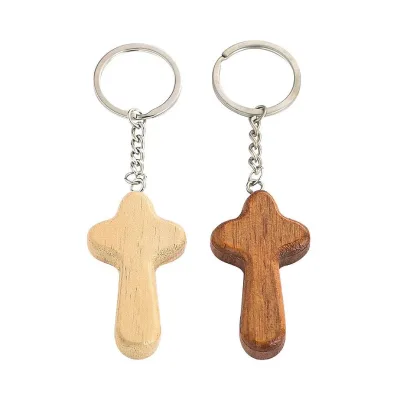
Comprehensive Sourcing Guide
Strategic Sourcing Guide for Eco-Friendly Crystal Jesus Keychains
The global demand for religious accessories has expanded significantly, with a specific niche emerging for eco-friendly and crystal-embedded items. Buyers searching for an "eco-friendly crystal jesus keychain" must navigate a complex supply landscape where material definitions, manufacturing processes, and ethical sourcing claims vary widely. This guide provides a disciplined approach to sourcing these items, grounded in the specific product attributes observed in the current market and standard B2B procurement principles. The objective is to equip procurement professionals with the knowledge to identify genuine eco-friendly products, verify supplier capabilities, and ensure compliance without relying on unverified marketing claims.
Understanding Material Composition and Environmental Claims
The term "eco-friendly" in the context of keychain manufacturing is often ambiguous. In the observed product data, materials range from Zinc Alloy and general Metal to PVC and unspecified composites. A genuine eco-friendly claim requires a rigorous examination of the base material and the binding agents used. Zinc Alloy, frequently cited in the provided product specifications, is a durable metal but its environmental footprint depends heavily on the recycling content and the electroplating process used to achieve finishes like Silver. Conversely, PVC, also noted in the data, is a plastic that presents significant environmental challenges unless explicitly certified as recycled or bio-based.
Buyers must distinguish between "crystal" as a marketing term and actual material composition. In many religious keychains, the "crystal" element may be glass, acrylic, or a resin composite rather than genuine cut gemstones. When evaluating a supplier, the procurement team should request a Material Safety Data Sheet (MSDS) and a detailed bill of materials. The presence of Zinc Alloy suggests a metal-based product, while the mention of PVC indicates a polymer-based alternative. If the core keyword specifies "crystal," the buyer must verify if the supplier uses lead-free glass or sustainable acrylic alternatives. The provided data lists "Metal" and "Zinc Alloy" as primary materials, which implies that any "crystal" component is likely an inlay or an accent piece rather than the primary structural material.
Technical Specifications and Design Customization
Technical specifications are the backbone of any procurement agreement. The observed product data reveals a high degree of customization, with attributes such as "custom" size, "customized designs," and "OEM LOGO" availability. Specific model numbers like FJKPQ1617 and FJKPQ501055 indicate that suppliers operate with distinct SKUs for different design iterations. The physical dimensions vary significantly, with observed single package sizes ranging from 7x3x1 cm to 10x8x1 cm, and specific product dimensions like 7.5x4.3 cm or 4.8x3 cm.
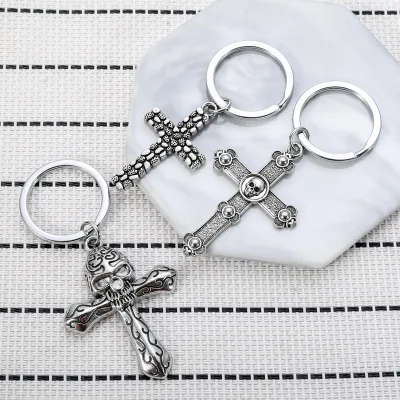
When sourcing a "Jesus cross keychain," the shape is a critical technical parameter. The data confirms "Cross Shape" and "Custom Shape" as available options, alongside specific styles like "Religion" and "Revolving cross." The "Human" shape attribute suggests that some suppliers may offer figurative designs beyond the traditional cross. Buyers should define their technical requirements clearly, including the exact dimensions, the type of metal finish (e.g., Silver), and the method of attachment. The "Single gross weight" of 0.030 kg provides a baseline for shipping calculations, but this can vary based on the density of the metal and the inclusion of additional crystal elements.
The printing and finishing techniques are equally important. The data lists "Embossing Printing" and "laser" as observed attributes. Laser engraving is often preferred for eco-friendly claims as it does not require inks or solvents, reducing chemical waste. Embossing, while durable, may involve different material stressors. Buyers should specify the desired finishing technique to ensure it aligns with their sustainability goals. Furthermore, the "Logo" attribute indicates that OEM customization is standard, allowing brands to imprint their own religious symbols or corporate logos, provided the supplier has the necessary laser or embossing equipment.
Compliance, Certification, and Regulatory Standards
Navigating compliance is essential for international trade, particularly for products intended for religious or gift markets. The provided data includes a specific HS Code: 3926400000. This code typically classifies "Other articles of plastics," which suggests that products containing PVC or significant plastic components fall under this category. However, products primarily made of Zinc Alloy might fall under different metal classification codes. This discrepancy highlights the need for buyers to verify the HS Code based on the final product composition to ensure accurate duty assessment and customs clearance.
Regarding certifications, the data mentions "ce" as a product standard. The CE marking indicates conformity with health, safety, and environmental protection standards for products sold within the European Economic Area. While this is a positive indicator, it does not automatically certify the product as "eco-friendly" in terms of material sourcing or carbon footprint. Buyers should verify if the CE certification covers the specific components, such as the plating on the Zinc Alloy or the plastic content in PVC items. Additionally, for products claiming to be eco-friendly, buyers should look for third-party certifications like ISO 14001 for environmental management systems or specific material certifications for recycled content.
The "Sample Lead Time" of 5-7 days and "Delivery Date" of 15-25 days are operational metrics that reflect the supplier's efficiency. However, these timelines do not account for the time required to verify certifications or conduct pre-shipment inspections. Buyers should factor in additional time for compliance checks, especially if the target market has strict regulations regarding heavy metals in jewelry or plastic content. The "MOQ" (Minimum Order Quantity) varies widely, from 50 pcs to 3000 pcs, with a high-confidence observation of 1000 pcs. This variance allows for flexibility in ordering but requires careful negotiation to balance cost efficiency with inventory risk.
Cost Drivers and Pricing Dynamics
The observed price range of 0.1 to 2.68 USD per unit indicates a highly competitive market with significant variation based on material and complexity. The lower end of the spectrum likely corresponds to simpler PVC or basic metal designs with minimal customization, while the higher end may reflect intricate crystal inlays, premium plating, or complex laser engraving. The "Selling Units" are listed as "Single item," suggesting that pricing is often calculated per piece, but bulk discounts are implied by the MOQ structure.
Several factors drive the cost of these keychains. The primary driver is the material cost; Zinc Alloy is generally more expensive than PVC, and the inclusion of genuine crystal or high-quality glass will further increase the unit price. The complexity of the design also plays a role; "Customized Designs" and "OEM LOGO" services require additional setup time and tooling, which can increase the initial cost. The "Handmade" attribute, observed in the data, suggests that labor costs are a significant component, particularly for detailed religious iconography. Handmade processes often result in higher unit costs but can offer superior quality and uniqueness.
Buyers should also consider the packaging costs. The data specifies "1pc/opp Bag" and "200PCS/CTN" packing standards. Eco-friendly packaging, such as recycled paper or biodegradable bags, may incur a premium over standard OPP bags. When negotiating prices, buyers should request a breakdown of costs to understand the contribution of materials, labor, and packaging. The wide MOQ range allows for strategic ordering; smaller orders (e.g., 50 pcs) may have a higher unit price but lower total capital outlay, while larger orders (e.g., 1000+ pcs) offer economies of scale but require more storage and cash flow management.
Supplier Evaluation and Quality Control Protocols
Evaluating suppliers for religious and eco-friendly products requires a multi-faceted approach. The "Place of Origin" is consistently listed as "Zhejiang, China" or "Zhejiang, China (Mainland)," indicating a concentrated manufacturing hub. While this region is known for its manufacturing capabilities, buyers must conduct due diligence to ensure the supplier adheres to ethical labor practices and environmental standards. The "Feature: Handmade" attribute suggests that the supplier may rely on skilled artisans, which necessitates a review of their workforce management and working conditions.
Quality control is paramount, especially for products with religious significance where durability and aesthetic appeal are critical. Buyers should implement a rigorous QC protocol that includes material verification, dimensional checks, and finish inspection. The "Single package size" and "Single gross weight" provide benchmarks for verifying that the shipped product matches the ordered specifications. For "crystal" elements, buyers should check for clarity, color consistency, and secure attachment to the metal base. The "Color: Silver" observation indicates a standard finish, but buyers should request color swatches to ensure the plating meets their brand standards.
When evaluating suppliers, buyers should request samples that match the specific "Model Number" and "Product Type" they intend to order. The data shows multiple models (FJKPQ1617, FJKPQ501055, SR133), each with unique attributes. Comparing these samples side-by-side can reveal differences in quality, weight, and finish. Additionally, buyers should verify the supplier's ability to handle "Customized Designs" and "OEM LOGO" requests without compromising the structural integrity of the keychain. The "Customization: Available" attribute confirms that flexibility is a standard offering, but the extent of this flexibility should be defined in the contract.
Long-Term Procurement and Market Applications
The "Application" of these keychains is diverse, ranging from "Religious" and "Easter" to "Gift" and "Promotion gift." This versatility makes them suitable for a wide range of markets, including churches, religious organizations, corporate promotional campaigns, and retail gift shops. The "Usage: Promotion Gifts" and "Suitable for: Universal" attributes suggest that these items are designed for broad appeal. However, the "Eco-friendly" aspect adds a layer of value for buyers targeting environmentally conscious consumers or organizations with sustainability mandates.
Long-term procurement strategies should focus on building a stable supply chain that can adapt to changing market demands. The "Delivery Date" of 15-25 days indicates a relatively short lead time, which is beneficial for managing inventory and responding to seasonal spikes, such as the Easter season. However, buyers should plan for potential disruptions by maintaining relationships with multiple suppliers and securing buffer stock. The "MOQ" flexibility allows for testing new designs with lower risk before committing to large-scale production.
Buyers should also consider the lifecycle of the product. A "Handmade" keychain made of Zinc Alloy is likely to have a longer lifespan than a PVC alternative, reducing the need for frequent replacement and aligning with sustainability goals. The "Logo: OEM LOGO" capability ensures that the product can be branded for long-term marketing campaigns. By focusing on quality and durability, buyers can enhance the perceived value of their brand and foster customer loyalty.
Comparative Analysis of Product Attributes
To facilitate decision-making, the following table summarizes the key attributes observed in the market data, highlighting the variations that buyers must consider when sourcing eco-friendly crystal Jesus keychains.
| Attribute | Observation A (Metal Focus) | Observation B (Mixed/Plastic Focus) | Procurement Consideration |
|---|---|---|---|
| Material | Zinc Alloy | PVC, Metal | Verify material composition for eco-claims. |
| Shape | Cross Shape | Custom Shape, Human | Define shape requirements early to avoid errors. |
| Size | Custom | 7.54.3CM, 4.83CM | Request specific dimensional drawings for QC. |
| Finish | Silver | Silver, Revolving | Check plating quality and color consistency. |
| MOQ | 1000 pcs (High Confidence) | 50 pcs | Balance volume discounts with inventory risk. |
| Lead Time | 15-25 days | 15-25 days | Plan for seasonal demand spikes. |
| Certification | CE | CE | Verify scope of CE for specific materials. |
| Packaging | 1pc/opp Bag | 200PCS/CTN | Evaluate packaging sustainability options. |
| Origin | Zhejiang, China | Zhejiang, China (Mainland) | Confirm logistics and origin verification. |
This comparative analysis underscores the importance of precise specification. While the core product category remains consistent, the material and manufacturing details vary significantly. Buyers must align their specific needs with the supplier's capabilities to ensure a successful procurement outcome. By adhering to these disciplined sourcing practices, buyers can secure high-quality, eco-friendly Jesus keychains that meet both their functional and ethical standards.
FAQs
What materials are used for eco friendly crystal jesus keychains?
Products typically use Zinc Alloy or Metal as the base material, with some options featuring PVC. Buyers must verify if crystal elements are genuine glass or acrylic, as the primary structure is often metal-based rather than entirely plastic or stone.
Can I request custom designs for these religious keychains?
Yes, customized designs and OEM logos are standard features available for these items. Suppliers offer flexibility with custom shapes and sizes, allowing buyers to specify unique dimensions like 7.5 by 4.3 cm or specific religious iconography.
Which certifications apply to these keychain products?
Some products carry CE certification as a product standard for safety and environmental protection. However, this does not automatically verify eco-friendly material sourcing, so buyers should request additional documentation regarding recycled content or specific material safety data sheets.
How long does it take to receive samples and bulk orders?
Sample lead times typically range from 5 to 7 days, while delivery dates for bulk orders are estimated at 15 to 25 days. These timelines reflect standard manufacturing efficiency but may vary based on the complexity of the customization requested.
What is the minimum order quantity for these keychains?
Minimum order quantities vary significantly, with observed ranges from 50 pieces up to 3000 pieces. A high-confidence observation indicates a common MOQ of 1000 pieces, though smaller orders are possible depending on the specific supplier and model selected.
Where are these keychains manufactured?
The place of origin is consistently listed as Zhejiang, China or Zhejiang, China Mainland. This region is a concentrated manufacturing hub for religious accessories, offering a wide range of suppliers specializing in metal and plastic keychain production.
How are these keychains packaged for shipment?
Standard packing includes individual OPP bags for single items, with bulk cartons often containing 200 pieces per carton. Buyers should verify if eco-friendly packaging options are available, as standard OPP bags are the default observed method.