Source Eco-Friendly Durable Quartzite Wall Cladding for Homes, Offices, and Hotels
Find and compare eco-friendly durable quartzite wall cladding options from 30 verified suppliers. Evaluate specifications such as WPC and PVC materials, modern designs, and installation methods to find the best fit for your interior or exterior projects.
Key considerations
Products List


Decorative White Quartzite Natural Stone Veneer Wall Panels Cladding for Sale
$21.60 - $22.50
MOQ: 200 Pieces


Quartize Ledge Stone, Quartzite Stacked Stone and Quartize Wall Cladding
$14.50 - $15.00
MOQ: 500 Square Meters

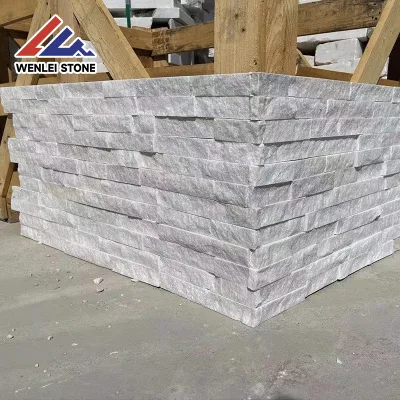


Eco-Friendly Quartzite Quartz Stone Panels - Sustainable & Beautiful
$20.00 - $50.00
MOQ: 50 Square Meters


Comprehensive Sourcing Guide
Eco-Friendly Durable Quartzite Wall Cladding Sourcing Guide
Sourcing wall cladding that balances aesthetic appeal with functional durability requires a clear understanding of material distinctions and market realities. While the core keyword highlights quartzite, a natural stone prized for its hardness and unique veining, the current market landscape for eco-friendly and durable cladding is heavily influenced by engineered alternatives such as Wood Plastic Composite (WPC) and PVC-based panels. Buyers must navigate this distinction carefully, as many suppliers listing "eco-friendly" or "durable" products are actually offering composite materials that mimic natural stone or wood textures. These engineered solutions often provide superior consistency, lower maintenance, and faster installation compared to traditional stone, making them a viable alternative for projects prioritizing speed and cost-efficiency over natural material authenticity.
The procurement strategy must therefore focus on verifying the actual material composition rather than relying solely on marketing terms. Observed listings reveal a wide range of products, from genuine stone cladding to WPC wall panels with PVC film surfaces, each serving different project needs. Understanding the specific performance characteristics of each material type is essential for making an informed decision. For instance, while quartzite offers exceptional scratch and heat resistance, composite panels may offer better waterproofing and easier installation for indoor applications. This guide provides a framework for evaluating these options based on technical specifications, compliance, and commercial terms to ensure the selected cladding meets the project’s durability and aesthetic requirements.
Product Scope and Observed Listing Signals
The observed product scope reveals a diverse array of wall cladding solutions, with a significant presence of WPC and PVC-based panels. These products are often marketed with attributes such as "eco-friendly," "waterproof," and "fire retardant," appealing to buyers seeking sustainable and low-maintenance options. The material composition varies, with some products using a blend of wood plastic composite and PVC film surfaces, while others are purely PVC or WPC. These engineered materials are designed to replicate the look of natural stone or wood while offering enhanced durability and resistance to environmental factors. Buyers should note that these products often come in a variety of colors, including teak, redwood, and light grey, with customization options available to match specific design themes.
Installation and design flexibility are key selling points for these observed products, with features such as interlocking systems, easy installation, and low installation costs frequently highlighted. The surface treatments vary, including groove, embossed, and co-extrusion finishes, with some products featuring high-glossy UV coatings for added durability and aesthetic appeal. The standard sizes observed range from 10050mm to 24402800mm, with customization options available to meet specific project requirements. These signals indicate a market trend towards modular, easy-to-install cladding solutions that reduce labor costs and installation time, making them attractive for both residential and commercial projects.
Technical Specifications to Verify
When evaluating wall cladding, verifying the exact material composition is paramount to ensure the product meets the project’s durability and aesthetic expectations. Buyers should request detailed material specifications to distinguish between natural stone, such as quartzite, and engineered composites like WPC or PVC. For composite products, it is crucial to understand the ratio of wood plastic composite to PVC film, as this affects the panel’s weight, flexibility, and resistance to environmental factors. Additionally, surface treatment details, such as UV coating or PE/PVDF coating, should be confirmed to assess the product’s resistance to fading, scratching, and weathering, especially for outdoor applications.
Dimensional accuracy and installation compatibility are other critical technical aspects that require verification. Buyers should confirm the standard dimensions, such as 10050mm or 24402800mm, and check if customization is available for specific project needs. The installation method, whether interlocking, adhesive, or another system, should be clearly defined to ensure compatibility with the project’s construction timeline and labor capabilities. Furthermore, the product’s weight and volume, such as 3.000 kg per pallet, should be considered for logistics and handling purposes. Verifying these specifications helps prevent unexpected costs or installation issues during the project execution phase.
Compliance and Safety Documentation
Compliance with safety and environmental standards is a critical factor in selecting wall cladding, particularly for commercial and residential projects with strict regulatory requirements. Buyers should verify that the products hold relevant certifications, such as CE, ISO9001, or specific fire retardant and waterproof ratings. These certifications indicate that the product has undergone testing for quality, safety, and performance, providing assurance to project stakeholders. For composite materials, it is important to confirm that the manufacturing process adheres to environmental standards, ensuring that the product is indeed eco-friendly and does not contain harmful substances.
Documentation should also include detailed product data sheets that outline the material’s physical and chemical properties, such as fire resistance class, water absorption rate, and dimensional stability. These documents are essential for architects and contractors to ensure the cladding meets the project’s design and performance criteria. Buyers should request these documents during the supplier evaluation phase and verify their authenticity through independent testing laboratories if necessary. Ensuring comprehensive compliance documentation helps mitigate risks associated with product failure, regulatory non-compliance, and potential liability issues.
Cost Drivers and Commercial Terms
The cost of wall cladding is influenced by several factors, including material composition, surface treatment, customization options, and order volume. Engineered composites like WPC and PVC panels are generally more cost-effective than natural stone, offering a balance of durability and affordability. However, prices can vary significantly based on the complexity of the surface finish, such as high-glossy UV coatings or embossed textures, and the availability of custom colors or sizes. Buyers should request detailed quotations that break down costs by material, processing, and packaging to understand the true cost drivers and avoid hidden fees.
Commercial terms, including minimum order quantities (MOQ), packaging, and lead times, also play a significant role in the overall procurement cost. Observed MOQs range from 50 to 5000 pieces, with packaging options including carton, plastic angle beads, and pallets. Buyers should negotiate terms that align with their project timeline and budget, considering the impact of bulk discounts and shipping costs. Additionally, payment terms and warranty policies should be clearly defined to protect the buyer’s interests. Understanding these commercial dynamics helps in planning the procurement process efficiently and avoiding unexpected financial burdens.
Supplier Qualification and Quality Control
Selecting a reliable supplier is crucial for ensuring the quality and consistency of wall cladding products. Buyers should evaluate suppliers based on their production capabilities, quality control processes, and track record in the industry. Suppliers with ISO9001 certification and established quality management systems are more likely to deliver products that meet specified standards. It is also important to verify the supplier’s ability to handle customization requests, such as specific dimensions or surface finishes, without compromising quality. Requesting samples and conducting factory audits can provide valuable insights into the supplier’s production practices and quality assurance measures.
Quality control should extend beyond the initial order, with regular inspections and testing during production and before shipment. Buyers should establish clear quality acceptance criteria and communicate them to the supplier to ensure alignment. Additionally, suppliers should provide comprehensive after-sales support, including warranty coverage and technical assistance, to address any issues that may arise during installation or use. Building a strong relationship with a qualified supplier helps ensure a smooth procurement process and consistent product quality throughout the project lifecycle.
Long-Term Procurement Checks
Long-term procurement success depends on continuous monitoring of product performance and supplier reliability. Buyers should establish a system for tracking product quality, delivery times, and customer feedback to identify potential issues early. Regular reviews of supplier performance against agreed-upon metrics, such as defect rates and response times, help maintain high standards and drive continuous improvement. Additionally, staying informed about industry trends and technological advancements in wall cladding materials can help buyers make informed decisions and adapt to changing market conditions.
Sustainability and environmental impact should also be considered in long-term procurement strategies. Buyers should prioritize suppliers who demonstrate a commitment to eco-friendly practices, such as using recycled materials or reducing carbon emissions during production. Engaging in dialogue with suppliers about their sustainability goals and initiatives can foster a partnership focused on responsible sourcing. By integrating these long-term checks into the procurement process, buyers can ensure that their wall cladding solutions remain durable, compliant, and aligned with their project’s evolving needs.
FAQs
What materials are used for eco-friendly durable wall cladding?
The products use Wood Plastic Composite and PVC Film Surface materials. Some variants also combine PVC with wood powder composite to ensure durability and eco-friendliness for interior and exterior applications.
Can I customize the color and design of the wall panels?
Yes, customization is available for colors and designs. Buyers can choose from thousands of colors in the catalogue or select specific shades like Teak, Redwood, and Coffee to match their project needs.
How are the wall panels installed on the surface?
Installation is designed to be easy, fast, and interlocking with low costs. The panels feature grooves, embossing, or co-extrusion surfaces that facilitate quick assembly without complex tools or adhesives.
What certifications do the wall cladding products hold?
The products hold ISO9001 and CE certifications. Additional features include waterproof, fire retardant, and soundproof properties, ensuring they meet safety and quality standards for commercial and residential projects.
What are the standard dimensions for the wall panels?
Standard sizes include lengths of 2440mm to 2900mm and widths ranging from 100mm to 300mm. Custom dimensions are also available to fit specific project requirements and architectural designs.
Where are these wall cladding products manufactured?
The products originate from Shandong and Zhejiang provinces in China. These locations serve as the primary production hubs for the eco-friendly durable wall cladding materials supplied.
What is the minimum order quantity for these panels?
The minimum order quantity ranges from 50 to 5000 units depending on the specific product configuration. Buyers should check the specific listing for the exact MOQ applicable to their selected model.