Source Eco Friendly Felt Pull Flag for Events, Parties, and Decor
Find and compare 30 Eco Friendly Felt Pull Flag options from Chinese manufacturers. Evaluate specifications like size, material, and customization to select the right bunting for your holiday or party needs.
Key considerations
Products List
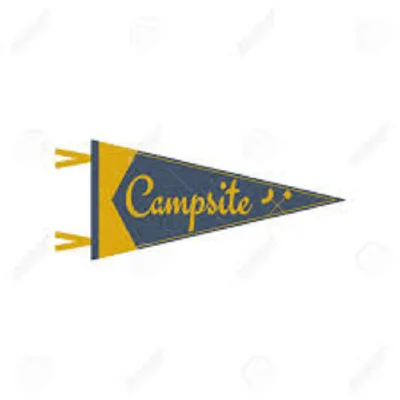
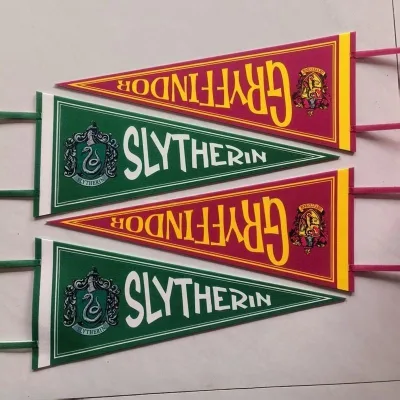
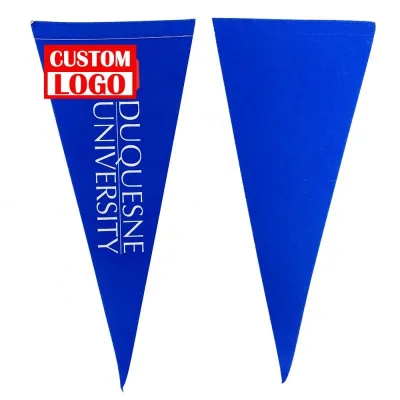


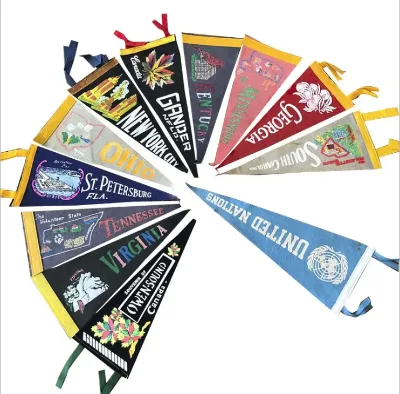
Bold Colorful Attract More Customers to Your Storefront Felt Pennant Flags
$0.99 - $11.99
MOQ: 1 Pieces




Comprehensive Sourcing Guide
Eco Friendly Felt Pull Flag Sourcing Guide
Sourcing eco-friendly felt pull flags requires a disciplined approach that balances aesthetic appeal with material integrity and supply chain transparency. These decorative items, often used for holiday displays, party occasions, and promotional events, rely heavily on the tactile quality of the felt material and the durability of the pull-string mechanism. Buyers must navigate a market where "eco-friendly" is a common marketing term, necessitating rigorous verification of actual material composition and manufacturing practices. The following guide provides evidence-based procurement strategies to help buyers identify reliable suppliers, verify technical specifications, and mitigate risks associated with custom decorative goods.
The core keyword "Eco Friendly Felt Pull Flag" encompasses a range of products, from simple triangular bunting to more complex custom-branded flags. Observed market signals indicate a wide variance in product attributes, including material types such as polyester felt and standard felt, color options ranging from white and beige to army green and navy, and various sizes. Buyers should focus on verifying the specific material claims and construction methods rather than relying solely on product titles. Understanding the distinction between different felt types and their environmental implications is crucial for making informed purchasing decisions that align with corporate sustainability goals.
Product Scope and Observed Listing Signals
The observed product landscape for felt pull flags reveals significant diversity in specifications, which can complicate the sourcing process if not carefully managed. Listings indicate products with dimensions such as 10x15 inches and single package sizes varying from compact 26x38x0.2 cm rolls to larger 40x50x60 cm packages. These variations suggest that suppliers offer both pre-cut standard sizes and fully customizable options. Buyers must clearly define their size requirements early in the inquiry process to avoid receiving samples or shipments that do not fit their intended display areas. The presence of "customize" as a size attribute highlights the flexibility of the market but also increases the complexity of quality control.
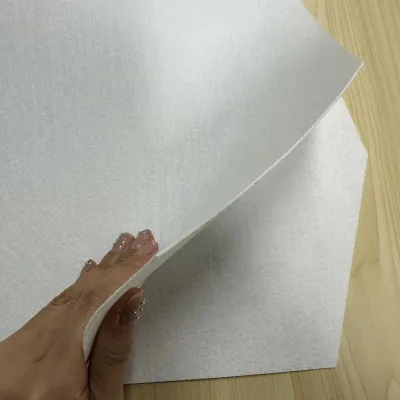
Material composition is another critical area where observed signals vary, with some products explicitly listing "felt" while others specify "polyester felt." This distinction is vital for buyers seeking truly eco-friendly options, as synthetic felts may not biodegrade or meet specific environmental certifications. Additionally, color options are diverse, including white, beige, army green, navy, and red, with some suppliers offering customized colors. Buyers should request physical samples to verify color accuracy and material texture, as digital images often fail to represent the true quality and feel of the felt. The presence of "customized logo" options further indicates that these flags are often used for branding purposes, requiring careful attention to print quality and placement.
Technical Specifications to Verify
Verifying technical specifications is essential to ensure that the felt pull flags meet the intended use case, whether for indoor holiday decorations or outdoor events. Key specifications to confirm include the material weight, single gross weight, and package dimensions, which impact shipping costs and storage requirements. For instance, observed weights range from 0.03 kg for lightweight items to 20.0 kg for bulkier packages, indicating significant differences in product density and packaging methods. Buyers should request detailed packing lists and weight specifications from suppliers to accurately calculate logistics costs and ensure that the product arrives in good condition.
The construction of the pull flag, including the attachment method for the pull string and the durability of the felt edges, should be thoroughly examined. Observed features such as "durable" and "portable" suggest that some products are designed for repeated use, while others may be single-use decorations. Buyers should inquire about the stitching quality, the strength of the pull string, and the resistance of the felt to fraying or tearing. Additionally, the printing method for customized logos, such as the "6 color" printing observed in some listings, should be verified to ensure that the graphics are vibrant and long-lasting. Requesting sample units for stress testing can provide valuable insights into the product's longevity and performance.
Compliance and Safety Documentation
While the term "eco-friendly" is frequently used, buyers must demand concrete evidence of environmental compliance and safety standards. Observed background information mentions certifications such as GOTS (Global Organic Textile Standard), OEKO-TEX, and FSC (Forest Stewardship Council), but these should be treated as potential attributes rather than guaranteed facts. Buyers should request valid certification documents from suppliers to verify that the felt material is produced according to recognized environmental and social criteria. This is particularly important for brands that have strict sustainability policies and need to ensure that their suppliers adhere to similar standards.
Safety documentation is equally critical, especially for products used in environments with children or in public spaces. Buyers should verify that the felt material is free from harmful chemicals and that the printing inks are non-toxic. Requesting test reports from independent laboratories can provide assurance that the products meet relevant safety regulations. Additionally, buyers should inquire about the supplier's quality control processes and whether they conduct regular inspections to ensure consistency in material quality and production standards. This proactive approach helps mitigate risks associated with product recalls or customer complaints related to safety or environmental claims.
Cost Drivers and Commercial Terms
Understanding the cost drivers and commercial terms is essential for negotiating favorable contracts and managing budget constraints. Observed minimum order quantities (MOQs) range from 100 pieces to 10,000 pieces, indicating that suppliers cater to both small-scale buyers and large-volume purchasers. Buyers should align their order quantities with their sales forecasts to avoid excess inventory and minimize storage costs. Additionally, sample times of 7-10 days and the availability of free samples can help buyers evaluate product quality before committing to large orders, although buyers should confirm whether sample costs are refundable upon placing a bulk order.
Shipping costs and lead times are significant factors that can impact the total cost of ownership. Buyers should request detailed quotes that include all costs, such as packaging, shipping, and insurance, to avoid unexpected expenses. The observed place of origin, primarily Shandong and Hebei in China, suggests that buyers should consider the logistics implications of sourcing from these regions. Negotiating favorable payment terms, such as partial payments or escrow services, can also help manage financial risk. Buyers should also inquire about the supplier's policy on defects and returns to ensure that they are protected in case of quality issues.
Supplier Qualification and Quality Control
Supplier qualification is a critical step in ensuring a reliable supply chain for eco-friendly felt pull flags. Buyers should conduct thorough due diligence on potential suppliers, including verifying their business licenses, production capabilities, and past performance. Requesting references from previous clients and visiting the supplier's facility, if possible, can provide valuable insights into their operational standards and quality control processes. Buyers should also assess the supplier's ability to handle customized orders, including their design support and production flexibility.
Quality control measures should be clearly defined and agreed upon before production begins. Buyers should establish specific quality criteria, such as acceptable defect rates, color consistency, and material thickness, and request that the supplier conduct pre-shipment inspections. Implementing a third-party inspection service can provide an additional layer of assurance and help identify any issues before the goods are shipped. Buyers should also maintain open communication with the supplier throughout the production process to address any concerns promptly and ensure that the final product meets their expectations.
Long-Term Procurement Checks
Establishing long-term procurement checks is essential for maintaining a sustainable and efficient supply chain. Buyers should regularly review supplier performance metrics, such as on-time delivery rates, product quality, and responsiveness to issues. Conducting periodic audits of the supplier's facilities and processes can help ensure ongoing compliance with environmental and safety standards. Buyers should also stay informed about industry trends and regulatory changes that may impact the sourcing of eco-friendly materials, allowing them to adapt their procurement strategies accordingly.
Building a strong relationship with suppliers based on mutual trust and transparency can lead to better pricing, priority production, and collaborative innovation. Buyers should engage in regular communication with their suppliers to discuss future needs, share feedback, and explore opportunities for improvement. By fostering a partnership approach, buyers can create a more resilient supply chain that is better equipped to handle disruptions and meet evolving market demands. This long-term perspective helps ensure that the sourcing of eco-friendly felt pull flags remains a strategic advantage rather than a transactional necessity.
FAQs
What is the minimum order quantity for eco friendly felt pull flags?
The minimum order quantity varies by supplier, with observed values ranging from 100 to 500 pieces. Some listings specify 500 pieces as a standard threshold, while others accept orders as low as 100 pieces depending on the specific manufacturer and customization requirements.
Can I request a customized logo on these felt flags?
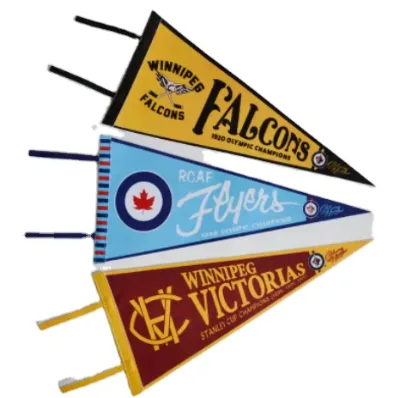
Yes, customized logos are available for these eco friendly felt pull flags. Multiple product listings confirm that suppliers accept customized logo requests, allowing buyers to personalize the flags for specific events, brands, or promotional campaigns without needing a standard design.
What are the typical sample times for these felt flags?
Sample times typically range from 7 to 10 days for production. Some suppliers offer free samples, but the standard lead time to prepare a sample for review is approximately one week, ensuring buyers can verify quality before committing to a larger bulk order.
Which materials are used to make these eco friendly felt flags?
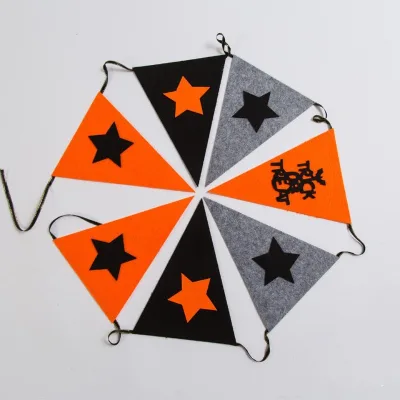
These flags are commonly made from felt or polyester felt materials. The product specifications indicate that felt is the primary material, offering durability and a soft texture suitable for various decorative purposes and holiday occasions like Halloween or Christmas.
Where are these felt flags typically manufactured?
These flags are manufactured in China, specifically in the Shandong and Hebei provinces. Buyers can expect sourcing options from these regions, which are known for producing textile goods and holiday decorations with varying specifications and packaging standards.
What sizes are available for these felt pull flags?
Available sizes include standard dimensions like 10x15 inches or fully customizable options. While some listings specify fixed sizes, many manufacturers offer customization to meet specific project needs, allowing buyers to select the exact dimensions required for their display.