Source Eco Friendly Faux Mink Coat for Winter, Autumn, and Spring
Compare 30 Eco Friendly Faux Mink Coat options featuring various lengths, closures, and shell materials. Buyers can evaluate specifications like down content, lining, and seasonal suitability for women's outerwear needs.
Key considerations
Products List
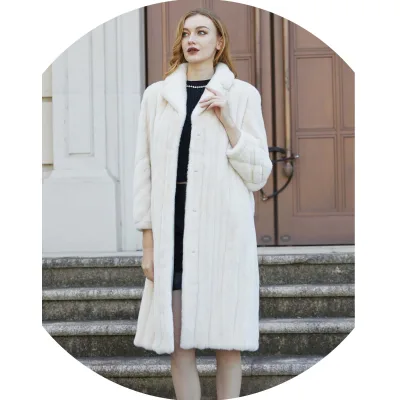
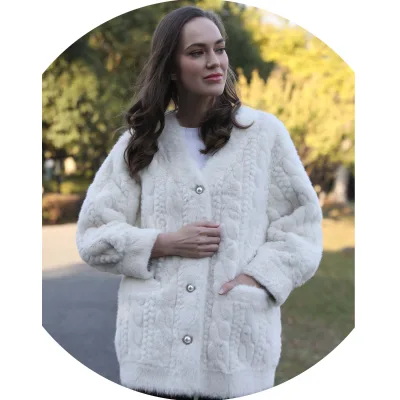
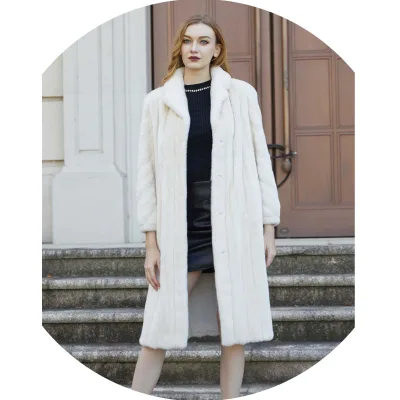

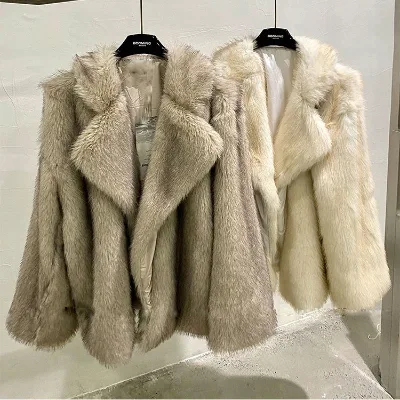


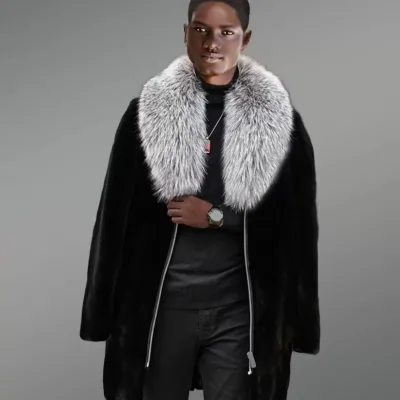
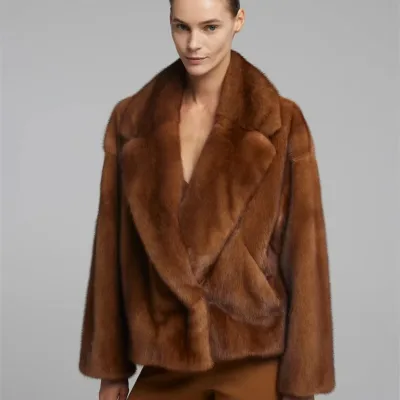
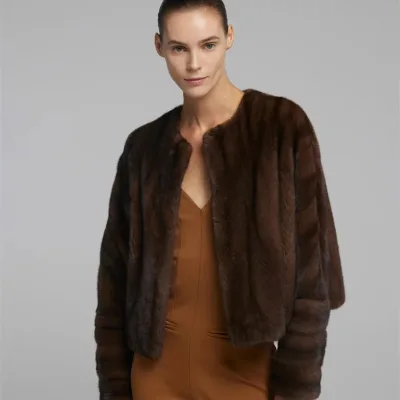

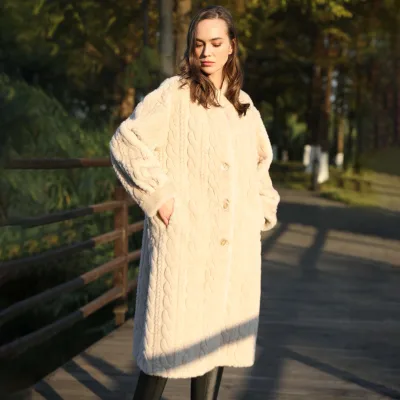
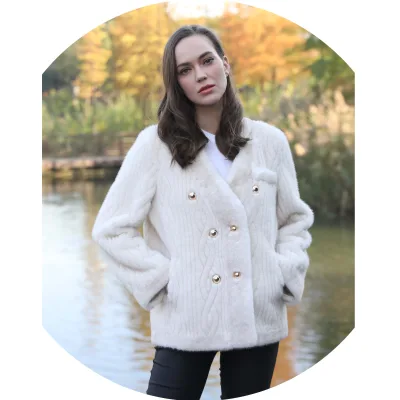
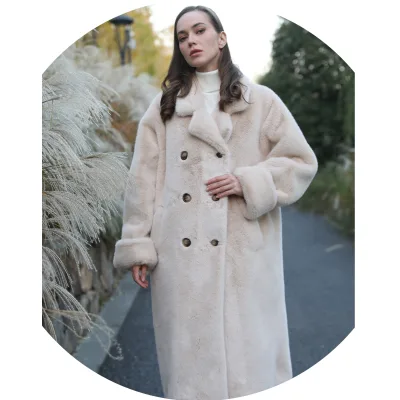
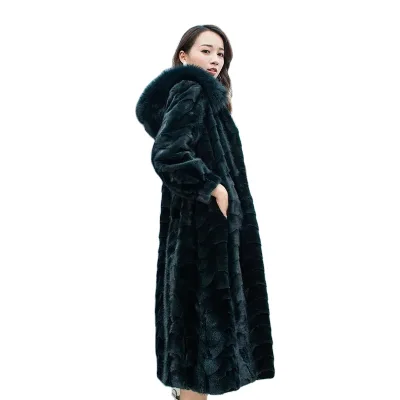

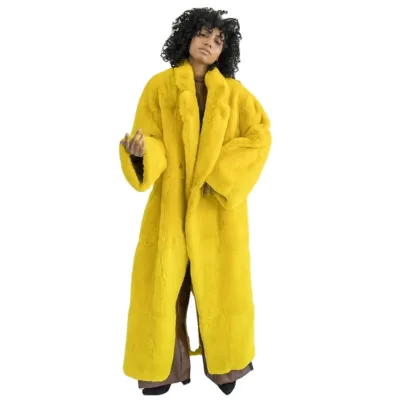
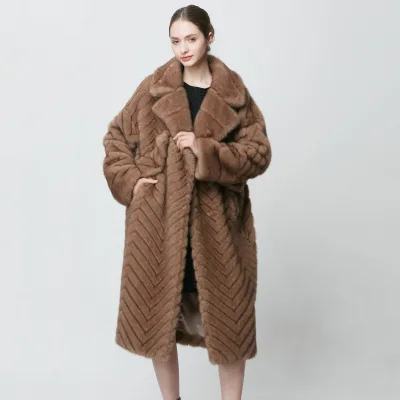
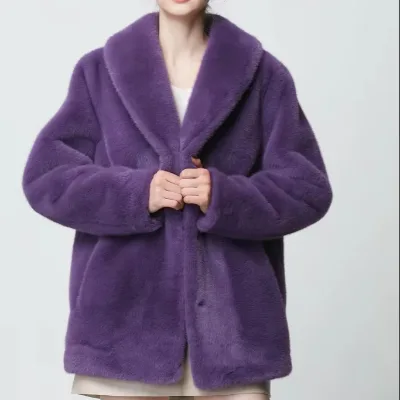
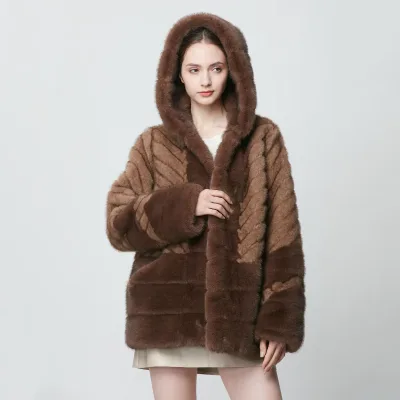
Comprehensive Sourcing Guide
Strategic Sourcing Guide for Eco-Friendly Faux Mink Coats
Understanding Product Specifications and Material Composition
When sourcing an eco-friendly faux mink coat, the primary objective is to distinguish between genuine fur alternatives and synthetic blends that mimic the texture and warmth of mink without the ethical or environmental drawbacks of animal agriculture. Based on the available market data, the shell materials for these garments often include acrylic and polyester, which are standard synthetic fibers used to create the plush, dense pile characteristic of faux mink. The lining materials observed in this category frequently vary between cotton and polyester, offering different breathability and comfort profiles. Buyers must verify the specific fiber composition of the shell to ensure it meets the "faux" definition while maintaining the desired aesthetic.
The construction of these coats often involves specific technical attributes that define their quality and function. For instance, the seamless fusing process is a critical manufacturing technique observed in this sector, ensuring that the fabric layers adhere without visible stitching lines, which enhances the sleek appearance of the garment. The closure types typically range from single-breasted to double-breasted configurations, allowing for versatility in style and fit. Additionally, the thickness of the coat is a significant variable; some listings indicate a "thick" profile suitable for winter conditions, while others describe a "standard" thickness appropriate for transitional seasons like autumn or spring. The presence of a hood is another specification to confirm, as the data shows a mix of hooded and non-hooded options, with the specific model JFB14-23023 noted in certain listings.
The length of the coat is another critical specification that influences the procurement decision. Available options include cropped, regular, and custom lengths, with some suppliers explicitly stating that custom length availability is a standard offering. This flexibility is essential for buyers targeting specific demographics or fashion trends. The sleeve length is generally described as "full" with a regular sleeve style, ensuring complete coverage and warmth. Furthermore, the fabric type can vary, with some products listing real fox fur or raccoon fur, which indicates a need for strict verification to ensure the product is indeed faux mink and not a mislabeled animal product. The weaving method is noted as nonwoven in some contexts, which may refer to the backing or specific construction techniques used to achieve the mink-like texture.
Compliance, Certification, and Ethical Verification
In the realm of eco-friendly fashion, the term "eco-friendly" carries significant weight and requires rigorous verification. While the product attributes list "Eco-friendly" as a feature, buyers must understand that this is an observation rather than a guaranteed certification status. There is no specific certification standard or numerical data provided in the source material that validates the environmental claims of the acrylic or polyester used. Therefore, the procurement strategy must prioritize direct inquiry into the supply chain's environmental practices.
Buyers should request documentation regarding the sourcing of the raw materials. For faux mink coats made from acrylic and polyester, the environmental impact is often tied to the production process, such as the "GARMENT DYED" technique mentioned in the specifications. This method can reduce water usage compared to traditional dyeing, but it requires confirmation of wastewater treatment protocols. The "dye color" printing method and "processing type: dyed" further highlight the importance of chemical management. Buyers must verify that the dyes used are free from hazardous substances and comply with international standards for textile safety, such as REACH or Oeko-Tex, even though these specific standards are not explicitly listed in the provided facts.
The "Eco-friendly" claim also extends to the ethical treatment of animals, which is the primary driver for choosing faux mink. Since the product is marketed as faux, it should not contain any animal-derived fur. However, the data lists "Real Fox Fur" and "Raccoon Fur" as fabric types in some entries, creating a potential compliance risk. This discrepancy underscores the necessity for a strict quality control protocol that includes material testing to confirm the absence of animal fibers. Buyers should not rely solely on the supplier's description but must demand third-party lab reports that verify the fiber composition. Additionally, the "Windproof" and "Soft" features are functional attributes that should be tested to ensure they do not come at the expense of environmental integrity, such as the use of harmful chemical treatments to achieve water resistance.
Cost Drivers and Pricing Dynamics
The pricing for eco-friendly faux mink coats is influenced by a complex interplay of material costs, manufacturing complexity, and order volume. The observed price range in the market spans from $6.7 to $4,990, a variance that reflects the difference between basic synthetic blends and high-end luxury versions with premium finishes. The lower end of the spectrum likely corresponds to standard polyester or acrylic coats with basic construction, while the higher end may involve complex designs, custom branding, or specialized eco-certified materials.
The Minimum Order Quantity (MOQ) is a significant cost driver, with observed ranges from 1 to 500 units. Suppliers offering an MOQ of 1 are typically catering to small businesses or sample buyers, often at a higher unit cost. Conversely, bulk orders can leverage economies of scale, reducing the per-unit price. The supply type, which includes "In-stock Item," "OEM," and "ODM," also impacts pricing. In-stock items may be priced differently due to immediate availability, while OEM and ODM services involve additional costs for custom branding, pattern development, and design adjustments.
Other factors influencing cost include the specific attributes of the coat. For example, the "Thick" thickness and "Fur" shell material (in the context of high-quality faux fur) may increase production costs compared to standard thin coats. The "Seamless Fusing" process and "GARMENT DYED" technique add value but also increase manufacturing complexity and time. The weight of the product, ranging from 1.5kg to 2.2kg, can affect shipping costs, which is a critical component of the total landed cost for international buyers. The "Single package size" of 40x30x15 cm or 40x35x30 cm further influences logistics expenses. Buyers should negotiate based on these variables, understanding that higher quality materials and specialized processes will command a premium price.
Typical Applications and Market Segmentation
Eco-friendly faux mink coats serve a diverse range of applications, catering to various consumer needs and market segments. The primary use case is outerwear for cold weather, with the "Winter" season being the most prominent. However, the availability of "Autumn" and "Spring" options indicates that these coats are versatile enough for transitional weather, provided the thickness is appropriate. The "Windproof" feature makes them suitable for outdoor activities in windy conditions, while the "Soft" texture ensures comfort for daily wear.
The style of the coat determines its market segmentation. The observed styles include "Casual," "Vintage," "Streetwear," "Overcoat," "Luxury," "Sweet," and "Elegant." This variety allows buyers to target different demographics. For instance, "Streetwear" and "Vintage" styles appeal to younger, trend-conscious consumers, while "Luxury" and "Elegant" styles target high-end markets willing to pay a premium for quality and design. The "Plus Size" feature expands the market reach to include a broader range of body types, ensuring inclusivity in the product offering.
The gender specification is listed as "Women," indicating that the primary target audience is female. However, the "Adults" age group suggests that the designs are suitable for a wide range of adult ages. The "Decoration" options, such as "Fur," "Pocket," "Logo," "Patches," "Stripe," and "Front Pocket," allow for customization to meet specific brand identities or fashion trends. The "Color" palette is extensive, ranging from "Green," "Blue," "Yellow," "Black," "Pink," to "Natural White," "Camel," and "Wine," providing ample choice for buyers looking to match seasonal trends or brand color schemes. The "Hooded: No" attribute suggests that some designs focus on a more classic, collar-focused look, while others may offer hooded variants for added functionality.
Supplier Evaluation and Selection Criteria
Selecting the right supplier is critical for ensuring product quality and reliability. The data indicates that suppliers are located in "Zhejiang, China," a region known for its robust textile manufacturing capabilities. Buyers should evaluate suppliers based on their "Supply Ability," which is observed to be up to 5,000 pieces per week. This capacity is a strong indicator of a supplier's ability to handle large orders without significant delays.
The "Lead Time" is another crucial factor. The data mentions "7 days sample order lead time" and "20-day delivery" or "1 week shipping" options. These timelines suggest that suppliers can provide quick turnaround for samples and relatively fast delivery for bulk orders. However, buyers must verify these claims, as lead times can vary based on order complexity and current production loads. The "Support" for sample orders is a positive sign, indicating that suppliers are willing to engage with potential buyers before committing to large orders.
The "Brand Name" attribute, listed as "OEM / Your Brand," highlights the supplier's flexibility in offering private labeling services. This is essential for buyers looking to build their own brand identity. The "Packaging Details," which include "in plastic bag or box," should be evaluated to ensure they meet the buyer's sustainability goals and presentation standards. Additionally, the "Single gross weight" of 1.500 kg and "Single package size" of 40x30x15 cm or 40x35x30 cm should be considered when calculating shipping costs and storage requirements.
Buyers should also assess the supplier's technical capabilities, such as their experience with "GARMENT DYED" techniques and "Seamless Fusing." These processes require specialized equipment and expertise, and a supplier's proficiency in these areas can significantly impact the final product quality. The "Model Number" JFB14-23023 serves as a reference point for specific product lines, allowing buyers to track consistency and quality across different batches.
Quality Control and Long-Term Procurement Strategy
Implementing a robust quality control (QC) strategy is essential for maintaining the integrity of eco-friendly faux mink coats. Given the potential for mislabeling, as seen in the conflicting fabric type data, buyers must establish a clear QC protocol that includes material testing. This should involve verifying the fiber composition to ensure the coat is truly faux mink and free from animal fibers. The "Eco-friendly" claim should be validated through third-party testing for chemical content and environmental impact.
The "Thickness" and "Weight" of the coat are key quality indicators. A coat that is too light may not provide adequate warmth, while one that is too heavy may be uncomfortable. Buyers should request samples to test the "Softness" and "Windproof" properties, ensuring they meet the expected performance standards. The "Seamless Fusing" should be inspected for durability, as poor fusing can lead to delamination over time.
For long-term procurement, buyers should consider the "Supply Ability" and "Lead Time" consistency. A supplier that can consistently deliver 5,000 pieces per week with a 20-day delivery time is a valuable partner. Building a relationship with a supplier who offers "OEM" and "ODM" services can provide flexibility for future product development and customization. The "Custom length available" feature is particularly valuable for adapting to changing market trends and customer preferences.
Finally, buyers should monitor the "Color" stability and "Printing Methods" to ensure that the vibrant colors like "Passion Flower," "Bright Blue," and "Peacock" do not fade or bleed over time. The "Decoration" elements, such as "Logo" and "Patches," should be securely attached and resistant to wear and tear. By focusing on these quality aspects, buyers can ensure that their eco-friendly faux mink coats meet high standards and maintain their value in the market.
Comparative Analysis of Key Product Attributes
To facilitate a clearer understanding of the variations in eco-friendly faux mink coats, the following table summarizes the key attributes observed in the market data. This comparison highlights the diversity in specifications, materials, and features that buyers must consider during the sourcing process.
| Attribute Category | Observed Variations | Procurement Consideration |
|---|---|---|
| Shell Material | Acrylic, Polyester, Real Fox Fur, Raccoon Fur, Woolen | Verify "Faux" status; avoid animal fibers if eco-friendly claim is strict. |
| Lining Material | Cotton, Polyester | Cotton offers breathability; Polyester offers durability and moisture resistance. |
| Thickness | Thick, Standard | "Thick" for winter; "Standard" for autumn/spring. |
| Closure Type | Single Breasted, Double Breasted | Single for casual; Double for formal or vintage styles. |
| Length | Cropped, Regular, Custom | Custom lengths allow for specific fit requirements. |
| Hooded | Yes (implied in some), No | Check specific model; "No" is noted for some listings. |
| Season | Winter, Autumn, Spring | Ensure material weight matches the intended season. |
| Style | Casual, Vintage, Streetwear, Luxury, Elegant | Align style with target demographic and brand identity. |
| Supply Type | In-stock, OEM, ODM | OEM/ODM allows for branding; In-stock for immediate needs. |
| MOQ | 1 - 500 | Lower MOQ for testing; higher MOQ for cost efficiency. |
| Lead Time | 7 days (sample), 20 days (delivery) | Plan production schedules accordingly. |
| Packaging | Plastic bag, Box | Ensure packaging aligns with sustainability goals. |
This comparative analysis underscores the importance of detailed specification review. Buyers must carefully match their requirements with the available options, ensuring that the selected product meets both functional and ethical standards. By leveraging the observed data and conducting thorough due diligence, buyers can successfully source high-quality eco-friendly faux mink coats that align with their business objectives and consumer expectations.
FAQs
What materials are used for the shell of eco friendly faux mink coats?
The shell materials typically include acrylic and polyester to mimic mink texture. Some listings also mention fabric types like real fox fur or raccoon fur, requiring strict verification to ensure the product is truly faux and meets ethical standards.
Can I order a custom length for these coats?
Yes, custom length availability is a standard offering for these garments. Buyers can select from cropped, regular, or specific custom measurements to suit their target demographic or fashion trends without needing a minimum order quantity for samples.
What is the typical lead time for sample orders?
Suppliers support a 7-day sample order lead time for quick evaluation. Bulk delivery options may include a 20-day delivery window or one-week shipping, depending on the specific supplier capacity and current production load.
Which thickness options are available for winter wear?
Coats are available in thick profiles suitable for winter conditions or standard thickness for transitional seasons. The thickness is a key variable, with some listings specifying thick insulation while others describe standard weight for autumn or spring use.
How is the lining material constructed for comfort?
Lining materials frequently vary between cotton and polyester to offer different breathability profiles. This construction choice impacts comfort, with cotton providing natural breathability and polyester offering durability and moisture management for various weather conditions.
What closure types are commonly found on these coats?
Closure types typically range from single-breasted to double-breasted configurations. This versatility allows for different styles, with some models featuring single-breasted designs while others offer the classic look of double-breasted fastening systems.
Can suppliers provide OEM branding for my brand?
Yes, suppliers offer OEM and ODM services allowing you to use your own brand name. This customization includes private labeling and design adjustments, making it suitable for buyers looking to build a distinct brand identity in the market.