Source eco-friendly kitchen silver cleaning cloth for homes, hotels, and offices
Compare 30 listings for eco-friendly kitchen silver cleaning cloth designed for home, hotel, and office use. Buyers can evaluate specifications like material, size, and customization options to find the right supply for their needs.
Key considerations
Products List


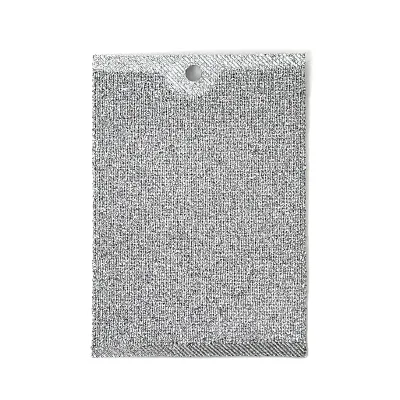

Customized Silver Wire Microfiber Household Kitchen Dish Cleaning Cloth
$0.16 - $0.30
MOQ: 10000 Pieces




Comprehensive Sourcing Guide
Strategic Sourcing Guide for Eco-Friendly Kitchen Silver Cleaning Cloths
Understanding Product Definitions and Material Composition
When sourcing eco-friendly kitchen silver cleaning cloths, buyers must first distinguish between the various material classifications that appear in global supply chains. The term "silver cleaning cloth" often implies a specific functional requirement: the ability to remove tarnish from silverware without causing abrasion, while simultaneously handling kitchen grease and food residues. In the current market, the primary material candidates for this application are non-woven fabrics and microfiber.
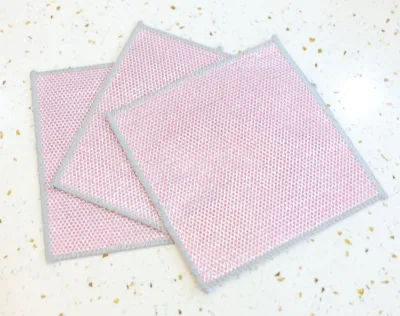
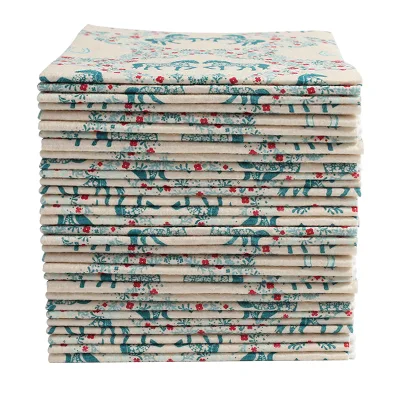
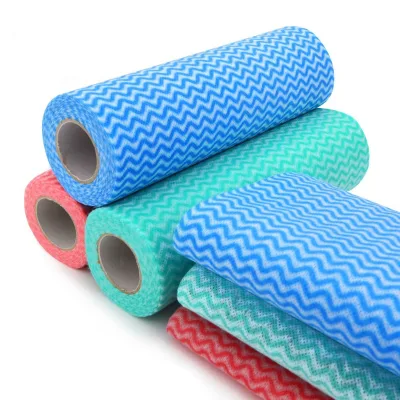
Non-woven fabrics, often cited as "Non-wowen Fabric" in supplier listings, offer a cost-effective solution for single-use or short-life-cycle cleaning tasks. These materials are frequently marketed with attributes such as "Biodegradable" and "Easy to Clean," suggesting an environmental profile that aligns with the "eco-friendly" keyword. However, the biodegradability claim requires verification against specific polymer compositions, as not all non-woven materials degrade at the same rate. Conversely, microfiber fabrics, described in some listings as "Microfiber Fabrics" or "Microfiber," provide a reusable alternative. These cloths are noted for their high absorbency, with some specifications indicating a weight range of 200-500 GSM (grams per square meter). The higher GSM values generally correlate with better durability and liquid retention, which is critical for cleaning oily kitchen surfaces and delicate silver items.
The distinction between these materials is not merely semantic; it dictates the procurement strategy. Non-woven options are often sold in bulk with high Minimum Order Quantities (MOQs), such as 20,000 rolls, and are packaged in cartons with dimensions like 41 * 33 * 28 cm. Microfiber options, on the other hand, may be sold as single items or in smaller packs of 10 pieces, with packaging sizes around 30X10X5cm. Buyers must align their inventory needs with these packaging realities. A "Single Pack" or "Box Packaging" configuration suggests a retail-ready product, whereas bulk carton packing (e.g., 202225PCS or 25cm25cm50PCS) is designed for industrial or hospitality distribution.
Technical Specifications and Performance Attributes
The technical viability of a cleaning cloth for kitchen and silver applications depends on specific performance metrics. Absorbency is a primary concern, with "Medium Absorbency" being a common specification for general kitchen rags. However, for silver cleaning, the cloth must also possess "Easy Bibulous" properties, ensuring it can quickly wick away moisture and cleaning agents without leaving streaks. The physical dimensions of the cloth are equally critical. Standard sizes observed in the market include 30x30cm, 40x40cm, and 35*60cm. Some suppliers offer "Customized Size" options, allowing buyers to tailor the product to specific equipment or hand sizes.
Color is another technical variable that influences the product's utility. While "White" and "Gray" are standard for hygiene and stain visibility, some listings offer a spectrum including "White/Yellow/Blue/Orange/Green/Red." For silver cleaning, neutral colors like white or light grey are often preferred to prevent color transfer, although dyed cloths may be used for specific kitchen zones to prevent cross-contamination. The "Expiration date" of three years is a notable specification for certain non-woven products, indicating a shelf-life limit for the material's structural integrity or chemical treatment.
Packaging standards also play a role in the product's technical readiness. The "Carton" dimensions vary significantly, ranging from 545742cm to 41 * 33 * 28 cm. These dimensions affect logistics costs and warehouse storage efficiency. Furthermore, the "Single Gross Weight" of 0.200kg for individual units provides a baseline for freight calculations. Buyers should verify if the "Weight" specification refers to the GSM of the fabric or the total weight of the packaged unit, as this distinction impacts shipping quotes. The "Item weight" of 30g for a single piece suggests a lightweight, disposable nature, whereas the 200-500GSM range implies a heavier, more robust textile suitable for repeated washing.
Compliance, Certification, and Environmental Claims
The "eco-friendly" designation is a critical marketing claim that requires rigorous verification. While suppliers may list attributes such as "Eco-Friendly" and "Biodegradable," these terms are not legally defined in all jurisdictions and can be subject to greenwashing. Buyers must demand evidence of compliance with recognized environmental standards. Although specific certification data is not universally available in the provided product facts, the industry standard for textile safety often involves the OEKO-TEX standard, which tests for harmful substances. Additionally, if the product involves paper-based non-woven materials, the FSC certification may be relevant for verifying sustainable sourcing.
Buyers should explicitly request documentation regarding the material's biodegradability rate and the chemicals used in the manufacturing process. For microfiber products, the presence of microplastics is a growing environmental concern; therefore, verifying the fiber composition is essential. The "Customized" nature of many products allows for the integration of specific eco-friendly treatments, but this must be confirmed in the technical data sheet. The "Place of origin" being China, specifically regions like Zhejiang and Jiangsu, indicates a mature manufacturing hub, but it also necessitates a clear understanding of local environmental regulations and export compliance.
Compliance checks should also extend to the product's intended use. The "Applicable" field lists "home use, cleaning home, kitchen, food and so on." This broad applicability implies that the product must meet food-contact safety standards if used directly on kitchen surfaces or silverware. Buyers should verify if the material is treated with any antimicrobial agents that might be restricted in food-contact applications. The "Brand name" of "changfu" and the "OEM Acceptable" status suggest that private labeling is possible, but the underlying material safety must remain consistent regardless of the branding.
Cost Drivers and Pricing Dynamics
The pricing of eco-friendly kitchen cleaning cloths is influenced by a complex interplay of material costs, production volume, and customization requirements. The observed price range in the market spans from $0.03 to $2.99 per unit. This wide variance reflects differences in material quality, packaging, and order volume. The lower end of the spectrum typically corresponds to basic non-woven fabrics sold in high-volume bulk packs, while the higher end may include premium microfiber options with specialized treatments or custom branding.
Minimum Order Quantity (MOQ) is a significant cost driver. Some suppliers set an MOQ of 20,000 rolls, which can be prohibitive for small buyers but offers substantial per-unit savings for large enterprises. Others offer a lower MOQ of 2, which allows for sampling or small-batch testing. The "Sample" availability is noted as "Free Sample Available," which is a crucial factor for buyers to validate quality before committing to large orders. However, the logistics of receiving free samples should be factored into the overall cost analysis.
Packaging costs also contribute to the final price. Products packaged in "Box Packaging" or specific carton sizes (e.g., 545742cm) may incur higher packaging material costs compared to bulk-wrapped items. The "Selling Units" of "Single item" versus "10 pcs" packs further influences the unit economics. Buyers should calculate the total landed cost, including freight, which is heavily dependent on the "Single Package Size" and "Single Gross Weight." For instance, a product with a single package size of 30X10X5cm and a weight of 0.200kg will have different freight efficiencies compared to a bulk carton of 545742cm.
Supplier Evaluation and Manufacturing Capabilities
Evaluating suppliers for eco-friendly kitchen cloths requires a focus on their manufacturing capabilities and flexibility. The "Customization" attribute is widely available, with suppliers accepting "Customer Logo" and "OEM" requests. This flexibility is essential for brands looking to differentiate their products. The "prod_model" identifiers, such as TD-MB03, TD-XLJ03, and MC039, indicate that suppliers have established product lines, but the ability to customize these models is a key differentiator.
Geographic location is another factor in supplier evaluation. The "prod_origin" is listed as China, with specific mentions of Zhejiang and Jiangsu provinces. These regions are known for their textile and non-woven fabric industries, offering a robust supply chain. However, buyers should verify the specific factory's capacity to handle "Customized" orders and their track record for meeting "Expiration date" requirements. The "Usage" of the product in "Kitchen, Bath, Car, Digital Products" suggests that versatile manufacturers are preferred, as they can adapt to multiple market segments.
Supplier reliability can be assessed through their response to "Free Sample" requests and their willingness to provide detailed technical specifications. A supplier that readily provides samples and transparent data on material composition, GSM, and packaging dimensions is more likely to be a reliable partner. The "MOQ" of 20,000 rolls for some products indicates a focus on large-scale production, which may not suit startups. Buyers should seek suppliers who offer a tiered MOQ structure or are willing to negotiate based on long-term volume commitments.
Quality Control and Long-Term Procurement Strategy
Implementing a robust quality control (QC) strategy is vital for maintaining the integrity of eco-friendly cleaning cloths. Given the "Medium Absorbency" and "Easy Bibulous" claims, buyers should establish testing protocols to verify these attributes. This includes measuring liquid absorption rates and checking for fiber shedding, which is particularly important for microfiber products. The "Expiration date" of 3 years necessitates a QC check on inventory rotation to ensure products are used before their structural integrity degrades.
Long-term procurement considerations should focus on supply chain resilience and sustainability. The "Customized" nature of the product allows for continuous improvement, such as switching to more sustainable materials or optimizing packaging to reduce waste. Buyers should negotiate contracts that include clauses for price stability and volume flexibility. The "Carton" and "Packing" specifications should be standardized to minimize logistics errors and damage during transit.
| Feature | Non-Woven Fabric | Microfiber Fabric |
|---|---|---|
| Primary Use | Single-use, Kitchen, Cleaning | Reusable, Kitchen, Silver Cleaning |
| Absorbency | Medium Absorbency | High (200-500GSM) |
| Eco-Claim | Biodegradable (Verify) | Reusable (Reduce Waste) |
| Typical MOQ | High (e.g., 20,000 rolls) | Variable (2 to 100,000) |
| Packaging | Bulk Carton (e.g., 545742cm) | Box or Single Pack |
| Customization | Logo, Size, Color | Logo, Size, Color |
Buyers must also consider the "Applicable" range of the product. If the cloth is intended for "food and so on," it must meet strict hygiene standards. Regular audits of the supplier's production line and material sourcing are recommended to ensure ongoing compliance. The "Feature" of being "Eco-Friendly" should be backed by third-party verification to maintain brand credibility.
Final Procurement Recommendations
Sourcing eco-friendly kitchen silver cleaning cloths requires a balanced approach that weighs technical performance against environmental claims and cost efficiency. Buyers should prioritize suppliers who offer transparent data on material composition, such as the distinction between non-woven and microfiber fabrics, and who provide clear specifications on absorbency and dimensions. The availability of free samples and customization options like OEM and logo acceptance are strong indicators of a supplier's flexibility and customer focus.
When finalizing a procurement strategy, buyers must carefully analyze the MOQ and packaging constraints. High-volume orders may offer better unit prices but require significant storage and capital. Conversely, lower MOQs allow for agility but may come with higher per-unit costs. The "Expiration date" and "Weight" specifications should be integrated into inventory management systems to prevent waste and ensure product freshness.
Ultimately, the success of the procurement depends on the buyer's ability to verify the "Eco-Friendly" and "Biodegradable" claims through rigorous due diligence. By focusing on suppliers with proven manufacturing capabilities in regions like Zhejiang and Jiangsu, and by demanding clear evidence of compliance with environmental and safety standards, buyers can secure a supply chain that delivers high-quality, sustainable cleaning solutions for the kitchen and silverware markets. The observed price range of $0.03 to $2.99 offers opportunities for various budget levels, provided the total cost of ownership, including logistics and quality assurance, is carefully managed.
FAQs
Can I get a free sample for eco-friendly kitchen silver cleaning cloth?
Yes, free samples are available for this product to help you verify quality before placing a bulk order. You can request a sample without immediate cost, though shipping fees may apply depending on the supplier. This allows you to test absorbency and material feel.
What customization options exist for eco-friendly kitchen silver cleaning cloth?
Customization is available including customer logos, OEM branding, and specific color choices like white or gray. Buyers can also request customized sizes such as 30x30cm or 35x60cm to fit specific kitchen needs. These options allow for tailored branding and functional requirements.
Which materials are used for eco-friendly kitchen silver cleaning cloth?
The product is primarily made from non-woven fabric or microfiber fabrics depending on the specific model selected. Non-woven options are often marketed as biodegradable, while microfiber versions offer high absorbency with weights ranging from 200 to 500 GSM. Both materials are suitable for kitchen and silver cleaning tasks.
How does the MOQ vary for eco-friendly kitchen silver cleaning cloth?
Minimum Order Quantities range widely from as low as 2 units for sampling up to 20,000 rolls for bulk industrial orders. The specific MOQ depends on the supplier and whether you are purchasing single packs or bulk cartons. Buyers should verify the exact requirement with the manufacturer before committing.
What are the standard packaging dimensions for eco-friendly kitchen silver cleaning cloth?
Packaging varies by product type, with carton sizes observed around 54x57x42cm or 41x33x28cm for bulk orders. Some retail-ready options come in box packaging or single packs of 10 pieces. The packing configuration affects shipping efficiency and storage requirements for the buyer.
Can the eco-friendly kitchen silver cleaning cloth be used for home and car cleaning?
Yes, the product is applicable for home use, kitchen cleaning, car detailing, and even digital product cleaning. Its medium absorbency and easy-to-clean properties make it versatile for various surfaces. The material is designed to handle grease and moisture effectively across these different environments.
What is the shelf life of eco-friendly kitchen silver cleaning cloth?
Certain non-woven variants have an expiration date of three years, indicating the period for structural integrity. This shelf life is important for inventory management to ensure the material performs correctly before use. Buyers should check the specific expiration details for the model they select.