Source Eco Friendly Kids Dresser Table for Home, School, and Nursery
Find 30 Eco Friendly Kids Dresser Table options from China. Compare models like ZTX-0202 and FH-KF200011, featuring pine or MDF materials, modern styles, and OEM/ODM services for kindergarten, preschool, and home use.
Key considerations
Products List


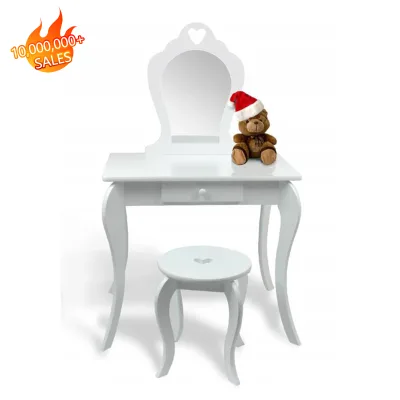


Children Furniture Adjustable Kid Table Study Table for Kindergarten Furniture
$27.00 - $43.00
MOQ: 100 Pieces

Wooden Desk Kids Study Table Children Study Table and Chair Height Adjustable Kid Desk
$115.00 - $139.00
MOQ: 100 Pieces


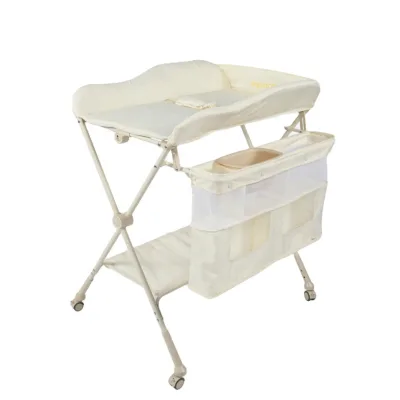


Durable Simple Kids Desk and Chair Classroom Furniture School Children Table
$19.00 - $21.00
MOQ: 100 Pieces
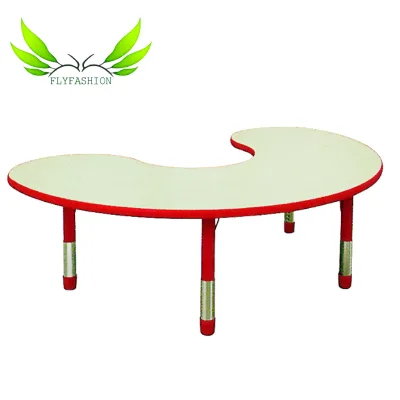
Comprehensive Sourcing Guide
Eco Friendly Kids Dresser Table Sourcing Guide
Sourcing children’s furniture requires a careful balance of aesthetic appeal, functional durability, and rigorous safety standards. The market for eco-friendly kids dresser tables has expanded significantly, driven by parental demand for non-toxic materials and sustainable manufacturing practices. Buyers must navigate a complex landscape where "eco-friendly" is often used as a marketing term without standardized verification. This guide provides evidence-based procurement strategies to help buyers identify reliable suppliers, verify material claims, and ensure that the final product meets both safety regulations and aesthetic expectations for modern nurseries and children’s rooms.
The following sections outline the critical steps in the sourcing process, from understanding product scope to establishing long-term quality control measures. By focusing on verified attributes such as material composition, structural design, and supplier capabilities, buyers can mitigate risks associated with low-quality imports. This approach ensures that the procurement process yields durable, safe, and visually appealing furniture that aligns with brand values and customer expectations in the competitive children’s furniture sector.
Product Scope and Observed Listing Signals
The current market for children’s dressing tables and dressers exhibits a wide range of design variations, primarily categorized by shape and material composition. Observed listings indicate a strong preference for rectangular, round, and square configurations, with dimensions typically ranging from 600mm to 1200mm in width and depth. These variations allow buyers to select units that fit specific spatial constraints in nurseries, preschools, or home environments. The material spectrum is dominated by wood-based products, including solid pine and MDF (Medium-Density Fiberboard) with NC (Nitrocellulose) painting finishes. Buyers should note that while solid wood offers a premium feel, MDF provides a smooth surface for consistent painting and design customization, which is crucial for achieving the "cute" or "modern" styles often requested by end-users.
Customization is a prevalent feature in this category, with many suppliers offering OEM (Original Equipment Manufacturer) and ODM (Original Design Manufacturer) services. This flexibility allows buyers to tailor product attributes such as color, size, and hardware to match their brand identity. For instance, white finishes are common, but the ability to customize panel types and wood styles enables differentiation in a crowded market. Additionally, the condition of the products is consistently listed as "new," and many items are designed to be unfolded upon assembly, indicating that they are shipped in flat-pack formats to optimize logistics. Buyers should verify whether the customization options extend to structural elements, such as adjustable heights or modular components, to enhance the product's longevity and adaptability as the child grows.
Technical Specifications to Verify
When evaluating technical specifications, buyers must prioritize structural integrity and dimensional accuracy. The observed product standards reveal specific dimensions, such as 1200600480/520/560MM for rectangular models and DIA800*480/520/560MM for round variants. These measurements are critical for ensuring that the furniture fits within designated spaces and meets ergonomic requirements for children. Buyers should request detailed technical drawings that confirm these dimensions and verify the stability of the base structure, particularly for taller units. The "fixed" rotary attribute suggests that certain components, such as drawers or shelves, are stationary, which can impact the ease of use and safety for young children. It is essential to confirm that all moving parts are designed to prevent pinching or trapping hazards.
Material specifications are another critical area for verification. While pine is listed as a wood type, the use of MDF with NC painting is also common. Buyers should inquire about the thickness of the panels and the quality of the paint finish to ensure durability and resistance to chipping or peeling. The "strong, wearable and safe" feature claims should be substantiated by load-bearing tests or structural analysis. Additionally, the presence of a standing mirror is a common feature, but buyers must ensure that the mirror is made of shatter-resistant material or is securely mounted to prevent breakage. The single package size and gross weight, such as 78X16X48 cm and 12.000 kg respectively, are important for calculating shipping costs and handling requirements. Buyers should verify that the packaging is robust enough to protect the product during transit, especially for items with delicate finishes or glass components.
Compliance and Safety Documentation
Safety is the paramount concern when sourcing children’s furniture, and buyers must insist on comprehensive compliance documentation. Although specific certifications like FSC are mentioned in background data, buyers should not assume that all suppliers hold these certifications without verification. Instead, buyers should request test reports from accredited laboratories that confirm the product meets relevant safety standards, such as those for formaldehyde emissions, heavy metal content, and flammability. The "eco-friendly" claim must be supported by evidence of low-VOC (Volatile Organic Compounds) paints and adhesives, which are critical for maintaining indoor air quality in children’s rooms. Buyers should also verify that the product design complies with anti-tip regulations, ensuring that the dresser is stable and cannot be easily overturned by a child climbing on it.
Warranty and lifetime expectations are also key indicators of product quality and supplier confidence. Observed listings indicate a warranty time of 1 year and a lifetime of 5-8 years in normal use. These figures should be clearly defined in the contract, with specific terms regarding what constitutes "normal use" and what voids the warranty. Buyers should also inquire about the availability of spare parts, such as hinges, handles, or mirror replacements, to extend the product's lifespan. The installation process, which typically includes an installation structure map with all parts pictures, should be reviewed for clarity and ease of assembly. Complex assembly processes can lead to customer dissatisfaction and increased return rates, so buyers should prioritize products with straightforward, tool-free assembly options where possible.
Cost Drivers and Commercial Terms
Several factors influence the cost of eco-friendly kids dresser tables, with material quality, customization level, and order volume being the primary drivers. The use of solid pine versus MDF significantly impacts the unit price, with solid wood generally commanding a premium due to its perceived value and durability. Customization options, such as unique colors, logos, or structural modifications, can also increase costs due to the setup fees and additional labor required. Buyers should negotiate volume discounts, as observed MOQ (Minimum Order Quantity) ranges vary from 1 to 2000 units, with some suppliers requiring a minimum of 300 sets. Understanding these thresholds is crucial for optimizing inventory levels and cash flow, especially for new buyers entering the market.
Commercial terms, including payment methods, shipping arrangements, and lead times, must be clearly defined to avoid disputes. The observed price range of 1.06-513.23 USD reflects the diversity of products available, from basic models to high-end customized units. Buyers should request detailed quotations that break down costs for materials, labor, packaging, and shipping. The packing method, whether export standard carton or mail order packing, affects both protection and shipping efficiency. Buyers should also consider the total landed cost, including duties and taxes, when evaluating supplier quotes. Clear communication regarding lead times and production schedules is essential to ensure timely delivery, especially for seasonal demand peaks.
Supplier Qualification and Quality Control
Supplier qualification is a critical step in mitigating procurement risks. Buyers should conduct thorough due diligence on potential suppliers, verifying their business licenses, manufacturing capabilities, and quality management systems. Suppliers that offer OEM and ODM services should be evaluated based on their design expertise and ability to innovate. It is advisable to request samples of previous work to assess the quality of craftsmanship, finish, and attention to detail. Buyers should also inquire about the supplier’s experience in exporting to their target markets, as this indicates familiarity with international regulations and logistics. Visiting the factory, either in person or via virtual tour, can provide valuable insights into the production process and working conditions.
Quality control measures should be established before production begins. Buyers should define clear quality standards and inspection criteria, including checks for dimensional accuracy, surface finish, and structural stability. Third-party inspection services can be engaged to conduct pre-shipment inspections, ensuring that the products meet the agreed-upon specifications. Buyers should also implement a robust feedback loop with end-users to identify any quality issues or design flaws that may not have been apparent during the sampling phase. Continuous improvement initiatives, such as regular supplier audits and performance reviews, are essential for maintaining high standards and fostering long-term partnerships.
Long-Term Procurement Checks
Long-term procurement success depends on the ability to adapt to market changes and maintain consistent quality. Buyers should regularly review supplier performance metrics, such as on-time delivery rates, defect rates, and responsiveness to issues. Building a diverse supplier base can reduce dependency on a single source and provide flexibility in case of supply chain disruptions. Buyers should also stay informed about emerging trends in children’s furniture, such as new materials, design styles, and safety regulations, to ensure that their product offerings remain relevant and competitive. Investing in relationship management with key suppliers can lead to better pricing, priority production, and collaborative innovation.
Sustainability should be a core component of long-term procurement strategy. Buyers should prioritize suppliers that demonstrate a commitment to environmental responsibility, such as using sustainable wood sources, reducing waste, and minimizing carbon emissions. Certifications like FSC, if verified, can serve as a benchmark for sustainable sourcing. Buyers should also consider the end-of-life disposal of the products, exploring options for recycling or upcycling to minimize environmental impact. By integrating sustainability into their procurement practices, buyers can enhance their brand reputation and meet the growing demand for eco-friendly products from conscious consumers.
FAQs
What customization options are available for the kids dresser?
Customization is available for this wood furniture to meet specific needs. The product supports OEM and ODM services, allowing buyers to tailor features like dimensions and finishes while maintaining the modern style and safety standards required for kindergarten or home use.
Which materials are used to construct the children furniture?
The furniture is primarily constructed from wood, specifically pine, with some models using MDF with NC painting. These materials ensure the dresser is strong, wearable, and safe for babies, kids, and school environments while offering a durable finish for long-term use.
How long does the warranty cover the product against defects?
The warranty time covers one year for normal use of the product. This coverage applies to the wood dressing custom dresser and ensures that any manufacturing defects arising within this period are addressed, complementing the expected five to eight-year lifetime in normal conditions.
Can the kids dresser be delivered in export standard packaging?
Yes, the product is packed in export standard cartons to ensure safe delivery. The single package size varies by model, such as 78x16x48 cm for specific units, and includes installation structure maps with all parts pictures to facilitate easy assembly upon arrival at the destination.
What are the standard dimensions for the rectangular model?
The rectangular model, identified as ZTX-0202, has standard dimensions of 1200x600x480/520/560 mm. These measurements allow for flexible height options while maintaining the modern style suitable for living rooms, bedrooms, and nursery schools requiring specific furniture sizes.
Which origin location supplies the Eco Friendly Kids Dresser Table?
The product originates from China, with specific manufacturing locations in Fujian. This origin ensures access to established supply chains for wood furniture, supporting the delivery of customized dressing tables that meet international standards for safety and design in various global markets.