Source Eco-Friendly Knitted Cotton T Shirts for Fitness, Sports, and Promotions
Explore 30 listings of Eco-Friendly Knitted Cotton T Shirts suitable for fitness, sports, and promotional events. Buyers can compare specifications such as fabric weight, collar styles, and customization options to find the right supplier.
Key considerations
Products List


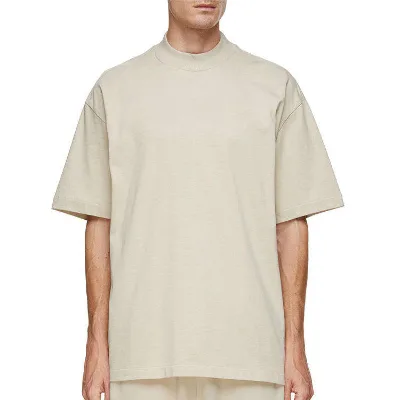


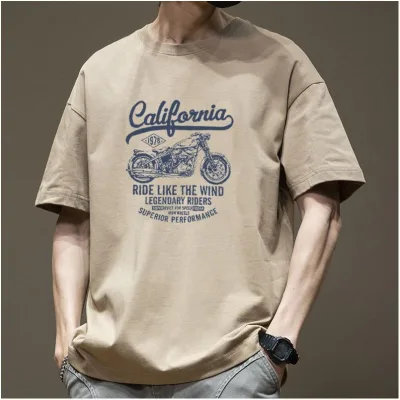


Comprehensive Sourcing Guide
Strategic Sourcing Guide for Eco-Friendly Knitted Cotton T-Shirts
Procuring eco-friendly knitted cotton t-shirts requires a nuanced understanding of material science, supply chain transparency, and the specific technical attributes that define sustainable apparel in the B2B sector. While the market often uses "eco-friendly" as a broad marketing term, a disciplined procurement strategy demands verification of actual fiber composition, manufacturing processes, and the environmental impact of the final product. This guide outlines the critical factors buyers must evaluate when sourcing these garments, ensuring that sustainability claims are backed by tangible product specifications and verified supplier capabilities.
Understanding Material Composition and Fiber Attributes
The foundation of any sustainable t-shirt lies in its material composition. In the context of the current market data, buyers encounter a variety of fiber types, including 100% Bamboo Fiber and standard Cotton. While the core keyword specifies "cotton," it is essential to distinguish between conventional cotton and organic or sustainably sourced variants. The provided product facts indicate that materials can range from 100% Bamboo Fiber to Cotton, with specific technical attributes like "Knitted" techniques being prevalent.
When evaluating material, the buyer must verify the exact percentage of natural fibers. A product labeled as "Cotton" may contain blends that reduce its eco-profile, whereas a 100% natural fiber claim offers a clearer sustainability narrative. The technical specification "100% Bamboo Fiber" presents an alternative eco-friendly option, as bamboo is often marketed for its rapid renewability and softness. However, the processing method for bamboo (often involving chemical conversion to rayon) must be scrutinized to ensure it aligns with true eco-friendly standards. For cotton, the buyer should request documentation regarding the farming practices, such as whether the cotton is grown without synthetic pesticides or fertilizers. The observed product attributes also highlight "Fabric Weight" at 160 Grams, a specific metric that influences the garment's durability and breathability. Buyers should not assume all knitted cotton t-shirts share this weight; rather, they must define the required GSM (grams per square meter) for their specific application, whether for promotional giveaways or high-performance fitness wear.
Technical Specifications and Manufacturing Standards
Beyond the raw material, the construction of the t-shirt dictates its functionality and longevity. The supplied data reveals a diverse range of technical specifications, including "Sleeve Style: Short Sleeve," "Collar Style: Polo Neck" or "Round Neck," and "Technics: Knitted." These attributes are not merely aesthetic; they determine the garment's fit, comfort, and suitability for different use cases. For instance, a "Polo Neck" style is often associated with sport or casual wear, while a "Round Neck" is standard for general promotional use.
The manufacturing standard is equally critical. One data point lists a specific dimension standard of "35455," which likely refers to packaging or product dimensions, while another notes "prod_standard: customized." This variability indicates that buyers cannot rely on a single universal standard. Instead, they must establish clear technical requirements for their orders. The "Size: XXXL" specification highlights the importance of inclusive sizing, which is often a requirement for broad-market promotional campaigns. Furthermore, the "Feature: Breathable" and "Quick Dry" attributes suggest that the knitting technique and fiber blend must be optimized for moisture management, particularly for the "Fitness" and "Sport" categories identified in the product attributes.
Buyers should also examine the "Pattern" and "Design" options. The data shows options ranging from "Plain" and "Solid" to "Embroidered" and "Printed." The choice between embroidery and printing has significant environmental implications. Embroidery often uses more thread and energy, while printing involves inks that may or may be eco-friendly. The availability of "Customized Logo" and "OEM: Accpected" services allows for brand integration, but the buyer must specify the ink type (e.g., water-based, plastisol) to ensure the printing process aligns with eco-friendly goals.
Compliance, Certification, and Verification Protocols
A major challenge in sourcing eco-friendly apparel is verifying sustainability claims. The background information mentions "Oeko-Tex" and "GOTS" (Global Organic Textile Standard) as relevant concepts, though they are not confirmed as present in the specific product listings provided. This distinction is vital: a supplier may claim to be eco-friendly without holding these specific certifications. Therefore, buyers must treat certification status as a verification requirement rather than an assumption.
When evaluating suppliers, the procurement team should request valid, up-to-date certificates for GOTS or Oeko-Tex Standard 100. These certifications provide third-party assurance that the textile has been tested for harmful substances and that the supply chain adheres to strict environmental and social criteria. Without these documents, claims of "eco-friendly" remain unverified marketing statements. Additionally, the "prod_packing" details, such as "One Piece/Set Per OPP" or "1 PCS Per Poly Bag," should be scrutinized. Sustainable sourcing extends to packaging; buyers should inquire if the OPP bags are recyclable or if the supplier offers biodegradable alternatives to reduce plastic waste.
The "Location" data indicates origins in "China" and "Shandong." While geographic origin does not inherently determine sustainability, it helps in assessing the regulatory environment and the logistical carbon footprint of shipping. Buyers should ask suppliers in these regions about their local environmental compliance measures, such as wastewater treatment facilities for dyeing processes, which are a significant source of pollution in textile manufacturing.
Cost Drivers and Pricing Dynamics
The pricing of eco-friendly knitted cotton t-shirts is influenced by several distinct factors. The observed price range of 0.5 to 20 USD reflects the vast spectrum of product quality, from basic promotional items to high-end, certified organic garments. The "MOQ range: 30-3000" indicates that suppliers offer flexibility, but the unit cost will likely decrease as the order volume increases. However, for eco-friendly products, the cost per unit may remain higher than conventional alternatives due to the premium pricing of organic cotton or bamboo fibers and the more expensive, eco-conscious manufacturing processes.
Key cost drivers include the "Fabric Weight" (e.g., 160 Grams), the complexity of the "Technics" (knitted vs. woven), and the extent of "Customization." Custom logos, specific color requests ("Customed Color Acceptable"), and specialized packaging add to the production cost. The "Lead Time" is another financial factor; while some suppliers offer "7 Days Sample Order Lead Time," full production runs may take longer, impacting inventory planning and cash flow. Buyers must balance the desire for lower unit costs with the necessity of maintaining high quality and sustainability standards. It is often more cost-effective to order a moderate quantity of high-quality, certified products than to chase the lowest price with unverified, potentially non-compliant goods.
Supplier Evaluation and Quality Control Strategies
Selecting the right supplier is paramount for ensuring that the "eco-friendly" promise is fulfilled. The evaluation process should go beyond price and lead time to include a deep dive into the supplier's production capabilities and quality control (QC) protocols. The data shows that suppliers offer "Custom T-Shirt" models with various features, suggesting a high degree of flexibility. However, flexibility does not guarantee quality.
Buyers should implement a rigorous QC plan that includes pre-production sampling, in-line inspections, and final random inspections. The "Feature: Anti-Wrinkle" and "Quick Dry" attributes mentioned in the product data should be tested against actual performance standards. For example, a t-shirt claiming to be "Breathable" should undergo air permeability tests. The "Pattern: Embroidered" or "Printed" elements must be checked for durability, ensuring that the design does not crack or fade after washing.
Furthermore, the "Applicable Gender: Neutral/Both Men and Women" and "Age Group: Adults" attributes require that the sizing and fit are consistent across the production run. Buyers should verify that the supplier has a robust system for maintaining size consistency, especially when dealing with a wide range of sizes from standard to "XXXL." The "prod_packing" method must also be inspected to ensure that the garments arrive in perfect condition, free from damage or contamination.
Typical Applications and Market Positioning
The versatility of knitted cotton t-shirts makes them suitable for a wide array of applications. The product attributes highlight "Suitable for: Fitness" and "Style: Sport," indicating a strong market for athletic and active wear. The "Feature: Promotional/Advertising" tag suggests that these garments are frequently used for corporate branding, events, and marketing campaigns. The "Design: Customized" and "Logo: Customized Logo Accept" features make them ideal for creating branded merchandise that resonates with consumers who value sustainability.
In the fitness sector, the "Breathable" and "Quick Dry" features are critical. Buyers targeting this segment should prioritize t-shirts with high moisture-wicking capabilities and durable construction. For promotional use, the focus shifts to the visual impact of the "Custom Logo Print" and the overall aesthetic of the "Style: Vintage" or "Sport" designs. The "Color: Single Color" and "Pattern Type: Solid" options provide a clean canvas for branding, while the "Embroidered" pattern offers a more premium, textured look.
Long-Term Procurement and Sustainability Integration
Sourcing eco-friendly knitted cotton t-shirts is not a one-off transaction but a long-term strategic initiative. Buyers should aim to build lasting relationships with suppliers who demonstrate a genuine commitment to sustainability. This involves regular audits, continuous improvement of environmental practices, and transparency in the supply chain. The "Customization: Available" feature allows for ongoing product development, enabling buyers to adapt their offerings to changing market trends and consumer preferences.
Long-term considerations also include the end-of-life cycle of the product. Buyers should inquire about the recyclability of the garments and the packaging materials. If the supplier uses "OPP Bag" packaging, the buyer should explore options for switching to biodegradable or reusable packaging solutions. Additionally, the "7 Days Sample Order Lead Time" support suggests that suppliers are responsive to market changes, which is beneficial for agile procurement strategies.
In conclusion, sourcing eco-friendly knitted cotton t-shirts requires a meticulous approach that balances technical specifications, certification verification, cost management, and supplier evaluation. By focusing on verified material compositions, robust quality control, and genuine sustainability practices, buyers can ensure that their procurement decisions align with both business objectives and environmental responsibility. The diverse range of attributes observed, from "100% Bamboo Fiber" to "Customized Logo," offers ample opportunity for creating high-value, sustainable products that meet the needs of modern consumers.
FAQs
What materials are used for these knitted t-shirts?
The available materials include 100% Bamboo Fiber and Cotton. Buyers must verify the specific fiber composition as options vary between bamboo and standard cotton blends depending on the model selected.
Can I customize the logo and design on these shirts?
Yes, customization is available for logos and designs with options for custom logo prints. Suppliers accept customized features and OEM requests, allowing for unique branding on the single color or solid pattern garments.
What is the minimum order quantity for these products?
The minimum order quantity ranges from 30 to 3000 pieces depending on the supplier. Buyers should confirm the specific MOQ for their chosen model, as values vary significantly across different product listings.
How long does it take to receive a sample order?
Sample orders can be supported with a lead time of 7 days. This rapid turnaround allows buyers to verify product quality and specifications before committing to larger production runs.
Which sizes are available for these adult t-shirts?
Sizes include XXXL and other standard adult options. The product data confirms availability for adults with specific size specifications like XXXL, ensuring inclusive sizing for various buyer needs.
What features do these fitness t-shirts offer?
Features include breathable, quick dry, and anti-wrinkle properties suitable for fitness and sport. These attributes make the knitted cotton or bamboo shirts ideal for active wear and promotional advertising campaigns.