Source Eco-Friendly Knitted Cotton Baby Leggings for daily wear, travel, and play
Find 30 listings for Eco-Friendly Knitted Cotton Baby Leggings with features like breathable fabric and straight or skinny styles. Buyers can compare materials, sizes, and customization options from verified suppliers in China.
Key considerations
Products List


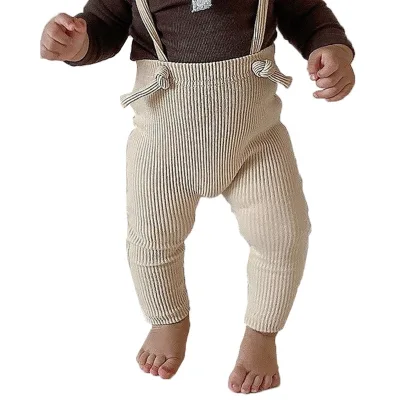
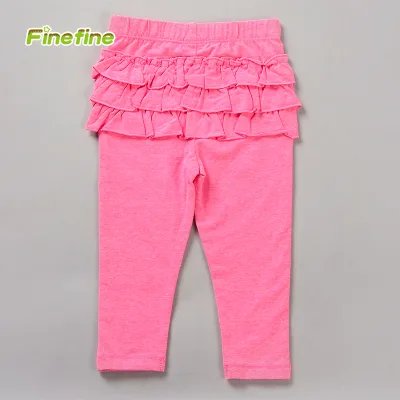

Spring New Infant Garments Baby Pants Cotton Fashion Baby Knitted Pants Leggings.
$10.00 - $20.00
MOQ: 2 pieces


Sprinkle Knits 100% Cotton Knit Sweater Pants Baby Girl Rolling Edge Leggings.
$10.00 - $18.00
MOQ: 1 pieces


100% Cotton 16gg Knitting Baby Leggings Infant Thin Pants Newborn Trousers.
$8.00 - $19.00
MOQ: 1 pieces

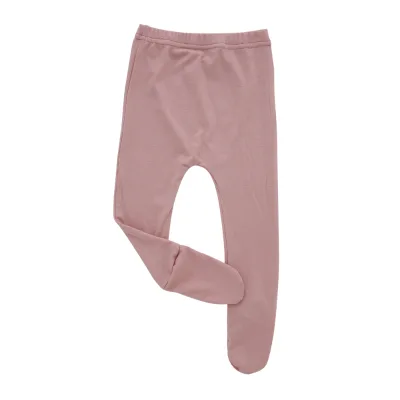
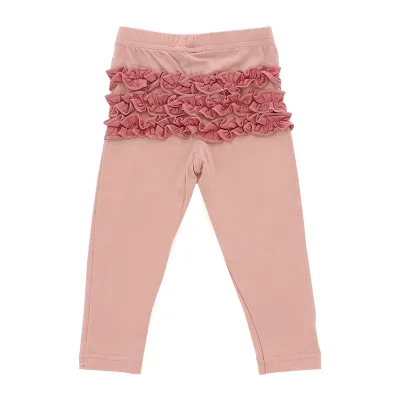

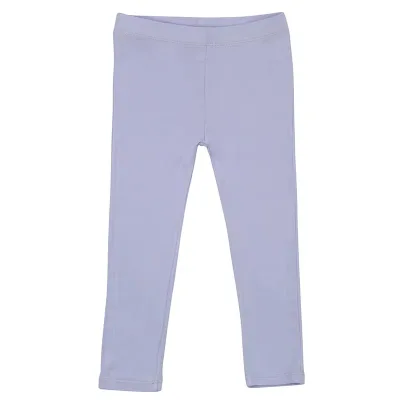
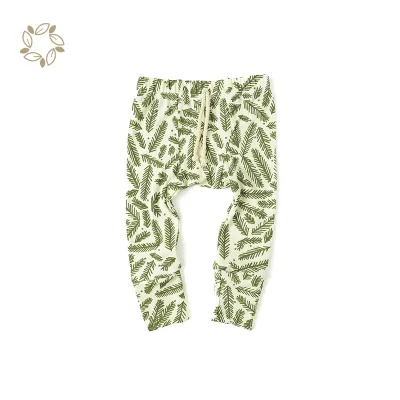
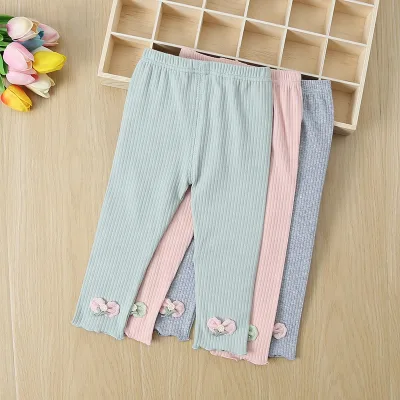
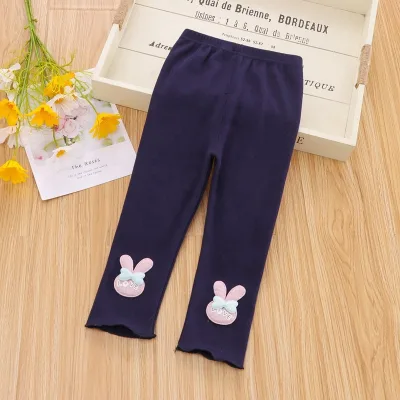


Causal Wear Baby Leggings Bamboo Fabric Baby Pants Soft Leggings for Infant
$3.99 - $4.60
MOQ: 100 Pieces


Newborn Baby Girl Footed Leggings Anti Slip Tights Bamboo Fiber Kids Pants
$6.72 - $7.78
MOQ: 100 Pieces
Comprehensive Sourcing Guide
Eco-Friendly Knitted Cotton Baby Leggings Sourcing Guide
Sourcing eco-friendly knitted cotton baby leggings requires a careful balance of material integrity, manufacturing ethics, and rigorous quality control. Buyers must navigate a market where terms like "organic" and "eco-friendly" are frequently used, necessitating a disciplined approach to verification. The following guide outlines the essential steps for identifying reliable suppliers, verifying product specifications, and ensuring compliance with safety standards. By focusing on evidence-based procurement strategies, buyers can mitigate risks and secure high-quality products that meet both regulatory requirements and consumer expectations.
The core keyword, "Eco-Friendly Knitted Cotton Baby Leggings," points to a specific niche within the broader baby apparel market. This niche demands attention to detail in fabric selection, knitting techniques, and finishing processes. Buyers should prioritize suppliers who demonstrate transparency in their supply chain and provide clear documentation of their environmental and safety practices. This guide aims to provide a structured framework for evaluating potential suppliers and products, ensuring that every decision is backed by verifiable data and industry best practices.
Product Scope and Observed Listing Signals
The observed product listings reveal a diverse range of offerings under the eco-friendly knitted cotton baby leggings category. Key attributes include materials such as 100% organic cotton, combed cotton, and various cotton blends like interlock, rib, and jersey. These materials are chosen for their softness, breathability, and durability, which are critical for baby garments. The listings also highlight features such as anti-pilling, color fade proofing, and breathable fabric, indicating a focus on longevity and comfort. Buyers should note that while these features are commonly advertised, they must be verified through sample testing and supplier documentation.
In addition to material composition, the listings provide insights into product styles and customization options. Common styles include straight, skinny, and full-length pants, with some products specifically designed as leggings or rompers. Customization is widely available, allowing buyers to tailor products to their brand’s needs. However, buyers must be cautious of conflicting information, such as varying size ranges (e.g., S, Nb, 0-24m) and different model numbers (e.g., S2027, TS0926-6). These discrepancies suggest that suppliers may offer a wide variety of products, and buyers should clearly define their requirements to avoid confusion.
Technical Specifications to Verify
Verifying technical specifications is crucial to ensuring that the products meet the desired quality and performance standards. Buyers should request detailed specifications for each product, including fabric composition, knitting technique, and finishing processes. For example, while some listings claim 100% organic cotton, others mention combed cotton or cotton blends. Buyers must confirm the exact material composition and ensure that it aligns with their eco-friendly criteria. Additionally, the knitting technique (e.g., plain dyed, printed) should be verified to ensure that it meets the desired aesthetic and functional requirements.
Other technical aspects to verify include the product’s dimensions, thickness, and closure types. Listings indicate variations in length (full, long), thickness (normal), and closure types (with or without buttons). Buyers should specify their preferred dimensions and closure types to avoid receiving products that do not meet their needs. Furthermore, the presence of features such as printing or anti-pilling treatments should be confirmed through sample testing. Buyers should also inquire about the product’s packaging, as some listings mention OPP bags, polybags, or custom packaging options.
Compliance and Safety Documentation
Compliance with safety standards is non-negotiable for baby apparel, and buyers must ensure that suppliers provide the necessary documentation. While some listings mention standards such as SGS or OEKO-TEX, buyers should verify the specific certifications and test results provided by the supplier. It is essential to confirm that the products have been tested for harmful substances, such as formaldehyde, heavy metals, and allergens, in accordance with relevant regulations. Buyers should also inquire about the supplier’s quality control processes and whether they conduct regular internal audits.
In addition to product-specific certifications, buyers should assess the supplier’s overall compliance with environmental and labor standards. While GOTS (Global Organic Textile Standard) is mentioned as a potential certification, buyers must verify its validity and scope. Suppliers should be able to provide documentation of their adherence to ethical labor practices, including fair wages, safe working conditions, and no child labor. Buyers should also consider the supplier’s environmental impact, such as water usage, energy consumption, and waste management practices, to ensure that their procurement aligns with their sustainability goals.
Cost Drivers and Commercial Terms
Understanding the cost drivers and commercial terms is essential for effective procurement planning. The observed price range of $0.49 to $21 USD reflects significant variation, likely due to differences in material quality, customization options, and order quantities. Buyers should analyze the factors contributing to these price differences, such as the use of organic versus conventional cotton, the complexity of the knitting technique, and the level of customization required. Additionally, the minimum order quantity (MOQ) ranges from 1 to 2000 pieces, which can impact pricing and production scheduling.
Commercial terms, including lead times and delivery schedules, also play a crucial role in procurement decisions. Some listings mention a 7-day sample order lead time, while others indicate a delivery time of 30-60 days. Buyers should clarify these timelines with suppliers to ensure that they align with their production and sales schedules. Furthermore, buyers should negotiate favorable payment terms, such as partial upfront payments or letters of credit, to mitigate financial risks. It is also important to consider the supplier’s location, as some listings indicate that products originate from China, which may impact shipping costs and lead times.
Supplier Qualification and Quality Control
Supplier qualification is a critical step in the procurement process, and buyers should conduct thorough due diligence to identify reliable partners. This includes verifying the supplier’s business credentials, production capabilities, and quality control systems. Buyers should request references from other clients and conduct site visits, if possible, to assess the supplier’s facilities and practices. Additionally, buyers should evaluate the supplier’s ability to meet specific requirements, such as customization, packaging, and compliance with safety standards.
Quality control measures should be implemented throughout the production process to ensure that the final products meet the desired specifications. Buyers should establish clear quality standards and communicate them to the supplier. Regular inspections, both during production and before shipment, can help identify and address potential issues early. Buyers should also consider implementing a sampling process, where a representative sample of the production batch is tested for quality and compliance. This approach can help ensure consistency and reduce the risk of receiving substandard products.
Long-Term Procurement Checks
Long-term procurement success depends on continuous monitoring and evaluation of supplier performance. Buyers should establish key performance indicators (KPIs) to track metrics such as on-time delivery, product quality, and compliance with safety standards. Regular reviews of these metrics can help identify areas for improvement and foster a collaborative relationship with the supplier. Additionally, buyers should stay informed about changes in regulations, market trends, and sustainability practices to ensure that their procurement strategies remain relevant and effective.
Building a resilient supply chain also involves diversifying suppliers and developing contingency plans. Buyers should identify alternative suppliers for critical components or products to mitigate the risk of disruptions. Furthermore, buyers should invest in relationship management, fostering open communication and trust with their suppliers. This can lead to better collaboration, innovation, and mutual growth. By adopting a proactive and strategic approach to procurement, buyers can secure a steady supply of high-quality, eco-friendly knitted cotton baby leggings that meet their business objectives and customer expectations.
FAQs
What material is used for these baby leggings?
The leggings are made from 100% organic cotton or standard cotton. Some listings specify 100% combed cotton or interlock cotton blends. This ensures the fabric is breathable and comfortable for infants.
Can I order a sample within seven days?
Yes, a sample order lead time of seven days is supported for these products. Buyers can request samples quickly to verify quality before committing to larger bulk orders for their specific needs.
Which customization options are available for these pants?
Customization is available for these knitted cotton pants. Buyers can request specific sizes, colors, or packaging variations. OEM services are also offered to meet unique branding requirements.
What is the minimum order quantity for these items?
The minimum order quantity ranges from one to two thousand pieces depending on the supplier. Buyers should check specific listings to confirm the exact MOQ required for their purchase volume.
How are these leggings packed for export?
Items are typically packed one piece per OPP bag or polybag. They are then placed in export cartons, though some suppliers offer customized packaging solutions like PVC bags for bulk shipments.
What styles are available for these cotton trousers?
Available styles include straight, skinny, and full-length designs. The product range covers various types such as leggings, rompers, and bodysuits, all featuring comfortable knitted cotton fabric suitable for babies.