Source eco-friendly kraft paper packaging box for Salad, Burger, and Bread
Find 30 verified listings for eco-friendly kraft paper packaging box designed for salad, burger, and bread applications. Buyers can compare features like biodegradability, certifications, and customization options across multiple suppliers in China.
Key considerations
Products List


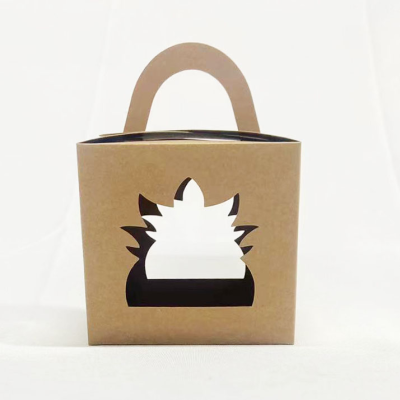
Custom Eco Biodegradable Food Packing Natural Kraft Paper Cardboard Box
$0.04 - $0.08
MOQ: 1000 Pieces



Comprehensive Sourcing Guide
Strategic Sourcing Guide for Eco-Friendly Kraft Paper Packaging Boxes
The global shift toward sustainable supply chains has elevated the demand for eco-friendly kraft paper packaging boxes. For B2B procurement professionals, sourcing these materials requires a nuanced understanding of material composition, regulatory compliance, and logistical variables. This guide synthesizes available product data and industry standards to provide a disciplined framework for evaluating suppliers and selecting the right packaging solutions for food and general retail applications.
Technical Specifications and Material Composition
The foundation of a successful procurement strategy lies in verifying the technical specifications of the packaging. The core material for these products is typically Food Grade Kraft Paper, often sourced from bamboo and wood fibers to ensure structural integrity while maintaining biodegradability. Buyers must distinguish between standard kraft paper and specialized blends that offer enhanced moisture resistance or greaseproofing, which are critical for food applications.
Product dimensions vary significantly based on the intended use. Observed specifications include precise measurements such as 1659250 mm and 15010048 mm, which correspond to specific model numbers like Q24 or generic kraft box designations. These dimensions are not arbitrary; they dictate the internal volume and stacking efficiency. For instance, specific size ranges are available in ounces, including 8oz, 16oz, 26oz, 32oz, 51oz, 69oz, 98oz, and 25oz, catering to diverse food volumes from small condiments to large salad portions.
The physical attributes of the box also include the presence of lids. Many models are designed with integrated lids to ensure freshness and containment, particularly for salads, burgers, and sandwiches. The printing capabilities are another technical consideration, with Flexo and Offset printing methods being standard for custom branding. While the regular color palette is typically limited to White and Kraft Color, customization options allow for multicolor designs to meet specific brand identity requirements.
Compliance and Certification Verification
In the food packaging sector, compliance is non-negotiable. Procurement teams must rigorously verify that suppliers hold valid certifications for the specific markets they intend to serve. The supplied data indicates that reputable manufacturers often possess FDA certification, which is essential for direct food contact in the United States. Furthermore, international trade requires adherence to standards such as CE/EU, CIQ, LFGB, and EEC, ensuring the packaging meets European and Chinese regulatory frameworks.
Beyond food safety, environmental claims require substantiation. The term "Eco-Friendly" and "Biodegradable" are frequently used, but buyers should look for supporting documentation. While FSC certification is a recognized standard for sustainable forestry, its specific status must be verified on a per-supplier basis as it is not universally guaranteed in all product listings. Similarly, ISO 9001 is a standard for quality management systems, and while it is a background indicator of a supplier's operational maturity, its specific application to a product batch must be confirmed.
Suppliers may also provide SGS certificates and BRC (British Retail Consortium) accreditation, which serve as third-party validations of product safety and quality management. When evaluating a potential vendor, the procurement specialist should request current, dated copies of these certificates rather than relying on general marketing claims. The presence of these certifications ensures that the "Food Grade" and "100% Environmental" attributes are backed by audited processes.
Cost Drivers and Pricing Dynamics
Understanding the cost structure of eco-friendly kraft paper boxes is vital for budgeting and negotiation. The observed price range for these products is approximately 0.01 to 3 USD per unit, a wide variance that reflects differences in material quality, customization complexity, and order volume. The primary cost driver is the Minimum Order Quantity (MOQ). Data indicates that MOQs can range from 100 units for sampling purposes up to 100,000 units for full production runs.
High-volume orders, such as those requiring 100,000 pieces, often benefit from a "Competitive Price with Good Quality" value proposition. Conversely, smaller orders may incur higher per-unit costs due to setup fees for printing and molding. The customization level also impacts pricing; while standard kraft boxes are cost-effective, custom sizes, multicolor printing, and unique structural designs increase the manufacturing complexity and cost.
Buyers should also consider the packaging method, which affects logistics costs. Products are typically packed in plastic bags within export cartons or simply in cartons. The density of the packing and the weight of the finished product influence shipping costs, especially when utilizing sea freight for international orders. Lead times are another financial factor; sample lead times are generally short, ranging from 3 to 7 days, while full production lead times can extend to 10-15 days or longer depending on the order size and supplier capacity.
Typical Applications and Usage Scenarios
The versatility of kraft paper packaging makes it suitable for a wide array of applications. The primary usage category is food packaging, specifically for items that require breathability and a natural aesthetic. Common applications include salad boxes, biscuit containers, burger wrappers, bread bags, and sandwich packaging. The material's ability to handle grease and moisture, when treated appropriately, makes it ideal for hot and cold food items.
Beyond food, these boxes are utilized in general retail for packaging small goods, gifts, and promotional items. The "Simple" style and natural Kraft color appeal to consumers seeking sustainable alternatives to plastic. The product is designed for all age groups, making it a universal choice for mass-market distribution. Specific models, such as the Q24, are tailored for specific volume requirements, ensuring that the packaging fits the product perfectly without excessive empty space, which reduces material waste and shipping volume.
The application extends to various industries, from fast food chains to artisanal bakeries. The "Disposable" nature of the product aligns with single-use convenience while maintaining an eco-friendly profile through biodegradability. This dual benefit allows businesses to meet sustainability goals without compromising on the convenience expected by modern consumers.
Supplier Evaluation and Origin Analysis
Selecting the right supplier involves more than just comparing prices; it requires a deep dive into their operational capabilities and geographic origins. The supplied data highlights key manufacturing regions in China, including Shandong, Fujian, Qingdao, and Changsha. These locations are strategic hubs for paper product manufacturing, offering access to raw materials and established logistics networks.
When evaluating suppliers, buyers should verify the origin of the materials. For instance, bamboo and wood sources should be traceable to ensure sustainability. The port of shipment is another critical factor; suppliers may ship from ports like Changsha, Shekou, or Wuhan, which influences transit times and freight costs. Buyers must ensure that the supplier has the capacity to handle the required volume, as indicated by their MOQ and lead time capabilities.
Customization is a key differentiator. Suppliers that offer OEM/ODM services and accept custom orders provide greater flexibility for branding. However, the ability to customize does not guarantee quality. Buyers should assess the supplier's track record in handling custom orders, their sample turnaround times, and their responsiveness to quality inquiries. The availability of samples within 3-5 days allows for physical inspection before committing to a large order, a crucial step in mitigating risk.
Quality Control and Long-Term Procurement
Maintaining consistent quality is essential for long-term procurement success. Quality control measures should include visual inspections for printing defects, structural integrity checks for folding and assembly, and verification of material thickness. The "Food Grade" status must be maintained throughout the production process, ensuring no contaminants are introduced during manufacturing or packing.
For long-term partnerships, buyers should establish clear communication channels regarding quality standards. Regular audits and third-party testing, such as SGS inspections, can help maintain these standards. The "Competitive Price with Good Quality" advantage is often a result of efficient production processes and strict quality control, rather than cutting corners.
Procurement strategies should also account for supply chain resilience. Diversifying suppliers across different regions, such as sourcing from both Shandong and Fujian, can mitigate risks associated with regional disruptions. Additionally, understanding the lead times for both samples and full production allows for better inventory planning. A supplier with a 10-15 day production lead time and a 3-7 day sample lead time offers a balanced approach to agility and efficiency.
Summary of Key Product Attributes
To facilitate quick reference during the sourcing process, the following table summarizes the critical attributes observed in the market for eco-friendly kraft paper packaging boxes:
| Attribute Category | Key Observations & Specifications |
|---|---|
| Material | Food Grade Kraft Paper, Bamboo & Wood |
| Certifications | FDA, CE/EU, CIQ, LFGB, EEC, SGS, ISO9001, BRC |
| Dimensions | 1659250 mm, 15010048 mm, 8oz to 98oz sizes |
| Features | Biodegradable, Eco-Friendly, Disposable, 100% Environmental |
| Applications | Salad, Biscuit, Burger, Bread, Sandwich, Food Packaging |
| MOQ Range | 100 to 100,000 PCS |
| Lead Times | Sample: 3-7 Days; Production: 10-15 Days |
| Packing | Plastic Bag + Carton, Export Carton |
| Origin | Shandong, Fujian, Qingdao, China |
| Printing | Flexo & Offset, Multicolor or Standard Kraft/White |
By adhering to these guidelines and verifying the specific data points provided, procurement professionals can confidently source high-quality, eco-friendly kraft paper packaging boxes that meet both regulatory requirements and sustainability goals. The focus on verified specifications, robust certification checks, and strategic supplier evaluation ensures a procurement process that is both efficient and reliable.
FAQs
What certifications do eco-friendly kraft paper packaging boxes typically hold?
These boxes typically hold FDA, CE/EU, CIQ, LFGB, and EEC certifications for food safety. Some suppliers also provide SGS, ISO9001, and BRC certificates to validate quality management systems and environmental compliance for international trade.
Which dimensions are available for food grade kraft paper boxes?
Available dimensions include 165*92*50 mm and 150*100*48 mm, with volume options ranging from 8oz to 98oz. Specific models like Q24 cater to diverse food volumes, ensuring proper fit for items like salads, burgers, and sandwiches.
Can suppliers customize the size and printing of these packaging boxes?
Yes, suppliers accept OEM and ODM orders with customizable sizes and multicolor printing options. Standard colors are white and kraft, but flexo and offset printing allow for specific branding needs on biodegradable materials.
What is the minimum order quantity for sourcing these eco-friendly boxes?
Minimum order quantities range from 100 units for sampling up to 100,000 pieces for full production runs. Higher volumes often secure competitive pricing while maintaining good quality standards for bulk buyers.
How long does it take to receive samples and full production orders?
Sample lead times are typically 3 to 7 days, while full production takes 10 to 15 days. These timelines depend on the order size and customization requirements, with shipping usually arranged by sea freight.
What materials are used to make these biodegradable food containers?
These containers are made from food grade kraft paper, often sourced from bamboo and wood fibers. The material ensures biodegradability and eco-friendliness while providing structural integrity for various food packaging applications.