Source eco-friendly liquid m-xylylenediamine for coatings resins dyes
Compare 11 verified listings of eco-friendly liquid m-xylylenediamine from Chinese suppliers. Buyers can review detailed specifications, packaging options, and pricing for industrial applications in coatings, resins, and dyes. This page helps you find the right chemical raw materials for your specific needs.
Updated
Key considerations
Products List
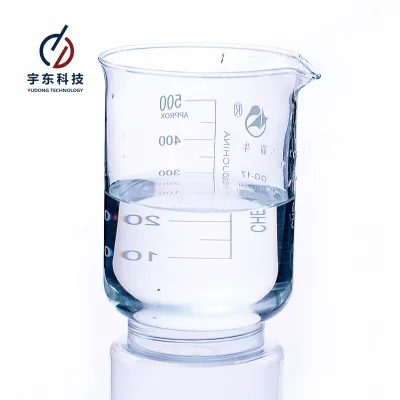
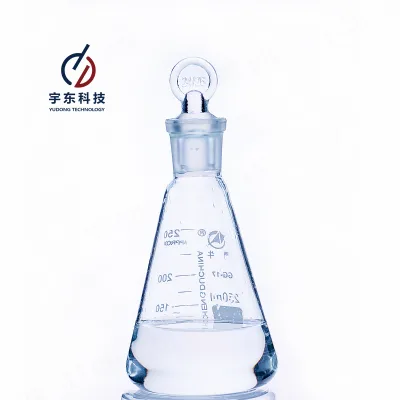
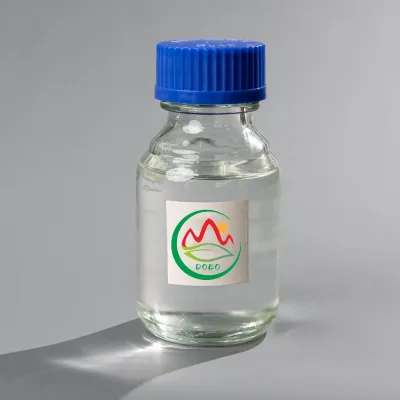
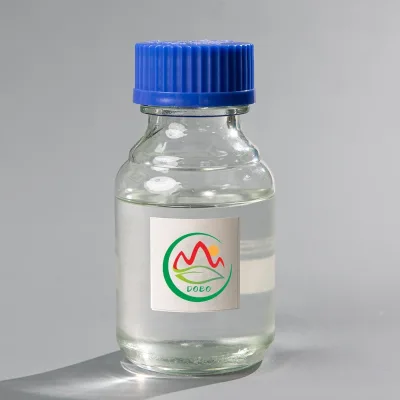
Guaranteed Quality Cheap M-xylylenediamine 1, 3-Bis (aminomethyl) Benzene CAS 1477-55-0
$8.00 - $10.70
MOQ: 1000 Minimum



Comprehensive Sourcing Guide
Eco-Friendly Liquid M-Xylylenediamine Sourcing Guide
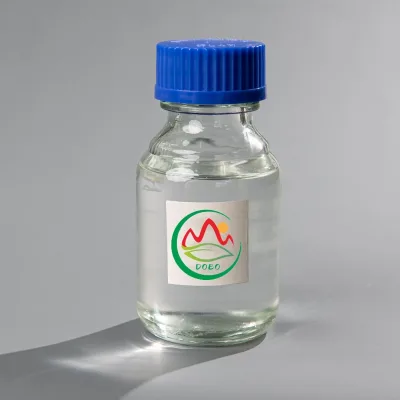
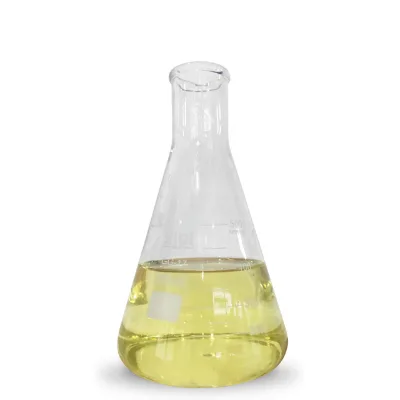
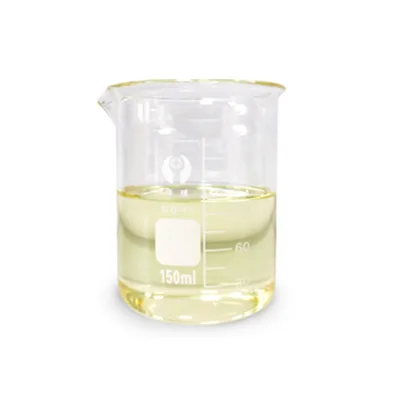
Sourcing 1,3-bis(aminomethyl)benzene, commonly known as m-xylylenediamine or MXDA, requires careful attention to its physical state and chemical purity. Market listings frequently describe this compound as a colorless or light yellow transparent liquid, which aligns with its observed melting point of approximately 14°C. Buyers must verify that the received material matches this liquid appearance, as deviations may indicate degradation or contamination. The chemical formula C8H12N2 and molecular weight of 136.19 are standard identifiers, but visual inspection remains a primary quality check upon delivery.
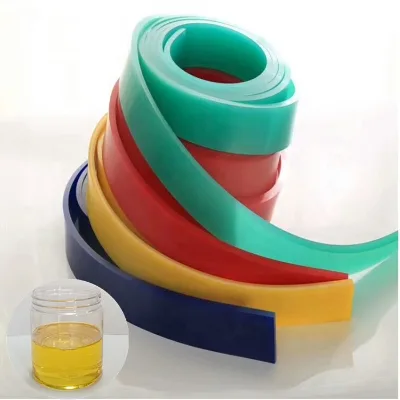
The product is widely classified as a chemical auxiliary agent and a synthesis material intermediate, serving critical roles in industrial applications. Observed usage categories include coating auxiliary agents, plastic auxiliary agents, and rubber auxiliary agents, highlighting its versatility in material science. Additionally, it functions as an organic intermediate for dyes and resins. Procurement teams should confirm that the specific grade purchased aligns with their end-use requirements, whether for industrial coatings, resin synthesis, or other chemical raw material applications.
Product Scope and Observed Listing Signals
Current market signals indicate a diverse range of suppliers offering this chemical auxiliary agent from various Chinese provinces, including Shandong and Zhejiang. Product names often vary, appearing as "1,3-Bis(aminomethyl)benzene," "M-xylylenediamine," or "MXDA," which can complicate direct comparison. Buyers should note that while some listings emphasize eco-friendly characteristics, others focus on industrial grade standards. It is essential to cross-reference the CAS number 1477-55-0 and EINECS number 216-032-5 to ensure accurate product identification across different supplier catalogs.
Pricing and minimum order quantities (MOQ) show significant variability, with observed prices ranging from 2 to 20 USD and MOQs spanning from 1 to 1000 units. This disparity suggests that pricing is highly dependent on volume, packaging, and supplier tier. Single package sizes also vary widely, from small 20x10x10 cm boxes to large 50x50x80 cm containers, reflecting different logistical needs. Buyers must evaluate these commercial signals carefully, ensuring that the quoted price includes appropriate packaging for liquid storage and that the MOQ aligns with their production schedule.
Technical Specifications to Verify
Verification of purity is a critical technical step, with many listings claiming a 99% purity level. Buyers should request recent analytical reports to confirm this specification, as impurities can significantly impact performance in sensitive applications like resin synthesis. The model number often corresponds to the CAS number 1477-55-0, but some suppliers use internal codes like "K" or "1477-55-0." It is vital to ensure that the technical data sheet explicitly states the purity percentage and matches the chemical identity provided in the purchase order.
Physical properties such as appearance and storage conditions must be strictly monitored. The product is typically described as a colorless liquid, though some sources note a light yellow transparent appearance. Storage recommendations often include keeping the material in a cool, dry place, which is crucial for maintaining stability. Buyers should verify that the supplier’s recommended storage conditions match their own facility capabilities to prevent premature degradation or safety hazards during storage.
Compliance and Safety Documentation
Safety data sheets (SDS) are mandatory for handling this chemical auxiliary agent, which is classified as an industrial grade substance. Buyers must ensure that the supplier provides an up-to-date SDS that details handling, storage, and emergency response procedures. Given that the product is a liquid with a low melting point, proper containment and temperature control are essential to prevent leaks or solidification issues. The SDS should also outline any specific hazards associated with m-xylylenediamine, ensuring that your safety protocols are comprehensive.
Certification status varies among suppliers, with some claiming ISO and GMP compliance. While these certifications can indicate a higher level of quality management, buyers should verify the validity of these certificates directly with the issuing bodies. Additionally, the product is sometimes marketed as eco-friendly, but this claim should be substantiated by environmental certifications or lifecycle assessments. Procurement teams should not rely solely on marketing terms but should request documented evidence of environmental compliance and sustainable manufacturing practices.
Cost Drivers and Commercial Terms
Packaging is a significant cost driver, with options ranging from 25kg drums to 200kg iron drums or custom requests. The choice of packaging affects both the unit price and the logistical complexity of delivery. For instance, 200kg drums may offer better economies of scale for large-volume buyers, while smaller packages might be necessary for just-in-time inventory systems. Buyers should calculate the total landed cost, including packaging disposal and handling fees, to determine the true cost efficiency of different packaging options.
Lead times and payment terms are also key commercial factors that influence the overall procurement cost. Suppliers may offer customization options, which can extend lead times but provide tailored solutions for specific application needs. It is advisable to negotiate clear payment terms that protect your interests, such as partial payments upon order confirmation and the balance upon delivery. Understanding these commercial terms helps in budgeting accurately and avoiding unexpected costs associated with rush orders or custom packaging requirements.
Supplier Qualification and Quality Control
Supplier qualification should begin with a thorough review of their manufacturing capabilities and quality control processes. Given that the product originates from regions like Shandong and Zhejiang, buyers should assess the supplier’s production capacity and consistency. Requesting samples for preliminary testing is a prudent step to verify the product’s appearance, purity, and performance in your specific application. This hands-on verification helps mitigate the risk of receiving substandard material that could disrupt your production line.
Quality control agreements should include clear acceptance criteria based on the observed specifications, such as 99% purity and liquid appearance. Buyers should establish a protocol for rejecting non-conforming goods and define the responsibilities for returns or replacements. Regular audits of the supplier’s quality management system can ensure ongoing compliance with agreed-upon standards. Building a strong relationship with a reliable supplier through consistent communication and clear expectations is essential for maintaining supply chain stability.
Long-Term Procurement Checks
Long-term procurement success depends on continuous monitoring of market trends and supplier performance. Keep an eye on fluctuations in raw material costs and regulatory changes that may impact the supply of m-xylylenediamine. Diversifying your supplier base can reduce risk, but ensure that any new supplier meets the same rigorous qualification standards as your primary source. Regularly reviewing your inventory levels and consumption rates will help you anticipate demand and negotiate better terms with your suppliers.
Sustainability and safety remain critical focus areas for long-term procurement. As environmental regulations tighten, ensure that your suppliers continue to meet eco-friendly standards and maintain necessary certifications. Engage in periodic reviews of your safety protocols and update them based on new hazard information or regulatory updates. By staying proactive in these areas, you can secure a stable, compliant, and cost-effective supply of 1,3-bis(aminomethyl)benzene for your industrial applications.
FAQs
What is the purity level of 1,3-Bis(aminomethyl)benzene?
The product purity is 99 percent as stated in the specifications. This chemical auxiliary agent is available in industrial grade and serves as a key intermediate for coatings, dyes, and resins applications.
Which certifications do the manufacturers hold for this chemical?
Manufacturers supply this product with ISO and GMP certifications. These quality standards ensure the material meets safety requirements for use as a chemical raw material in various industrial processes and applications.
How is the product packaged for industrial shipping?
Packaging options include 25kg drums or 200kg iron drums depending on customer requests. The single package size varies, with some listings showing dimensions of 20x10x10 cm or larger for bulk transport.
Can buyers request customization for this chemical intermediate?
Yes, customization is available for this organic intermediate. Buyers can specify packaging requirements or other details to suit their specific industrial needs while maintaining the core product identity and chemical properties.
What is the melting point of this colorless liquid?
The melting point is 14 degrees Celsius for this transparent liquid. It appears as a colorless or light yellow liquid suitable for use as a synthesis material intermediate in various chemical manufacturing processes.
Where are the suppliers of this chemical located?
Suppliers are located in Shandong and Zhejiang provinces in China. These regions produce the chemical auxiliary agent which is classified as an adsorbent and used extensively in rubber and plastic auxiliary applications.