Source Fabric Finishing Hydroxyl Silicone Oil for Softeners
Find 30 listings for Fabric Finishing Hydroxyl Silicone Oil to compare specifications like pH, ionicity, and packaging. Evaluate options from suppliers in Qingdao and Anhui for textile softeners, hair conditioners, and fiber lubricants; compare the available evidence and request quotations based on your requirements.
Updated
Key considerations
Products List






Comprehensive Sourcing Guide
Fabric Finishing Hydroxyl Silicone Oil Sourcing Guide
Procuring hydroxyl silicone oil for fabric finishing requires a disciplined approach to verifying chemical compatibility and performance metrics. Buyers must distinguish between standard polydimethylsiloxane variants and specialized hydroxyl-terminated products that offer superior reactivity and softness. The supplied data indicates a market presence of various silicone oils, including block silicone oils and epoxy silicone oils, which serve different auxiliary roles in textile processing. Understanding these distinctions is critical for selecting the correct raw material that aligns with specific finishing objectives, such as hand feel modification or durability enhancement.
Sourcing decisions should be grounded in the observed product attributes, such as ionicity, pH value, and solubility, which directly impact application efficacy. For instance, weak cationic or very weak cationic silicone oils may be suitable for specific fabric types, while hydrophilic variants dissolve in water for easier processing. Buyers should prioritize suppliers who provide clear molecular formulas and purity levels, as these factors influence the final textile quality. Verifying the exact chemical structure ensures that the selected oil will integrate properly with other finishing agents without causing compatibility issues during the post-processing stage.
Product Scope and Observed Listing Signals
The current market landscape for fabric finishing auxiliaries includes a diverse range of silicone-based products, with observed listings highlighting specific chemical profiles. Products are identified by model numbers such as KR-8511 and KR-8201, alongside brand names like ZINCA, which signal established manufacturing origins in regions like Qingdao and Anhui, China. These listings often specify the product type as cosmetic silicone oil or carbon black, indicating a broad spectrum of applications beyond simple lubrication. Buyers must carefully filter these signals to identify items explicitly suited for textile softening, such as those labeled as textile auxiliary agents or surfactants.
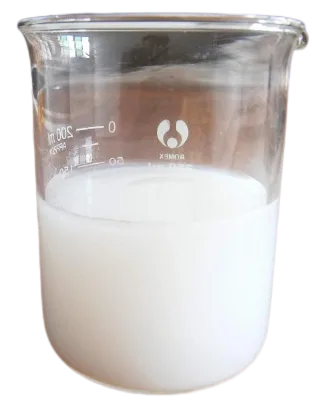
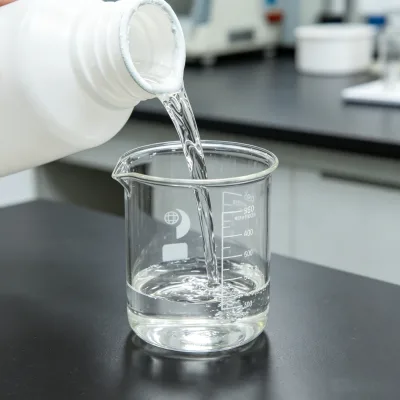
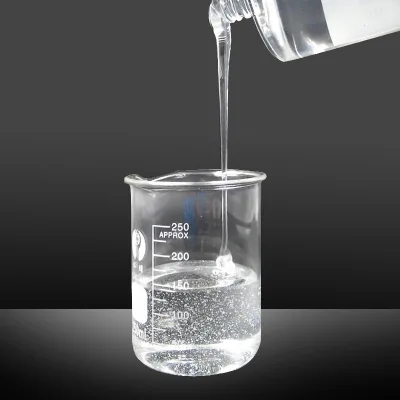
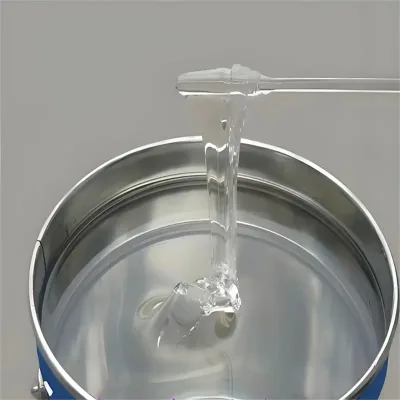
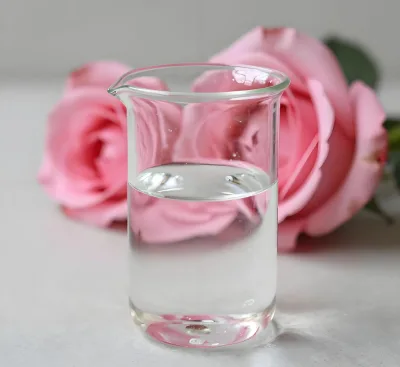
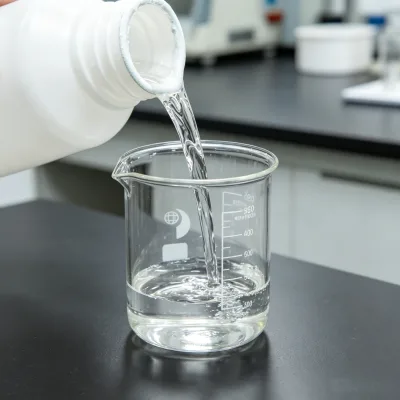
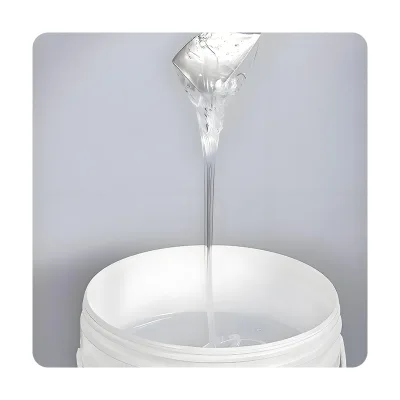
Observed physical attributes provide crucial insights into product handling and storage requirements. Many listed items are described as colorless transparent liquids with specific gravity values around 0.970 and refractive indices near 1.4030, which are typical for high-purity silicone oils. The presence of flash points at 300 ℃ and pour points at -50 ℃ suggests stability across a wide temperature range, facilitating safe transport and storage. Additionally, the availability of samples and customization options allows buyers to test performance before committing to larger orders, ensuring that the selected product meets the precise technical demands of their finishing lines.
Technical Specifications to Verify
Verifying technical specifications is paramount to ensuring that the hydroxyl silicone oil performs as expected in fabric finishing applications. Buyers should confirm the purity levels, which range from 90% to 100% in observed listings, as higher purity often correlates with better consistency and fewer impurities that could affect fabric quality. The molecular formula, such as R(CH3)2si[Osir(CH3)]Osi(CH3)2r or (CH3)3SiO[(CH3)2SiO]n-Si(CH3)3, must be validated to ensure the correct chain structure and functional groups are present. These chemical details determine the oil’s reactivity and its ability to bond with textile fibers, influencing the final hand feel and durability.
Additional parameters such as pH value, ionicity, and solubility must be rigorously checked against production requirements. Listings indicate pH values ranging from 5.0 to 9.0, with some products being weak cationic or hydrophilic, which affects their interaction with water-based finishing baths. Buyers should verify the shelf life, typically noted as six months, to manage inventory effectively and prevent degradation. Confirming the specific gravity and refractive index helps in quality control checks, ensuring that each batch meets the specified density and optical properties required for consistent performance in industrial textile processing.
Compliance and Safety Documentation
Compliance with international standards is essential for sourcing fabric finishing chemicals, particularly when exporting to regulated markets. Suppliers should provide certifications such as ISO and IATF, which indicate adherence to quality management systems and automotive industry standards, respectively. These certifications suggest a robust framework for production control and continuous improvement, reducing the risk of supply chain disruptions. Buyers must request valid certification documents to verify that the manufacturer maintains these standards consistently, ensuring that the raw materials meet global safety and quality benchmarks.
Safety data sheets and environmental protection declarations are critical components of the documentation package. The supplied facts highlight that many products are marked for environmental protection, which is increasingly important for sustainable textile manufacturing. Buyers should verify the CAS number, such as 70131-67-8, to ensure accurate identification and regulatory compliance. Additionally, checking for EINECS numbers or their absence helps in assessing the chemical’s regulatory status in different regions. Proper documentation ensures that the sourcing process aligns with legal requirements and corporate sustainability goals, minimizing liability and enhancing brand reputation.
Cost Drivers and Commercial Terms
Understanding the cost drivers for hydroxyl silicone oil involves analyzing packaging, quantity, and customization options. Observed listings show packaging in plastic drums with standard sizes of 120 kg or 125 kg, which influences logistics and handling costs. The minimum order quantity (MOQ) ranges from 1 to 1000 units, with some specific models requiring a minimum of 200 kg, affecting initial investment and inventory management. Buyers should negotiate terms that balance MOQ requirements with storage capacity and production schedules to optimize cash flow and reduce waste.
Pricing structures are often tied to the selling units, which may be multiples of 1,000 items or single items, depending on the supplier. The observed price range of 1-55 USD suggests variability based on purity, molecular weight, and specific functional properties. Customization availability allows for tailored solutions, which may incur additional costs but can enhance product performance. Buyers should evaluate the total cost of ownership, including shipping, handling, and potential rework costs, rather than focusing solely on the unit price. Transparent commercial terms and clear payment conditions are essential for maintaining a stable and predictable supply chain.
Supplier Qualification and Quality Control
Supplier qualification is a critical step in ensuring the reliability and consistency of Fabric Finishing Hydroxyl Silicone Oil supplies. Buyers should assess the supplier’s production capabilities, focusing on their origin in regions like Qingdao and Anhui, China, which are known for chemical manufacturing. Verifying the supplier’s ability to provide samples is crucial for testing product performance in actual production environments. A qualified supplier should demonstrate a commitment to quality through rigorous internal testing and adherence to specified molecular formulas and purity levels.
Quality control measures should include regular audits of the supplier’s manufacturing processes and documentation practices. Buyers should request batch-specific test results to verify parameters such as specific gravity, refractive index, and pH value. The availability of customization options indicates a flexible production system capable of meeting specific client requirements. Establishing a clear communication channel for addressing quality issues and implementing corrective actions is essential for maintaining long-term partnerships. Regular performance reviews and feedback loops help ensure that the supplier continues to meet evolving quality standards and production needs.
Long-Term Procurement Checks
Long-term procurement success depends on continuous monitoring of supplier performance and market dynamics. Buyers should establish key performance indicators (KPIs) to track delivery times, product consistency, and responsiveness to issues. Regularly reviewing the supplier’s certification status and compliance documentation ensures ongoing adherence to regulatory requirements. Monitoring changes in raw material costs and market trends helps in anticipating price fluctuations and adjusting procurement strategies accordingly. Proactive engagement with suppliers fosters a collaborative relationship that can lead to improved product offerings and competitive pricing.
Supply chain resilience is enhanced by diversifying suppliers and maintaining safety stock levels. Buyers should periodically re-evaluate the product specifications to ensure they remain aligned with evolving textile finishing technologies and customer expectations. Tracking the shelf life and storage conditions of the silicone oil prevents degradation and ensures optimal performance. Implementing a robust risk management plan that includes contingency sourcing options mitigates the impact of potential supply disruptions. Continuous improvement initiatives and regular supplier audits contribute to a stable and efficient procurement process, supporting long-term business growth and sustainability.
FAQs
What is the pH value of the fabric finishing silicone oil?
The pH value ranges from 5.0 to 6.0 for specific models like KR-8511. Other variants such as hydrophilic block silicone oil may have a pH between 7 and 9. These values ensure compatibility with textile processing environments while maintaining product stability during application.
Can I customize the silicone oil for specific textile needs?
Yes, customization is available for various silicone oil products. Buyers can request specific formulations tailored to their production requirements. This flexibility allows manufacturers to meet diverse textile finishing needs without compromising on quality or performance standards.
What is the minimum order quantity for silicone oil products?
Minimum order quantities vary by product, ranging from 1 to 1000 units. Specific models like ZINCA-B001 require a 200 kg minimum. Buyers should verify the exact MOQ for their selected model to ensure compliance with supplier purchasing policies.
Which certifications do the silicone oil manufacturers hold?
Manufacturers hold ISO and IATF certifications for their chemical auxiliary agents. These standards ensure quality management and automotive industry compliance. Buyers can rely on these certifications when sourcing products for regulated textile and industrial applications globally.
How is the silicone oil packaged for shipping?
Products are typically packed in plastic drums with standard weights of 120 kg or 125 kg. Some items may also be available in 50 kg drums. This packaging ensures safe transport and storage while maintaining the integrity of the liquid chemical during logistics.
What is the shelf life of the block silicone oil?
The shelf life is approximately six months for the block silicone oil product. Proper storage conditions are essential to maintain this duration. Buyers should plan their inventory accordingly to ensure product efficacy before the expiration date.
Where are the silicone oil products manufactured?
Products originate from Qingdao, China, and Anhui, China. These locations serve as primary production hubs for the chemical auxiliary agents. Buyers can expect consistent supply chains and logistics support from these established manufacturing regions.
What is the purity level of the silicone oil?
Purity levels vary by product, with some reaching 100 percent and others at 90 or 99 percent. Specific models like ZINCA-B001 offer 99 percent purity. Buyers should check the product specification sheet to confirm the exact purity for their application.