Source Eco-Friendly Mechanical Kitchen Alarm Timer for Home, Office, Kitchen
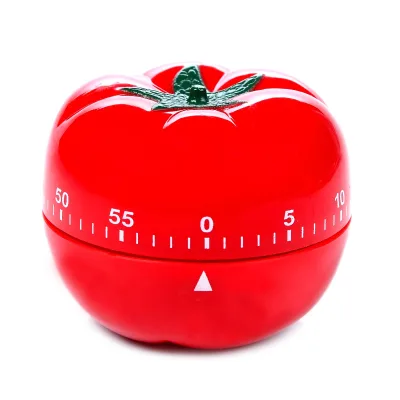
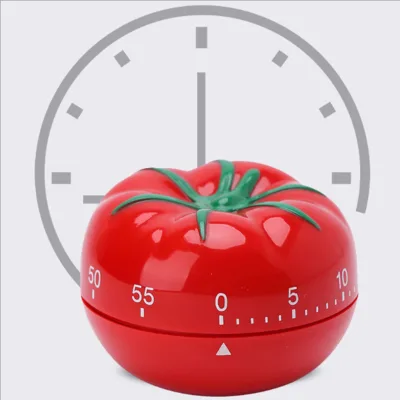
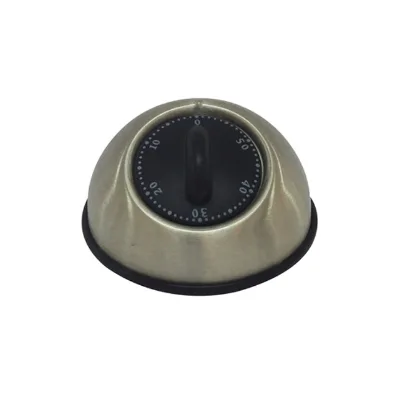
Compare 30 listings of eco-friendly mechanical kitchen alarm timer options featuring stainless steel and ABS materials. Buyers can review specifications like 60-minute countdowns and diverse styles from Chinese manufacturers for household or commercial use.
Key considerations
Products List



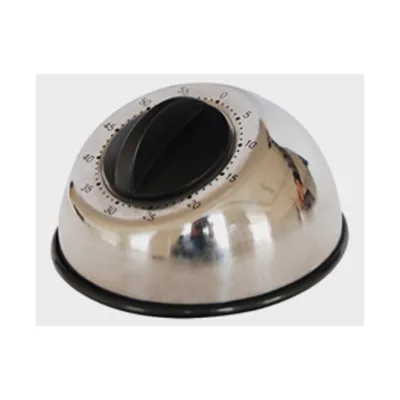
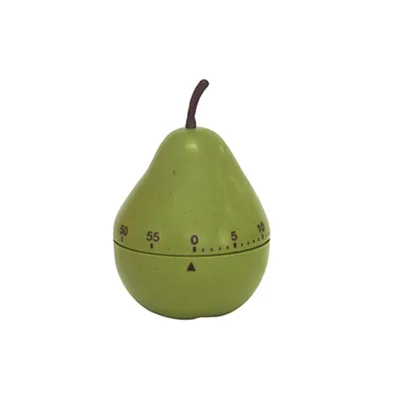
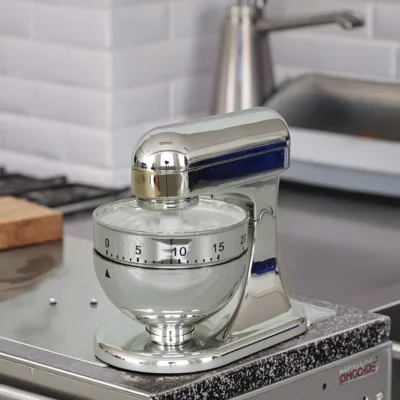


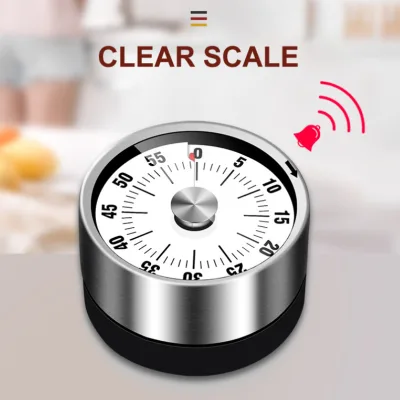


Comprehensive Sourcing Guide
Strategic Sourcing Guide for Eco-Friendly Mechanical Kitchen Alarm Timers
Understanding the Product Category and Core Attributes
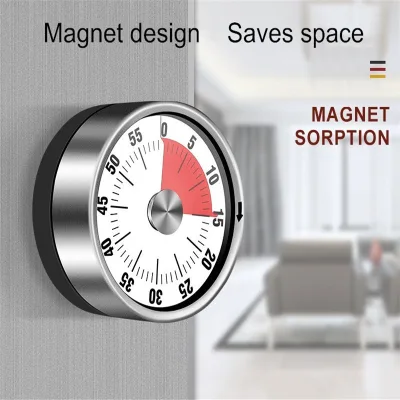
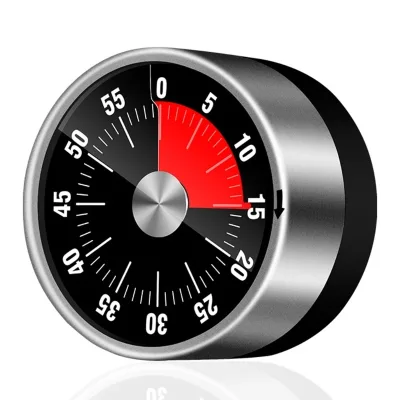
The global market for kitchen timing devices has seen a steady shift toward mechanical solutions that prioritize durability, simplicity, and environmental sustainability. When sourcing an eco-friendly mechanical kitchen alarm timer, buyers must first distinguish between electronic and purely mechanical variants. The specific product category under review typically features a mechanical countdown mechanism that does not rely on batteries for operation, aligning with the "no need battery" power supply attribute observed in current market listings. This absence of battery dependency is a primary driver for the eco-friendly classification, as it eliminates the need for battery disposal and reduces the electronic waste footprint associated with standard digital timers.
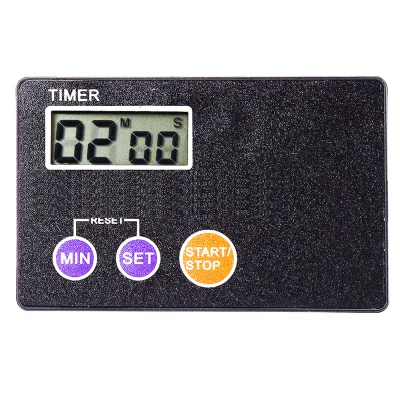
The core functionality of these devices centers on a fixed time reminder capability, often capped at a maximum of 60 minutes. This range is sufficient for most culinary applications, from boiling eggs to baking pastries. The physical construction of these timers varies, with observed materials including stainless steel and ABS plastic. Stainless steel variants offer a robust, hygienic surface suitable for commercial kitchens, while ABS plastic options provide a lighter, often more colorful alternative for household use. The "Stainless Steel Display" attribute noted in some listings suggests a specific aesthetic finish rather than a functional electronic screen, reinforcing the mechanical nature of the device. Buyers should verify that the "mechanical" designation is consistent across the supply chain, as some listings may conflate mechanical timers with electronic countdown devices that merely display a digital readout.
Technical Specifications and Design Standards
When evaluating the technical specifications of a mechanical kitchen timer, precision in dimensions and weight is critical for both logistics and user experience. The standard single package size for these units often measures approximately 9x7x10 cm, with a gross weight of around 0.100 kg. The physical dimensions of the timer itself are frequently cited as 6.34.5 cm, though variations exist based on the specific model and brand. For instance, some listings reference a standard of 5858*104mm, which may apply to the packaging or a specific variant of the timer. The weight of the unit itself is typically around 92g, a factor that influences the tactile feel and stability of the device on a kitchen counter.
The design style of these timers is diverse, ranging from Japanese and Chinese aesthetics to Western and single-design formats. The "Round Head" feature is a common design element, often associated with the winding knob or the base of the timer. The "Hardness" attribute is listed as "Soft" in some contexts, which may refer to the tactile feel of the casing or the specific type of plastic used, rather than the mechanical gears. It is essential for buyers to clarify whether "Soft" refers to the material texture or a specific mechanical characteristic. The "Unfolded" status indicates that these are not collapsible devices, maintaining a fixed footprint during operation. The "Non-Disposable" nature of the product ensures a longer lifecycle, supporting the eco-friendly claim by reducing single-use waste.
Compliance, Certification, and Regulatory Standards
Navigating the compliance landscape for kitchen timers requires a rigorous verification of certifications, particularly for products intended for export to North America, Europe, and Asia. The observed market data indicates that suppliers often claim compliance with a broad spectrum of standards, including EEC, CIQ, LFGB, CE, and FDA. These certifications are critical for ensuring that the materials used, such as stainless steel or ABS plastic, are safe for food contact and do not leach harmful substances. The LFGB (German Food and Feed Code) and FDA (US Food and Drug Administration) approvals are particularly significant for kitchenware, as they validate the safety of the materials in direct contact with food.
However, buyers must exercise caution when interpreting these claims. While the data lists these certifications, the actual status of any specific supplier's batch must be verified through official documentation. The HS CODE 9025800000 is a standard classification for these instruments, but it is crucial to ensure that the product is correctly categorized to avoid customs delays or duty discrepancies. Additionally, while RoHS and REACH are mentioned in background contexts, they should not be assumed as standard inclusions without explicit confirmation from the supplier. The "Customization" attribute suggests that branding and logo placement are available, but any custom printing must also adhere to the same safety standards as the base product. Buyers should request current, valid certificates for each batch to ensure ongoing compliance, especially since regulatory requirements can change frequently.
Cost Drivers and Pricing Dynamics
The pricing structure for eco-friendly mechanical kitchen timers is influenced by several key factors, including material composition, customization level, and order volume. The observed price range in the market spans from $0.29 to $4.99 USD. This wide variance is primarily driven by the choice of material; stainless steel units typically command a higher price point due to the cost of raw materials and the complexity of manufacturing compared to ABS plastic versions. The "Eco-Friendly" and "Easy Operation" features also contribute to the value proposition, potentially justifying a premium over generic, non-branded alternatives.
Order quantity plays a pivotal role in determining the final unit cost. The Minimum Order Quantity (MOQ) observed in the market ranges from 10 to 5,000 units. Suppliers with lower MOQs, such as 100 pieces, may offer more flexibility for small businesses or startups but often at a higher per-unit cost. Conversely, larger orders of 5,000 units can significantly reduce the price per unit, bringing it closer to the lower end of the observed range. The "Selling Units" attribute indicates that these products are typically sold as single items, but bulk packaging (e.g., 100 pieces per carton) is standard for logistics. Buyers should negotiate based on the total volume and the specific customization requirements, as adding a logo or specific color options can impact the final price. It is also important to consider the "Stocked" status of the product; items that are already in stock may offer faster delivery but could have less pricing flexibility compared to made-to-order items.
Typical Applications and Market Segmentation
The versatility of mechanical kitchen timers makes them suitable for a wide array of applications across different market segments. The primary usage is in the home and kitchen environment, where they serve as essential tools for cooking and baking. The "Set Time Reminder" function is fundamental for ensuring food is cooked to the correct temperature and duration, preventing overcooking or burning. Beyond the domestic sphere, these timers are increasingly utilized in commercial kitchens, restaurants, and catering services where precision and durability are paramount. The "Commercial Use" attribute highlights their suitability for high-volume environments where reliability is critical.
In addition to culinary applications, these timers find use in educational settings and as promotional gifts. The "Gift" and "Children Timer" applications suggest that the design often incorporates user-friendly features and engaging aesthetics, making them suitable for teaching time management or as novelty items. The "Decoration" and "Daily Use" attributes further expand their utility, allowing them to serve as both functional tools and decorative kitchen accessories. The "Fashion" style and "Novelty" features indicate that these products can be marketed as lifestyle items, appealing to consumers who value both form and function. The "Japanese, Chinese, Western" style options allow suppliers to tailor products to specific cultural preferences, enhancing their marketability in different regions.
Supplier Evaluation and Quality Control Protocols
Selecting the right supplier for eco-friendly mechanical kitchen timers requires a thorough evaluation of their capabilities, production standards, and quality control measures. Buyers should prioritize suppliers who demonstrate transparency in their manufacturing processes and provide clear documentation regarding material sourcing. The "Customized" and "Customization" attributes indicate that many suppliers offer branding services, but buyers must ensure that the customization process does not compromise the structural integrity or safety of the timer. Verifying the "Hardness" and "Material" specifications is essential to ensure the product meets the durability requirements of the intended market.
Quality control should be a central component of the procurement strategy. Buyers must verify that the "Mechanical" nature of the timer is consistent and that the countdown mechanism operates smoothly without jamming. The "No need battery" feature must be rigorously tested to ensure that the timer functions reliably without external power sources. Inspecting the "Single gross weight" and "Single package size" can help identify inconsistencies in production that might indicate quality issues. Additionally, buyers should request samples to test the "Eco-Friendly" claims, ensuring that the materials are indeed sustainable and safe. The "Stocked" status of the product can be a positive indicator of a supplier's ability to meet demand, but it should not replace the need for a comprehensive quality audit.
Long-Term Procurement and Supply Chain Considerations
For long-term success, buyers must consider the scalability and sustainability of their supply chain. The "Eco-Friendly" and "Stocked" attributes suggest that there is a growing demand for sustainable kitchenware, and suppliers who can consistently deliver high-quality, environmentally responsible products will be better positioned to meet future market needs. Buyers should evaluate the supplier's ability to scale production up or down based on demand fluctuations, as the MOQ range of 10 to 5,000 units offers flexibility but requires careful planning.
The "Place of Origin" in China, specifically Fujian and Guangdong, indicates a mature manufacturing hub with established supply chains. However, buyers should be aware of potential logistical challenges, such as lead times and shipping costs, which can vary based on the specific location and the volume of the order. The "HS CODE" and certification requirements must be managed carefully to ensure smooth customs clearance. Long-term partnerships with suppliers who demonstrate a commitment to quality and sustainability can lead to better pricing, improved lead times, and a more reliable supply chain. By focusing on these strategic considerations, buyers can secure a steady supply of high-quality, eco-friendly mechanical kitchen timers that meet the evolving needs of their customers.
FAQs
How does the timer operate without batteries?
The timer operates mechanically without needing batteries, eliminating electronic waste. This eco-friendly design relies on a winding mechanism to set a countdown of up to 60 minutes for kitchen use.
What materials are used to construct the timer?
Manufacturers typically use stainless steel or ABS plastic for the casing. Stainless steel offers durability for commercial kitchens, while plastic provides a lighter option for household applications.
Which certifications ensure the timer is safe for food contact?
Products often carry certifications like LFGB, CE, and FDA to ensure material safety. These standards verify that the stainless steel or plastic components do not leach harmful substances during use.
Can buyers request custom branding on the timer?
Yes, customization is available for logos and specific designs. Suppliers can accommodate custom orders, though buyers should verify that any printed materials also meet food safety standards.
What is the typical minimum order quantity for these timers?
The minimum order quantity ranges from 10 to 5000 units depending on the supplier. Lower MOQs like 100 pieces offer flexibility for small businesses, while larger orders reduce unit costs.
How long is the countdown time on the mechanical timer?
The fixed time reminder capability is capped at a maximum of 60 minutes. This duration is sufficient for most culinary tasks like boiling eggs or baking pastries in home or commercial settings.
Where are these timers typically manufactured?
Production primarily occurs in China, specifically in Fujian and Guangdong provinces. These regions host established manufacturing hubs capable of producing stainless steel and plastic variants for global export.