Source Eco Friendly Non-Slip Yoga Mat for Home Exercise Pilate Sport
Find 30 Eco Friendly Non-Slip Yoga Mat options from verified Chinese manufacturers. Compare materials like EVA, TPE, and natural rubber, along with thickness and customization features for home exercise, pilate, and sport applications.
Key considerations
Products List


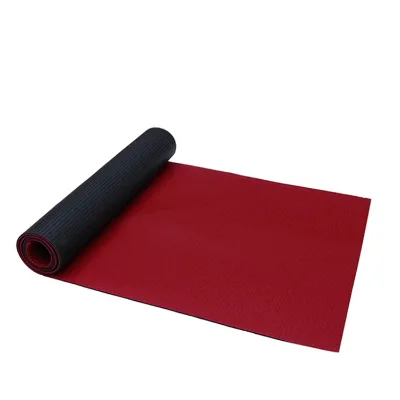


Eco-Friendly Rubber Yoga Mat with High-Quality Print and Anti-Slip Design
$13.45 - $14.85
MOQ: 50 Pieces


Comprehensive Sourcing Guide
Eco Friendly Non-Slip Yoga Mat Sourcing Guide
Sourcing eco-friendly, non-slip yoga mats requires a careful balance between material sustainability, functional performance, and commercial viability. The market offers a diverse range of options, from natural rubber and cork to advanced thermoplastic elastomers (TPE) and ethylene-vinyl acetate (EVA). Buyers must navigate these material distinctions to ensure the final product aligns with their brand’s environmental claims and the end-user’s physical requirements. This guide provides a structured approach to evaluating suppliers, verifying technical specifications, and managing commercial risks associated with this category.
The following sections detail the critical decision points for procurement professionals. By focusing on verified attributes such as material composition, surface treatment, and certification status, buyers can mitigate the risk of greenwashing and ensure product consistency. The guidance below is derived from observed market listings and standard industry practices, offering a practical framework for building a reliable supply chain for yoga accessories.
Product Scope and Observed Listing Signals
The current market landscape for yoga mats includes a variety of material types, each offering distinct advantages in terms of grip, durability, and environmental impact. Observed listings indicate a strong presence of EVA (ethylene-vinyl acetate) mats, which are often marketed as lightweight and cost-effective options for home exercise. These mats are frequently available in solid colors and can be customized with logos, making them suitable for promotional or private-label campaigns. Additionally, TPE (thermoplastic elastomer) mats are prevalent, offering a balance between eco-friendliness and performance, often featuring printed designs and anti-slip properties.
Beyond synthetic options, natural rubber and cork mats represent the premium segment of the eco-friendly market. Natural rubber mats are noted for their superior grip and durability, while cork mats are valued for their antimicrobial properties and natural origin. Some listings also highlight composite materials, such as natural rubber combined with PU leather, which aim to provide a soft, comfortable hand feel while maintaining structural integrity. These diverse material options allow buyers to target different market segments, from budget-conscious consumers to those seeking high-performance, sustainable gear.
Technical Specifications to Verify
Material composition is the primary technical factor determining both the environmental profile and the functional performance of a yoga mat. Buyers should verify whether the core material is natural rubber, TPE, EVA, or a composite like cork. For instance, mats labeled as "eco-friendly" may use TPE, which is recyclable and free from PVC, or natural rubber, which is biodegradable but requires sustainable sourcing verification. The thickness of the mat, ranging from 5mm to 15mm in observed listings, directly impacts cushioning and stability, with thicker mats offering more joint protection and thinner mats providing better ground connection for balance poses.
Dimensions and surface treatments are equally critical for ensuring user satisfaction and product differentiation. Standard sizes such as 183cm x 61cm or 180cm x 66cm are common, but larger options like 200cm x 90cm are available for users requiring extra space. Surface treatments, such as vegan PU leather or anti-slip textures, enhance grip and comfort. Buyers must confirm that the specified dimensions and thicknesses match the product model codes provided by suppliers, as variations can affect packaging costs and shipping logistics. Additionally, features like waterproofing and washability should be explicitly verified to ensure the mat meets hygiene expectations.
Compliance and Safety Documentation
Certification status is a key indicator of a supplier’s commitment to safety and environmental standards. While some listings mention certifications such as CPSIA, which relates to consumer product safety, others may reference broader standards like OEKO-TEX or GOTS, though these should be treated as background information rather than confirmed attributes for every product. Buyers must request valid, up-to-date certificates for each product batch to verify that materials are free from harmful substances like phthalates, heavy metals, and formaldehyde. This verification is essential for maintaining brand integrity and complying with international trade regulations.
Documentation should also cover the manufacturing process and material sourcing. For mats made from natural rubber or cork, buyers should inquire about the sustainability of the raw materials, such as whether the rubber is harvested from managed plantations. For synthetic materials like TPE or EVA, documentation should confirm the absence of toxic additives and the recyclability of the material. Suppliers should be able to provide material safety data sheets (MSDS) and test reports from accredited laboratories to substantiate their eco-friendly and non-slip claims.
Cost Drivers and Commercial Terms
Pricing in the yoga mat market varies significantly based on material, thickness, and customization requirements. Observed price ranges span from approximately $1.50 to $23.55 per unit, reflecting the diversity from basic EVA mats to premium natural rubber or cork options. Customization, such as adding a customized logo or specific packaging, can influence the final cost. Buyers should clarify whether the quoted price includes tooling fees for custom molds or printing plates, as these can add to the initial investment.
Minimum Order Quantities (MOQs) and payment terms are critical commercial considerations. MOQs can range from as low as 10 pieces for certain customized or premium items to 10,000 pieces for standard bulk orders. Flexible MOQs are often available for OEM projects, allowing buyers to test the market with smaller initial orders. Payment methods typically include PayPal, Western Union, TT, and Trade Assurance, with the latter providing an additional layer of security for international transactions. Buyers should negotiate terms that align with their cash flow and risk tolerance, ensuring clear definitions of delivery schedules and return policies.
Supplier Qualification and Quality Control
Supplier qualification begins with verifying the company’s location and manufacturing capabilities. Many suppliers are based in China, with specific clusters in regions like Jiangsu and Shanghai, which are known for their textile and rubber manufacturing expertise. Buyers should assess the supplier’s production capacity, quality control processes, and ability to handle OEM requests. Requesting samples is a crucial step to evaluate the physical quality of the mat, including its grip, smell, and durability.
Quality control should extend beyond the initial sample to include in-process and pre-shipment inspections. Buyers should establish clear acceptance criteria for defects, such as uneven thickness, peeling surfaces, or color inconsistencies. Packaging methods, such as paper wrap or carry straps, should be verified to ensure the product arrives in good condition. Suppliers should be willing to provide photos or videos of the production line and finished goods to demonstrate their quality management systems. Building a long-term relationship with a reliable supplier can help maintain consistent product quality and reduce sourcing risks.
Long-Term Procurement Checks
Sustainability claims must be regularly audited to prevent greenwashing and maintain consumer trust. Buyers should periodically review the supplier’s sourcing practices and certification status, ensuring that eco-friendly materials are genuinely sourced and processed according to stated standards. This includes verifying that natural rubber is not linked to deforestation and that synthetic materials are produced with minimal environmental impact. Continuous engagement with the supplier on sustainability initiatives can drive improvements in the supply chain.
Market trends and consumer preferences evolve, requiring buyers to stay informed about new materials and technologies. For example, the demand for vegan leather alternatives or biodegradable mats may increase over time. Buyers should maintain a diversified supplier base to mitigate risks associated with single-source dependencies. Regular performance reviews, including feedback from end-users, can help identify areas for product improvement. By staying proactive in supplier management and market analysis, buyers can ensure their eco-friendly yoga mat offerings remain competitive and compliant in the long term.
FAQs
What materials are used for eco friendly non slip yoga mats?
Eco friendly non slip yoga mats are commonly made from EVA, TPE, natural rubber, or cork. Specific models like the TP19-EVAMT-MT 506 use EVA, while the TP19-NRMT-MT 504 utilizes natural rubber. These materials ensure durability and a non-slip surface for various exercises.
Which customization options are available for yoga mat logos?
Customized logos are available for most Eco Friendly Non-Slip Yoga Mat models. Suppliers accept OEM requests and offer customized logo printing on products like the ZQ-2 and ZQ-6. This allows buyers to brand their mats with unique designs or company identifiers.
Can I find yoga mats with specific thickness and size requirements?
Yes, eco friendly non slip yoga mats come in various thicknesses and sizes. Options include 15mm thickness with 200cm by 90cm dimensions, or 5mm thickness with 183cm by 61cm dimensions. Standard sizes often range from 173cm to 183cm in length.
What are the minimum order quantities for sourcing these mats?
Minimum order quantities vary by supplier and product model. Some eco friendly non slip yoga mats require an MOQ of 100 pieces, while others like the ZQ-4 model accept orders as low as 10 pieces. Buyers should check specific product listings for exact MOQ values.
How are these yoga mats packaged for shipping?
Eco friendly non slip yoga mats are typically packaged in paper wrap with a carry strap. This packaging method protects the mat during transit while providing convenience for the end user. Specific packing details may vary slightly depending on the manufacturer and model.
Are there certifications available for natural rubber yoga mats?
Some eco friendly non slip yoga mats feature certifications like CPSIA for safety compliance. While GOTS and FSC are mentioned in background contexts, specific product pages confirm CPSIA for certain models. Buyers should verify current certification status with the supplier.
What payment methods are accepted for bulk orders?
Suppliers accept multiple payment methods including PayPal, Western Union, TT, and Trade Assurance. These options provide flexibility for international buyers sourcing eco friendly non slip yoga mats. Trade Assurance offers additional protection for the transaction process.