Source eco-friendly non-slip pink cutting board for Chopping, Slicing, and Serving
Find 30 verified options for the eco-friendly non-slip pink cutting board suitable for chopping, slicing, and serving. Compare specifications including material, size, and certifications from suppliers in China to select the right product for your kitchen needs.
Key considerations
Products List
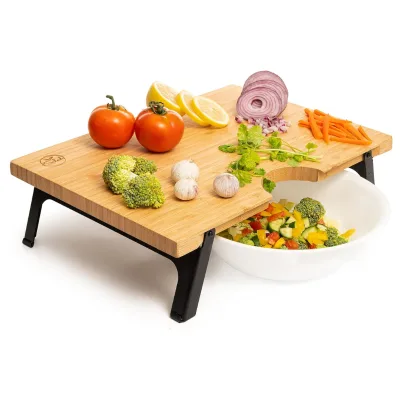


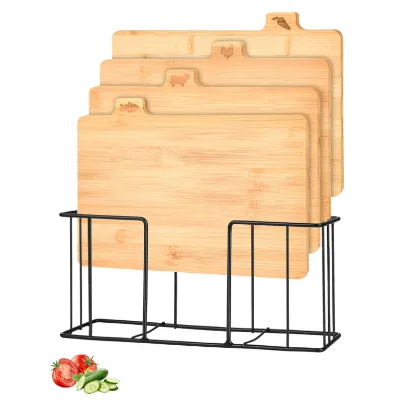
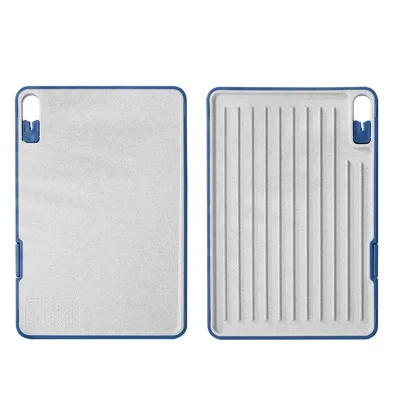


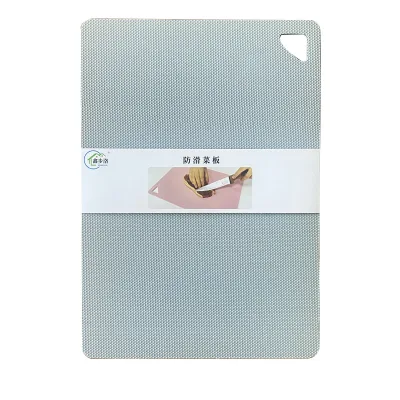


Comprehensive Sourcing Guide
Strategic Sourcing Guide for Eco-Friendly Non-Slip Pink Cutting Boards
Understanding the Product Category and Material Variability
When sourcing an eco-friendly non-slip pink cutting board, buyers must first navigate a complex landscape of material definitions and product attributes. The term "cutting board" often encompasses a wide range of items, from heavy-duty wooden slabs to flexible plastic mats. In the current market data, there is a distinct divergence in material composition. While some listings explicitly identify the material as wood or bamboo, others specify plastic or polypropylene (PP). This variation is critical because the "eco-friendly" claim often hinges on the specific material source. For instance, bamboo and wood are frequently marketed as renewable resources, whereas plastic boards are often associated with recycled content or specific food-grade polymers.
The color specification "pink" introduces another layer of complexity. The observed data indicates that color options for similar kitchen products often include natural tones, white, red, blue, green, and yellow. While a specific "pink" listing may not be explicitly dominant in the provided dataset, the availability of custom colors suggests that pink is a feasible customization option for buyers seeking specific branding or aesthetic alignment. The "non-slip" or "anti-skidding" feature is a functional requirement that appears in multiple product profiles, often paired with antibacterial and anti-friction properties. This functionality is typically achieved through surface texturing or specific material density adjustments.
Buyers should recognize that the "eco-friendly" attribute is not a monolithic standard but a collection of observations. Some products are described as 100% eco-friendly, while others rely on the inherent properties of the raw material, such as bamboo or wood. The distinction between a "chopping board" and a "desk organizer" or "cutting board rack" is also vital. A product listed as a desk organizer might share similar dimensions or aesthetic qualities but serve a completely different utility. Therefore, the initial sourcing phase requires rigorous filtering to ensure the product matches the intended culinary application rather than a decorative or organizational one.
Technical Specifications and Physical Attributes
The physical specifications of a cutting board are paramount for both functionality and safety. The observed data reveals a significant variance in thickness, ranging from 1.5 cm to 2.0 cm, with some flexible products potentially having different dimensional profiles. Thickness is a direct indicator of durability and resistance to warping or knife damage. A board with a thickness of 2.0 cm generally offers superior stability for heavy chopping tasks compared to a 1.5 cm variant, which might be more suitable for lighter prep work or serving.
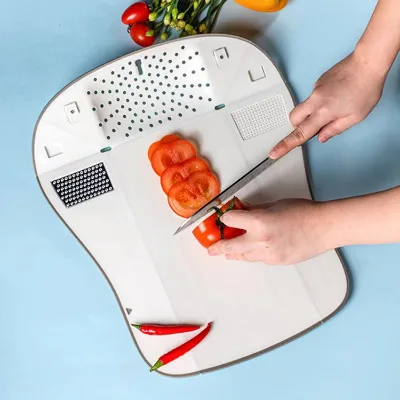
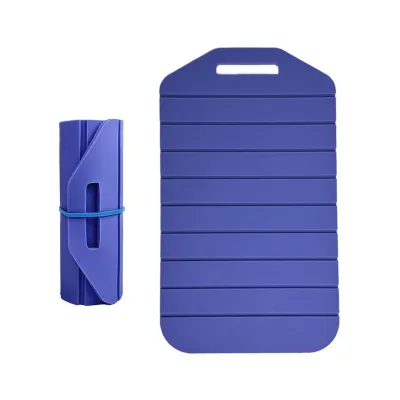
Dimensions are equally critical. The single package size for some observed items is 31x23x5 cm, while other specifications list a size of 16"L x 12"W x 3.5"Th. These measurements suggest that the market offers both standard rectangular boards and potentially larger "extra large" variants. The shape is predominantly rectangular or square, which aligns with standard kitchen ergonomics. However, the "flexible" design attribute noted in some plastic product profiles indicates a different category of cutting board, likely made of thin, pliable material that can be rolled or folded. This flexibility is a distinct feature that affects the non-slip performance and the ease of cleaning.
Weight is another technical factor to consider. The observed single gross weight for certain wooden or bamboo boards is 2.000 kg. This weight suggests a solid, substantial product that is less likely to slide during use, provided the surface texture is adequate. For plastic or PP-based boards, the density is listed as 0.96g/cm3, which is a specific physical property that influences buoyancy and structural integrity. Buyers must verify if the thickness and density of the pink board they select align with their specific usage requirements, whether for home kitchens, commercial catering, or food processing facilities. The surface texture, described as "textured" in some profiles, is a key technical element that contributes to the non-slip capability by increasing friction between the board and the countertop.
Compliance, Certification, and Food Safety Standards
Food safety is the non-negotiable foundation of any cutting board procurement. The market data highlights several certifications that buyers should verify, including LFGB, ISO, and ISO/Food Grade. LFGB (Lebens- und Futtermittelgesetzbuch) is a German food safety standard that is highly respected globally for its rigorous testing of materials for harmful substances. The presence of this certification in the product attributes suggests that some suppliers are capable of meeting high European standards. However, buyers must not assume that every product labeled "eco-friendly" automatically possesses this certification.
The ISO certification is another common standard observed, often indicating that the manufacturing process meets specific quality management requirements. However, ISO alone does not guarantee food safety; the specific "ISO/Food Grade" designation is more relevant for kitchenware. When sourcing a pink cutting board, the buyer must explicitly request documentation proving that the material, including the pink dye or pigment, is food-safe and does not leach harmful chemicals into food. The "Food Grade" attribute is essential, particularly for plastic boards, to ensure the material is suitable for direct contact with fruits, vegetables, and other food items.
The "eco-friendly" claim also intersects with compliance. While some products are described as 100% eco-friendly, the specific standards supporting this claim, such as FSC (Forest Stewardship Council) for wood products, are noted in the background data with lower confidence. Buyers should treat such claims as observations to be verified rather than guaranteed facts. It is imperative to request third-party test reports that confirm the absence of BPA, phthalates, and other hazardous substances, especially for colored boards where pigments are involved. The "Anti-bacterial" feature mentioned in some profiles should be backed by laboratory test results rather than just marketing assertions.
Cost Drivers and Pricing Dynamics
The pricing for eco-friendly non-slip cutting boards is influenced by a complex interplay of material costs, manufacturing processes, and customization requirements. The observed price range in the market is vast, spanning from $0.10 to $4,550. This extreme variance indicates that the market includes both low-cost, mass-produced items and high-end, custom-manufactured solutions. The lower end of the spectrum likely corresponds to simple plastic or PP boards with minimal customization, while the higher end may involve solid wood, bamboo, or large-scale commercial units with extensive branding and packaging.
Material is a primary cost driver. Bamboo and wood generally command a higher price point than plastic or PP due to the cost of raw materials and the labor-intensive processing required to create a durable, food-safe surface. The thickness of the board also impacts cost; a 2.0 cm board will typically be more expensive than a 1.5 cm variant due to the increased material usage. Customization is another significant factor. The ability to add a customized logo, select specific colors like pink, or alter dimensions according to a buyer's specifications (OEM) will increase the unit cost.
Minimum Order Quantity (MOQ) is a critical economic consideration. The observed MOQ range is 1 to 5,000 sets, with a specific high-confidence observation of 200 sets for certain products. Buyers seeking small batches may face higher per-unit costs or limited supplier options, while those ordering in bulk can leverage economies of scale. The packaging type also affects the final cost. Products packaged in single-piece boxes or color boxes incur higher packaging costs compared to those shipped in bulk cartons. Buyers must balance the desire for premium packaging with the budget constraints of the project.
Supplier Evaluation and Customization Capabilities
Evaluating suppliers for eco-friendly cutting boards requires a focus on their ability to meet specific customization and quality standards. The data indicates that many suppliers offer "Customized Logo" services and accept OEM color and size requests. This flexibility is essential for buyers looking to brand their products or meet specific kitchen design requirements. However, the ability to customize does not guarantee quality; buyers must assess the supplier's track record in delivering consistent results.
The place of origin is a relevant factor in supplier evaluation. The observed data points to suppliers located in Anhui, China, and Shandong, China. These regions are known for their manufacturing capabilities in wood, bamboo, and plastic products. Buyers should verify the supplier's production capacity and their experience with international standards. The availability of samples is a crucial step in the evaluation process. The data confirms that samples are available, allowing buyers to physically inspect the product for texture, color accuracy, and non-slip performance before committing to a large order.
When evaluating a supplier, buyers should also consider their response to the "eco-friendly" claim. A reputable supplier should be transparent about their material sourcing and manufacturing processes. They should be able to provide documentation regarding the sustainability of their wood or bamboo sources and the safety of their plastic formulations. The "Flexible" design attribute mentioned in some profiles suggests that some suppliers specialize in innovative materials, which may offer unique advantages in terms of durability and ease of use.
Quality Control and Long-Term Procurement Strategy
Implementing a robust quality control (QC) strategy is essential for ensuring that the pink cutting boards meet the required standards. Given the variability in material and finish, buyers should establish clear acceptance criteria before production begins. This includes verifying the thickness, density, and surface texture. For the non-slip feature, buyers should request friction tests or practical demonstrations to ensure the board stays in place during use. The "Anti-friction" and "Anti-skidding" attributes should be validated through physical testing rather than relying solely on product descriptions.
Long-term procurement considerations involve building a relationship with suppliers who can maintain consistent quality over time. The "Durable" and "Multifunction" attributes observed in the market suggest that buyers are looking for products that withstand heavy use. To ensure longevity, buyers should specify the required thickness and material density in their contracts. Regular audits of the supplier's production line can help identify potential issues early. Additionally, buyers should monitor the supply chain for any changes in material sourcing that might affect the "eco-friendly" status of the product.
The packaging also plays a role in long-term quality. The "Single Piece Package" and "Color Box" options observed in the data indicate that proper packaging is available to protect the product during transit. Buyers should ensure that the packaging is robust enough to prevent damage, especially for wooden or bamboo boards that may be susceptible to cracking or warping if exposed to moisture or impact. By establishing clear QC protocols and maintaining open communication with suppliers, buyers can secure a reliable supply of high-quality, eco-friendly non-slip pink cutting boards that meet their specific needs.
Comparative Analysis of Product Attributes
To facilitate decision-making, the following table summarizes the key attributes observed in the market data, highlighting the variations that buyers must navigate.
| Attribute Category | Observed Options | Key Considerations for Buyers |
|---|---|---|
| Material | PP, Wood, Bamboo, Plastic | Verify food-grade status; check for specific eco-certifications. |
| Color | Natural, White, Red, Blue, Green, Yellow, Custom | Confirm "Pink" availability as a custom option; request color samples. |
| Thickness | 1.5 cm, 2.0 cm | Thicker boards (2.0 cm) offer better durability; verify density. |
| Certification | LFGB, ISO, ISO/Food Grade | Prioritize LFGB for food safety; verify specific test reports. |
| Surface | Textured, Smooth | Textured surfaces enhance non-slip performance; request friction tests. |
| MOQ | 1 - 5,000 sets (200 sets common) | Balance order size with unit cost; negotiate for smaller batches if needed. |
| Packaging | Single Piece, Color Box, Carton | Ensure packaging protects the product; consider branding needs. |
| Origin | Anhui, China; Shandong, China | Verify supplier capacity and experience with international standards. |
This comparison underscores the importance of detailed specification in the sourcing process. By carefully reviewing these attributes, buyers can avoid mismatches between their requirements and the available products, ensuring a successful procurement of eco-friendly non-slip pink cutting boards.
FAQs
What certifications do eco-friendly non-slip pink cutting boards have?
Products often carry LFGB and ISO certifications to ensure food safety. Some listings also specify ISO/Food Grade compliance. Buyers should verify these documents before purchasing to confirm the material meets international standards for kitchen use.
Which materials are used for these cutting boards?
Common materials include wood, bamboo, plastic, and polypropylene. The specific material affects the eco-friendly claim and durability. Buyers must check product attributes to distinguish between wooden slabs and flexible plastic options.
Can buyers customize the color and logo on these boards?
Yes, customization for logos and colors like pink is available. Suppliers accept OEM requests for specific sizes and colors. This allows buyers to align the product with their brand identity while maintaining functional non-slip properties.
What is the typical thickness for these cutting boards?
Observed thickness ranges from 1.5 cm to 2.0 cm. Thicker boards generally offer better stability for heavy chopping tasks. Buyers should select the thickness based on their specific kitchen usage requirements.
How does the non-slip feature work on these boards?
The non-slip function is achieved through textured surfaces and anti-skidding designs. Some plastic boards also rely on flexible materials to stay in place. This feature is often paired with antibacterial and anti-friction properties.
What are the minimum order quantities for these products?
MOQs vary from 1 to 5000 sets depending on the supplier. Some specific listings require a minimum of 200 sets. Buyers should confirm the MOQ early to ensure it fits their procurement volume.
Where are these cutting boards manufactured?
Products originate from regions like Anhui and Shandong in China. These locations are known for manufacturing wood, bamboo, and plastic kitchenware. Buyers can expect suppliers from these areas to have relevant production capabilities.