Source Eco-Friendly Non-Slip TPE Yoga Mat for Home, Gym, and Travel
Source Eco-Friendly Non-Slip TPE Yoga Mat options from 30 verified listings. Compare specifications like thickness, size, and customization features to find the right supplier for your business needs.
Key considerations
Products List


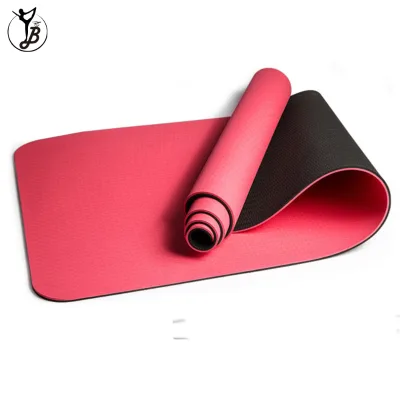

Eco Friendly Thick Anti Slip Rubber Mat Exercise Mat Supplier TPE Yoga Mats
$4.95 - $5.05
MOQ: 200 Pieces


Eco Friendly Anti Slip Wholesale TPE Yoga Mat
$2.50 - $6.00
MOQ: 1000 Pieces
Jiangsu Miaohong Environmental Protection New Material Co., Ltd.
Comprehensive Sourcing Guide
Eco-Friendly Non-Slip TPE Yoga Mat Sourcing Guide
Sourcing an eco-friendly non-slip TPE yoga mat requires a clear understanding of the material's inherent properties and how they translate into performance for end-users. The supplied product data confirms that TPE is a distinct material option available alongside EVA and PU, offering a specific balance of flexibility and durability. Buyers must recognize that while TPE is often marketed for its eco-friendly profile, the actual environmental claims depend on the specific manufacturing process and the supplier's ability to substantiate these assertions with verifiable data. The observed product listings indicate that TPE mats are frequently paired with features like anti-slip surfaces and washability, which are critical for maintaining hygiene and safety during repeated use in home exercise or sports training environments.
When evaluating potential suppliers, it is essential to distinguish between generic TPE offerings and those that meet specific performance thresholds for thickness and density. The available data shows a range of thickness options, including 4mm, 5mm, and flexible variants, as well as specific dimensions like 183x61cm and 183x71cm. These variations directly impact the user experience, particularly for different body types and yoga styles. A buyer must verify that the selected TPE mat provides sufficient cushioning without compromising stability, ensuring the product aligns with the intended application of yoga exercise and sports training. The presence of customization options for logos and packaging suggests that many suppliers are prepared to support private label strategies, but the core material integrity must remain the primary focus of the selection process.
Product Scope and Observed Listing Signals
The current market landscape for TPE yoga mats reveals a diverse range of product configurations, from standard solid colors to customizable designs that cater to specific brand identities. The observed listings highlight that TPE mats are often distinguished by their lightweight nature and specific packing methods, such as paper wraps, boxes, or plastic shrink wraps. These packaging choices are not merely logistical details but serve as indicators of the supplier's attention to product protection and presentation. Buyers should note that while some listings specify a "Paper Wrap / Box" configuration, others utilize "Plastic Shrink" or "Carton" packing, which may influence the final cost and the perceived value of the product upon arrival.
Signal analysis of the product data indicates that the term "Eco Friendly" is frequently associated with TPE mats, yet the specific attributes supporting this claim vary by supplier. The observed features include anti-slip, durable, washable, and waterproof characteristics, which are standard expectations for high-quality yoga mats. However, the absence of a universal certification standard in the provided facts means that buyers must treat "eco-friendly" as a descriptive attribute that requires further verification. The data also shows that sample availability is common, with sample times ranging from 5 to 7 working days, allowing buyers to physically inspect the material's texture, density, and slip resistance before committing to a larger order.
Technical Specifications to Verify
Thickness and dimension consistency are the most critical technical parameters to verify when sourcing TPE yoga mats, as these directly affect user comfort and safety. The supplied facts list specific standard dimensions such as 18361cm and 18371cm, with thicknesses ranging from 4mm to 6mm or even up to 1cm in some configurations. Buyers must ensure that the supplier can consistently maintain these tolerances across the entire production run, as deviations can lead to uneven surfaces that compromise the non-slip performance. It is advisable to request physical samples that match the exact thickness and dimensions required for the target market, as the "Flexible" thickness option mentioned in the data suggests a need for careful evaluation of the mat's recovery and resilience.
Material composition and surface texture are equally vital to confirm, as the "non-slip" claim relies heavily on the specific formulation of the TPE and the surface treatment applied. The data indicates that TPE mats are often described as having anti-slip and waterproof features, but the actual coefficient of friction can vary based on the manufacturing process. Buyers should verify that the surface texture provides adequate grip even when wet, a common requirement for yoga practices involving sweat. Additionally, the "Light Weight" attribute observed in the listings is a significant selling point, but it must not come at the expense of structural integrity. Ensuring that the mat retains its shape and does not curl or warp over time is essential for long-term customer satisfaction.
Compliance and Safety Documentation
While the provided product data does not explicitly list specific certification numbers, the "Eco Friendly" designation implies a need for documentation regarding material safety and environmental impact. Buyers should request test reports that verify the absence of harmful substances such as phthalates, heavy metals, or latex, which are common concerns in yoga mat manufacturing. The "Anti-Slip" and "Durable" features mentioned in the listings suggest that the product must meet certain safety standards to prevent injuries during use. Without explicit certification data in the source facts, it is the buyer's responsibility to demand third-party testing results that confirm the material meets international safety requirements for consumer goods.
Documentation regarding the manufacturing origin and supply chain transparency is also crucial for validating the "Eco Friendly" claims. The data points to Jiangsu, China, as a primary origin for these products, but buyers should seek evidence of sustainable sourcing practices and ethical labor conditions. The "Customized" logo and "OEM" acceptance features indicate that many suppliers are willing to work with brands that have strict compliance requirements. Therefore, buyers must ensure that the supplier can provide a chain of custody for the raw materials and proof of compliance with relevant environmental regulations. This documentation serves as a safeguard against greenwashing and ensures that the product aligns with the brand's values and the expectations of environmentally conscious consumers.
Cost Drivers and Commercial Terms
The cost of sourcing TPE yoga mats is influenced by several factors, including material quality, thickness, and the extent of customization required. The observed MOQ range of 20 to 10,000 pieces suggests that suppliers offer flexibility for both small startups and large enterprises, but the unit price will likely vary significantly based on the order volume. Buyers should anticipate that higher thickness options, such as the 6mm or 1cm variants, may command a premium due to the increased material usage. Additionally, the choice of packaging, whether it is a simple paper wrap or a more elaborate carton box, will impact the overall cost and must be factored into the total landed cost calculation.
Commercial terms and payment methods are another critical aspect of the procurement process, as they affect cash flow and risk management. The supplied facts indicate that suppliers accept various payment methods, including PayPal, Western Union, TT, and Trade Assurance. Trade Assurance is particularly valuable for international buyers as it offers a layer of protection against non-delivery or quality disputes. Buyers should negotiate clear terms regarding lead times, which can vary based on the complexity of the order and the supplier's current capacity. It is also important to clarify the sample policy, as the data shows that samples are provided with a lead time of 5-7 working days, which can be a significant factor in the overall timeline of the procurement cycle.
Supplier Qualification and Quality Control
Qualifying a supplier for TPE yoga mats requires a rigorous assessment of their production capabilities and quality control systems. The data shows that suppliers offer a range of models, such as TP19-TPEM-MT 501 and YM-TPE-001, indicating a level of product diversification. Buyers should verify that the supplier has a dedicated quality control team that inspects raw materials, monitors the production process, and conducts final product checks. The "Customized" and "OEM" capabilities suggest that the supplier is experienced in handling specific brand requirements, but this also means that the buyer must establish clear quality benchmarks to ensure consistency across different production batches.
Quality control should extend beyond the final product to include the packaging and labeling processes, as these are often the first points of contact for the end consumer. The observed packing methods, including "Paper Wrap / Carry Strap" and "Carton," highlight the importance of protecting the mat during transit. Buyers should request a quality control plan that details how the supplier handles defects, returns, and replacements. The "Sample Time" of 5-7 working days provides an opportunity to test the product thoroughly before mass production begins. Establishing a strong relationship with the supplier and maintaining open communication channels is essential for addressing any quality issues that may arise during the production or shipping phases.
Long-Term Procurement Checks
Sustaining a successful procurement relationship for TPE yoga mats requires ongoing monitoring of product performance and market trends. The "Eco Friendly" and "Non-Slip" attributes are likely to remain key selling points, but consumer expectations and regulatory requirements may evolve over time. Buyers should regularly review the product specifications to ensure they remain competitive and compliant with new standards. The ability of the supplier to adapt to changes in material technology or design preferences is a critical factor in maintaining a long-term supply chain. Regular audits and feedback loops with the supplier can help identify areas for improvement and ensure that the product continues to meet the needs of the target market.
Finally, buyers must plan for scalability and supply chain resilience to mitigate risks associated with demand fluctuations. The observed MOQ range of 20 to 10,000 pieces offers flexibility, but buyers should develop a strategy for managing inventory levels and production schedules. The "Sample" availability and "Customized" options provide a foundation for testing new designs and materials, which can help the brand stay ahead of competitors. By maintaining a proactive approach to procurement and fostering a collaborative relationship with the supplier, buyers can ensure a steady supply of high-quality TPE yoga mats that meet the evolving demands of the market.
FAQs
What materials are used for these yoga mats?
The mats are manufactured using EVA, PU, and TPE materials. These options provide varying levels of durability and eco-friendliness. TPE is highlighted as an eco-friendly choice suitable for yoga and sports training. Buyers can select the material that best fits their specific exercise needs and sustainability goals.
What are the standard dimensions of the yoga mats?
Standard dimensions include 180x66 cm, 173x61 cm, and 183x61 cm. Some models offer a width of 71 cm. Thickness options range from 4mm to 6mm, with flexible choices available. These sizes accommodate adult users for home exercise and professional yoga practice.
Can I customize the logo and packaging?
Yes, customization is available for both logos and packaging. Buyers can request customized logos on the mats. Packaging options include paper wrap with a carry strap, boxes, or plastic shrink. OEM services are accepted to meet specific branding requirements.
What is the minimum order quantity for these mats?
The minimum order quantity is 100 pieces. However, observed MOQ ranges extend up to 10,000 pieces depending on the supplier. This flexibility allows buyers to start with smaller test orders or scale up for larger distribution needs.
Are samples available for quality verification?
Samples are provided for quality verification before bulk orders. The sample preparation time is typically 5 to 7 working days. This allows buyers to check features like anti-slip properties, durability, and washability before committing to a larger purchase.
What payment methods are accepted for orders?
Accepted payment methods include PayPal, Western Union, TT, and Trade Assurance. These options provide secure and flexible transaction channels for international buyers. Trade Assurance offers additional protection for order security and quality assurance during the sourcing process.