Source Eco Friendly Nylon Fusible Interlining for garments bags home
Find 30 verified listings for Eco Friendly Nylon Fusible Interlining suitable for garments, bags, and home textile applications. Buyers can compare specifications like width, weight, and adhesive type from suppliers in Guangdong and Jiangsu.
Key considerations
Products List
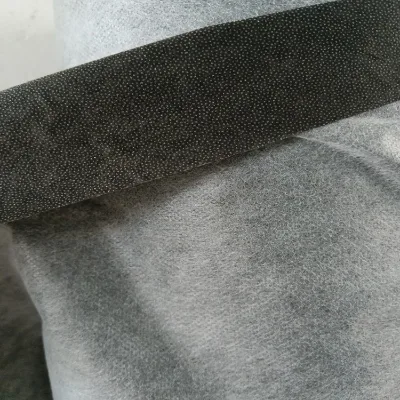
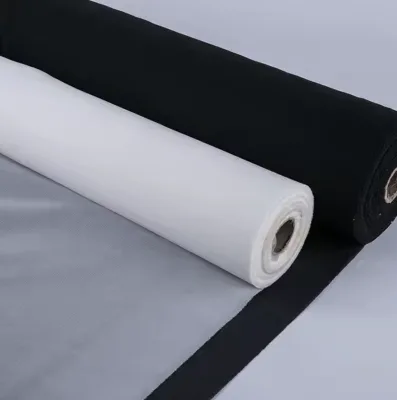


$0.60 - $1.00
MOQ: 1000 Yards


Nonwoven Fusible Interlining for Uniform
$0.05 - $0.10
MOQ: 5000 Meters
Zhejiang Changxing Changrui Interlining Manufacture Co., Ltd.


100d Interlinings Linings Interlining Fabric Interfacing Fabric Fusible Interlining
$0.30 - $0.35
MOQ: 10000 Meters



Comprehensive Sourcing Guide
Strategic Sourcing Guide for Eco-Friendly Nylon Fusible Interlining
The global textile supply chain is increasingly prioritizing sustainability, with "eco-friendly nylon fusible interlining" emerging as a critical component for manufacturers seeking to balance performance with environmental responsibility. For procurement professionals, navigating this specific niche requires a disciplined approach that distinguishes between verified product attributes and marketing generalizations. The following guide outlines the essential technical, operational, and compliance factors necessary for sourcing this material effectively, grounded in observed market data and industry standards.
Technical Specifications and Material Composition
Understanding the precise composition of fusible interlining is the first step in ensuring the material meets both functional and sustainability goals. The core keyword suggests a focus on nylon (PA) as the primary polymer, yet market observations reveal a complex landscape where materials vary significantly between 100% Polyester and 100% PA. When sourcing eco-friendly variants, buyers must verify the specific polymer content, as "nylon" implies Polyamide (PA), while "polyester" implies PES.
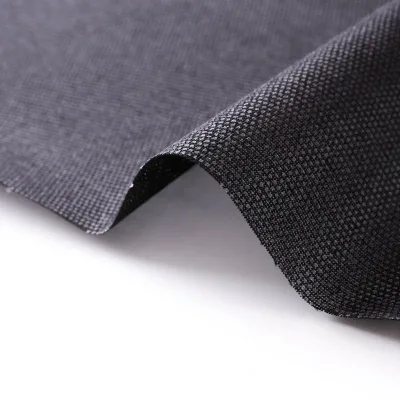
In the current market, interlinings are available in woven and nonwoven structures. Woven interlinings, often characterized by a "Soft" hand feeling and "Plain" style, provide durability and dimensional stability suitable for garment applications. Conversely, nonwoven interlinings, which may utilize chemical bonding techniques, offer different drape and weight characteristics. The weight range for these materials typically spans from 20 to 150 GSM, allowing for customization based on the specific garment weight.
Coating technology is another critical specification. The adhesive layer is often applied using PA or PES powder, which determines the fusing temperature and bond strength. Buyers should note that fusing temperatures are frequently "Customized" to match the specific fabric being interlined. Widths generally range from 44 inches to 60 inches (approximately 112cm to 152cm), with some specialized rolls available at 150cm. The fabric type may vary from standard Voile to Polyester Pongee, influencing the final aesthetic and tactile properties of the finished product.
Compliance Verification and Certification Checks
The term "eco-friendly" is often used loosely in B2B transactions. To ensure genuine compliance, buyers must move beyond marketing claims and request specific documentation. While some background data mentions certifications like GOTS (Global Organic Textile Standard) and OEKO-TEX, these should not be assumed to apply to every listed product without verification.
Procurement teams should explicitly request test reports confirming the absence of harmful substances, such as azo dyes or heavy metals, which are common concerns in textile manufacturing. The "Eco-Friendly" feature observed in some listings often correlates with specific dyeing and finishing processes, such as coating methods that reduce water usage or energy consumption. However, without a specific certification number or a valid test report from an accredited third-party laboratory, these claims remain unverified observations.
Buyers must also evaluate the "Supply Type." Many suppliers operate on a "Make-to-Order" basis, which can impact the ability to source certified materials in bulk. If a supplier claims to be "OEM Acceptable," they should be able to provide documentation for the specific batch being produced. The "Grade" of the material, often listed as "Domestic" in certain contexts, may indicate the origin of the raw materials, which is a factor in the overall carbon footprint of the supply chain.
Cost Drivers and Pricing Dynamics
The pricing of eco-friendly nylon fusible interlining is influenced by several variables, including material composition, coating technology, and order volume. Market data indicates a price range of $0 to $91.54 USD, though this wide variance suggests significant differences in quality, quantity, and specification complexity. The "Selling Units" are typically listed as "Single item," but actual transactions usually occur in bulk rolls or large quantities.
The Minimum Order Quantity (MOQ) is a primary cost driver, with observed ranges spanning from 50 to 50,000 units. Lower MOQs, such as 50 units, may be suitable for sampling or small-batch production but often carry a higher per-unit cost. Conversely, larger orders allow for economies of scale but require significant capital commitment. The "Powder" type (PA or PES) and the "Fusing Temperature" requirements also affect the final price, as specialized coatings and custom temperature settings require more complex manufacturing processes.
Additionally, the "Stock" status plays a crucial role in pricing. Products listed as "Not Stock" are typically made-to-order, which can lead to longer lead times and potentially higher costs due to the setup required for custom runs. In contrast, standard items in stock may offer more competitive pricing but limited customization options. Buyers should factor in the cost of "Poly Bag" or "Rolls" packaging, as well as any additional fees for "Free" samples, which, while reducing initial testing costs, may involve shipping charges.
Typical Applications and Performance Requirements
Fusible interlining is a versatile material used across various sectors, including garments, bags, and home textiles. The "Usage" field in product data often lists "Clothes," "Bags," and "Home," indicating the broad applicability of these materials. For garment applications, the "Hand Feeling" is a critical performance metric; a "Soft" texture is generally preferred to ensure comfort against the skin.
Specific applications dictate the required features. For instance, interlinings used in bags may require "Anti-Pull" and "Waterproof" properties to ensure durability and weather resistance. In home textiles, "Breathable" and "Eco-Friendly" features are often prioritized to meet consumer expectations for sustainable living. The "Pattern" can range from "Solid Color" to "Yarn Dyed," allowing for aesthetic customization that matches the final product design.
The "Feature" set is also application-dependent. "Fusible" and "Adhesive" are standard requirements for most interlinings, but some applications may demand "Elastic" properties to accommodate stretch fabrics. The "Technic" of the interlining, whether "Woven" or "Chemical Bonded," influences its performance in these specific scenarios. Buyers must align the technical specifications with the end-use requirements to avoid performance failures in the final product.
Supplier Evaluation and Operational Capabilities
Selecting the right supplier involves a rigorous evaluation of their operational capabilities and reliability. Key factors include the "Place of Origin," with major hubs like Guangdong, China, and Taizhou, Jiangsu Province, being common sources. These regions have established textile infrastructure, but buyers should verify the specific factory location to ensure transparency and logistical efficiency.
The "Lead Time" is a critical operational metric. While some suppliers offer a "7 days sample order lead time," bulk production lead times can vary significantly. Buyers should confirm the production timeline for custom orders, especially when "Customized" fusing temperatures or specific widths are required. The "OEM" capability of the supplier is also essential for brands looking to have their own labels or specifications applied to the interlining.
Supplier reliability can be assessed through their "Sample" policy. Many suppliers offer "Free" samples, which is a positive indicator of confidence in their product quality. However, buyers should verify the quality of these samples against the bulk production standards. The "Product Type" and "Model Number" (e.g., 3040, 3080, T3020, 1060HF) provide a basis for comparing different suppliers' offerings, ensuring that the specific technical requirements are met.
Quality Control and Long-Term Procurement Considerations
Maintaining consistent quality is paramount in long-term procurement. Buyers should implement a robust quality control (QC) process that includes testing for adhesion strength, washability, and dimensional stability. The "Standard" for the product is often listed as "depends on quantity," which underscores the need for clear contractual agreements regarding quality benchmarks.
For long-term success, buyers should establish a partnership with suppliers who demonstrate flexibility and responsiveness. The "Customization" availability is a key indicator of a supplier's ability to adapt to changing market demands. Additionally, the "Style" of the interlining, such as "Plain" or "Polyester Pongee," should be consistent across batches to maintain product integrity.
Sustainability should be a core component of the long-term strategy. Buyers should prioritize suppliers who can provide transparent data on their manufacturing processes, including energy usage and waste management. The "Eco-Friendly" claim should be backed by verifiable data, such as test reports or certifications, rather than relying solely on marketing language. By focusing on these factors, buyers can build a resilient supply chain that meets both current performance needs and future sustainability goals.
Conclusion
Sourcing eco-friendly nylon fusible interlining requires a meticulous approach that balances technical specifications, compliance verification, and operational reliability. By understanding the nuances of material composition, cost drivers, and supplier capabilities, procurement professionals can make informed decisions that align with their brand values and business objectives. The market offers a diverse range of options, from woven to nonwoven structures, with varying widths and weights. However, the key to success lies in rigorous due diligence and a commitment to transparency. As the industry continues to evolve, staying informed about the latest standards and technologies will be essential for maintaining a competitive edge in the global textile market.
FAQs
What materials are used for Eco Friendly Nylon Fusible Interlining?
Materials include 100% Polyester and 100% PA, with PA being the primary polymer for nylon variants. Buyers must verify specific polymer content as market observations reveal significant variation between these materials.
Which widths are available for woven interlining products?
Available widths range from 44 inches to 60 inches, with some specialized rolls reaching 150cm. These dimensions allow customization to match specific garment or bag production requirements effectively.
Can suppliers provide free samples for testing quality?
Yes, many suppliers offer free samples to reduce initial testing costs for buyers. However, shipping charges may apply, and buyers should verify sample quality against bulk production standards before large orders.
How long is the lead time for sample orders?
Sample order lead time is typically 7 days for many suppliers. Bulk production lead times vary significantly, so buyers should confirm timelines for custom runs requiring specific fusing temperatures or widths.
What is the minimum order quantity for interlining products?
The minimum order quantity ranges from 50 to 50,000 units depending on the supplier and product type. Lower MOQs suit sampling or small batches, while larger orders often yield better per-unit pricing.
Where are the primary manufacturing locations for these products?
Major manufacturing hubs include Guangdong, China, and Taizhou, Jiangsu Province. These regions have established textile infrastructure, but buyers should verify specific factory locations for logistical transparency.
Are eco-friendly certifications guaranteed for all listed products?
No, certifications like GOTS or OEKO-TEX are not guaranteed for every listed product without verification. Buyers must request specific test reports confirming the absence of harmful substances to ensure genuine compliance.