Source Eco-Friendly Organic Cotton Baby Carrier for Front, Back, and Wrap Use
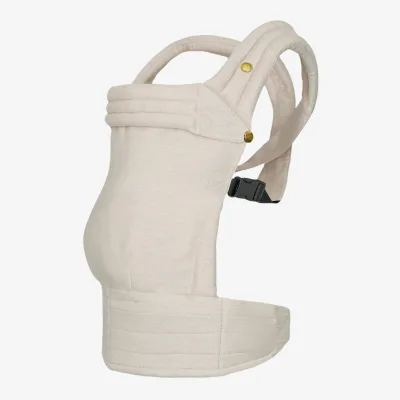
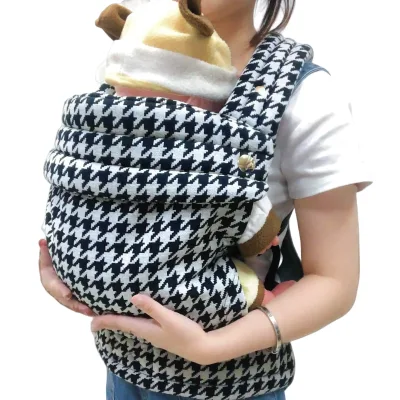
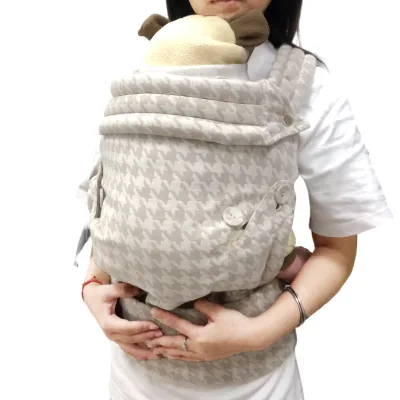
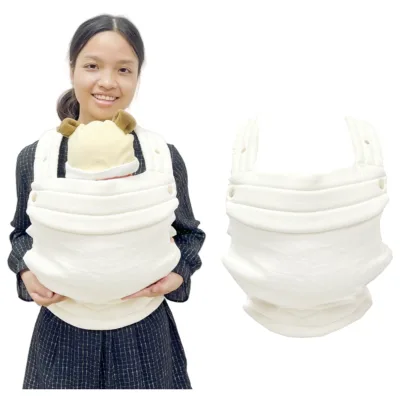
Compare 30 listings for eco-friendly organic cotton baby carrier options suitable for front carrying, back carrying, and wrap styles. Buyers can review material details, load bearing capacity, and customization features to find the right ergonomic solution for infants aged 0-3 years.
Key considerations
Products List
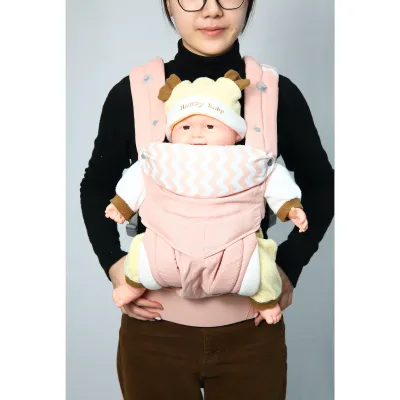
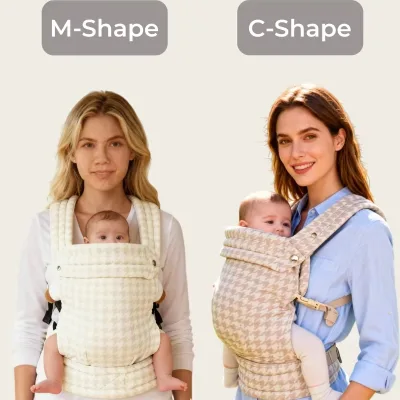


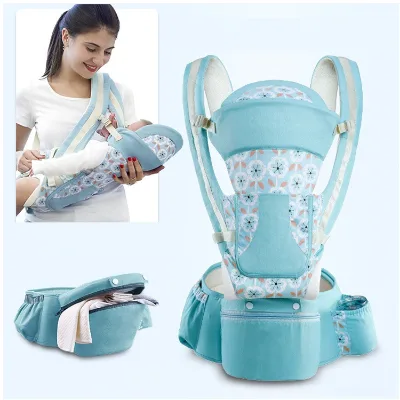
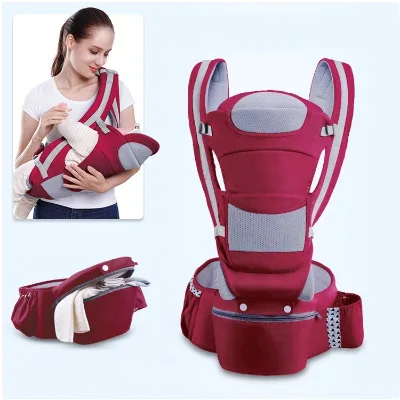


Comprehensive Sourcing Guide
Strategic Sourcing Guide for Eco-Friendly Organic Cotton Baby Carriers
The global demand for sustainable infant products has elevated the status of organic cotton baby carriers from niche items to essential procurement categories. For B2B buyers, sourcing these products requires a rigorous understanding of material composition, ergonomic design, and supply chain transparency. The core keyword "eco-friendly organic cotton baby carrier" implies a product that prioritizes natural fibers free from harmful chemicals while offering functional versatility for caregivers. This guide synthesizes observed market data and technical attributes to provide a disciplined framework for evaluating suppliers and products in this sector.
Material Composition and Fiber Verification
The foundation of any eco-friendly carrier lies in its material composition. Market observations indicate a strong preference for 100% cotton and organic cotton variants, often blended with linen to enhance breathability and texture. In the current supply landscape, specific listings highlight "Organic Cotton" as a primary material, while others specify "Cotton, Linen" or "100% Cotton" to denote purity. The distinction between standard cotton and organic cotton is critical; organic variants must be verified through third-party documentation to ensure the absence of synthetic pesticides and genetically modified organisms (GMOs).
Buyers must scrutinize the fabric weight and weave. Observed product data lists materials ranging from heavy-duty cloth frames to soft, breathable weaves suitable for direct skin contact. The "Frame Material" is consistently noted as cloth or fabric, distinguishing these carriers from structured carriers with plastic or metal frames. When evaluating suppliers, request physical swatches to verify the hand-feel and density of the cotton. The fabric should be described as "soft" and "easy to wash," attributes essential for infant hygiene. Furthermore, the "Customized" fabric option suggests that buyers can request specific weaves or finishes, provided the organic integrity of the fiber is maintained throughout the customization process.
Technical Specifications and Ergonomic Design
Technical specifications define the utility and safety of the carrier. A comprehensive review of available models reveals a consistent focus on ergonomic design suitable for various developmental stages. The "Suitable Age" ranges widely in the market, with specific listings targeting "0-6 months," "6 months - 3 years," and a broad "0-3 years old" bracket. This variation necessitates careful alignment between the product's load-bearing capacity and the intended age group.
Load-bearing capabilities are a critical safety metric. Observed data indicates load limits ranging from 10KG to 20KG. A carrier rated for 20KG is generally suitable for toddlers nearing the upper limit of the 0-3 year age range, whereas a 10KG limit may be appropriate for infants and younger toddlers. The "One Size Fits" specification is common, relying on adjustable straps and wraps to accommodate different body types. However, buyers should verify that the "One Size" claim does not compromise safety for heavier children.
Physical dimensions also play a role in logistics and usability. Single package sizes vary significantly, with observations ranging from compact dimensions of 32x24x9 cm to larger packages of 46x28x32 cm. These variations impact shipping costs and storage requirements. The single gross weight typically falls between 1.000 kg and 2.000 kg. For instance, a specific model with a gross weight of 2.0 kg suggests a more robust construction compared to a 1 kg variant. Buyers must ensure that the "Portable" and "Foldable" attributes are genuine; the product should collapse into a manageable size without losing structural integrity, facilitating travel and storage.
Compliance, Certification, and Safety Standards
While the term "eco-friendly" is ubiquitous, it lacks a universal legal definition without supporting certification. Trusted category knowledge suggests that genuine organic claims are backed by standards such as GOTS (Global Organic Textile Standard) or OEKO-TEX. Although specific certification statuses for individual listed products are not confirmed in the provided data, buyers should treat these certifications as mandatory verification points rather than optional features.
The absence of explicit certification data in general listings means that procurement teams must actively request proof of compliance. Buyers should verify that the "Eco-friendly" feature claim is substantiated by a valid certificate from an accredited body. This verification process protects against greenwashing and ensures that the "Organic Cotton" designation is accurate. Additionally, safety standards for infant products often include requirements for flame retardancy and chemical restrictions. While specific test results are not listed, the "Easy to wash" feature implies that the fabric can be cleaned effectively to maintain hygiene, a crucial aspect of infant safety.
Cost Drivers and Procurement Economics
Understanding the cost structure of organic cotton carriers is essential for budgeting and margin analysis. The observed price range in the market spans from $2.04 to $25.50 USD. This wide disparity is driven by several factors, including material quality, design complexity, and order volume. Lower-priced items may utilize standard cotton blends or simpler designs, while higher-priced units likely incorporate premium organic fibers, advanced ergonomic features, and custom branding.
Minimum Order Quantity (MOQ) is a significant variable in the total cost of ownership. Data indicates MOQs ranging from 50 pcs to 500 pcs, with 300 pcs being a frequent threshold. Suppliers with lower MOQs (e.g., 50 pcs) may charge a premium per unit due to the inefficiencies of small-batch production. Conversely, larger orders often benefit from economies of scale but require higher upfront capital. The "Selling Units" are typically listed as single items, meaning the MOQ applies to the total number of individual carriers rather than bulk bundles. Buyers must balance the need for inventory flexibility with the cost benefits of larger orders.
Supplier Evaluation and Operational Capabilities
Selecting the right supplier involves assessing their operational capabilities and geographical location. The primary origins for these products are identified as Guangdong, China, and Zhejiang, China. Both regions possess mature textile manufacturing ecosystems, but buyers should evaluate specific supplier strengths. Guangdong is often associated with a broader range of manufacturing capabilities, while Zhejiang may offer specialized textile expertise.
Supplier evaluation should also consider customization options. Many listings highlight "OEM/ODM Designs" and "Customized Logo" acceptance, indicating a willingness to adapt products to the buyer's brand identity. The "Fabric" is noted as customizable, allowing for unique colorways such as White, Black, Khaki, and Pink. Buyers should verify the supplier's capacity to handle these customizations without compromising the organic certification of the material.
Lead times and sample availability are critical for supply chain planning. Observed sample times range from 5 to 7 working days, suggesting a relatively agile production process. However, this timeline may vary based on the complexity of the customization. Buyers should confirm the lead time for bulk production separately from the sample phase to avoid delays in product launches.
Quality Control and Long-Term Procurement Strategy
Quality control (QC) is paramount when dealing with products intended for infants. The "Feature" attributes listed, such as "Portable," "soft," and "breathable," must be consistently met across all units in a production run. A robust QC plan should include checks for stitching integrity, strap strength, and fabric consistency. The "Single gross weight" variations (e.g., 1.500 kg vs. 2.000 kg) highlight the need for precise weight monitoring to ensure that every unit meets the specified design parameters.
Long-term procurement considerations involve building a sustainable relationship with suppliers who can scale with demand. The "Design" flexibility allows for future product iterations, such as seasonal updates or new color palettes. Buyers should also consider the "All-Season" attribute, ensuring that the carrier performs well in various climates. This versatility extends the product lifecycle and reduces the risk of inventory obsolescence.
To maintain quality over time, buyers should implement regular audits and request batch testing reports. The "Eco-friendly" claim requires ongoing verification to ensure that the supply chain remains compliant with organic standards. Establishing clear communication channels regarding quality expectations and defect tolerance is essential for maintaining brand reputation.
Comparative Analysis of Product Attributes
The following table summarizes key attributes observed in the market to assist buyers in comparing potential products:
| Attribute | Observation Range / Specific Values | Procurement Implication |
|---|---|---|
| Material | Organic Cotton, Cotton, Linen, 100% Cotton | Verify organic certification for "Organic" claims. |
| Age Group | 0-6 months, 6 months - 3 years, 0-3 years | Match product load capacity to target demographic. |
| Load Bearing | 10KG, 15kg, 20KG | Ensure safety margins for heavier toddlers. |
| MOQ | 50 pcs, 100 pcs, 300 pcs, 500 pcs | Balance inventory risk with unit cost efficiency. |
| Price (USD) | $2.04 - $25.50 | Correlate price with material quality and MOQ. |
| Origin | Guangdong, China; Zhejiang, China | Assess logistics and supplier specialization. |
| Packaging | 1PC/Bag, 1pcs/OPP bag | Verify packaging standards for retail readiness. |
| Features | Portable, Foldable, Easy to wash, Breathable | Confirm functionality through physical samples. |
Conclusion
Sourcing eco-friendly organic cotton baby carriers requires a methodical approach that balances material integrity, safety standards, and economic efficiency. By focusing on verified organic materials, understanding the nuances of load-bearing and age suitability, and rigorously evaluating supplier capabilities, buyers can secure high-quality products that meet both regulatory requirements and consumer expectations. The variability in MOQs, pricing, and specifications necessitates a tailored procurement strategy for each buyer's specific market position. Ultimately, the success of this sourcing initiative depends on the ability to distinguish between marketing claims and verified product attributes, ensuring that every carrier delivered meets the highest standards of safety and sustainability.
FAQs
What age groups do these carriers support?
These carriers support infants from birth up to three years old. Specific models are designed for ranges like 0-6 months or 6 months to 3 years, ensuring safe ergonomic support for various developmental stages.
How much weight can the carrier safely hold?
The load-bearing capacity ranges from 10kg to 20kg depending on the specific model. Buyers should verify the limit matches the child's weight, as 20kg units are suitable for toddlers nearing the upper age limit.
Can I customize the fabric and logo on the product?
Yes, suppliers accept customized fabric and logo requests for these carriers. This allows buyers to select specific colors like white or khaki and apply their brand identity while maintaining the organic cotton material integrity.
What is the typical minimum order quantity for these items?
The minimum order quantity varies between 50 and 500 pieces across different suppliers. Many listings specify a standard MOQ of 300 pieces, though some vendors offer lower thresholds of 50 or 100 pieces for smaller batches.
How long does it take to receive a product sample?
Sample preparation typically requires 5 to 7 working days. This timeline allows buyers to verify the soft, breathable fabric quality and ergonomic design before committing to a larger bulk order for their brand.
Which materials are used to construct these baby carriers?
Manufacturers primarily use organic cotton, 100% cotton, or blends with linen. These natural fibers ensure the product is eco-friendly, soft, and easy to wash, providing comfort for direct skin contact with infants.
Are these carriers foldable and portable for travel?
Yes, the carriers are designed to be foldable and portable for easy transport. They often come in compact packaging sizes ranging from 32x24x9 cm to 46x28x32 cm, making them convenient for storage and travel.