Source Dual Schmitt Trigger Line Drivers for Logic, Audio, and Control
Explore 30 available options for Dual Schmitt Trigger Line Drivers to compare specifications like package type, series, and origin. Buyers can evaluate models such as SN74LVC2G17DBVR and SN74HC00N to find components suitable for buffers, logic gates, and line driver applications.
Key considerations
Products List


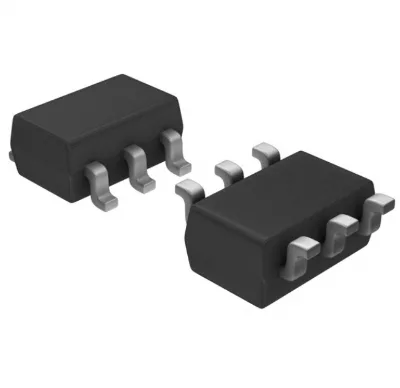
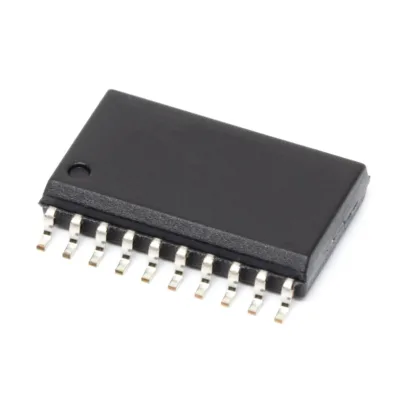
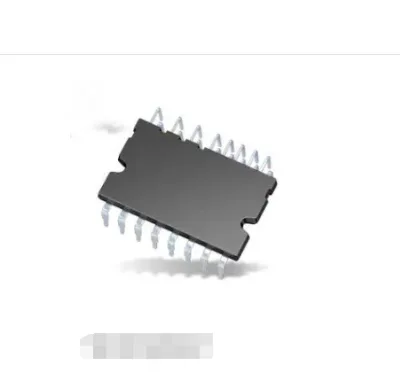
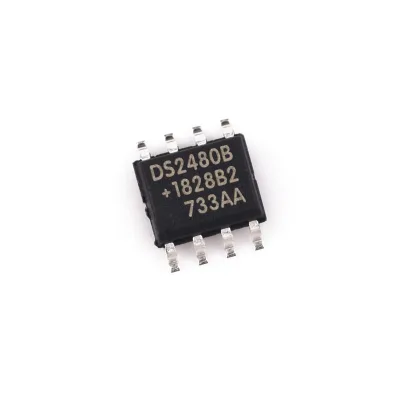


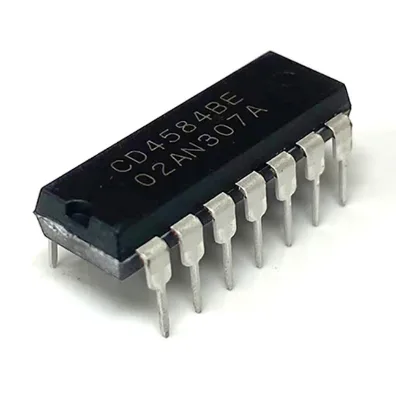


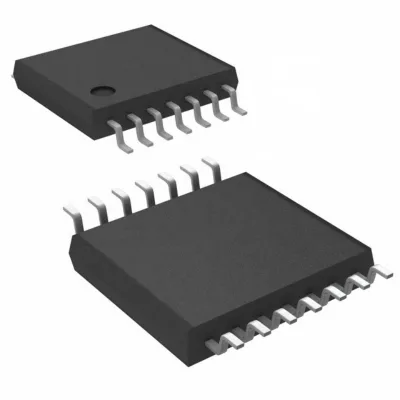
74HC14D Inverter Schmitt Trigger 6-Element CMOS IC SN74HC14DR good price
$0.10 - $200.00
MOQ: 500 Pieces




Comprehensive Sourcing Guide
Strategic Sourcing Guide for Dual Schmitt Trigger Line Drivers
Understanding Component Architecture and Technical Specifications
The procurement of Dual Schmitt Trigger Line Drivers requires a precise understanding of the underlying architecture, as these components serve as critical interfaces between logic levels and transmission lines. Based on observed market data, these devices are frequently categorized under "Buffers & Line Drivers" with specific configurations such as "Dual Schmitt-Trigger" functionality. The core technical characteristic of a Schmitt trigger is its hysteresis, which ensures clean signal transitions even in the presence of noisy input environments. This makes them indispensable for applications where signal integrity is paramount, such as in high-speed digital communication or power-sensitive systems.
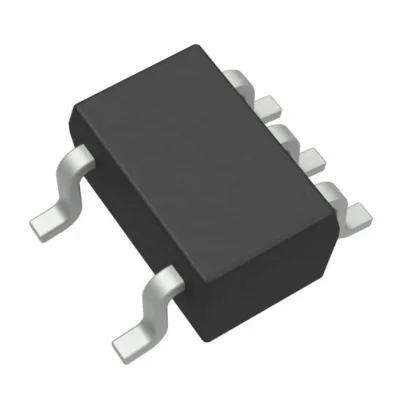
When evaluating specific models, buyers encounter variations in series and package types. For instance, the SN74LVC2G17 series represents a modern implementation of this technology, often found in SOT23-6 or similar surface-mount packages. The "Dual" designation indicates that a single package contains two independent trigger circuits, optimizing board space. Technical specifications to verify include the operating voltage range, which for certain variants like the SN74LVC2G17 spans from 2V to 6V, allowing for versatile integration across different logic families. The input type is a defining feature; the Schmitt Trigger input type is explicitly noted in product descriptions, distinguishing these drivers from standard logic gates that lack hysteresis.
Furthermore, the physical form factor is a critical selection criterion. The market offers both Through-Hole and Surface Mount options. Observed listings include DIP (Dual In-line Package) configurations for prototyping and older systems, alongside compact SMD (Surface Mount Device) options like the SOT23-6 for high-density designs. The conductive type is typically described as "Unipolar Integrated Circuit," indicating the internal transistor structure. Buyers must also consider the "Thick Film IC" technology observed in certain listings, which may influence thermal performance and reliability in high-stress environments. The number of I/O pins varies by series, with some octal drivers offering up to 15 I/Os, though the dual trigger variants focus on compact, two-channel solutions.
Compliance, Certification, and Regulatory Standards
Navigating the regulatory landscape is essential for global procurement, particularly when sourcing electronic components for commercial and industrial applications. A primary compliance standard observed in the current market is RoHS (Restriction of Hazardous Substances) compliance. Products listed as "RoHS Compliant" indicate that they adhere to international restrictions on specific hazardous materials, a requirement for selling into many major markets including the European Union. Buyers should verify that the "Lead Free Status" is explicitly stated as compliant, as this is a non-negotiable baseline for most modern electronics supply chains.
Beyond material restrictions, the origin of the product plays a significant role in compliance verification. Data indicates that a substantial portion of these components originates from China (CHN), while others are sourced from the United States, specifically regions like Connecticut. The "Place of Origin" field is a critical data point for customs declarations and trade compliance. While the "prod_standard" field may list "CHN" or "DIP/SMD," these often refer to manufacturing standards or package types rather than national regulatory bodies. Buyers must ensure that the "Brand Name" corresponds to a reputable manufacturer, such as TI (Texas Instruments), to guarantee that the component meets the original equipment manufacturer's (OEM) quality and safety standards.
It is also important to distinguish between the product's standard classification and its specific manufacturing origin. Some listings specify "Plastic and copper" as the standard material composition, which relates to the internal die and lead frame construction. However, buyers should not assume that all listed products meet every standard without verification. The "Lead Free Status" and "RoHS Compliant" attributes must be confirmed on a per-shipment basis, as manufacturing batches can vary. Additionally, the "Condition" of the product, typically listed as "Brand New and Original," is a crucial compliance indicator, ensuring that the components have not been refurbished or counterfeited, which could void regulatory certifications.
Cost Drivers and Pricing Dynamics
The pricing of Dual Schmitt Trigger Line Drivers is influenced by a complex interplay of factors, including packaging, volume, and supply chain logistics. The observed price range in the market spans from $0.01 to $200 USD, a wide variance that reflects differences in quantity, packaging type, and specific model complexity. The lower end of this spectrum typically corresponds to high-volume orders of standard SMD packages, while the higher end may reflect single-unit purchases, specialized packaging, or legacy DIP components.
Volume is a primary cost driver, with the Minimum Order Quantity (MOQ) ranging from 1 to 500 units. Buyers purchasing small quantities for prototyping or low-volume production will face a higher unit cost, whereas bulk procurement can significantly reduce the price per unit. The "Selling Units" field often indicates "Single item" for low-volume transactions, but bulk pricing tiers are generally available for larger orders. The "Packaging Type" also affects cost; components supplied in "Reel" format for automated assembly lines may have different pricing structures compared to those in "Tube" or "Standard" packaging.
Logistics and shipping methods introduce additional cost variables. The "Shipping by" options include major carriers such as DHL, UPS, FedEx, EMS, and HK Post. The choice of carrier and shipping speed directly impacts the total landed cost. For instance, expedited shipping via DHL or FedEx will incur higher fees compared to standard postal services. Furthermore, the "Single gross weight" of the package, observed at 0.500 kg for certain items, influences freight charges, especially for international shipments. Buyers should also consider the "Single package size," which can range from 5x5x5 cm to 10x5x5 cm, affecting dimensional weight calculations.
Typical Applications and Performance Requirements
Dual Schmitt Trigger Line Drivers are engineered for specific applications where signal conditioning and noise immunity are critical. The primary function of these components is to act as buffers and line drivers, ensuring that signals are transmitted reliably over long distances or through noisy environments. The "Application" field explicitly categorizes these devices under "Buffers & Line Drivers," highlighting their role in driving signals to subsequent stages of a circuit without degradation.
One of the most common applications is in digital logic systems where clean transitions are required. The "Description" often notes "Logic Gates Quad 2-Input" or similar configurations, indicating their use in complex logic circuits. The Schmitt trigger input type is particularly valuable in applications involving slow-rising signals or signals with significant noise, as the hysteresis prevents multiple switching events caused by signal oscillation near the threshold voltage. This makes them ideal for use in power supply monitoring, sensor interfaces, and communication lines where signal integrity is compromised.
The operating voltage range is another key factor in application selection. The SN74LVC2G17 series, for example, supports a voltage range of 2V to 6V, making it suitable for both low-voltage battery-operated devices and higher-voltage industrial systems. The "Series" designation, such as 74HC00 or SN74LVC2G17, helps buyers identify the specific logic family and compatibility with existing system architectures. The "Input Type" being a Schmitt Trigger is a defining feature for these applications, ensuring that the driver can handle imperfect input signals and produce clean, sharp output transitions.
Supplier Evaluation and Integration Capabilities
Selecting the right supplier is a critical step in the procurement process, requiring a thorough evaluation of their capabilities, reliability, and integration support. The "Integration" attribute, observed as "GSI" (Global Supply Integration), suggests that suppliers should be capable of managing complex supply chains and integrating with global logistics networks. Buyers should verify that the supplier can provide consistent quality and timely delivery, especially for critical components like Dual Schmitt Trigger Line Drivers.
The "Customization" attribute, listed as "Available," indicates that some suppliers may offer tailored solutions, such as specific packaging or labeling requirements. This flexibility can be valuable for buyers with unique project needs. However, buyers must ensure that any customization does not compromise the component's performance or compliance status. The "Brand Name" is another key factor; reputable brands like TI are often preferred for their proven track record in quality and reliability.
Supplier evaluation should also include an assessment of their "Condition" guarantees. Products listed as "Brand New and Original" are preferred to avoid the risks associated with refurbished or counterfeit components. Buyers should request documentation to verify the authenticity of the components, including test reports and traceability records. The "Place of Origin" is also a consideration; while components from China and the USA are both available, buyers should ensure that the origin aligns with their company's sourcing policies and risk tolerance.
Quality Control and Long-Term Procurement Considerations
Ensuring the quality of Dual Schmitt Trigger Line Drivers is paramount for the long-term reliability of electronic systems. Quality control measures should include rigorous testing of the "Single package size," "Single gross weight," and "Connector Type" to ensure they match the datasheet specifications. The "Connector Type" is often listed as "-as datasheet," meaning buyers must cross-reference the physical dimensions and pinout with the manufacturer's official documentation.
Long-term procurement considerations involve assessing the "Manufacturing Date Code" to ensure the components are current and not obsolete. Listings show date codes such as "25+" and "21+", indicating the production year. Buyers should prioritize components with recent date codes to avoid issues related to aging or discontinued parts. The "RAM Size" and "EEPROM Size" fields, often listed as "standard" or "Not Applicable," help buyers confirm that the component meets the specific memory and processing requirements of their application.
Sustainability and supply chain resilience are also important factors. The "prod_standard" and "prod_packing" fields provide insights into the environmental impact and logistical handling of the components. Buyers should evaluate the "prod_packing" type, such as "Tube" or "Standard," to ensure it aligns with their assembly line capabilities. Additionally, the "Co-processor" and "Core Processor" fields, listed as "standard" or "-as datasheet," indicate the component's compatibility with broader system architectures.
Comparison of Key Component Attributes
To facilitate informed decision-making, the following table summarizes the key attributes observed in the market for Dual Schmitt Trigger Line Drivers. This comparison highlights the variations in series, packaging, and specifications that buyers should consider during the sourcing process.
| Attribute | Observed Value/Range | Significance for Procurement |
|---|---|---|
| Series | SN74LVC2G17, 74HC00, MC74AC541 | Determines voltage range and logic family compatibility. |
| Package / Case | SOT23-6, DIP, Surface Mount | Affects board space, assembly method, and thermal performance. |
| Input Type | Schmitt Trigger | Essential for noise immunity and signal integrity. |
| Lead Free Status | RoHS Compliant | Mandatory for regulatory compliance in most markets. |
| Condition | Brand New and Original | Ensures authenticity and prevents counterfeit risks. |
| Packaging Type | Reel, Tube, Standard | Impacts cost, handling, and assembly line integration. |
| Place of Origin | China, USA (Connecticut) | Influences shipping costs, lead times, and trade compliance. |
| Application | Buffers & Line Drivers | Defines the primary use case and performance requirements. |
By carefully analyzing these attributes and adhering to the compliance and quality standards outlined in this guide, buyers can effectively source Dual Schmitt Trigger Line Drivers that meet their technical and operational needs. The wide range of options available in the market allows for flexibility in design and production, provided that thorough verification and supplier evaluation are conducted.
FAQs
What packaging types are available for Dual Schmitt Trigger Line Drivers?
Available packaging includes tubes, reels, and standard formats depending on the specific model. Some listings show tube packing for DIP variants while others use reels for surface mount devices like SOT23-6 packages.
Which certifications do these components typically hold?
Most listed products are RoHS compliant and lead-free status is explicitly confirmed. Buyers should verify this compliance per shipment as manufacturing batches may vary even if the brand is reputable.
Can I find Dual Schmitt Trigger Line Drivers with customization options?
Customization is available for certain suppliers offering tailored solutions like specific packaging or labeling. However, any customization must not compromise the component's performance or existing regulatory certifications.
How does the minimum order quantity affect pricing for these drivers?
The minimum order quantity ranges from one to five hundred units, directly influencing the unit cost. Lower prices are typically found with high-volume orders while single-item purchases cost more per unit.
Which shipping methods are supported for these electronic components?
Supported shipping methods include DHL, UPS, FedEx, EMS, and HK Post for global delivery. The choice of carrier impacts the total landed cost and delivery speed for the purchased items.
What is the typical condition of the Dual Schmitt Trigger Line Drivers?
Products are generally listed as brand new and original to ensure authenticity and quality. This condition is crucial to avoid risks associated with refurbished or counterfeit components that could void certifications.
Which series models are commonly listed for dual schmitt trigger drivers?
Common series include SN74LVC2G17 and SN74HC00N with specific model numbers like SN74LVC2G17DBVR. These models define the logic family and compatibility with existing system architectures for various applications.