Source Eco-Friendly Plastic Laundry Cleaning Brush for homes, hotels, and laundromats
Explore 30 listings for the Eco-Friendly Plastic Laundry Cleaning Brush, comparing options from manufacturers in Fujian and Henan. Buyers can evaluate features like nylon bristles, PP and PET materials, and customizable packaging to find suitable household cleaning tools.
Key considerations
Products List
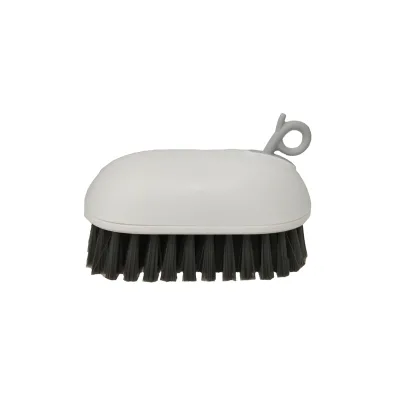


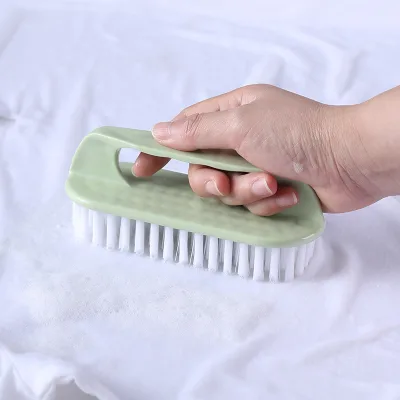
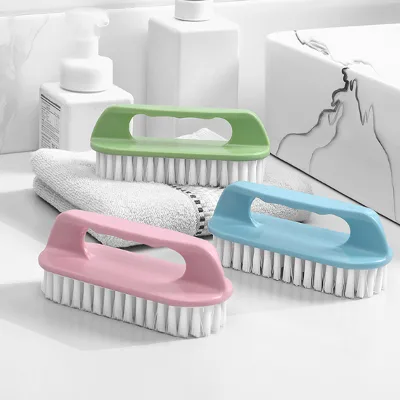
Square Laundry Brush with Durable Plastic Bristles for Efficient Cleaning
$0.18 - $0.26
MOQ: 2400 Pieces


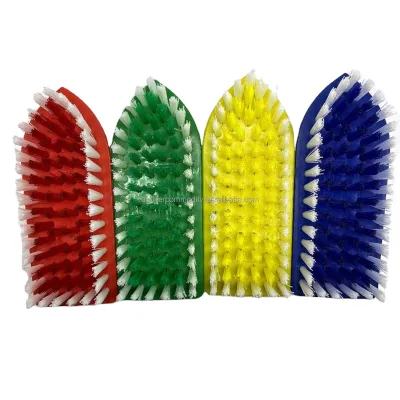
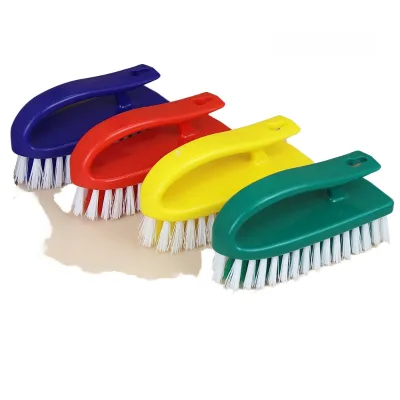

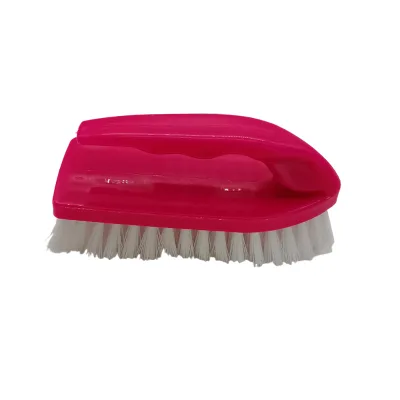
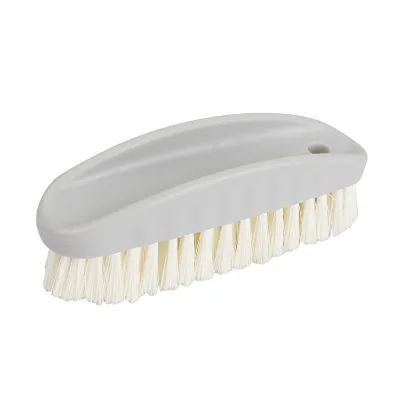
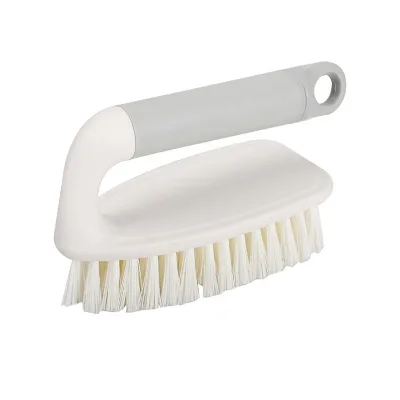
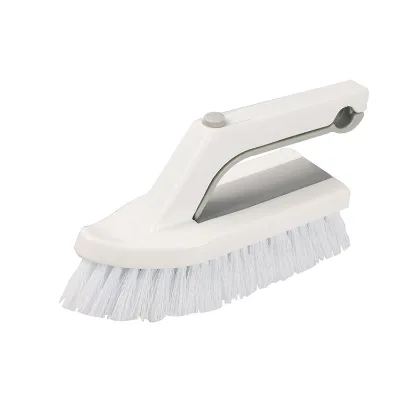
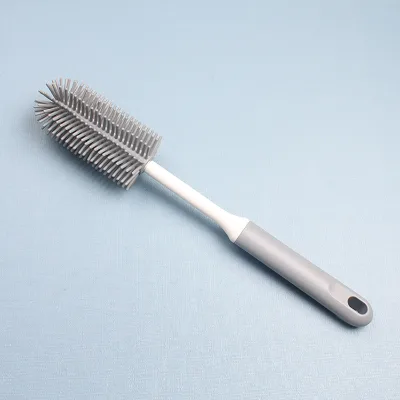






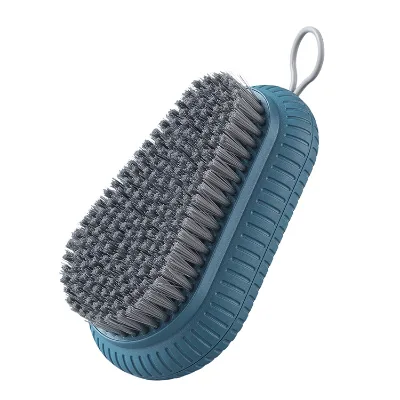


Comprehensive Sourcing Guide
Strategic Sourcing Guide for Eco-Friendly Plastic Laundry Cleaning Brushes
Understanding Product Specifications and Material Composition
When sourcing eco-friendly plastic laundry cleaning brushes, buyers must first dissect the technical specifications that define the product's physical and functional integrity. The core of this product category lies in the interaction between the handle, the bristles, and the overall structural design. Based on available market data, the primary materials identified for these units include Polypropylene (PP) and Polyethylene Terephthalate (PET) for the body and handle components. These materials are selected for their durability and resistance to moisture, which is critical for a tool used in wet laundry environments. The bristles are frequently specified as Nylon or PET, offering a balance between stiffness for scrubbing and flexibility to avoid damaging delicate fabrics.
The physical dimensions of the brush are equally vital for both ergonomic handling and logistical efficiency. Observed single package sizes vary significantly depending on the specific model and intended packaging strategy. Common dimensions for individual units range from compact 12x6x5.5 cm configurations to larger 16x6x5.5 cm variants. For bulk shipping, carton specifications are a major consideration. Buyers should anticipate carton sizes that can accommodate high-density packing, with observed data showing cartons ranging from 54x36x42 cm to 58x40.5x35 cm. The weight of a single unit is typically light, often around 0.0425 kg to 0.300 kg, yet the gross weight of a full carton can be substantial, reaching figures such as 13.5 kg or 18.8 kg depending on the packing density.
| Attribute | Observed Range / Specific Value | Sourcing Implication |
|---|---|---|
| Handle Material | Plastic, PP, PET | Ensures water resistance and structural rigidity. |
| Bristle Material | Nylon, PET | Determines scrubbing intensity and fabric safety. |
| Single Size | 12x6x5.5 cm to 16x6x5.5 cm | Affects retail packaging and shelf fit. |
| Carton Size | 54x36x42 cm to 58x40.5x35 cm | Critical for calculating shipping volume (CBM). |
| Single Weight | 0.0425 kg to 0.300 kg | Influences unit cost and freight classification. |
| Carton Weight | 13.5 kg to 18.8 kg | Impacts palletization and handling requirements. |
Buyers must verify that the "eco-friendly" claim aligns with the specific material grades used. While PP and PET are recyclable, the specific formulation and the presence of any additives must be confirmed to ensure the product meets the intended sustainability standards. The design style is predominantly "Hand" held, indicating a manual tool rather than an automated device, which simplifies the mechanical complexity but places a higher premium on ergonomic design.
Compliance, Certification, and Environmental Claims
The term "eco-friendly" is a powerful marketing descriptor, but in a B2B context, it requires rigorous verification to avoid greenwashing. Buyers should not assume that a product labeled as eco-friendly automatically possesses specific certifications without documentation. While some background information may reference standards like FSC (Forest Stewardship Council), this certification is typically associated with wood and paper products rather than plastic brushes. Therefore, relying on FSC for a plastic laundry brush is likely a mismatch; buyers must instead seek documentation regarding the recyclability of the PP and PET materials used.
Compliance checks should focus on the safety of the materials in contact with laundry and skin. The bristles, often made of Nylon or PET, must be free from harmful chemicals that could leach into wash water or cause skin irritation. Buyers should request Material Safety Data Sheets (MSDS) or specific chemical compliance reports from the supplier. Furthermore, the "Acceptable" or "Available" status of customization often extends to eco-certifications. If a buyer requires a specific environmental standard, such as a specific plastic recycling code or a biodegradability test, this must be explicitly stated in the inquiry. The supplier's ability to provide "Acceptable" OEM/ODM services suggests they can modify the product to meet specific regulatory or environmental mandates, but this is a service capability, not a default product attribute.
Verification of origin is also part of the compliance landscape. Products are observed to originate from regions such as Fujian and Henan in China. While these are major manufacturing hubs, the specific environmental regulations and waste management practices of the factory must be assessed. Buyers should inquire about the factory's environmental management systems, such as ISO 14001, rather than relying on generic "eco-friendly" labels. The "Feature" attribute of "Eco-Friendly" is listed as an observation, meaning it is a claimed characteristic that requires validation through third-party testing or supplier declarations of conformity.
Cost Drivers and Pricing Structures
The pricing of eco-friendly plastic laundry cleaning brushes is influenced by a complex interplay of material costs, customization levels, and order volume. The observed price range in the market is extremely broad, spanning from $0.11 to $10,000. This wide disparity is not indicative of unit price variation for a single brush but rather reflects the difference between a single unit cost and the total value of a large container order. A single item selling unit price is likely at the lower end of this spectrum, while the upper end represents the total invoice value for a full shipment.
Minimum Order Quantity (MOQ) is a primary driver of unit cost. Data indicates MOQs ranging from 1 to 9,600 units, with specific instances of 3,000 sets and 4,000 pieces. Higher MOQs generally correlate with lower per-unit costs due to economies of scale in production and packaging. For buyers seeking eco-friendly materials, the cost premium may be higher if the supplier uses recycled plastics or specialized bristle formulations. The "Customize" and "Customized" attributes suggest that adding a logo or altering the color (observed as White or Multicolor) incurs additional setup costs. These tooling or mold fees are often amortized over the order quantity, making them less significant for large orders but critical for small ones.
Packaging costs also play a role. The "Packing" attribute is listed as "CUSTOMIZE," and specific packing standards like 200 pcs/ctn or 480 pcs/ctn are observed. Custom packaging, such as branded boxes or specific eco-friendly cartons, will increase the overall cost. Additionally, the "Delivery Time" of 7-20 days suggests that lead time flexibility can impact pricing; expedited shipping or rush orders may carry a premium. Buyers should structure their procurement strategy to balance the MOQ requirements with their storage capacity and cash flow, ensuring that the unit price reflects the true total landed cost, including freight and duties.
Typical Applications and Usage Scenarios
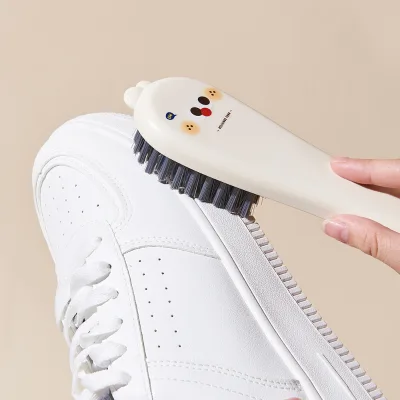
The primary application for these brushes is household cleaning, specifically targeting laundry and shoe maintenance. The product name explicitly mentions "laundry shoe cleaning brush," indicating a dual-purpose utility. The "Hand" style and the material composition (PP/PET handle, Nylon/PET bristles) are optimized for scrubbing stains from fabrics and removing dirt from footwear. The "Keyword" of "cleaning brush scourer" further reinforces the abrasive nature of the tool, designed to tackle stubborn grime without being overly aggressive on the material being cleaned.
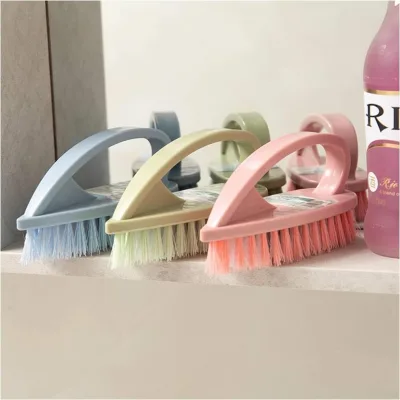
In a commercial or B2B context, these brushes are often used in laundromats, hotels, and hospitality sectors where durable, easy-to-clean tools are essential. The "Eco-Friendly" feature makes them particularly suitable for establishments with sustainability goals, such as green hotels or eco-conscious retail brands. The versatility of the brush allows it to be used on various surfaces, from cotton and synthetic blends to canvas shoes and rubber soles. The "Multicolor" option allows for color-coding in large facilities, where different brushes might be designated for different areas (e.g., white for linens, colored for shoes) to prevent cross-contamination.
The single package size of roughly 12-16 cm makes the brush portable and easy to store in small utility closets or laundry baskets. The weight of the single unit, being under 0.3 kg, ensures that it is lightweight enough for extended use without causing user fatigue. However, the bulk packaging, with cartons weighing up to 18.8 kg, requires proper handling equipment in warehouse settings. The "Selling Units" as a "Single item" suggests that while the product is sold individually to consumers, the procurement process for businesses involves bulk cartons. Understanding these application nuances helps buyers select the right specifications, such as bristle stiffness and handle length, to match their specific cleaning requirements.
Supplier Evaluation and Customization Capabilities
Evaluating suppliers for this product category requires a focus on their flexibility and manufacturing capabilities. The data indicates that OEM/ODM services are "Acceptable," and customization is "Available." This means suppliers are willing to adapt the product to the buyer's brand identity, which is crucial for private label opportunities. The "Logo" attribute being "Acceptable" confirms that branding is a standard service, but buyers must clarify the method of logo application (e.g., molding, printing, or labeling) and the associated costs.
The "Place of Origin" is listed as Fujian and Henan, China. These regions have established supply chains for plastic molding and brush manufacturing. Buyers should verify the specific factory's capacity and history in producing eco-friendly products. The "Payment" term of "TT" (Telegraphic Transfer) is standard, but buyers should negotiate terms that protect their interests, such as partial payments upon shipment or inspection. The "Delivery Time" of 7-20 days is relatively short, suggesting efficient production lines, but this can vary based on order volume and customization complexity.
When evaluating suppliers, buyers should look for evidence of consistent quality control. The "Standard" attribute mentions specific packing densities like 420 pcs/ctn or 200 pcs/ctn, which implies a level of standardization in the production process. However, buyers must ensure that these standards are maintained across all batches. The "Model Number" variations, such as Jy1025 and Jy1030, indicate that suppliers have a range of SKUs. A supplier with a diverse model range is often better equipped to handle custom requests, as they have the tooling and design flexibility to modify existing products. Buyers should request samples of different models to assess the quality of the plastic molding and the durability of the bristles before committing to a large order.
Quality Control and Long-Term Procurement Strategy
Ensuring consistent quality is paramount for long-term procurement success. The "Single Gross Weight" and "Carton Size" data provide benchmarks for quality control checks. Buyers should implement incoming quality control (IQC) protocols to verify that the received goods match the agreed-upon specifications regarding dimensions, weight, and material composition. Discrepancies in the "Single Package Size" or "Carton Size" can lead to logistical issues, such as underutilized container space or damaged goods during transit.
For long-term procurement, building a relationship with a supplier who offers "Customize" and "OEM/ODM" services is beneficial. This allows for continuous improvement of the product based on user feedback. If the initial "Eco-Friendly" claim needs refinement, a flexible supplier can work with the buyer to adjust the material composition or packaging. The "Packing" attribute being customizable allows for the development of sustainable packaging solutions, such as reduced plastic use or recycled cardboard, which can further enhance the product's market appeal.
Buyers should also consider the "Lead Time" and "Delivery Time" in their supply chain planning. A 7-20 day window is manageable, but it requires accurate forecasting to avoid stockouts. Establishing a recurring order schedule can help stabilize production and potentially secure better pricing. Finally, buyers must remain vigilant regarding the "Feature" of "Eco-Friendly." As regulations evolve, the definition of eco-friendly may change. A proactive supplier will keep buyers informed about new materials or standards, ensuring that the product remains compliant and competitive in the market. By focusing on these quality and strategic aspects, buyers can secure a reliable supply of high-quality, eco-friendly laundry cleaning brushes that meet both functional and environmental goals.
FAQs
What materials are used for the handle and bristles?
The handle is made of plastic, specifically PP and PET, while the bristles are Nylon or PET. These materials ensure water resistance and durability for household cleaning tasks involving laundry and shoes.
Can I customize the logo and packaging for this brush?
Yes, logo acceptance and packaging customization are available for this product. Buyers can request specific packing densities like 200 or 480 pieces per carton to suit their distribution needs.
What is the minimum order quantity for these cleaning brushes?
The minimum order quantity varies, with observed values of 3000 sets and 4000 pieces. Buyers should verify the specific MOQ with the manufacturer as it depends on the model and customization level.
How long is the delivery time for an order?
The standard delivery time ranges from 7 to 20 days for these cleaning brushes. This lead time applies to standard orders, though complex customizations may require additional processing time.
Where are these eco-friendly brushes manufactured?
These brushes originate from manufacturing hubs in Fujian and Henan, China. The specific factory location depends on the supplier, but both regions are known for plastic molding and brush production.
What are the single package dimensions for the brush?
Single package sizes vary, commonly observed as 12x6x5.5 cm or 16x6x5.5 cm. Larger bulk packaging options include carton sizes up to 58x40.5x35 cm for efficient shipping.