Source eco-friendly quick dry terry jumpsuit for factory, lab, and workshop
Source an eco-friendly quick dry terry jumpsuit from 30 verified suppliers offering customizable options. Buyers can compare features like breathability, anti-static properties, and fabric materials to find the right protective wear for industrial and cleanroom environments.
Key considerations
Products List
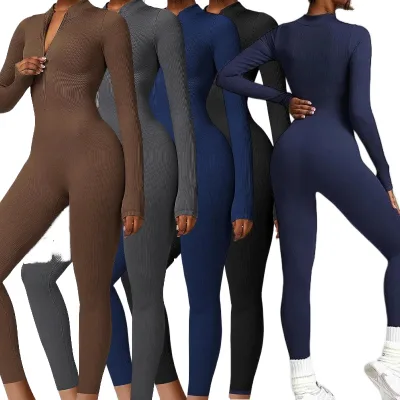

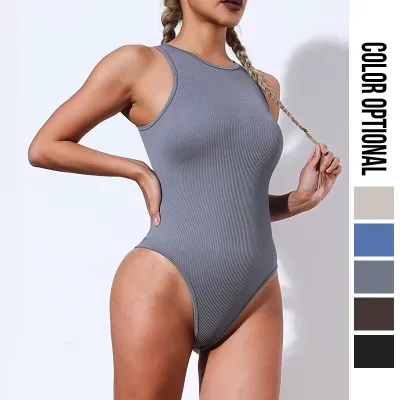
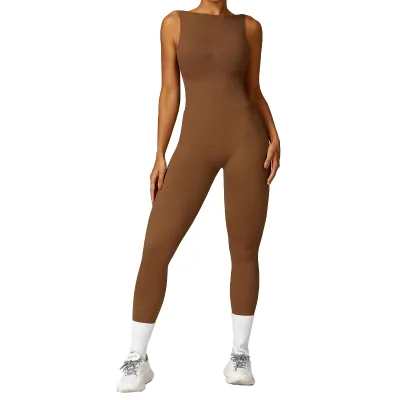

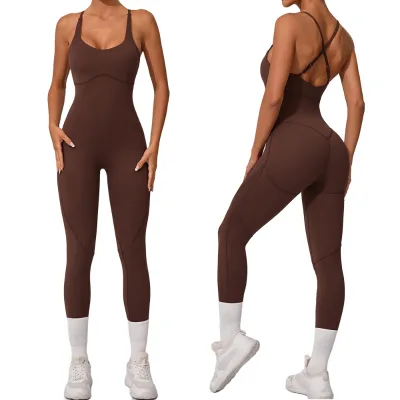
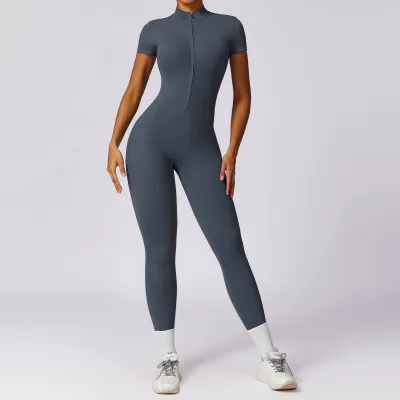


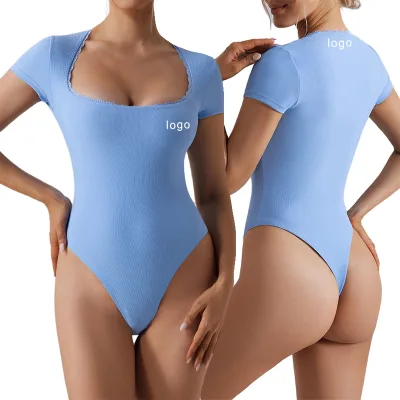


Tight One-Piece Yoga Suit, High-Elastic Fitness Sports Bodysuit Jumpsuit
$10.95 - $15.69
MOQ: 100 Pieces


Comprehensive Sourcing Guide
Strategic Sourcing Guide for Eco-Friendly Quick Dry Terry Jumpsuits
Understanding the Product Category and Material Composition
When sourcing eco-friendly quick dry terry jumpsuits, buyers must first navigate the complex landscape of material definitions and construction standards. The term "terry" typically refers to a looped pile fabric known for high absorbency, which presents a unique challenge when paired with "quick dry" performance claims. In the current supply market, products labeled with these attributes often utilize specific synthetic blends rather than traditional 100% cotton terry. Analysis of available product data indicates that successful iterations of this category frequently rely on materials such as Spandex/Nylon or Polyester blends. These synthetic compositions are essential for achieving the rapid moisture-wicking and drying capabilities required for active wear, while the "terry" texture may be achieved through specific weaving techniques or surface treatments on the synthetic base.
The material composition is a primary driver of the product's performance profile. Buyers should verify that the fabric blend explicitly supports the "quick dry" and "breathable" features often cited in product specifications. For instance, observed listings highlight materials like Spandex/Nylon and Polyester, which offer the necessary elasticity and moisture management. The "eco-friendly" aspect of the core keyword requires careful scrutiny, as it often correlates with specific production methods or recycled content claims. While some suppliers may reference certifications like OEKO-TEX or GOTS, these should be treated as verification points rather than automatic inclusions. The actual product data suggests a focus on functional attributes such as "breathable," "lightweight," and "quick dry," alongside features like "anti-static" and "water-resistant" in various configurations.
Technical Specifications and Performance Parameters
Defining the technical specifications is critical for ensuring the jumpsuit meets the intended application requirements. The product data reveals a diverse range of specifications, including model numbers such as ZR-808, FYTP5878, and FYJS4007, which indicate that customization is a standard expectation in this sector. Length specifications vary, with some products listed as "Full Length" while others are categorized as "Others," suggesting that buyers must clearly define their desired cut. Sleeve length is another variable, with "Sleeveless" options appearing in the data, though full-sleeve variations are common in jumpsuit designs.
The construction techniques also play a vital role in the final product quality. "Automated cutting" is a noted technical attribute, which generally implies higher precision and consistency in pattern matching compared to manual cutting methods. This is particularly important for jumpsuits, which require complex seam alignments to ensure comfort and durability. The "Ribbed" style is observed in specific listings, indicating a textured finish that can enhance fit and aesthetic appeal. Additionally, the "Overall" style and "Sets" configurations suggest that the jumpsuit may be part of a larger uniform or activewear collection.
Performance features listed in the market data are extensive and include "Anti-Bacterial," "Anti-Uv," "Waterproof," and "Four-Way Stretch." These attributes are crucial for buyers targeting specific industries such as healthcare, sports, or industrial work. The presence of "SMART FABRIC" and "ACTIVE STRETCH" in the feature list points to advanced textile technologies that may be integrated into the jumpsuit design. Buyers should request detailed fabric test reports to confirm that these claims are substantiated by independent testing, as the "eco-friendly" label does not automatically guarantee these high-performance characteristics.
Compliance, Certification, and Safety Standards
Navigating compliance and certification requirements is a pivotal step in the sourcing process, particularly when the keyword includes "eco-friendly." While the provided data mentions "Needle detection: Yes" as a standard safety feature, this is a baseline requirement for many textile products and does not inherently validate environmental claims. Buyers must distinguish between general safety standards and specific environmental certifications. The background information references OEKO-TEX and GOTS, but these should not be assumed to be present unless explicitly verified by the supplier.
The "Clean Class" specification, noted as "Class 10-10000" in some product data, is relevant for buyers sourcing jumpsuits for cleanroom environments or industries with strict hygiene protocols. This specification relates to the dust particle count in the manufacturing environment, which can impact the final product's suitability for sensitive applications. Similarly, the "Resistance" attribute, listed as "10 6-8 Ohm," indicates anti-static properties that are essential for electronics manufacturing or explosive environments.
When evaluating the "eco-friendly" claim, buyers should look for specific documentation regarding the dyeing processes, water usage, and the source of the raw materials. The "Recyclable" feature observed in the data suggests that some manufacturers are incorporating circular economy principles, but the extent of this recyclability must be clarified. Buyers should verify if the "Eco-Friendly" designation refers to the material sourcing, the manufacturing energy efficiency, or the end-of-life disposal of the garment. Without explicit certification documentation, these claims remain marketing assertions rather than verified facts.
Cost Drivers and Pricing Dynamics
The pricing structure for eco-friendly quick dry terry jumpsuits is influenced by several key factors, including material costs, customization levels, and order volume. The observed price range in the market spans from $3 to $15.69 USD, a wide variance that reflects differences in material quality, feature sets, and order quantities. Lower-priced items often correspond to standard configurations with basic features, while higher-priced units likely incorporate advanced technologies such as "SMART FABRIC," "Waterproof" coatings, or specialized "Anti-Bacterial" treatments.
The Minimum Order Quantity (MOQ) is another significant cost driver, with observed ranges extending from 1 to 1000 units. Buyers seeking small batch orders or prototypes may find suppliers with low MOQs, such as those offering "7 days sample order lead time" support, but these often come with a higher per-unit cost. Conversely, larger orders can leverage economies of scale to reduce the unit price. The "Available Quantity" data, ranging from 1,000 to 10,000 units, indicates that supply chain capacity varies significantly among suppliers.
Customization is a major factor in cost escalation. The data confirms that "Customization: Available" and "Oem Brand" services are standard, allowing buyers to tailor colors, logos, and packaging. However, custom colors, such as "Customized Color Available," and specific printing methods like "Heat-Transfer Printing" or "Digital Print" add to the production complexity and cost. The "Single package size" and "Single gross weight" also impact logistics costs, with dimensions like 30X20X5 cm and weights around 0.500 kg to 0.600 kg influencing shipping calculations.
Supplier Evaluation and Geographic Considerations
Evaluating suppliers requires a focus on their location, production capabilities, and track record. The product data indicates that the primary places of origin are Fujian, China, and Guangdong, China. These regions are known for their robust textile manufacturing ecosystems, offering a wide range of capabilities from basic production to advanced technical textile development. Buyers should verify the specific factory location to ensure it aligns with their logistical preferences and risk management strategies.
The "Supply Type" is listed as "Oem Service," indicating that most suppliers are equipped to handle private label and custom manufacturing requests. This is a crucial factor for buyers looking to build their own brand. The "Workplace" attribute, specified as "Factory," suggests that the suppliers are manufacturers rather than trading companies, which can offer better control over quality and pricing. However, buyers should still conduct due diligence to confirm the factory's actual capacity and ethical standards.
When assessing supplier reliability, the "Needle detection" feature serves as a proxy for the supplier's commitment to product safety and quality control. A "Yes" response indicates that the facility employs metal detection systems to prevent contamination, a standard practice in reputable manufacturing. Additionally, the "Automated cutting" technology suggests a modern production environment capable of maintaining high consistency. Buyers should request audits or third-party reports to validate these claims and ensure the supplier adheres to international labor and environmental standards.
Quality Control and Long-Term Procurement Strategy
Implementing a robust quality control (QC) strategy is essential for maintaining product integrity in the eco-friendly quick dry terry jumpsuit category. The "Needle detection" feature is a critical QC checkpoint, but it should be part of a broader inspection protocol. Buyers should establish clear acceptance criteria for fabric weight, color fastness, and dimensional stability. The "Single gross weight" and "Single package size" data provide benchmarks for verifying that the shipped products match the ordered specifications.
Long-term procurement considerations involve building a sustainable supply chain that can adapt to changing market demands. The "Customization" and "Oem Service" capabilities of suppliers offer flexibility for future product iterations. Buyers should prioritize suppliers who demonstrate a commitment to continuous improvement and innovation, as evidenced by features like "SMART FABRIC" and "Recyclable" materials. The "7 days sample order lead time" is a positive indicator of a supplier's agility, allowing for rapid prototyping and market testing.
To mitigate risks, buyers should diversify their supplier base and avoid over-reliance on a single source. The "Available Quantity" data suggests that some suppliers have significant stock levels, while others operate on a make-to-order basis. Understanding these production models helps in planning inventory and managing lead times effectively. Regular communication with suppliers regarding material sourcing, production schedules, and quality metrics will foster a collaborative relationship that supports long-term success.
Comparative Analysis of Product Attributes
To facilitate informed decision-making, the following table summarizes key attributes observed in the market for eco-friendly quick dry terry jumpsuits. This comparison highlights the variability in specifications and helps buyers identify products that align with their specific needs.
| Attribute | Observed Range / Options | Relevance to Sourcing |
|---|---|---|
| Material | Spandex/Nylon, Polyester | Determines quick-dry performance and durability. |
| Style | Ribbed, Overall, Sets, Sleeveless | Affects fit, comfort, and intended use case. |
| Features | Breathable, Quick Dry, Anti-Static, Waterproof | Core performance requirements for the target market. |
| Colors | Light Grey, Black, Navy, Customized | Brand alignment and inventory management. |
| MOQ | 1 - 1000 Units | Impacts initial investment and cash flow. |
| Lead Time | 7 days (Sample) | Critical for prototyping and time-to-market. |
| Origin | Fujian, Guangdong, China | Influences logistics costs and supply chain risk. |
| Certifications | OEKO-TEX, GOTS (Background only) | Verify actual compliance status with supplier. |
This table underscores the importance of defining clear requirements before engaging with suppliers. The wide range of options available allows for significant customization, but it also necessitates a rigorous evaluation process to ensure that the selected product meets all functional and ethical standards. By focusing on verified attributes and avoiding assumptions about unverified claims, buyers can navigate the complex landscape of eco-friendly quick dry terry jumpsuits with confidence and precision.
FAQs
What materials are used for eco-friendly quick dry terry jumpsuits?
These jumpsuits typically use Spandex/Nylon or Polyester blends to achieve quick dry performance. The material composition supports breathability and lightweight features while maintaining the terry texture through specific weaving techniques.
Can I customize the color and style of these jumpsuits?
Yes, customization is available for colors and styles like ribbed or overall designs. Suppliers offer customized color options and printing methods such as heat-transfer or digital print to meet specific brand requirements.
What is the minimum order quantity for these jumpsuits?
The minimum order quantity ranges from 1 to 1000 units depending on the supplier. Buyers can find options supporting small batch orders with sample lead times as short as 7 days.
How long does it take to receive a sample order?
Sample order lead time is supported within 7 days for many suppliers. This allows for rapid prototyping and market testing before committing to larger production volumes.
Are these jumpsuits suitable for cleanroom environments?
Some models are suitable for cleanroom environments with a Clean Class rating of 10-10000. These units also feature anti-static resistance of 10^6-8 Ohm for electronics or explosive environments.
Which features ensure the jumpsuits are breathable and quick dry?
Features include breathable, quick dry, and lightweight properties inherent to the synthetic fabric blends. Additional attributes like sweat-wicking and four-way stretch enhance performance for active wear applications.
Where are these jumpsuits manufactured?
Manufacturing locations include Fujian and Guangdong in China. These regions host factories equipped with automated cutting and needle detection systems for quality control.