Source eco-friendly quick dry tie-dye t-shirt for Sports, Training, and Work
Compare 30 listings for eco-friendly quick dry tie-dye t-shirt options featuring breathable fabrics and custom designs. Buyers can evaluate materials like cotton and polyester, along with varying MOQs and lead times from Chinese manufacturers.
Key considerations
Products List


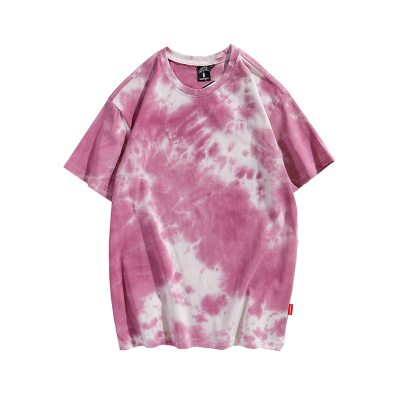
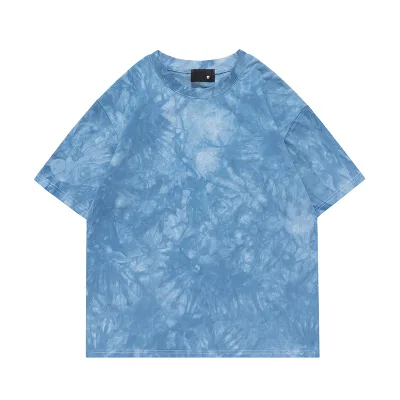


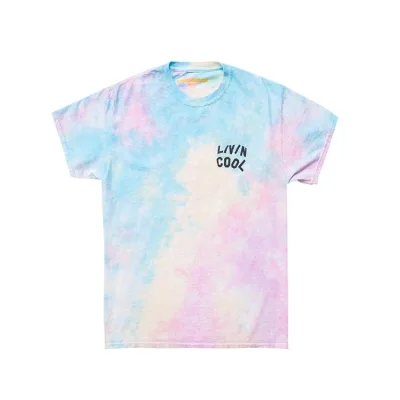
Sublimation Printed T-Shirt Custom Casual Gym Quick Dry Polyester T-Shirt
$8.00 - $12.00
MOQ: 10 Pieces



Comprehensive Sourcing Guide
Sourcing Guide for Eco-Friendly Quick Dry Tie-Dye T-Shirts
Procuring eco-friendly quick dry tie-dye t-shirts requires a nuanced approach that balances aesthetic customization with technical performance and supply chain transparency. The market for these garments is diverse, ranging from casual summer wear to specialized athletic training gear. Buyers must navigate a landscape where material composition, production techniques, and environmental claims vary significantly between suppliers. This guide outlines the critical factors for sourcing these items, focusing on verified attributes, technical specifications, and risk mitigation strategies based on current industry observations.
Understanding Material Composition and Performance
The foundation of any quick-dry t-shirt lies in its material composition. In the current supply chain, two primary material profiles dominate the market for this category. The first is cotton-based construction, often associated with a softer hand feel and traditional summer wear. The second involves synthetic blends, specifically Nylon/Spandex or Polyester variants, which are engineered for high-performance moisture management.
When sourcing "quick dry" garments, buyers should verify the specific fiber content. While some listings indicate "Cotton" as the primary material, true quick-drying properties are typically enhanced by synthetic fibers like Polyester Coolmax or Nylon/Spandex blends. A product labeled as "Cotton" may offer breathability but might lack the rapid moisture-wicking capabilities inherent in polyester-based fabrics. Conversely, items described with features like "Moisture Absorption," "Breathable," and "Quick Dry" often utilize advanced polyester weaves or digital sublimation printing techniques that integrate the dye into the fiber structure.
The table below summarizes the observed material and technical profiles in the current market:
| Material Type | Key Attributes | Typical Applications | Technical Notes |
|---|---|---|---|
| Cotton | Breathable, Summer, Plain Pattern | Casual wear, Office, General use | Often knitted; may require longer drying times unless blended. |
| Polyester Coolmax | Quick dry, Breathable, Anti-wrinkle | Training, Running, Sport | Often uses digital sublimation; high durability. |
| Nylon / Spandex | Stretch, Moisture absorption, Rip-stop | Active wear, Workplaces requiring flexibility | Woven or knitted; offers superior elasticity. |
Buyers must distinguish between a garment that is merely "breathable" and one that is engineered for "quick dry" performance. The presence of features like "Anti-Wrinkle," "Rip-Stop," and "Flame Retardant" suggests a more robust, industrial-grade fabric, whereas "Plain" patterns and "Round Neck" styles with "Cotton" materials suggest casual summer apparel.
Technical Specifications and Production Techniques
The manufacturing method significantly influences the final product's appearance and durability. Two distinct production techniques are prevalent in the sourcing data: Knitted and Woven. Knitted fabrics, often associated with cotton t-shirts, provide stretch and comfort suitable for daily wear. Woven fabrics, frequently found in performance wear, offer a tighter structure that enhances durability and shape retention.
A critical technical specification for tie-dye patterns is the printing method. Digital sublimation printing is a highly efficient technique observed in the market, particularly for polyester-based sportswear. This method allows for vibrant, all-over color patterns that are resistant to fading because the dye becomes part of the fiber rather than sitting on the surface. This is distinct from traditional screen printing or manual tie-dyeing, which may be less durable or require specific care instructions.
When evaluating product models, buyers should note specific identifiers such as "1201," "8355," "JP-D101," and "YS-T888." These model numbers often correlate with specific fabric weights, stitching densities, and dyeing processes. For instance, models designated for "Training, running, sport" typically feature "digital sublimation" and "polyester" materials, whereas models intended for "Office" or "Factory" environments may prioritize "Anti-Wrinkle" and "Quick Dry" features in a woven or heavy-knit construction.
Packaging standards also vary. Some suppliers offer "Standard Packaging or Customized" options, while others specify "1 Piece / PP Bag, 20 Pieces / Carton." The standard specification for carton dimensions is often cited as "25251cm," though this can vary based on the specific product model and supplier location.
Compliance, Certification, and Environmental Claims
The term "eco-friendly" is frequently used in marketing but requires rigorous verification. While background knowledge mentions standards like OEKO-TEX and GOTS, these should not be assumed to apply to every listed product without explicit confirmation from the supplier. Buyers must treat these certifications as optional verification points rather than inherent product attributes.
To ensure compliance, procurement teams should request specific documentation regarding chemical usage, dye safety, and fabric treatment. The presence of features like "Anti-Static" and "Flame Retardant" indicates that the fabric has undergone chemical treatments. While these treatments enhance safety for specific workplaces (e.g., "Maintenance Man" or "Factory"), they may conflict with "eco-friendly" claims if the chemicals used are not environmentally benign.
Buyers should verify the following during the supplier evaluation phase:
- Dye Safety: Confirm that the dyes used in the tie-dye process are non-toxic and meet local environmental regulations.
- Water Usage: Inquire about water recycling systems used in the dyeing and finishing processes.
- Certification Status: Ask for valid certificates for OEKO-TEX or GOTS if these are mandatory for the buyer's market. Do not rely on general descriptions; request the certificate number and expiration date.
- Material Origin: The product origin is listed as "China," with specific regions including "Fujian" and "Shandong." Regional differences in environmental regulations may exist, so local compliance checks are essential.
Cost Drivers and Pricing Structures
The price range for these products is observed between $0.70 and $22.00 USD. This wide variance is driven by several factors, including material quality, production complexity, and order volume. Lower-priced items typically utilize standard cotton or basic polyester blends with simple "Plain" patterns. Higher-priced items often involve complex tie-dye designs, advanced "digital sublimation" printing, and specialized performance features like "Rip-Stop" or "Flame Retardant" treatments.
Minimum Order Quantity (MOQ) is a significant cost driver. The observed MOQ range spans from 1 to 1000 units. Suppliers with an MOQ of 300 PCS or 200 PCS are common for custom designs, while some may accept small orders for standard stock items. Buyers should note that customizing the "Label," "Logo," or "Package" often incurs additional costs and may increase the MOQ.
The "Business Type" of the supplier also influences pricing. Manufacturers often offer more competitive rates than trading companies, particularly for large volumes. However, the "Sample Time" of 3-5 days suggests that even manufacturers maintain a lean inventory for prototypes. Buyers should factor in the "Delivery Time," which is typically "Within 30-40 Days After Receiving The Deposit," into their overall budget and timeline planning.
Supplier Evaluation and Verification
Selecting the right supplier requires a multi-faceted evaluation process. The data indicates that suppliers operate from specific regions in China, such as Fujian and Shandong. While these regions are known for textile manufacturing, buyers should not assume uniform quality across all suppliers in these areas.
Key evaluation criteria include:
- Customization Capabilities: Most suppliers offer "Customization" services, including design, labeling, and packaging. Verify the extent of these services and any associated lead times.
- Sample Quality: Request samples before placing a bulk order. The "Sample Time" of 3-5 days allows for rapid iteration. Evaluate the sample for color fastness, fabric hand feel, and stitching quality.
- Production Capacity: Check if the supplier can handle the required volume within the "30-40 Days" delivery window.
- Workplace Specifics: Some suppliers specialize in "Office" wear, while others focus on "Factory" or "Maintenance" environments. Ensure the supplier's product line aligns with the intended application of the t-shirts.
The "Structure" of the garment is another important factor. "Open Fronted" styles are distinct from standard pullover designs and may require specific sizing considerations. Additionally, the "Gender" classification is often listed as "Unisex," which simplifies sizing but requires careful attention to fit charts.
Quality Control and Long-Term Procurement
Quality control is paramount when sourcing tie-dye products, as the dyeing process can be prone to inconsistencies. Buyers should implement a rigorous QC protocol that includes:
- Color Consistency: Tie-dye patterns can vary between batches. Establish a "Golden Sample" and require that all production batches match this standard.
- Fabric Integrity: Test for "Rip-Stop" durability and "Anti-Wrinkle" performance, especially for items intended for "Training" or "Sport" use.
- Packaging Standards: Verify that the "1 Piece / PP Bag" or "Carton" packaging meets the required specifications to prevent damage during transit.
For long-term procurement, buyers should consider the scalability of the supplier. The "Business Type" and "Custom Service" offerings indicate that many suppliers are flexible, but consistency in quality over multiple orders is crucial. Establishing a clear communication channel for "Design, Label, Logo, Package" updates will help maintain brand integrity.
Furthermore, buyers should monitor the "Applicable" usage of the garments. Items marked for "Maintenance Man" or "Factory" use may have different durability requirements than those for "Training, running, sport." Ensuring the product matches the intended environment will reduce returns and enhance customer satisfaction.
In conclusion, sourcing eco-friendly quick dry tie-dye t-shirts requires a balance of technical verification, supplier diligence, and clear communication. By focusing on material composition, production techniques, and specific performance features, buyers can navigate the complex market and secure high-quality products that meet their specific needs. Always verify claims against the supplied product facts and request documentation for any environmental or safety certifications to ensure compliance and reliability.
FAQs
How can I find eco-friendly quick dry tie-dye t-shirts with specific certifications?
You must request explicit documentation for certifications like OEKO-TEX or GOTS as they are not guaranteed on all listings. While the guide mentions these standards, you should verify the certificate number and expiration date directly with the supplier before ordering.
What material options exist for quick dry performance in this category?
Products typically use Cotton for casual wear or Polyester Coolmax and Nylon Spandex blends for high performance. Cotton offers breathability but may dry slower, whereas synthetic blends engineered with digital sublimation provide superior moisture absorption and rapid drying capabilities.
Which production techniques ensure durable tie-dye patterns on these shirts?
Digital sublimation printing is the observed technique for polyester-based sportswear to ensure vibrant, fade-resistant colors. This method integrates dye into the fiber structure, unlike traditional screen printing, and is commonly used for models designated for training or running applications.
Can suppliers accept small orders for custom designs of these t-shirts?
Yes, some suppliers accept small orders while others require a Minimum Order Quantity of 200 or 300 pieces. Customization services for labels, logos, and packaging are available, but they may increase the required order volume and affect the sample time of three to five days.
How do pricing and lead times vary for these garments?
Prices range from 0.70 to 22 USD depending on material quality and design complexity. Delivery typically occurs within 30 to 40 days after receiving the deposit, with lead times influenced by the supplier's location in regions like Fujian or Shandong and their specific production capacity.
What workplace environments are suitable for these quick dry t-shirts?
These shirts are designed for diverse settings including offices, factories, and maintenance roles. Features like anti-wrinkle, rip-stop, and flame retardant treatments make them suitable for industrial use, while breathable cotton or polyester options fit casual summer wear and athletic training.