Find Eco Friendly Rail Beer Mat for Bars, Cafes, and Home
Explore 30 Eco Friendly Rail Beer Mat options to compare PVC materials, custom sizing, and packaging details. This guide helps buyers evaluate insulation features and delivery times for bar and home applications; compare the available evidence and request quotations based on your requirements.
Key considerations
Products List


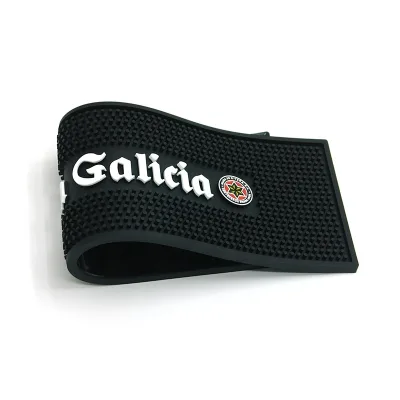


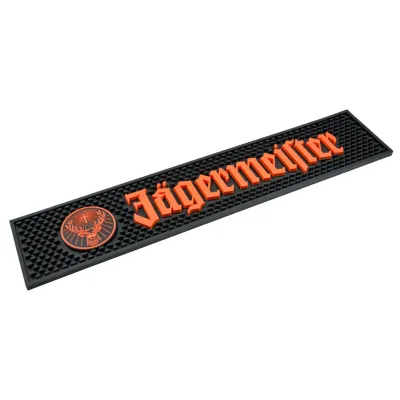
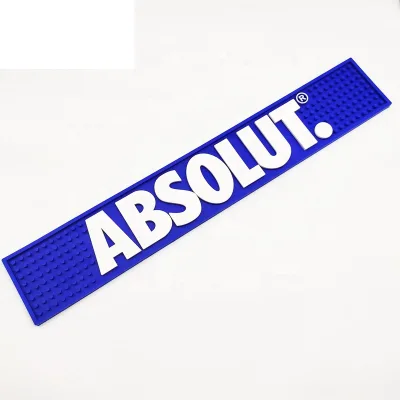



Comprehensive Sourcing Guide
Eco Friendly Rail Beer Mat Sourcing Guide
Sourcing eco-friendly rail beer mats requires a careful balance between sustainable material claims and functional durability for high-traffic bar environments. Buyers must distinguish between marketing terms and actual material composition, as "eco-friendly" can refer to recycled content, biodegradability, or simply reduced chemical usage during manufacturing. The primary decision point involves selecting the right substrate, such as soft PVC or rubber blends, which offer the necessary absorbency and slip resistance while aligning with corporate sustainability goals. Procurement teams should prioritize suppliers who provide transparent material data sheets rather than relying solely on generic product descriptions.
The visual and branding aspects of these mats are equally critical for brand visibility in hospitality settings. Customization options typically include logo printing, color matching, and specific shape configurations like square or long formats to fit various bar rail dimensions. Buyers need to evaluate how these aesthetic choices impact the overall cost structure and production timeline. It is essential to request physical samples to verify print quality, colorfastness, and the tactile feel of the material, ensuring that the final product meets both aesthetic expectations and functional requirements for daily use in bars, cafes, and restaurants.
Product Scope and Observed Listing Signals
Market listings for rail beer mats reveal a diverse range of product attributes that buyers must navigate to find suitable suppliers. Observed data indicates a price range of $0.29 to $8.00 USD, reflecting variations in material thickness, customization complexity, and order volume. Minimum order quantities (MOQs) typically span from 50 to 500 pieces, with some suppliers requiring higher volumes like 480 or 500 pieces for custom branding. This variability suggests that smaller businesses may need to consolidate orders or accept higher per-unit costs, while larger chains can leverage economies of scale for better pricing and more flexible customization options.
Product specifications vary significantly across listings, with common sizes including 45x31x1 cm and 60x9x1 cm, catering to different bar rail configurations. Materials are predominantly listed as soft PVC or rubber, offering durability and water resistance. Colors range from standard black and brown to fully customized options, allowing brands to match their interior design schemes. Some listings highlight features like eco-friendliness and insulation, which are key selling points for modern hospitality venues. Buyers should carefully cross-reference these observed signals with their specific operational needs to avoid mismatches in size, material, or branding capabilities.
Technical Specifications to Verify
Verifying technical specifications is crucial to ensure the beer mats perform effectively in real-world applications. Buyers should confirm the exact dimensions, thickness, and weight of the mats, as these factors influence absorbency and stability on bar rails. The material composition, whether soft PVC or rubber, must be validated for its ability to withstand frequent cleaning and exposure to liquids without degrading. Additionally, the printing technology used for logos should be assessed for durability, ensuring that the branding remains vibrant and intact despite regular use and washing.
Packaging and shipping details also play a significant role in the procurement process. Standard packaging often includes OPP bags or export cartons, with quantities ranging from one piece per bag to forty pieces per carton. Buyers need to verify the single volume and gross weight to calculate accurate shipping costs and storage requirements. Furthermore, understanding the production lead times, which can range from 3 to 25 days depending on customization and order size, is essential for inventory planning. Clear communication with suppliers regarding these technical details helps prevent delays and ensures that the delivered products meet the specified requirements.
Compliance and Safety Documentation
Compliance with safety and environmental standards is a critical aspect of sourcing eco-friendly rail beer mats. Buyers should request relevant certifications, such as CE or EU compliance, to ensure that the materials meet regional safety regulations. While some listings mention FSC certification, this is often associated with paper products, so buyers must verify if it applies to the specific PVC or rubber materials being used. Understanding the regulatory landscape helps mitigate risks associated with non-compliant products, which could lead to legal issues or reputational damage in regulated markets.
Documentation should also include material safety data sheets (MSDS) and test reports that confirm the absence of harmful substances like phthalates or heavy metals. These documents provide assurance that the products are safe for use in food and beverage environments. Buyers should also inquire about the supplier's quality management systems and any internal testing protocols they employ. By prioritizing suppliers with robust compliance documentation, buyers can ensure that their procurement activities align with both legal requirements and corporate social responsibility goals, enhancing brand trust among consumers.
Cost Drivers and Commercial Terms
Understanding the cost drivers behind eco-friendly rail beer mats helps buyers negotiate better commercial terms. Key factors influencing price include material quality, customization complexity, order volume, and packaging requirements. Higher-quality materials and intricate logo printing processes typically increase costs, while larger order volumes can reduce per-unit prices through economies of scale. Buyers should also consider the impact of shipping methods, such as sea, air, or express delivery, on the total landed cost. Transparent pricing structures allow for accurate budgeting and comparison between different suppliers.
Commercial terms, including payment methods, delivery times, and return policies, are equally important in the procurement process. Buyers should negotiate clear terms that protect their interests, such as flexible payment schedules or guarantees on product quality. Understanding the supplier's supply ability, which can range from 200,000 pieces per month, helps assess their capacity to meet large orders within tight deadlines. By focusing on these commercial aspects, buyers can establish sustainable partnerships that offer reliability, cost-effectiveness, and value for money in the long run.
Supplier Qualification and Quality Control
Supplier qualification is a vital step in ensuring the reliability and consistency of eco-friendly rail beer mat supplies. Buyers should conduct thorough due diligence, including verifying the supplier's business license, production capabilities, and past performance records. Visiting the manufacturing facility or requesting virtual tours can provide insights into their quality control processes and production standards. Additionally, checking for any negative feedback or complaints from previous clients helps identify potential risks and ensures that the supplier is reputable and trustworthy.
Quality control measures should be integrated into the procurement process to maintain product consistency. Buyers should establish clear quality standards and inspection criteria, including checks for material defects, print accuracy, and packaging integrity. Implementing pre-shipment inspections or third-party quality audits can further mitigate risks and ensure that the delivered products meet the specified requirements. By prioritizing supplier qualification and rigorous quality control, buyers can build a resilient supply chain that delivers high-quality products consistently, supporting their brand reputation and customer satisfaction.
Long-Term Procurement Checks
Long-term procurement checks are essential for maintaining a sustainable and efficient supply chain for eco-friendly rail beer mats. Buyers should regularly review supplier performance metrics, including delivery times, product quality, and responsiveness to issues. Establishing key performance indicators (KPIs) helps track these metrics objectively and identify areas for improvement. Regular communication with suppliers fosters a collaborative relationship, enabling proactive problem-solving and continuous improvement in product quality and service levels.
Additionally, buyers should stay informed about market trends and technological advancements in eco-friendly materials and manufacturing processes. This knowledge allows for strategic adjustments in sourcing strategies, such as exploring new suppliers or upgrading to more sustainable materials. Periodic audits of the supply chain help ensure compliance with evolving regulatory standards and corporate sustainability goals. By implementing these long-term checks, buyers can optimize their procurement processes, reduce risks, and enhance the overall value derived from their sourcing activities, ensuring long-term success in the competitive hospitality market.
FAQs
What material is used for eco friendly rail beer mats
These mats are typically made from soft PVC or rubber PVC. This material choice supports the eco-friendly attribute while providing the necessary insulation and durability for bar rail use. The specific composition may vary by supplier, so verify the exact material breakdown before placing a bulk order.
What is the standard size for custom rail beer mats
A common standard size observed is 60x9x1cm, which fits standard bar rail dimensions. However, many suppliers offer customized diameters or shapes to match specific furniture. Always confirm the exact dimensions against your bar rail measurements to ensure a proper fit before finalizing the design.
Can I customize the logo and color of the beer mat
Yes, customization is widely available for both logo and color. Suppliers typically support custom logo printing and can produce mats in specific colors like black, brown, or other custom shades. This allows for brand alignment in advertising and home settings. Provide clear design files to ensure accurate reproduction.
What is the typical MOQ for ordering these mats
Minimum order quantities vary by supplier, with observed ranges from 100 to 500 pieces. Some specific listings indicate an MOQ of 480 pieces. Lower MOQs may be available for standard items, while custom designs often require higher minimums. Check the specific supplier's policy to determine the exact threshold for your order.
How long does it take to deliver custom beer mats
Delivery times generally range from 3 to 25 days, depending on the complexity of the customization and the shipping method chosen. Standard items may ship faster, while custom logo printing and specific color matching can extend the lead time. Confirm the estimated production and shipping schedule with the supplier before ordering.
What certifications are available for these eco friendly mats
Some suppliers provide CE or EU certifications for their products. These certifications indicate compliance with certain safety and environmental standards. However, certification availability varies by manufacturer and specific product batch. Request current certification documents from the supplier to verify compliance for your target market.
What packaging options are available for bulk orders
Common packaging includes individual OPP bags with multiple units per carton, such as 40 pieces per carton. Other options include plastic bags or export cartons. Proper packaging protects the mats during transit and facilitates storage. Discuss specific packaging requirements with the supplier to ensure they meet your logistics needs.