Source Eco-Friendly Reusable Champagne Bowl for Events, Catering, and Weddings
Compare 30 listings for the Eco-Friendly Reusable Champagne Bowl from verified Chinese manufacturers. Buyers can evaluate metal and paper options with certifications like FDA and CE, noting customization and lead time details.
Key considerations
Products List


Good Airtightness Simple and Stylish Eco-Friendly Double Wall Disposable Paper Bowls
$2.00 - $2.30
MOQ: 1000 Pieces


Eco-Friendly 900ml Round Bowl with Biodegradable Lid for Sustainable Living
$0.04 - $0.44
MOQ: 50000 Pieces




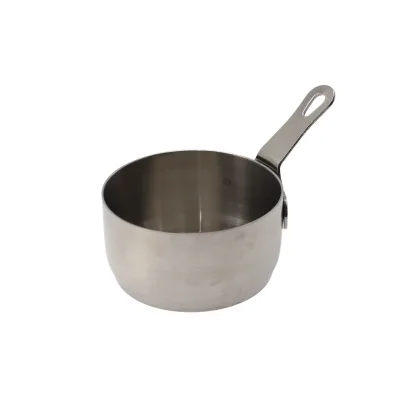
Proper Price Durable Using Various Custom Contemporary Reusable Bowl Dip Cup
$0.91 - $1.29
MOQ: 200 Minimum
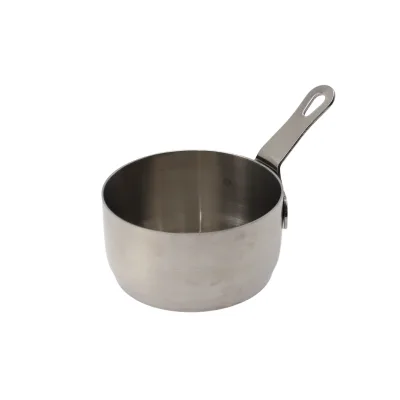
Promotional Various Durable Using Customized Classic Professional Bowl Dipping Cup
$0.94 - $1.32
MOQ: 200 Minimum


Comprehensive Sourcing Guide
Strategic Sourcing Guide for Eco-Friendly Reusable Champagne Bowls
Understanding Product Definitions and Material Realities
The search for an "eco-friendly reusable champagne bowl" requires a precise understanding of the current market landscape, as the terminology often masks significant material divergences. In the context of available procurement data, the term "champagne bowl" frequently appears alongside products labeled as "Disposable Bowl" or "Paper Product," which presents an immediate contradiction to the "reusable" requirement. The supplied product facts reveal a market split between metal-based solutions and sugarcane or pulp-based alternatives.
For a buyer specifically seeking a reusable item, the primary focus must be on the Metal material category. The data explicitly lists a product model identified as "kks Metal Champagne Bowl" with a finish described as either "Matt or Shinny." This metallic construction is the only category within the provided facts that inherently supports a reusable lifecycle, contrasting sharply with the "Sugarcane" and "Virgin Pulp" materials listed for other models. These organic materials, while marketed with attributes like "100% Biodegradable Compostable Recyclable" and "Eco-Friendly," are explicitly categorized as "Disposable" or "Non-Disposable" in conflicting entries, suggesting they are intended for single-use events.
When evaluating the "Eco-Friendly" claim, buyers must distinguish between durability and end-of-life disposal. A metal bowl offers eco-credentials through longevity and reusability, reducing waste volume over time. Conversely, the sugarcane and pulp options, such as those with "Food-Grade Safe" status and "100% Virgin Pulp" composition, derive their environmental value from biodegradability rather than reuse. Therefore, a sourcing strategy for a reusable bowl must filter out the paper and sugarcane entries, focusing strictly on the metal specifications where the "Type" is defined as a bowl but the material allows for repeated washing and service.
Technical Specifications and Functional Attributes
Selecting the correct technical specification is critical for ensuring the champagne bowl meets both aesthetic and functional requirements. The available data indicates that the metal champagne bowl model "kks" is available with a standard size specification of 39cm. This dimension likely refers to the diameter or overall footprint, which is a crucial metric for table setting logistics. Buyers should verify if this 39cm standard aligns with their specific event needs, as custom dimensions are often available in the broader market, though the provided facts highlight this specific standard.
The surface finish is another vital technical attribute. The product facts list the finish options as "Matt or Shinny." This choice impacts the visual presentation and the tactile experience of the bowl. A "Shinny" finish provides a reflective, premium look suitable for formal galas, while a "Matt" finish offers a modern, understated elegance that may be preferred for contemporary events. The "Coated" attribute mentioned in the data suggests that some products may undergo a specific surface treatment, which could influence durability and cleaning requirements.
Packaging and logistics specifications are equally important for operational planning. The metal bowl variant is listed with a "Carton" packing method. For the specific item model "1091," which appears to be a related dinnerware or rack product, the packing details are granular: "1PCS/PE Bag, 12PCS Per Inner, 96PCS Per Carton." While this specific packing count may apply to a different SKU, it establishes a baseline for how such items are typically bundled. The carton dimensions for similar items are noted as 473743, providing a concrete reference for freight volume calculations. Buyers must confirm whether the metal champagne bowls follow similar packing densities or if their larger 39cm size necessitates different carton configurations to prevent damage during transit.
Compliance, Certification, and Safety Standards
Navigating the compliance landscape is essential for B2B procurement, particularly when dealing with food-contact items. The supplied facts highlight a robust array of certifications that buyers should verify against their specific market regulations. The metal champagne bowl is associated with CE / EU and FDA certifications. These are non-negotiable for products intended for food service in Europe and the United States, respectively. The CE mark indicates conformity with health, safety, and environmental protection standards for products sold within the European Economic Area, while FDA compliance ensures the material is safe for food contact in the US.
For buyers sourcing from the Zhejiang region in China, additional certifications such as QS (Quality Safety) and LFGB (German Food and Feed Code) are frequently encountered. The data explicitly lists LFGB alongside CE and FDA, suggesting a high standard of food safety compliance. Furthermore, the paper-based alternatives in the data boast FSC Certified status and FDA Food Grade certification, reinforcing the presence of rigorous quality control systems in the supply chain.
However, a critical distinction must be made regarding the "Eco-Friendly" claim. While the paper products are explicitly labeled as "100% Biodegradable Compostable Recyclable" and "FSC Certified," the metal products rely on their reusability for their eco-claim. Buyers should not assume that the metal bowls possess the same biodegradability certifications as the pulp products. Instead, the verification process should focus on the Food-Grade Safe status and the specific material composition to ensure the metal does not leach harmful substances. The "Freezer Safe: Yes" attribute found in the data for other items suggests that temperature resistance is a common feature to verify, though buyers must confirm if this applies to the metal champagne bowls to ensure they can withstand chilled beverages without structural failure.
Cost Drivers and Procurement Economics
The economic landscape for sourcing these items is characterized by a wide variance in pricing and minimum order quantities (MOQ). The observed price range in the market data spans from 0 to 10.08 USD. This broad range likely reflects the difference between single-unit samples, bulk metal orders, and disposable paper alternatives. For a reusable metal bowl, the cost per unit is generally higher than disposable options but is amortized over multiple uses. Buyers should anticipate that the lower end of the price spectrum may correspond to the disposable sugarcane or paper products, while the reusable metal variants may sit at the higher end of the spectrum or require volume commitments to achieve competitive pricing.
MOQ values are equally variable, ranging from 2 to 200,000. This indicates a highly flexible supply chain capable of serving both small boutique events and massive corporate functions. The "Customization: Available" attribute suggests that buyers can negotiate MOQs based on specific design requirements, such as custom logos or unique finishes. However, customization often incurs additional setup costs and may increase the effective MOQ.
Lead times are a significant cost driver in the procurement timeline. The standard lead time listed is 30 Days, with sample availability in 7 Days. This timeline is standard for manufacturing and shipping from China. Buyers must factor this into their event planning; a 30-day lead time means that orders for a summer gala must be placed in early spring. The "Sample: Freely" attribute for some items indicates that buyers can test quality before committing to large orders, which reduces the financial risk of a failed procurement. However, the "Sample: 7 Days" note suggests that even free samples require a week for production and delivery, further emphasizing the need for early planning.
Supplier Evaluation and Operational Capabilities
Evaluating suppliers requires a deep dive into their operational capabilities and geographic origins. The data points to China as the primary origin, with a specific mention of Zhejiang, China as a manufacturing hub. Zhejiang is a well-known center for metalworking and packaging manufacturing, suggesting a mature supply chain for these products. Buyers should verify the specific location of the supplier to assess logistics costs and potential tariffs.
The "Customization: Available" feature is a key indicator of supplier flexibility. A supplier that offers customization is likely to have in-house design and molding capabilities, allowing for tailored solutions such as specific "Matt or Shinny" finishes or custom branding. The "Style" attributes listed, such as "Sport," "Simple," and "Multicolor," indicate that suppliers are capable of producing a variety of aesthetic designs. Buyers should request a portfolio of previous work to ensure the supplier can meet the specific "Eco-Friendly" and "Reusable" aesthetic requirements.
Quality control is paramount when dealing with food-contact items. The presence of multiple certifications (FDA, CE, LFGB, QS) implies that the supplier has established quality management systems. However, buyers should not rely solely on the presence of these certificates on the product page. Instead, they should request recent audit reports or third-party test results to verify that the current production batch meets the stated standards. The "Product Name: Paper Product" and "Type: Disposable Bowl" entries in the data serve as a warning; buyers must explicitly confirm that the supplier is not inadvertently shipping disposable items when a reusable metal bowl is ordered. Clear communication of the "Reusable" requirement is essential to avoid fulfillment errors.
Long-Term Procurement and Sustainability Strategy
Adopting a long-term procurement strategy for eco-friendly reusable champagne bowls involves more than just a single purchase; it requires a commitment to sustainability and lifecycle management. The "Eco-Friendly" claim for metal bowls is realized through the reduction of single-use waste. By choosing a metal bowl over a disposable sugarcane or paper alternative, the buyer significantly lowers the carbon footprint associated with the event. The "100% Biodegradable Compostable Recyclable" attributes of the paper products are excellent for single-use scenarios, but they do not offer the long-term waste reduction benefits of a reusable metal item.
Buyers should consider the total cost of ownership (TCO) rather than just the unit price. While the upfront cost of a metal bowl may be higher, the ability to reuse the item hundreds of times makes it more economical in the long run. The "Carton" packing and "Standard Packaging or Customized" options suggest that suppliers are prepared to handle large-scale logistics, which is beneficial for recurring events.
Furthermore, the "Dimensions (W×H×G): Customized" and "Color Options: Customized" features allow buyers to align the product with their brand identity, enhancing the overall event experience. This level of customization can strengthen the supplier relationship, as it moves the transaction from a commodity purchase to a strategic partnership. Buyers should also consider the end-of-life scenario for the metal bowls. Unlike the biodegradable paper products, metal bowls should be recycled at the end of their service life, a process that is well-established in most developed markets.
In conclusion, sourcing an eco-friendly reusable champagne bowl requires a careful balance of material verification, compliance checking, and strategic planning. By focusing on the metal specifications, verifying the FDA and CE certifications, and understanding the cost drivers associated with customization and lead times, buyers can secure a high-quality product that meets both their operational and sustainability goals. The wide range of MOQs and the availability of samples provide the flexibility needed to test the market and scale operations as required.
FAQs
What material is used for the reusable metal champagne bowl?
The reusable metal champagne bowl is constructed from metal, specifically identified as the kks Metal Champagne Bowl model. This material supports a reusable lifecycle unlike the sugarcane or pulp alternatives listed as disposable products in the same catalog.
Which certifications apply to the metal champagne bowl for food safety?
The metal champagne bowl carries CE / EU, FDA, and LFGB certifications to ensure food safety compliance. These standards verify the product meets health and safety requirements for food contact in the European Economic Area and the United States.
How long is the lead time for ordering the metal champagne bowl?
The standard lead time for the metal champagne bowl is 30 days from order confirmation. Buyers should plan their procurement timeline accordingly, noting that samples may be available within 7 days for quality verification before bulk production.
What size specifications are available for the metal champagne bowl?
The metal champagne bowl model kks is available with a standard specification of 39cm in size. While this dimension is listed as a standard, customization options for dimensions and colors are often available depending on the specific supplier capabilities.
Can the metal champagne bowl be customized for branding or finish?
Yes, customization is available for the metal champagne bowl, including finish options like Matt or Shinny. Buyers can also request customized dimensions and colors, though these customizations may influence the minimum order quantity and lead time requirements.
What is the origin location for the metal champagne bowl suppliers?
The metal champagne bowl products originate from China, with specific manufacturing hubs noted in Zhejiang. This location is a known center for metalworking and packaging, offering a mature supply chain for sourcing these reusable dining items.