Source eco-friendly silica gel bicycle bell for Kids Bike, Road Bike, Mountain Bike
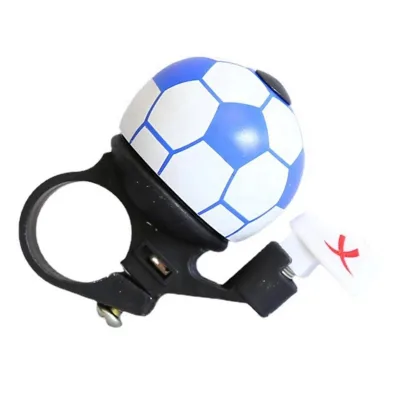
Compare 30 listings for eco-friendly silica gel bicycle bell options suitable for kids bikes, road bikes, and mountain bikes. Buyers can review specifications, materials like steel and aluminum, and customization features from verified Chinese suppliers.
Key considerations
Products List




Comprehensive Sourcing Guide
Strategic Sourcing Guide for Eco-Friendly Silica Gel Bicycle Bells
Understanding Material Composition and Environmental Attributes
When sourcing an eco-friendly silica gel bicycle bell, the primary focus must be on the material composition and its alignment with sustainability goals. Silica gel is a porous form of silicon dioxide that is generally non-toxic, chemically stable, and recyclable, making it a preferred alternative to traditional hard plastics or metals in certain applications. However, the term "eco-friendly" requires careful verification, as it often depends on the specific manufacturing process, the presence of additives, and the end-of-life disposal method. In the context of bicycle accessories, the material must offer durability against weather exposure while maintaining a low environmental footprint.
Buyers should verify that the silica gel used is free from heavy metals and harmful phthalates, which are common concerns in plastic-based components. The supplied data indicates that materials in this category can vary significantly, with some listings specifying "Steel" or "Aluminum" as primary components, while others highlight specific polymer properties. For a silica gel bell, the core material should be explicitly defined in the product specifications. If the product description mentions "Customized" or "By Customized" for color and material, it implies a high degree of flexibility but also necessitates rigorous quality assurance to ensure the base material remains consistent with eco-friendly claims. The "Condition: New" attribute observed in the data suggests that buyers should expect fresh manufacturing runs, but this does not automatically guarantee the material source is sustainable without further inquiry.
Technical Specifications and Performance Requirements
Technical specifications for bicycle bells, particularly those marketed as eco-friendly, must balance acoustic performance with physical durability. The supplied data reveals a wide range of specifications, including models like "TJ-PJ 187," "TJ-LD-03," and "A3721011," which indicates that there is no single universal standard for these components. Buyers must look for specific metrics regarding the bell's diameter, weight, and mounting mechanism. For instance, one observed specification lists a diameter of "55mm," which serves as a benchmark for size compatibility with standard bicycle handlebars.
Weight is another critical factor, especially for performance-oriented cycling. A specific entry in the data notes a weight of "20g," which is exceptionally light and suitable for minimizing the overall weight of the bicycle. However, silica gel bells may vary in density depending on the formulation. The "Size" attribute in the data ranges from "Small" to "Medium," suggesting that buyers should define their required dimensions based on the target demographic, such as "Kids Bike" or "Ordinary Bicycle." The "Clamp: Plastic" attribute indicates that the mounting hardware may be a separate component, and its compatibility with the silica gel body must be ensured.
Furthermore, the "Application" field in the data lists "Kids Bike," "Mountain Bike," "Road Bike," and "Toys." This diversity implies that the technical requirements for a bell intended for a child's bicycle may differ from those for a high-performance road bike. For kids' bikes, the bell must be robust enough to withstand drops and rough handling, while for road bikes, the focus might be on aerodynamics and sound clarity. The "Feature: Durable" attribute is a key indicator that the product should withstand regular use, but buyers should request specific test data regarding impact resistance and sound output decibels to validate this claim.
Compliance, Certification, and Regulatory Standards
Navigating the compliance landscape is essential for sourcing eco-friendly products, as regulations vary by region and application. The data provides several certification and standard references, including "ISOCondition:New," "ISOCE," and specific product standards like "171G" and "45X32X24cm/200PCS." While "ISO 9001" is mentioned in the background context as a general quality management standard, it is crucial to verify if the specific manufacturer holds this certification for the silica gel production line. The "ISOCE" reference likely pertains to European conformity, which is a mandatory requirement for products sold in the European Union.
Buyers must also consider environmental regulations regarding the "eco-friendly" claim. This often involves compliance with REACH (Registration, Evaluation, Authorization, and Restriction of Chemicals) in Europe or similar regulations in North America and Asia. The data mentions "Standard: By Customized" and "Standard: Standard," which suggests that some manufacturers may not adhere to a fixed global standard but rather tailor their compliance to the buyer's requirements. This variability requires buyers to explicitly request documentation proving that the silica gel meets the specific environmental standards of their target market.
Additionally, the "prod_packing" attribute lists options like "Carton," "Netural Packing," and "Polybag/Carton." The packaging itself is a significant component of the eco-friendly profile. Buyers should evaluate whether the packaging materials are recyclable or biodegradable. The "45X32X24cm/200PCS" specification indicates a bulk packing standard, which can impact the carbon footprint of shipping. Optimizing packaging density is a key strategy for reducing logistics emissions, and buyers should inquire about the specific materials used for the "Polybag" or "Carton" to ensure they align with sustainability goals.
Cost Drivers and Pricing Dynamics
The cost of sourcing eco-friendly silica gel bicycle bells is influenced by several factors, including material quality, customization levels, and order volume. The observed price range in the data is "0.09-5" USD, which represents a significant variance. This wide range likely reflects differences in material purity, manufacturing complexity, and the extent of customization. Lower-priced items may use standard silica gel formulations with minimal processing, while higher-priced items could involve specialized eco-friendly additives, custom molding, or premium packaging.
The "MOQ" (Minimum Order Quantity) range of "50-2000" units further impacts the unit cost. Buyers ordering smaller quantities, such as the lower end of the MOQ range, may face higher per-unit costs due to the fixed setup costs of the manufacturing process. Conversely, larger orders can leverage economies of scale to reduce the price. The "Customization: Available" and "Customized: Customized" attributes suggest that personalized designs, colors, or branding will incur additional costs. The "Color: Cp or Any Color You Want" and "Color: by Customized" entries confirm that color customization is a common service, but it often requires a higher MOQ or a premium price point.
It is important to note that the "Location" of the supplier, such as "China," "Zhejiang, Ningbo," or "Hebei Xingtai," can also influence pricing due to local labor costs, logistics infrastructure, and export regulations. Suppliers in different regions may have varying cost structures for raw materials and energy, which are passed on to the buyer. Buyers should analyze the total cost of ownership, including shipping, tariffs, and potential quality control costs, rather than focusing solely on the unit price.
Supplier Evaluation and Operational Capabilities
Evaluating suppliers for eco-friendly bicycle bells requires a multi-faceted approach that goes beyond basic product listings. The data indicates that suppliers operate in specific regions like "Hebei Xingtai" and "Zhejiang, Ningbo," which are known manufacturing hubs. Buyers should verify the supplier's capacity to handle the required volume, as the "prod_packing" and "MOQ" data suggest that some suppliers may specialize in bulk orders while others cater to smaller, customized batches.
The "Application" diversity, ranging from "Kids Bike" to "Mountain Bike," implies that a capable supplier should have experience in producing bells for various bicycle types. This versatility often indicates a robust manufacturing process capable of adapting to different technical requirements. Buyers should assess the supplier's ability to provide samples that match the "Condition: New" and "Feature: Durable" attributes. The presence of specific model numbers like "HC-PJ-187" and "TJ-BELL-001" suggests that the supplier has a catalog of existing products, which can be a starting point for evaluation.
Furthermore, the "Standard: By Customized" attribute highlights the importance of the supplier's flexibility. A supplier that can accommodate custom standards is more likely to meet specific eco-friendly requirements. Buyers should inquire about the supplier's quality control processes, including how they test for material safety and durability. The "ISOCE" and "ISOCondition:New" references suggest that some suppliers may have internal or external quality checks, but buyers should request detailed reports to confirm compliance.
Quality Control and Long-Term Procurement Considerations
Ensuring consistent quality in eco-friendly silica gel bells is critical for maintaining brand reputation and customer satisfaction. The "Feature: Durable" attribute is a key quality indicator, but it must be validated through rigorous testing. Buyers should establish clear quality control protocols that include checks for material consistency, sound output, and structural integrity. The "Size" variations from "Small" to "Medium" and the "Diameter: 55mm" specification provide measurable benchmarks for quality inspection.
Long-term procurement considerations involve building a sustainable supply chain. This includes evaluating the supplier's commitment to environmental practices, such as waste reduction and energy efficiency in production. The "prod_packing" options, including "Netural Packing" and "Polybag/Carton," offer opportunities to reduce packaging waste. Buyers should work with suppliers to optimize packaging designs that minimize material usage while protecting the product during transit.
The "Customization: Available" and "Customized: Customized" attributes also play a role in long-term strategy. As market trends shift towards more personalized and eco-conscious products, the ability to customize bells with specific colors, logos, or materials will be a competitive advantage. Buyers should negotiate long-term contracts that allow for flexibility in customization while maintaining cost efficiency. Additionally, the "Weight: 20g" specification serves as a reference point for maintaining product consistency over time, ensuring that the bells remain lightweight and user-friendly.
In conclusion, sourcing eco-friendly silica gel bicycle bells requires a comprehensive understanding of material properties, technical specifications, compliance standards, and supplier capabilities. By carefully analyzing the data provided and adhering to strict quality control measures, buyers can build a reliable supply chain that meets both environmental and performance requirements. The wide range of models, applications, and customization options available in the market offers significant opportunities for strategic sourcing, provided that buyers remain vigilant in verifying claims and maintaining high standards throughout the procurement process.
FAQs
What materials are used for eco-friendly silica gel bicycle bells?
Products are primarily made from steel or aluminum, with some options using plastic clamps. Buyers should verify specific material claims as listings vary between metal and polymer components for different bicycle types.
Can these bells be customized for specific colors or designs?
Yes, customization is available for colors and designs, with options like 'Cp or Any Color You Want'. However, custom orders often require higher minimum order quantities and may involve additional processing steps.
Which certifications do these bicycle bells typically hold?
Some products list ISOCondition:New and ISOCE certifications, indicating compliance with specific standards. Buyers must request detailed documentation to confirm if these certifications apply to the specific eco-friendly material formulation.
How does the minimum order quantity affect pricing?
The observed MOQ ranges from 50 to 2000 units, directly influencing the unit price. Lower quantities often result in higher per-unit costs due to setup fees, while larger orders leverage economies of scale.
What is the typical weight of a bicycle bell in this category?
One observed specification lists a weight of 20g, which is suitable for lightweight applications. Buyers should verify the weight for each model, as sizes range from small to medium and materials vary.
Where are these bicycle bells typically manufactured?
Products originate from China, specifically regions like Zhejiang, Ningbo, and Hebei Xingtai. Buyers should confirm the exact factory location to assess logistics costs and potential supply chain risks.
What packaging options are available for bulk orders?
Packaging includes cartons, neutral packing, or polybags, with some standards like 45X32X24cm for 200 pieces. Buyers should evaluate packaging density to optimize shipping costs and reduce environmental impact.