Source Eco-Friendly Silicone Bar Mat for Training, Competition, and Decoration
Compare 30 listings for Eco-Friendly Silicone Bar Mat options suitable for training, competition, and table decoration. Buyers can review specifications like material, size, and customization availability from verified suppliers in China; compare the available evidence and request quotations based on your requirements.
Key considerations
Products List
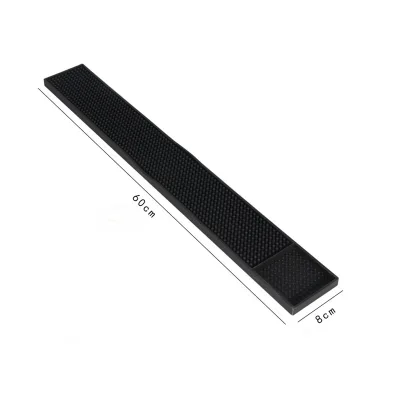


DICDE Custom Silicone Bar Mat for Unique Shape Waterproof Bar Accessories
$1.20 - $2.50
MOQ: 100 Pieces


Dye Sublimation Bar Mats Promotional Knitted Polyester Fabric Silicone Bar Mat
$1.00 - $2.00
MOQ: 100 Pieces
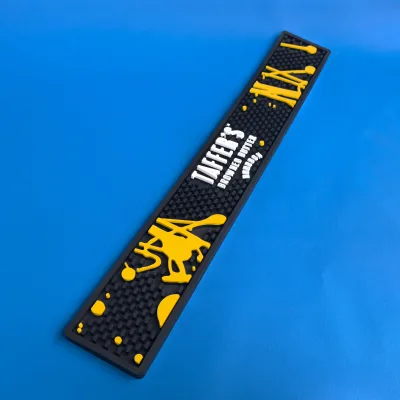

Bar Spill-Proof Nitrile Rubber Environmentally Friendly Material Bar Mat
$2.60 - $3.60
MOQ: 100 Pieces


Extra-Large Natural Rubber Bar Splash-Proof Mat Non-Slip Bar Counter Mat
$2.60 - $3.60
MOQ: 100 Pieces




Comprehensive Sourcing Guide
Eco-Friendly Silicone Bar Mat Sourcing Guide
Sourcing eco-friendly silicone bar mats requires a disciplined approach to material verification and functional alignment. Buyers must distinguish between pure silicone and blended rubber compounds, as the latter may compromise the "eco-friendly" claim despite marketing labels. The observed product data indicates a strong prevalence of silicone and rubber materials, with specific listings highlighting 100% silicone composition. This distinction is critical for health-conscious establishments and brands aiming to communicate genuine sustainability credentials to their clientele.
Procurement teams should prioritize suppliers who provide transparent material declarations and offer customizable thickness options ranging from 2mm to 5mm. The flexibility in thickness allows buyers to tailor the mat’s durability and cushioning to specific bar environments, whether for high-traffic commercial use or specialized training facilities. Verifying the exact material composition through sample requests is essential, as visual inspection alone cannot confirm the absence of harmful plasticizers or fillers that might degrade the eco-friendly status of the final product.
Product Scope and Observed Listing Signals
The current market landscape for silicone bar mats reveals a diverse range of product attributes, including minimalist designs and regular rectangular shapes. Listings frequently highlight features such as eco-friendliness and stocked availability, suggesting a ready-to-ship inventory for immediate procurement needs. The observed price range of 0.1 to 10.9 USD indicates significant variation based on material quality, thickness, and customization levels, requiring buyers to align their budget with their specific functional requirements.
Common product names include "Coffee Tampering Rubber Bar Mat" and generic "Bar Mat" identifiers, reflecting the dual use of these items for both coffee preparation and general bar organization. The presence of OEM services and customizable logos, such as embossed or debossed designs, allows brands to integrate these mats into their visual identity. Buyers should note that while many listings claim eco-friendly status, the actual environmental impact depends on the manufacturing process and the specific silicone grade used, necessitating careful review of supplier claims.
Technical Specifications to Verify
Technical verification begins with confirming the temperature resistance and chemical stability of the silicone material. Trusted category knowledge suggests that high-quality silicone can withstand temperatures ranging from -40°C to +230°C, ensuring durability in environments with hot equipment or cold storage. Buyers must verify that the supplier provides test data or material safety data sheets (MSDS) to confirm these thermal limits, as inferior materials may degrade or release odors under extreme conditions.
Dimensional accuracy and packaging standards are equally critical for logistics and shelf presentation. The observed single package size of 60x8x1 cm and a gross weight of 0.300 kg provide a baseline for shipping calculations, but buyers should confirm if these dimensions apply to all variants. Additionally, the availability of custom sizes and shapes, including unique forms for specific branding needs, should be discussed early in the sourcing process to avoid mismatches between design intent and manufacturing capabilities.
Compliance and Safety Documentation
Compliance with food contact regulations is non-negotiable for bar mats used in hospitality settings. Buyers must request certifications such as LFGB, CE, EU, CIQ, and EEC to ensure the product meets international safety standards for materials coming into contact with food and beverages. These certifications validate that the silicone is free from harmful substances like BPA, phthalates, and heavy metals, protecting both the business and its customers from potential health risks.
Documentation should also include proof of compliance with environmental standards, supporting the "eco-friendly" marketing claims. Buyers should inquire about the supplier’s waste management practices during production and the recyclability of the final product. While specific environmental certifications were not explicitly listed in the observed data, requesting third-party audits or eco-labels can provide additional assurance of the product’s sustainable lifecycle, enhancing the brand’s reputation for corporate social responsibility.
Cost Drivers and Commercial Terms
Cost structures for silicone bar mats are influenced by material purity, thickness, and customization complexity. The observed MOQ range of 50 to 1000 pieces suggests flexibility for small businesses, while larger orders may benefit from volume discounts. Buyers should analyze the cost per unit against the expected lifespan of the mat, considering that higher-quality silicone may offer better durability and resistance to staining, ultimately reducing replacement frequency.
Commercial terms such as sample availability and lead times play a crucial role in the procurement timeline. With sample times ranging from 1 to 3 days, buyers can quickly evaluate product quality before committing to large orders. However, production lead times for customized items, such as embossed logos or specific colors, may vary significantly. Establishing clear communication regarding these timelines and potential delays is essential for maintaining inventory levels and meeting business demands without disruption.
Supplier Qualification and Quality Control
Supplier qualification requires a thorough assessment of their manufacturing capabilities and quality control processes. Buyers should verify the supplier’s experience in producing silicone products and their ability to maintain consistent quality across batches. The presence of QC services, as indicated in some listings, suggests a structured approach to defect prevention, but buyers should request detailed QC reports and inspection protocols to ensure these standards are rigorously applied.
Communication and responsiveness are key indicators of a reliable supplier. Buyers should evaluate the supplier’s ability to provide technical support, handle customization requests, and address post-sale issues. A supplier that offers comprehensive support, including assistance with design files for logo printing and guidance on material selection, demonstrates a commitment to customer success. Building a relationship with such a supplier can lead to better pricing, priority production, and improved collaboration on future product developments.
Long-Term Procurement Checks
Long-term procurement success depends on continuous monitoring of product performance and supplier reliability. Buyers should establish a feedback loop with end-users, such as bar staff and customers, to gather insights on the mat’s durability, ease of cleaning, and aesthetic appeal. This feedback can inform future purchasing decisions and help identify areas for improvement in product design or material selection.
Regular audits of supplier performance, including delivery times, product consistency, and compliance with agreed-upon standards, are essential for maintaining a high-quality supply chain. Buyers should also stay informed about emerging trends in sustainable materials and manufacturing technologies, which may offer new opportunities for cost savings or enhanced product features. By proactively managing these relationships and market dynamics, buyers can ensure a resilient and competitive sourcing strategy for eco-friendly silicone bar mats.
FAQs
What material is used for the Eco-Friendly Silicone Bar Mat?
The Eco-Friendly Silicone Bar Mat is made from 100% silicone material. This composition ensures the product is durable and safe for repeated use in coffee training or competition environments. The material choice supports the minimalist style and functional requirements of professional barista setups while maintaining an eco-friendly profile.
Can I get samples of the Eco-Friendly Silicone Bar Mat?
Samples are available for the Eco-Friendly Silicone Bar Mat. The sample time is typically 1-3 days, allowing for quick evaluation of quality and fit. This availability helps buyers verify the product specifications, such as the 2mm to 5mm customizable thickness, before committing to a larger bulk order for their operations.
What is the minimum order quantity for the Eco-Friendly Silicone Bar Mat?
The minimum order quantity for the Eco-Friendly Silicone Bar Mat ranges from 50 to 1000 pieces. Specific listings indicate MOQs of 60 or 100 pieces. This flexibility allows businesses to start with smaller test orders or scale up production needs efficiently, depending on their inventory requirements and budget constraints for bar accessories.
Is customization available for the Eco-Friendly Silicone Bar Mat?
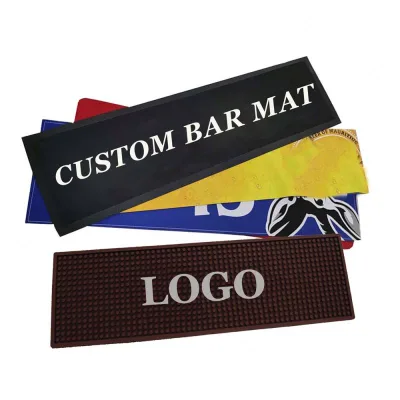
Yes, customization is available for the Eco-Friendly Silicone Bar Mat. Buyers can request custom sizes, unique shapes, and specific logo techniques like 3D embossing or debossing. The product supports OEM services, allowing brands to tailor the mat to their specific aesthetic and functional needs while maintaining the core silicone material quality.
What certifications does the Eco-Friendly Silicone Bar Mat have?
The Eco-Friendly Silicone Bar Mat holds certifications including CE, EU, CIQ, LFGB, and EEC. These standards ensure the product meets international safety and quality requirements for food contact and general use. Buyers can rely on these documented certifications to verify compliance with regulatory standards in their respective markets for sourcing bar accessories.
How is the Eco-Friendly Silicone Bar Mat packaged for shipping?
The Eco-Friendly Silicone Bar Mat is packaged in OPP bags, often combined with white boxes and cartons for bulk shipping. This packaging method protects the product during transit while maintaining its minimalist design. The single package size is approximately 60x8x1 cm, with a gross weight of 0.300 kg, ensuring efficient logistics handling.