Source eco-friendly travel sunglasses case for Outdoor, Beach, Daily
Compare 30 verified options for an eco-friendly travel sunglasses case designed for outdoor adventures, beach trips, and daily protection. Buyers can evaluate materials like EVA and leather, check certifications, and review supplier lead times to find the right fit.
Key considerations
Products List

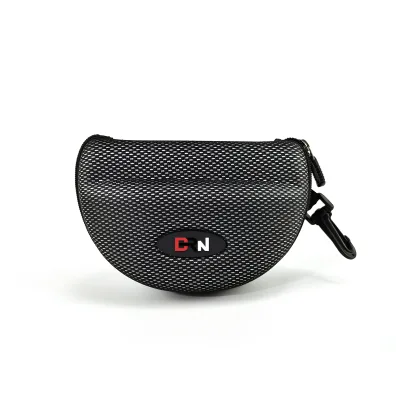
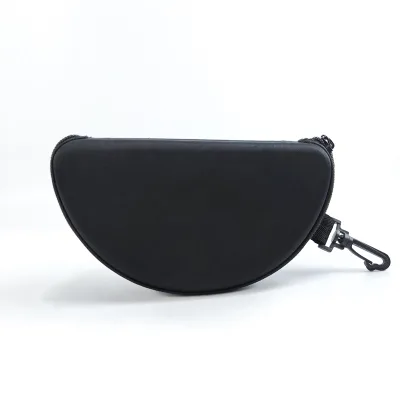
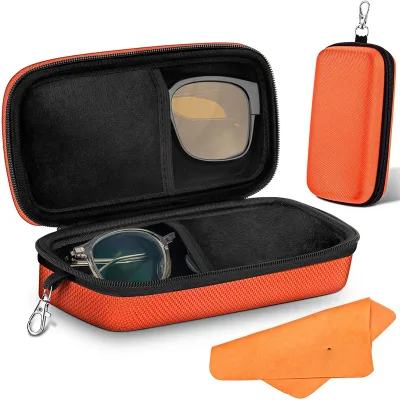
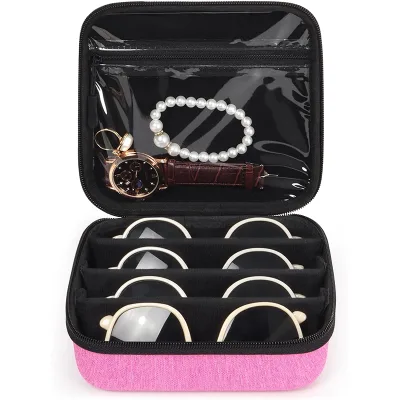
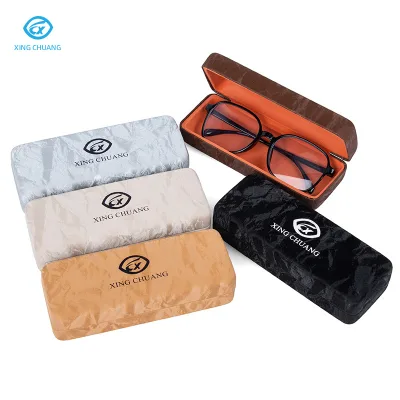
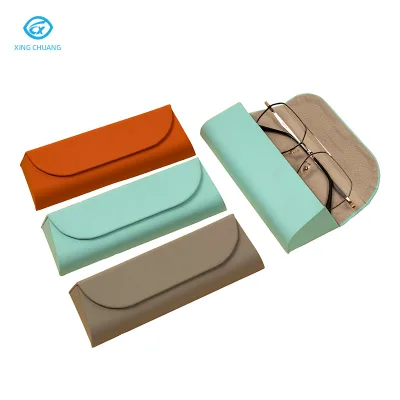
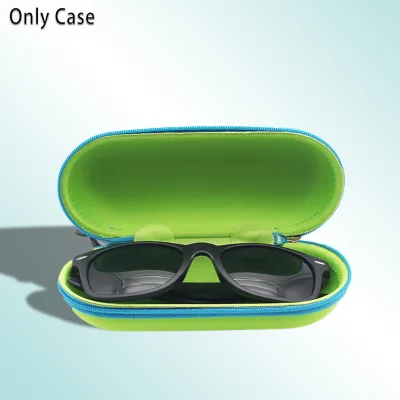
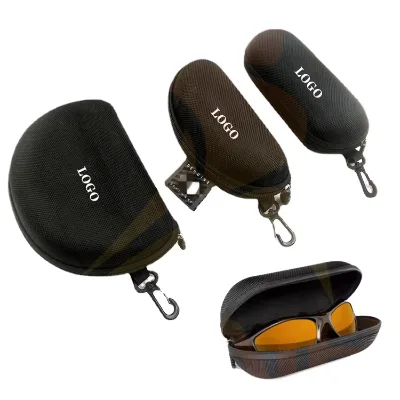


Comprehensive Sourcing Guide
Strategic Sourcing Guide for Eco-Friendly Travel Sunglasses Cases
The global demand for sustainable travel accessories has driven a significant shift in how procurement professionals source eyewear storage solutions. The core keyword "eco-friendly travel sunglasses case" represents a niche where functionality, durability, and environmental responsibility intersect. For B2B buyers, navigating this market requires a disciplined approach to verifying material claims, understanding supply chain logistics, and ensuring that product specifications align with both brand values and practical utility. This guide provides a comprehensive framework for evaluating potential suppliers and products based on verified market data and industry standards, ensuring that procurement decisions are grounded in factual evidence rather than marketing assertions.
Material Composition and Environmental Attributes
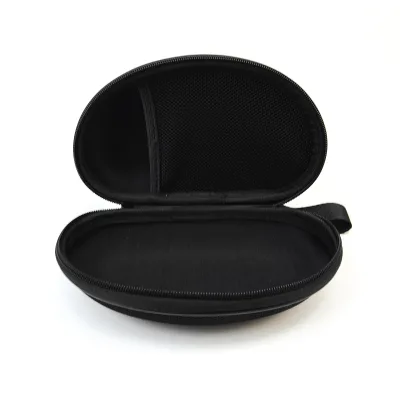
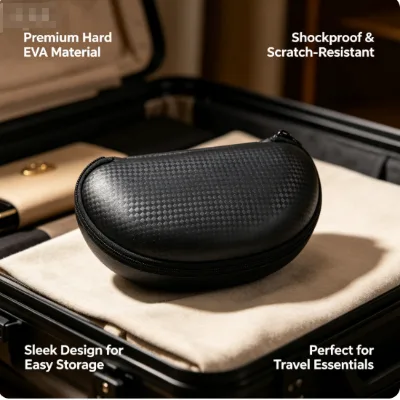
The foundation of any eco-friendly product lies in its material composition. In the current market, suppliers frequently utilize Ethylene-Vinyl Acetate (EVA) as a primary material due to its balance of durability, water resistance, and potential for recyclability. EVA is often chosen for its ability to provide a hard-shell protection that is significantly lighter than traditional leather or rigid plastics. Some product listings indicate a composite construction involving PU (Polyurethane), EVA, and a velvet interior lining. This combination aims to offer a soft-touch exterior while maintaining structural integrity and protecting the lenses from scratches.
When evaluating material claims, buyers must distinguish between "Eco-Friendly" as a general descriptor and specific material certifications. The supply chain data indicates that materials are often sourced to meet standards such as ROHS (Restriction of Hazardous Substances) and REACH (Registration, Evaluation, Authorisation and Restriction of Chemicals). These standards are critical for ensuring that the materials do not contain harmful heavy metals or phthalates, which is a prerequisite for true eco-friendly status in many regulated markets. Furthermore, the texture and hardness of the case are vital; specifications often describe the item as "Soft" or "Hard" depending on the density of the EVA foam. A "Soft" classification may imply a more flexible, shock-absorbent material, whereas a "Hard" designation suggests a rigid shell. Buyers should verify the specific density and foam type to ensure the case meets the required protection level for high-value eyewear during transit.
Technical Specifications and Functional Design
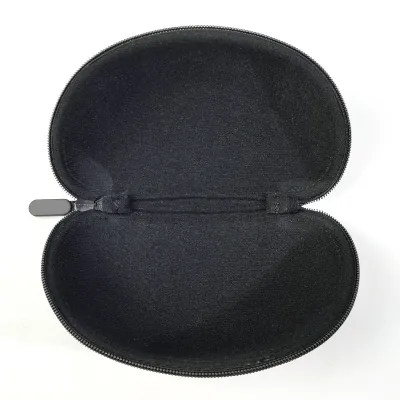
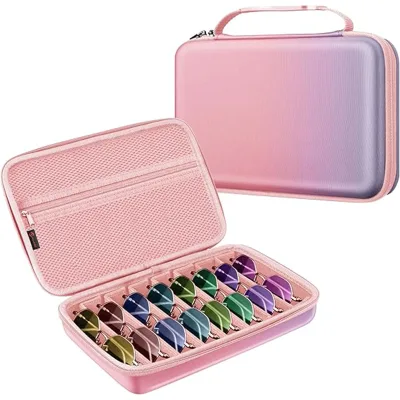
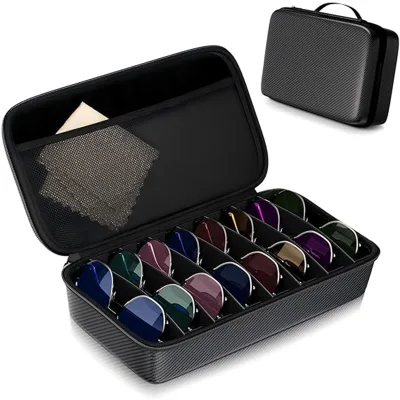
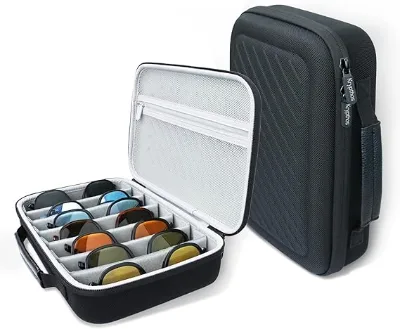
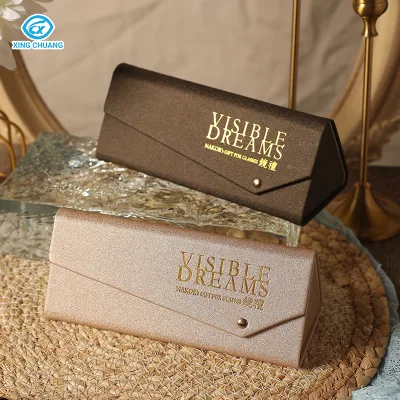
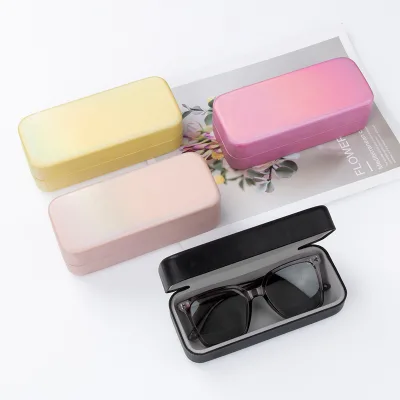
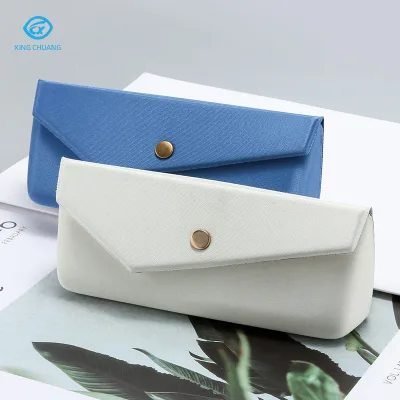
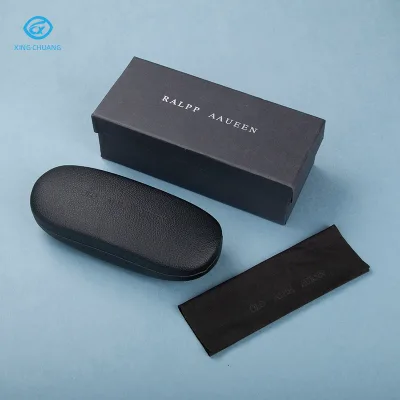
Functional design is paramount for travel accessories. The primary application of these cases is to protect, store, and transport sunglasses in various environments, including outdoor adventures, daily commutes, and beach trips. Technical specifications reveal a standard size range, with many models measuring approximately 15.4 x 15 x 15 cm or 16 x 9.2 x 6 cm. These dimensions are engineered to accommodate standard sunglass frames while maintaining a compact profile for luggage compatibility. The shape is predominantly rectangular, which maximizes internal volume and structural stability.
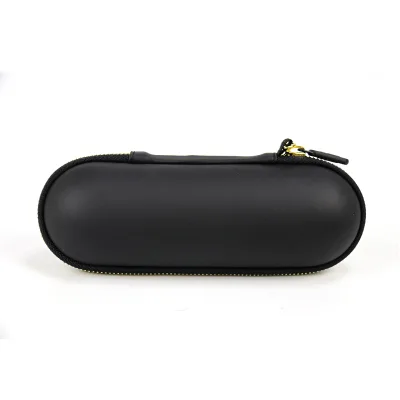
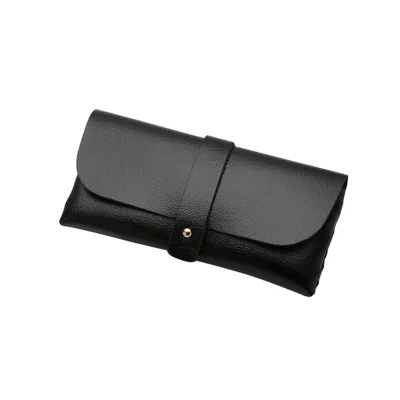
A critical functional feature is the closure mechanism. The market data highlights two primary types: zippers and magnetic closures. Zippers offer a secure, full-enclosure seal that is highly effective against dust and moisture, aligning with the "water-resistant" feature often cited in product attributes. Magnetic closures provide a quick-access solution, which is convenient for daily use but may require a more robust internal locking mechanism to ensure the case does not open accidentally during travel. Additionally, the inclusion of a webbing handle enhances portability, allowing the case to be carried separately or attached to a larger bag. The single gross weight of these units typically ranges from 0.5 kg to nearly 1 kg, a factor that influences shipping costs and the overall user experience. Buyers should prioritize cases that balance weight with the necessary structural rigidity to prevent crushing of the eyewear inside.
Compliance, Certification, and Regulatory Standards
Navigating the regulatory landscape is a non-negotiable aspect of sourcing eco-friendly products. The presence of certifications such as ISO9001, BSCI, ROHS, EPR, and REACH indicates a supplier's commitment to quality management, social compliance, and environmental safety. ISO9001 certification ensures that the manufacturing process adheres to consistent quality standards, reducing the risk of defects. BSCI (Business Social Compliance Initiative) certification is particularly relevant for brands concerned with ethical labor practices, ensuring that the supply chain adheres to fair labor standards.
For the "eco-friendly" claim to hold water, ROHS and REACH compliance are essential. These regulations restrict the use of specific hazardous substances in electrical and electronic equipment, but their principles are often extended to consumer goods to ensure chemical safety. EPR (Extended Producer Responsibility) is another critical standard, particularly in European markets, which requires manufacturers to take responsibility for the entire lifecycle of their products, including disposal and recycling. Buyers must verify that the supplier can provide valid, up-to-date certificates for these standards. It is important to note that while some listings mention FSC (Forest Stewardship Council), this certification is typically associated with wood and paper products; its relevance to EVA or leather-based cases is limited and should be scrutinized carefully to avoid misinterpretation of the supplier's actual environmental credentials.
Cost Drivers and Procurement Economics
Understanding the cost structure of eco-friendly travel cases is essential for budgeting and margin analysis. The observed price range in the market spans from $0.15 to $5.72 per unit, a wide variance that reflects differences in material quality, customization levels, and order volume. The Minimum Order Quantity (MOQ) is a significant cost driver, with typical ranges starting at 50 units and extending up to 1,000 units. Lower MOQs are advantageous for startups or brands testing new designs, but they often come with a higher per-unit cost. Conversely, larger orders typically unlock economies of scale, reducing the unit price significantly.
Customization is another major factor influencing cost. Options such as customized logos (rubber or printed), customized colors, and tailored dimensions (e.g., 12 inches and above) add to the production complexity and expense. The lead time for production also impacts the overall cost of ownership. Sample times generally range from 5 to 10 working days, while full production delivery times can extend from 30 to 45 days. Payment terms, such as a 30% deposit followed by a 70% balance, are standard but should be negotiated based on the order size and supplier relationship. Buyers should calculate the total landed cost, including shipping, duties, and potential tariffs, rather than focusing solely on the factory gate price.
Supplier Evaluation and Operational Capabilities
Selecting the right supplier requires a deep dive into their operational capabilities and geographic location. The supply chain data indicates that production is concentrated in specific regions of China, such as Guangdong and Hebei. Guangdong is known for its advanced manufacturing infrastructure and export readiness, while Hebei may offer different cost structures or material specializations. Buyers should verify the "Place of Origin" for each specific product line, as this can affect shipping logistics and lead times.
Supplier evaluation should also focus on their flexibility regarding OEM (Original Equipment Manufacturer) and ODM (Original Design Manufacturer) services. Most suppliers in this sector warmly welcome customization, allowing brands to create unique products that align with their identity. However, the ability to deliver on these customizations consistently is key. Buyers should assess the supplier's capacity to handle different closure types, material blends, and branding requirements without compromising quality. The "Style" of the product, often described as "Luxury" or "Fashionable," suggests that the supplier has the aesthetic capability to produce high-end designs. Verifying their track record with similar projects and their response to quality issues is crucial for long-term partnership success.
Quality Control and Long-Term Procurement Strategy
Implementing a robust quality control (QC) strategy is vital to ensure that the "eco-friendly" and "durable" claims translate into actual product performance. Given the material variations between EVA, PU, and leather, QC protocols must be tailored to each material type. Inspections should focus on the integrity of the zipper or magnetic closure, the uniformity of the color, and the absence of defects in the velvet lining. The "water-resistant" feature must be validated through practical testing, as marketing claims alone are insufficient for B2B procurement.
Long-term procurement considerations involve building a relationship with suppliers who can scale with your business. The ability to maintain consistent quality over multiple production runs is more important than finding the lowest initial price. Buyers should establish clear specifications for materials, dimensions, and packaging to avoid ambiguity. Regular audits and sample testing before mass production can mitigate risks. Additionally, considering the end-of-life implications of the materials used is part of a sustainable procurement strategy. Ensuring that the supplier has a plan for waste management or recycling of production scraps aligns with the broader goals of eco-friendly sourcing. By focusing on these strategic elements, buyers can secure a supply chain that is not only cost-effective but also resilient and aligned with environmental values.
Comparative Analysis of Product Attributes
To assist in decision-making, the following table summarizes key attributes observed in the market for eco-friendly travel sunglasses cases. This comparison highlights the variance in specifications that buyers must navigate.
| Attribute | Option A (EVA Focus) | Option B (Composite Focus) | Option C (Leather/PU Focus) |
|---|---|---|---|
| Primary Material | EVA | PU + EVA + Velvet | Leather |
| Closure Type | Zipper | Magnetic | Magnetic |
| Dimensions | 15.4 x 15 x 15 cm | 16 x 9.2 x 6 cm | 12 in and Above |
| Weight | ~0.993 kg | ~0.550 kg | ~0.500 kg |
| Certifications | ISO9001, BSCI, ROHS | ISO9001, BSCI, REACH | ISO9001, ROHS |
| Style | Luxury, Fashionable | Fashionable | Fashionable |
| Application | Travel, Outdoor, Daily | Protect, Beach, Travel | Decoration, Daily |
| MOQ | 500 pcs | 500 pcs | 50-1000 pcs |
This table illustrates that while the core function remains consistent, the material and construction choices significantly alter the product's weight, dimensions, and perceived value. Buyers must align these attributes with their specific brand positioning and customer expectations. For instance, a brand targeting rugged outdoor enthusiasts might prefer the heavier, more durable EVA option with a zipper, while a luxury fashion brand might opt for the lighter, magnetic-closure composite or leather variants.
Conclusion
Sourcing eco-friendly travel sunglasses cases requires a meticulous approach that balances technical specifications, regulatory compliance, and cost efficiency. By grounding procurement decisions in verified data regarding materials like EVA and PU, understanding the implications of certifications such as ROHS and ISO9001, and carefully evaluating supplier capabilities, buyers can build a supply chain that delivers high-quality, sustainable products. The market offers a diverse range of options, from compact magnetic cases to robust zippered shells, each with distinct advantages. Success lies in the ability to navigate these variations, ensuring that every unit purchased meets the rigorous standards of both the buyer and the end consumer. As the market continues to evolve, maintaining a focus on transparency and verified claims will remain the cornerstone of effective B2B procurement in this sector.
FAQs
What materials are used for eco-friendly travel sunglasses cases?
Cases typically use EVA, PU, or leather materials to ensure durability and protection. Some models combine PU, EVA, and velvet for a soft-touch exterior while maintaining structural integrity against scratches and impacts during travel.
Which certifications verify the eco-friendly and safety standards of these cases?
Valid certifications include ISO9001, BSCI, ROHS, EPR, and REACH to ensure chemical safety and ethical labor practices. These standards confirm the products meet international regulations for hazardous substances and quality management systems.
How can I customize the logo and color of the sunglasses case?
Suppliers offer customized rubber logos, printed logos, and tailored colors to match brand identity. OEM and ODM services are warmly welcomed, allowing buyers to specify unique dimensions and branding elements for their specific needs.
What is the typical minimum order quantity for sourcing these cases?
The minimum order quantity typically ranges from 50 to 1000 pieces depending on the supplier and customization level. Lower MOQs are available for startups, while larger orders often unlock better economies of scale and pricing.
How long does it take to receive samples and full production orders?
Sample times generally range from 5 to 10 working days, while full production delivery takes 30 to 45 days. Buyers should account for these lead times when planning their inventory and launch schedules.
What closure types are available for waterproof and portable travel cases?
Common closure mechanisms include zippers for secure sealing and magnetic closures for quick access. Zippers provide better water resistance, while magnetic options offer convenience for daily use and outdoor adventures.