Source Eco Friendly Traditional Dinner Plate for Hotels, Weddings, and Parties
Find 30 verified listings for Eco Friendly Traditional Dinner Plate options suitable for hotels, restaurants, and events. Compare ceramic and wood materials, custom designs, and pricing details from Chinese manufacturers.
Key considerations
Products List






Comprehensive Sourcing Guide
Sourcing Guide for Eco-Friendly Traditional Dinner Plates
The global B2B procurement landscape for tableware has shifted significantly toward sustainable and traditional designs that balance aesthetic heritage with environmental responsibility. When sourcing "eco-friendly traditional dinner plates," buyers must navigate a complex matrix of material properties, manufacturing techniques, and certification requirements. The following guide synthesizes observed market data and technical specifications to provide a disciplined framework for evaluating suppliers and products. This analysis focuses on the intersection of ceramic and wood-based dinnerware, highlighting the specific attributes that define a compliant and high-quality procurement strategy.
Material Composition and Technical Specifications
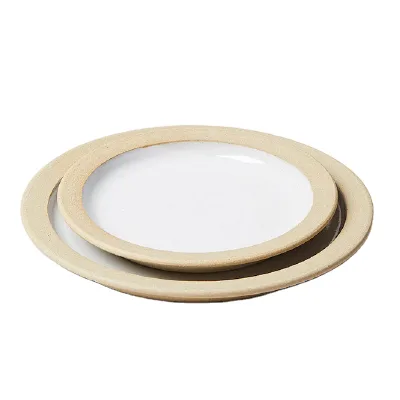
The foundation of any eco-friendly dinner plate lies in its material composition. In the current market, two primary material categories dominate the traditional sector: ceramic/porcelain and wood. Ceramic plates, often described as "Classic Luxury," are characterized by their durability and ability to withstand high-temperature glazing processes. The technical specification for these items often includes a "Grade AB" classification, indicating a standard of quality that balances cost with structural integrity. The manufacturing technique for ceramic plates is frequently "On-glazed," a process where the decorative pattern is applied beneath a protective glass-like layer, ensuring the design remains vibrant and scratch-resistant over time.
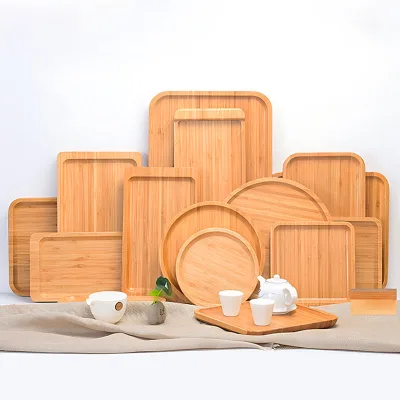
Conversely, wood-based dinnerware offers a distinct traditional aesthetic. These products are typically subjected to a "Polished" technique to achieve a smooth, safe surface for food contact. The material grade for wood items often carries specific management certifications, such as FSC (Forest Stewardship Council), which verifies that the timber is sourced from responsibly managed forests. When evaluating technical specifications, buyers should note the "Single package size" and "Single gross weight" to calculate logistics costs accurately. For instance, ceramic plates in a "Brown Box" packaging often measure 30x20x20 cm with a gross weight of 1.000 kg, while wood items may vary significantly based on the density of the timber and the thickness of the board.
The shape and pattern of the plate are equally critical. While traditional dinnerware often favors "Round" patterns, the market also supports "Rectangle" shapes for modern traditional aesthetics. The diameter range for these plates is extensive, spanning from 7 inches to 18 inches, allowing for customization based on specific serving needs. The "Plate type" is generally categorized as "Dishes & Plates," and the "Dinnerware Type" confirms their utility in standard dining settings. Buyers must verify if the product is "Disposable" or "Non-Disposable," as the term "Eco-Friendly" in the context of disposable items often refers to biodegradability, whereas for reusable items, it refers to durability and sustainable sourcing.
Compliance, Certification, and Regulatory Standards
Compliance is a non-negotiable aspect of sourcing dinnerware, particularly when the product claims to be eco-friendly. The supply chain for traditional dinnerware often requires verification of both product safety and environmental management. For ceramic and porcelain items, food safety is paramount. Buyers should look for "FDA" certification, which indicates that the materials used are safe for food contact and do not leach harmful substances. This is particularly relevant for glazed ceramics where the glaze composition determines the safety profile of the finished product.
For wood-based products, the environmental narrative is supported by specific management certifications. The "BSCI" (Business Social Compliance Initiative) and "FSC" (Forest Stewardship Council) are critical indicators of ethical sourcing. The FSC certification ensures that the wood is harvested sustainably, preventing deforestation and protecting biodiversity. Additionally, the "Product Certification" for wood items often reiterates the FSC status, providing a clear audit trail for the raw materials. When evaluating suppliers, buyers must request valid certificates and verify their authenticity, as the term "Eco-Friendly" is often used loosely without backing documentation.
The "Customized" nature of these products introduces additional compliance layers. If a buyer requests a specific design, color, or logo, the supplier must ensure that the inks, dyes, or adhesives used in the customization process also meet food safety and environmental standards. The "Pattern type" being "Custom Products" or "Custom" implies a bespoke manufacturing process, which requires rigorous quality control to maintain consistency and compliance across batches. Buyers should verify that the customization does not compromise the structural integrity or safety of the plate, especially when dealing with "On-glazed" techniques where the firing temperature must be precisely controlled to avoid cracking or chemical instability.
Cost Drivers and Pricing Structures
Understanding the cost drivers for eco-friendly traditional dinner plates is essential for budgeting and negotiation. The price range in the market is broad, observed between $0.02 and $30.00 USD per unit, reflecting the vast difference between mass-produced disposable items and high-end, hand-finished ceramic or wood pieces. Several factors influence this pricing structure. The "Material" is a primary driver; ceramic and porcelain generally command higher prices due to the energy-intensive firing process and the cost of raw clay and glazes. Wood products may vary based on the species of timber and the complexity of the polishing process.
The "MOQ" (Minimum Order Quantity) is another significant cost factor. The observed MOQ range spans from 1 to 100,000 units. For buyers seeking small batches or custom designs, a lower MOQ is advantageous, though the unit price will likely be higher due to setup costs. Conversely, large volume orders can leverage economies of scale to reduce the per-unit cost. The "Packing" method also impacts the final price. Standard "Brown Box" packaging is cost-effective, but custom packaging with specific branding or eco-friendly materials will increase the unit cost.
Payment terms and logistics are additional cost considerations. The standard payment methods observed include "Paypal," "Western Union," and "100% TT" (Telegraphic Transfer). Buyers should negotiate terms that align with their cash flow, as 100% upfront payment can be a risk for new suppliers. Furthermore, the "Single package size" and "Single gross weight" directly affect shipping costs. A heavier or bulkier package, such as a 1.000 kg ceramic plate in a 30x20x20 cm box, will incur higher freight charges compared to lighter, more compact items. Buyers must calculate the total landed cost, including duties and taxes, to ensure the final price remains within their procurement budget.
Typical Applications and Usage Scenarios
The versatility of eco-friendly traditional dinner plates makes them suitable for a wide array of applications. The "Suitable for" category explicitly lists "Hotel" and "Restaurant" as primary use cases, indicating that these products are designed for commercial durability and aesthetic appeal. In the hospitality sector, the "Design" attributes of "Modern," "Elegant," and "Western" styles are highly valued for creating a sophisticated dining atmosphere. The "Occasion" data reveals a broad spectrum of use cases, including "Wedding," "Party," "Business gifts," "Giveaways," and "Back to school."
For event planners and rental companies, the "Usage" field highlights applications such as "Container," "Decoration," "Food," "Cooking," "Home," "Dinner," "Camping," and "Food package." This versatility suggests that the plates are not limited to indoor dining but can also serve outdoor or temporary event needs. The "Holiday" list, which includes "Christmas," "Thanksgiving," "Easter," and "Chinese New Year," further emphasizes the product's role in seasonal and cultural celebrations. The "Feature" of being "Stocked" indicates that suppliers often maintain inventory for immediate shipment, which is crucial for time-sensitive events like weddings or festivals.
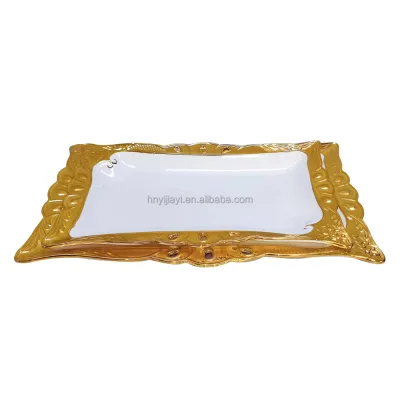
The "Color" options, ranging from "Colorful" and "Brown" to specific "Golden plate" designs, allow buyers to match the plates to specific themes or branding requirements. The "Shape" and "Pattern" also play a role in application; for instance, "Round" plates are traditional for formal dining, while "Rectangle" shapes might be preferred for modern, casual settings. Buyers should align the product attributes with their specific application needs, ensuring that the material and design are appropriate for the intended environment, whether it is a high-end hotel, a casual camping trip, or a corporate gift.
Supplier Evaluation and Quality Control
Evaluating suppliers for eco-friendly traditional dinnerware requires a multi-faceted approach. The "Brand Name" field shows a mix of established names like "JW," "JC dinnerware," and "MT," as well as generic or unbranded options. Buyers should prioritize suppliers with a clear brand identity and a track record of quality. The "Customized" attribute, which includes options for "Design," "color," "logo," "size," and "package," indicates that the supplier has the capacity for bespoke manufacturing. However, this flexibility must be balanced with strict quality control measures.
Quality control should focus on the "Technique" and "Material" consistency. For ceramic plates, the "On-glazed" technique must be uniform, with no chips, cracks, or uneven glazing. The "Grade AB" classification should be verified through physical inspection or third-party testing. For wood products, the "Polished" finish should be smooth, with no splinters or rough edges. The "Management Certification" and "Product Certification" should be current and valid, providing assurance of the supplier's commitment to ethical and environmental standards.
Buyers should also assess the supplier's ability to handle "Small Orders" and "Customized" requests. The "Small Orders: Accepted" attribute suggests flexibility for smaller buyers, but the lead time and minimum order requirements must be clearly defined. The "Selling Units" being "Single item" indicates that the supplier can handle individual orders, which is useful for sampling or small-scale procurement. However, for larger orders, the supplier must demonstrate the capacity to maintain quality and consistency across high volumes.
Long-Term Procurement Considerations
Sourcing eco-friendly traditional dinner plates is not just a one-time transaction but a long-term partnership that requires strategic planning. The "Feature" of being "Eco-Friendly" and "Stocked" suggests that the product has a sustainable lifecycle, but buyers must consider the long-term implications of their procurement decisions. The "Customized" nature of the product means that once a design is established, it can become a signature element of the buyer's brand or event identity. This requires a stable supply chain to ensure consistent availability and quality over time.
Buyers should also consider the "Packing" and "Shipping" logistics for long-term storage and distribution. The "Single package size" and "Single gross weight" are critical for warehouse planning and inventory management. Efficient packaging can reduce waste and lower shipping costs, aligning with the eco-friendly ethos of the product. Additionally, the "Payment Term" flexibility, such as "100% TT" or "Paypal," can impact cash flow management. Buyers should negotiate terms that support their financial stability while ensuring the supplier has the resources to maintain production quality.
Finally, the "Usage" and "Occasion" data suggest that the product has a broad market appeal. Buyers should monitor market trends and consumer preferences to ensure their procurement strategy remains relevant. The "Holiday" and "Occasion" lists indicate that demand may fluctuate seasonally, requiring suppliers to have the capacity to ramp up production during peak periods. By focusing on long-term relationships with reliable suppliers, buyers can ensure a steady supply of high-quality, eco-friendly traditional dinner plates that meet their evolving needs.
FAQs
What materials are used for eco friendly traditional dinner plates?
These plates are primarily made from ceramic, porcelain, and wood. Ceramic options often feature an on-glazed technique for durability, while wood items are polished and may carry FSC certification to ensure sustainable sourcing from responsibly managed forests.
Which certifications verify the eco-friendly status of these plates?
Wood-based plates often hold FSC and BSCI management certifications to prove ethical timber sourcing. Ceramic items may display FDA certification to confirm food safety, ensuring the materials do not leach harmful substances during use in hotels or restaurants.
How can buyers customize the design and size of these plates?
Suppliers offer customization for design, color, logo, size, and packaging. The available diameter ranges from 7 to 18 inches, and patterns can be tailored to specific needs, allowing for bespoke orders that match unique branding or event themes.
What is the typical price range for ordering these dinner plates?
The observed market price ranges from 0.02 to 30 USD per unit. This variation depends on material quality, such as Grade AB ceramic versus polished wood, and order volume, with higher unit costs for smaller minimum order quantities.
Can suppliers accept small orders for custom designs?
Yes, small orders are accepted by many suppliers, with minimum order quantities starting as low as one unit. This flexibility allows buyers to sample products or fulfill immediate needs without committing to large volume purchases immediately.
Where are these eco friendly traditional dinner plates manufactured?
The products originate from Hunan, China. This location is a known hub for ceramic and wood tableware production, offering a mix of established brands and generic manufacturers capable of handling both standard and customized production runs.