Source Eco-Friendly Unbreakable Dinner Plates for Restaurant Home Outdoors
Compare 30 listings of eco-friendly unbreakable dinner plates featuring disposable and reusable options with certifications like FDA and CE. Buyers can evaluate sizes, materials including bamboo and ceramic, and customization availability for restaurant, home, and outdoor party use.
Key considerations
Products List

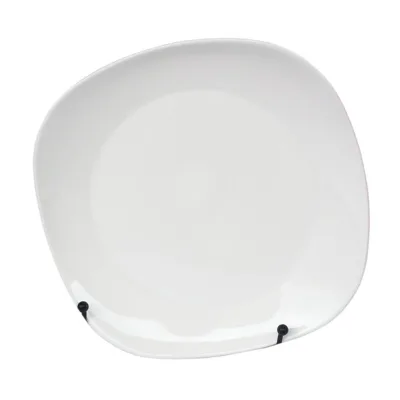
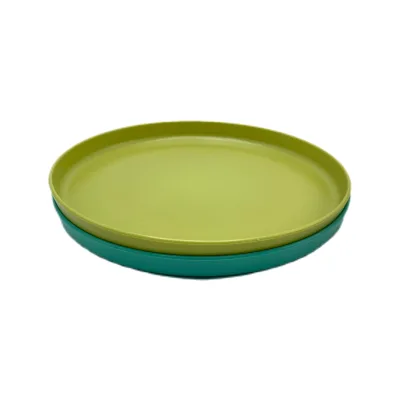
Unbreakable Plastic Reusable Dinnerware Dinner Plates Salad Plates Microwave Plastic
$0.85 - $0.87
MOQ: 1100 Pieces


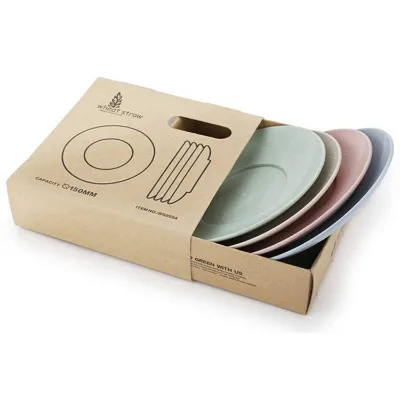
10 Inch 100% Compostable Premium Quality Disposable Dinner Round Plate
$0.06 - $0.07
MOQ: 20000 Pieces


Comprehensive Sourcing Guide
Strategic Sourcing Guide for Eco-Friendly Unbreakable Dinner Plates
Understanding the Product Category and Material Landscape
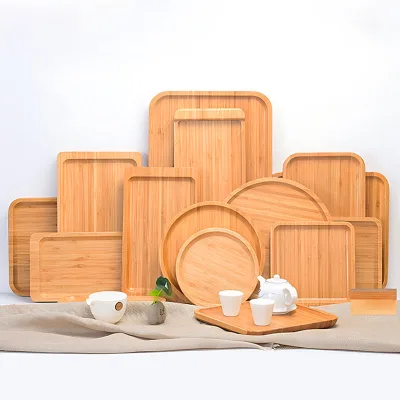
Sourcing eco-friendly unbreakable dinner plates requires a precise understanding of the materials that define this category. The term "unbreakable" in a B2B context typically refers to materials that offer high impact resistance compared to traditional ceramic or glass, ensuring durability in high-volume environments like restaurants, outdoor events, and catering services. Based on available market data, the primary materials identified for these products include bamboo, wood, and composite materials designed to mimic the aesthetic of traditional dinnerware while offering superior resilience.
Buyers must distinguish between "disposable" and "reusable" variants within this category. While many eco-friendly plates are marketed as single-use solutions for events, a significant segment of the market offers durable, multipurpose options suitable for repeated use. The observed product attributes indicate that materials such as bamboo and wood are prominent, often combined with other sustainable composites. These materials are selected not only for their unbreakable nature but also for their environmental profile, which aligns with the "Eco-Friendly" feature consistently observed in product listings.
The design philosophy for these plates often leans towards simplicity and functionality. The "Simple" style observed in product specifications suggests a focus on utility, which is critical for commercial buyers who prioritize stackability and ease of cleaning. Furthermore, the "Round" shape is a standard configuration, though custom shapes may be available through OEM services. When evaluating potential suppliers, procurement teams should verify the specific material composition to ensure it meets the "unbreakable" requirement without compromising the eco-friendly claim. It is essential to confirm whether the product is truly biodegradable or simply made from recycled materials, as this distinction impacts the end-of-life disposal strategy for the buyer.
Technical Specifications and Design Variations
Technical specifications form the backbone of any procurement decision, dictating how the product will perform in its intended environment. The observed data reveals a wide range of dimensions, from compact 6-inch options to larger 14-inch serving plates. Specific standard dimensions noted include 10 inches, 12 inches, and 14 inches, catering to various dining needs from appetizers to main courses. Additionally, some specifications highlight precise metric measurements, such as 30x30cm or 22.9x22.9x3.4cm, indicating that square or rectangular formats are also available alongside the traditional round designs.
Weight is a critical factor for logistics and handling. The product data shows a significant variance in weight, ranging from lightweight options at 8.5 grams to heavier units at 22 grams, with some listings noting a weight of 0.1 kg. This variation suggests that buyers must align the product weight with their specific operational needs. For instance, a lightweight plate might be preferred for large outdoor parties to reduce shipping costs and ease of handling, whereas a slightly heavier plate might be necessary for a high-end restaurant setting to convey a sense of quality and sturdiness.
The "Special Design" attributes often cited include "Durable," "Multipurpose," and "BPA-Free." These features are non-negotiable for health-conscious markets. The BPA-free claim is particularly important for food contact surfaces, ensuring that no harmful chemicals leach into food, especially when heated. The "Multipurpose" designation implies versatility, allowing the plates to be used for hot, cold, dry, and wet foods. Buyers should verify the temperature tolerance of the specific material, as bamboo and wood products may have different heat resistance limits compared to synthetic eco-composites.
Packaging standards also vary significantly. Some products are packed individually in polybags, while others come in cartons with 50 pieces per pack or 1000 pieces per carton. The choice of packaging affects the unit cost and the efficiency of storage and transport. A "Standard Export Carton" is common for international shipments, ensuring protection during transit. Buyers should request detailed packing diagrams to calculate the volume and weight per container, which directly influences freight costs and inventory management.
Compliance, Certification, and Regulatory Standards
Navigating the regulatory landscape is paramount when sourcing eco-friendly dinnerware, as compliance varies by destination market. The observed product data highlights a robust array of certifications, including FDA, LFGB, CE/EU, CIQ, and EEC. These certifications are not merely marketing labels but are essential for legal market access. The FDA certification is critical for the United States market, ensuring the product is safe for food contact. Similarly, LFGB (German Food and Feed Code) and CE/EU marks are mandatory for entry into the European Union, indicating compliance with strict European safety and environmental standards.
The presence of "Disney" certification in some listings suggests that certain suppliers may have additional licensing for character-themed products, which is a niche but valuable attribute for specific retail segments. However, buyers must verify the validity of such certifications with the issuing bodies, as the supply chain for licensed goods is tightly controlled. The CIQ (China Inspection and Quarantine) mark is relevant for products originating from China, confirming that the goods have passed the necessary export inspections.
It is important to note that while "ASTM D6400" is a recognized standard for compostability, it appears in background data without specific product confirmation. Buyers should not assume a product meets this standard unless explicitly verified by the supplier's test reports. Instead, procurement teams should request third-party test results that confirm the product's biodegradability or compostability claims. The "Eco-Friendly" attribute is a broad claim; buyers must demand specific documentation regarding the material's lifecycle, including whether it is made from renewable resources or recycled content.
For the European market, the CE marking indicates conformity with health, safety, and environmental protection standards. The "EEC" reference in the data further reinforces the need for compliance with European Economic Community regulations. Buyers should ensure that the supplier provides a Declaration of Conformity (DoC) for each batch, which serves as legal proof of compliance. Without these documents, the risk of customs delays or product recalls increases significantly.
Cost Drivers and Pricing Dynamics
The pricing of eco-friendly unbreakable dinner plates is influenced by several interconnected factors, including material costs, certification expenses, and order volume. The observed price range in the market spans from $0 to $30 USD, a wide variance that reflects differences in material quality, brand positioning, and order quantity. Low-end prices often correspond to basic disposable variants with minimal packaging, while higher prices may indicate premium materials, complex designs, or comprehensive certification packages.
Minimum Order Quantity (MOQ) is a primary driver of unit cost. The data indicates an MOQ range from 50,000 pieces to 100,000 pieces for certain models, while other listings suggest lower thresholds. High MOQs typically result in lower per-unit costs due to economies of scale in production and shipping. However, for buyers with smaller initial orders, the unit price will be significantly higher. Buyers must balance their inventory needs with cash flow constraints, potentially negotiating tiered pricing structures where the unit cost decreases as the order volume increases.
Material composition is another critical cost factor. Bamboo and wood products may command a premium over standard plastic alternatives due to the processing required to make them durable and water-resistant. The "BPA-Free" and "Eco-Friendly" attributes often require more rigorous manufacturing processes, which can increase production costs. Additionally, the cost of obtaining and maintaining certifications like FDA, LFGB, and CE adds to the overall price. Suppliers who invest in these certifications often pass these costs to the buyer, but this investment ensures long-term market stability and reduces regulatory risk.
Packaging costs also play a role in the final price. Customized packaging, such as branded boxes or specific polybag configurations, adds to the expense. The "Customization" attribute observed in the data allows for logo printing and design modifications, which are typically priced as an additional service. Buyers should clarify whether the quoted price includes custom branding or if it is an extra charge. Understanding these cost drivers enables buyers to make informed decisions that align with their budget and strategic goals.
Typical Applications and Market Segmentation
The versatility of eco-friendly unbreakable dinner plates makes them suitable for a diverse range of applications. The observed "Recommended Uses" include restaurants, homes, outdoor events, and parties. This broad applicability suggests that these products can serve both commercial and residential markets, offering a sustainable alternative to traditional disposable or fragile dinnerware.
In the restaurant sector, the "Durable" and "Multipurpose" attributes are highly valued. Establishments that serve high volumes of customers benefit from plates that can withstand frequent handling and washing without breaking. The "Simple" style and "Round" shape are practical for stacking and storage, optimizing kitchen space. For outdoor events and parties, the "Unbreakable" nature of the plates is a significant advantage, reducing the risk of accidents and cleanup costs associated with broken glass or ceramic. The lightweight nature of some variants, such as those weighing 8.5 grams, makes them ideal for large gatherings where ease of transport is essential.
The "Home" application indicates that these plates are also marketed for everyday use by consumers seeking sustainable options. The "Eco-Friendly" and "BPA-Free" features appeal to health-conscious households. Additionally, the "Customized" option allows for branding, making these plates suitable for corporate events, weddings, and promotional campaigns. The ability to accept logos and custom designs enhances their utility for businesses looking to reinforce their brand identity.
Supplier Evaluation and Quality Control Protocols
Evaluating suppliers for eco-friendly dinnerware requires a rigorous approach to ensure product quality and reliability. Buyers should prioritize suppliers who demonstrate transparency in their manufacturing processes and provide clear documentation of their certifications. The presence of multiple certifications, such as FDA, LFGB, and CE, is a positive indicator, but buyers must verify the authenticity of these claims through official channels or third-party audits.
Quality control (QC) protocols should be a central part of the supplier evaluation. Buyers should inquire about the supplier's internal QC measures, including in-process inspections and final random sampling. The "Durable" and "BPA-Free" claims should be backed by specific test results, such as drop tests and chemical migration tests. Requesting a sample batch before placing a large order is a standard practice to verify the physical attributes, such as weight, dimensions, and finish.
The "Customization" capability of the supplier is another key evaluation criterion. Buyers should assess the supplier's ability to meet specific design requirements, such as custom logos, sizes, and packaging. The "OEM" (Original Equipment Manufacturer) status indicates that the supplier is equipped to handle custom orders. However, buyers must ensure that the customization process does not compromise the product's structural integrity or eco-friendly properties.
Communication and responsiveness are also critical factors. A reliable supplier should be able to provide timely updates on production status, shipping schedules, and any potential issues. The "Standard Export Carton" and "Inner Box + Master Box" packaging options suggest that the supplier has experience with international logistics, which is essential for smooth delivery.
Long-Term Procurement Considerations and Sustainability
Long-term procurement of eco-friendly dinnerware involves more than just securing a reliable supply chain; it requires a commitment to sustainability and continuous improvement. Buyers should consider the lifecycle of the product, from raw material sourcing to end-of-life disposal. The "Eco-Friendly" attribute should be supported by verifiable data on the material's origin and biodegradability. Buyers should ask suppliers about their sourcing policies, ensuring that the bamboo or wood used is harvested sustainably.
Scalability is another important consideration. As the buyer's business grows, the supplier must be able to scale production to meet increasing demand without compromising quality. The observed MOQ ranges suggest that some suppliers are geared towards large-scale production, which may not be suitable for startups or small businesses. Buyers should look for suppliers who offer flexible MOQ options or who can accommodate phased ordering strategies.
Finally, buyers should stay informed about evolving regulations and market trends in the eco-friendly sector. The demand for sustainable products is growing, and new standards may emerge that affect the procurement process. Maintaining a relationship with a supplier who is proactive about compliance and innovation can provide a competitive advantage. By focusing on these long-term considerations, buyers can build a resilient supply chain that supports both their business goals and environmental responsibilities.
FAQs
What certifications do eco-friendly unbreakable dinner plates typically have?
These plates commonly hold FDA, LFGB, CE/EU, and CIQ certifications. Buyers should verify specific documents like Declarations of Conformity to ensure legal market access in regions like the United States and European Union.
Which materials are used for unbreakable eco-friendly dinner plates?
Primary materials include bamboo, wood, and composite options designed for durability. These materials offer high impact resistance compared to ceramic while maintaining an eco-friendly profile suitable for various dining environments.
Can buyers request custom designs and logos on these plates?
Yes, customization is available for logos and specific design requirements. Suppliers often offer OEM services to adapt shapes, sizes, and branding to meet the unique needs of restaurants, events, or promotional campaigns.
What are the standard sizes and dimensions for these dinner plates?
Standard sizes range from 6 inches to 14 inches, with specific models measuring 10 inches or 30x30cm. Dimensions vary by model, catering to appetizers, main courses, or serving needs in both round and square formats.
How does the Minimum Order Quantity affect the unit price?
MOQs typically range from 50,000 to 100,000 pieces, significantly lowering the per-unit cost through economies of scale. Smaller initial orders may result in higher prices, so buyers should negotiate tiered pricing structures.
Are these plates suitable for both disposable and reusable applications?
The market offers both disposable and durable, multipurpose variants suitable for repeated use. Buyers must verify the specific product attributes to ensure the item meets their intended use case for restaurants or home settings.