Source Eco Friendly Vintage Tote Bag for daily use, shopping, and events
Compare 30 Eco Friendly Vintage Tote Bag options from verified Chinese manufacturers. Buyers can review canvas and leather materials, sizes, and customization features for daily use, shopping, and promotional events; compare the available evidence and request quotations based on your requirements.
Updated
Key considerations
Products List






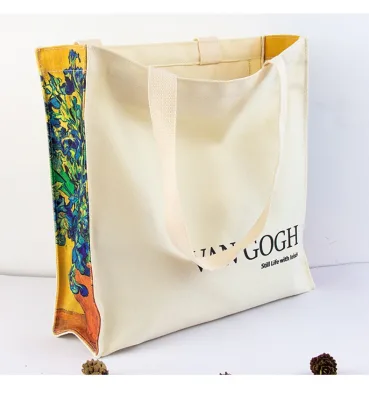
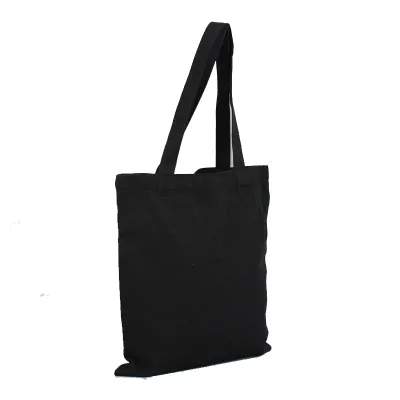
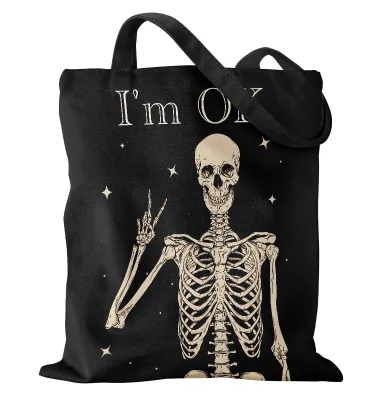


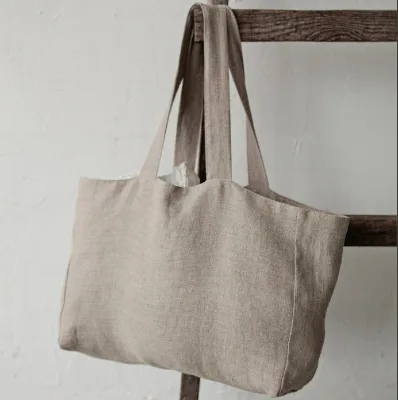


Comprehensive Sourcing Guide
Eco Friendly Vintage Tote Bag Sourcing Guide
Sourcing eco-friendly vintage-style tote bags requires a nuanced understanding of material authenticity and aesthetic consistency. Buyers must distinguish between genuine recycled materials and marketing terms that merely suggest sustainability. The market offers a wide array of options, from canvas to leather alternatives, each with distinct environmental footprints. Understanding the specific composition of the bag is the first step in ensuring that the procurement aligns with corporate sustainability goals. This guide provides a structured approach to evaluating suppliers and products based on observable listing signals and technical realities.
The vintage aesthetic often implies durability and timeless design, which can reduce long-term waste. However, this style must be balanced with modern manufacturing standards to ensure product longevity. Buyers should focus on suppliers who transparently disclose their material sources and production methods. By prioritizing vendors who offer clear evidence of their eco-friendly practices, procurement teams can mitigate the risk of greenwashing. This section outlines the key signals present in current market listings to help buyers identify viable candidates for sustainable sourcing initiatives.
Product Scope and Observed Listing Signals
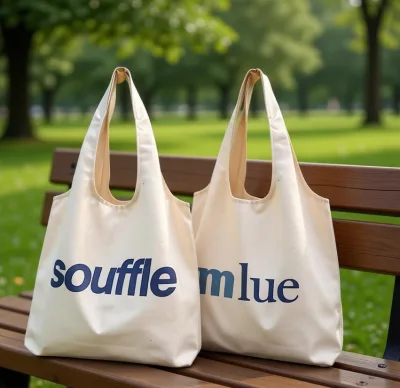
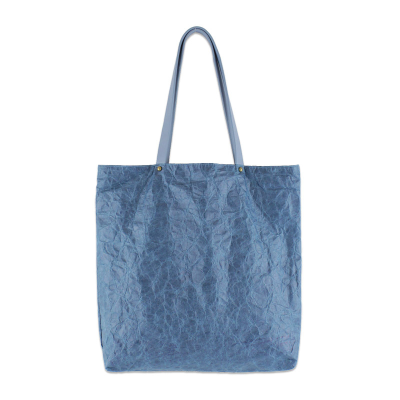
Current market listings reveal a diverse range of tote bags that blend vintage aesthetics with functional design. Products are frequently described with attributes such as "solid" patterns and "crocodile grain" textures, indicating a focus on visual appeal alongside utility. The observed product names often include generic terms like "Tote Bag" or specific model identifiers, suggesting a mix of standard and customized offerings. Buyers should note that while many items are labeled as canvas, others may feature leather or nylon interiors, which significantly impacts the overall environmental profile and cost structure of the final product.
Color options vary widely, with white and black being common staples, alongside more vibrant choices like candy colors. The closure types observed include shoulder straps and handled designs, catering to different user preferences for convenience and style. Many listings highlight customization availability, allowing brands to imprint logos or specific designs to match their vintage theme. This flexibility is crucial for companies looking to create unique merchandise that stands out. However, buyers must verify that the customization process itself does not compromise the eco-friendly claims made by the supplier.
Technical Specifications to Verify
Technical verification begins with confirming the material composition, as this is the primary determinant of the bag's environmental impact. Listings often specify materials such as canvas, leather, or nylon, but buyers must request detailed breakdowns of these components. For instance, while canvas is generally perceived as eco-friendly, the source of the cotton and the dyes used can vary significantly. Similarly, leather alternatives may be made from synthetic materials that are less sustainable than natural fibers. Verifying the inside material, whether polyester or nylon, is equally important for a complete assessment of the product's lifecycle.
Size specifications also play a critical role in functionality and material efficiency. Observed sizes range from compact dimensions like 21168 cm to larger formats such as 322612 cm. Buyers should select sizes that align with their intended use case to avoid excess material usage. Additionally, hardness levels, described as soft or medium soft, affect the bag's durability and user experience. It is essential to confirm that the chosen specifications meet the practical needs of the end-user while maintaining the desired vintage aesthetic. This ensures that the product is not only visually appealing but also functional and long-lasting.
Compliance and Safety Documentation
Compliance with international standards is non-negotiable for eco-friendly products, even when the aesthetic is vintage. Buyers must ensure that suppliers provide documentation verifying that materials meet relevant safety and environmental regulations. This includes checking for certifications related to organic cotton, recycled content, or chemical restrictions such as REACH or CPSIA, depending on the target market. While specific certification statuses are not always listed in initial inquiries, buyers should explicitly request proof of compliance before placing orders. This due diligence helps prevent legal issues and protects the brand's reputation for sustainability.
Furthermore, safety documentation should cover the manufacturing process itself, including waste management and energy usage. Suppliers who adhere to strict environmental standards often have third-party audits or internal reports that can be shared upon request. Buyers should also verify that the production facilities comply with labor standards, as ethical sourcing is an integral part of the eco-friendly narrative. By demanding comprehensive compliance documentation, procurement teams can ensure that their vintage tote bags are not only stylish but also responsibly produced. This holistic approach to compliance builds trust with consumers who value ethical consumption.
Cost Drivers and Commercial Terms
Cost drivers for eco-friendly vintage tote bags are influenced by material quality, customization complexity, and order volume. Listings indicate a wide price range, reflecting the diversity in materials and production methods. Buyers should be aware that higher-quality sustainable materials often come at a premium, but this can be offset by longer product lifespans. Additionally, customization options such as logo printing or unique stitching can increase costs. Understanding these variables allows buyers to budget accurately and negotiate effectively with suppliers. It is crucial to balance cost with quality to ensure that the final product meets sustainability goals without breaking the budget.
Commercial terms, including minimum order quantities (MOQ) and payment terms, vary significantly among suppliers. Observed MOQs range from small batches to large volumes, catering to different business sizes. Buyers should select suppliers whose MOQ aligns with their inventory needs to avoid excess stock. Lead times and shipping methods, such as sea freight, also impact the overall cost and delivery schedule. Negotiating favorable terms can improve cash flow and reduce logistical challenges. By carefully evaluating these commercial aspects, buyers can secure a reliable supply chain that supports their procurement objectives.
Supplier Qualification and Quality Control
Supplier qualification is a critical step in ensuring the reliability of eco-friendly vintage tote bag sourcing. Buyers should assess suppliers based on their production capacity, quality control processes, and commitment to sustainability. Visiting factories or requesting virtual tours can provide insights into the manufacturing environment and practices. Suppliers who are transparent about their processes are more likely to deliver consistent quality. Additionally, checking for past client references or case studies can help verify the supplier's track record. This thorough evaluation helps mitigate risks and ensures that the chosen partner aligns with the buyer's values and requirements.
Quality control measures should be established before production begins to prevent defects and ensure consistency. Buyers should define clear quality standards and inspection criteria, including checks for material integrity, stitching quality, and overall aesthetics. Implementing a pre-production sample approval process is essential to catch any issues early. Regular audits during production can also help maintain quality standards. By investing in robust quality control, buyers can reduce the risk of returns and customer dissatisfaction. This proactive approach ensures that the vintage tote bags meet the highest standards of quality and sustainability.
Long-Term Procurement Checks
Long-term procurement checks involve continuous monitoring of supplier performance and market trends. Buyers should regularly review supplier metrics, such as on-time delivery rates and defect percentages, to ensure ongoing reliability. Establishing a feedback loop with suppliers can help identify areas for improvement and foster a collaborative relationship. Additionally, staying informed about emerging sustainable materials and technologies can provide opportunities for innovation. By continuously evaluating the supply chain, buyers can adapt to changes and maintain a competitive edge. This dynamic approach ensures that the procurement strategy remains effective and aligned with evolving sustainability goals.
Market trends in the vintage tote bag sector are shifting towards greater transparency and circularity. Buyers should explore options for recycling programs or take-back schemes to enhance the product's lifecycle. Engaging with suppliers who are committed to innovation can lead to new product developments that resonate with eco-conscious consumers. Regularly updating procurement criteria to reflect these trends ensures that the brand remains relevant and responsible. By focusing on long-term relationships and sustainable practices, buyers can build a resilient supply chain that supports both business growth and environmental stewardship.
FAQs
What materials are used for these tote bags?
The tote bags are primarily made from canvas, with some variants featuring leather exteriors and nylon or polyester linings. These materials provide a durable structure suitable for daily use. The canvas construction ensures the bags are sturdy, while the lining options offer additional protection for personal items during transport.
Can I customize the design of the tote bags?
Yes, customization is available for these tote bags. Buyers can request specific designs, including solid patterns or unique fashion elements like crocodile grain or stitching. The OEM service allows for tailored branding and specifications, ensuring the final product meets specific aesthetic or functional requirements for your target audience.
What is the minimum order quantity for these bags?
The minimum order quantity varies by supplier, typically ranging from 50 to 5000 pieces. Some specific models may require a higher MOQ, such as 500 or 10000 pieces. Buyers should verify the exact MOQ with the supplier to ensure it aligns with their inventory needs and budget constraints.
Are these tote bags waterproof?
Yes, the tote bags are described as waterproof. This feature makes them suitable for daily use in various weather conditions. The waterproof material ensures that contents remain dry, adding practical value for consumers who need reliable bags for commuting, shopping, or outdoor activities without worrying about rain damage.
Where are these tote bags manufactured?
These tote bags are manufactured in China, with specific origins noted in Shanghai and Fujian. The production location ensures access to established supply chains and manufacturing expertise. Buyers can expect consistent quality and efficient logistics from these regions, which are known for their textile and bag production capabilities.
What sizes are available for the tote bags?
The tote bags come in various sizes, including medium dimensions ranging from 21x16x8 cm to 32x26x12 cm. These sizes cater to different storage needs, from small essentials to larger items. The variety allows buyers to select the most appropriate size for their specific use case or customer preferences.