Source Eco-Friendly Waffle Knitted Sweatshirt and Hoodie Set for Retail
Source the eco-friendly waffle knitted sweatshirt and hoodie set from 30 verified listings. Compare features like breathable fabric, hooded styles, and customization options for winter and autumn apparel needs; compare the available evidence and request quotations based on your requirements.
Updated
Key considerations
Products List
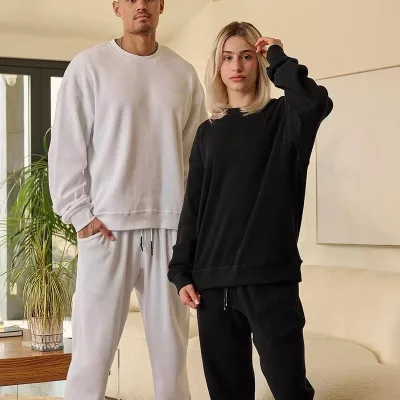


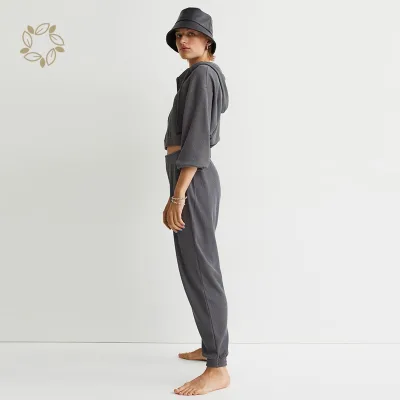


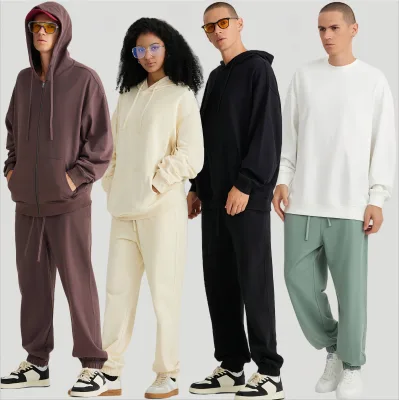
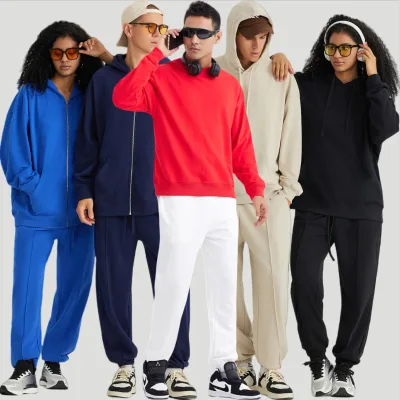
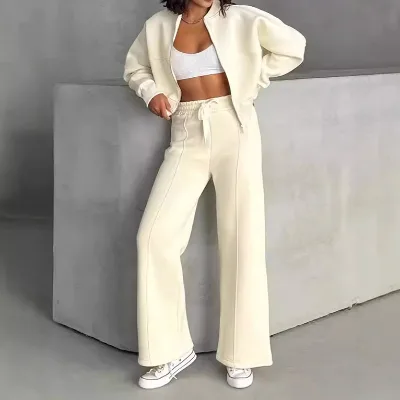


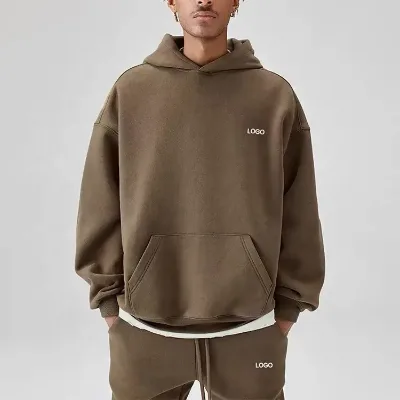
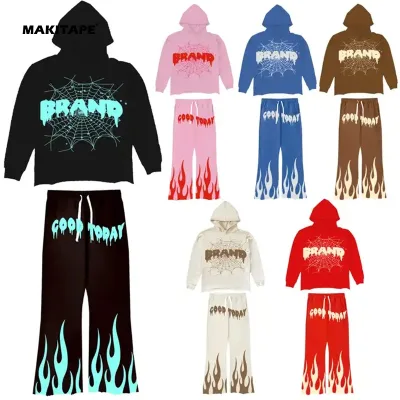
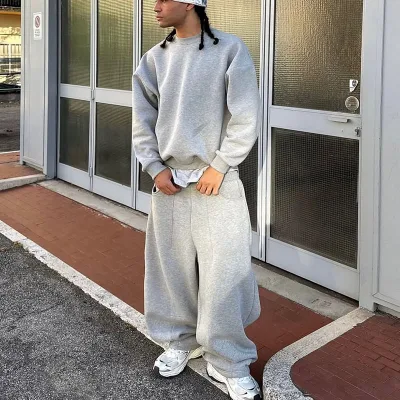
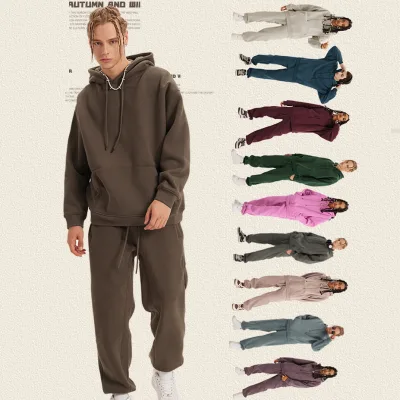
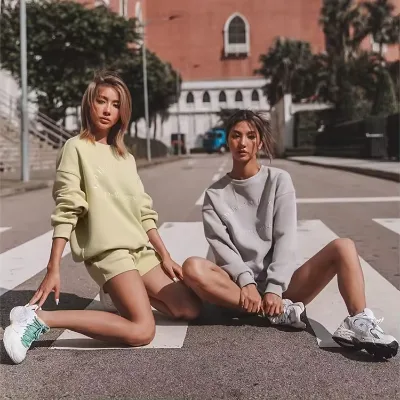
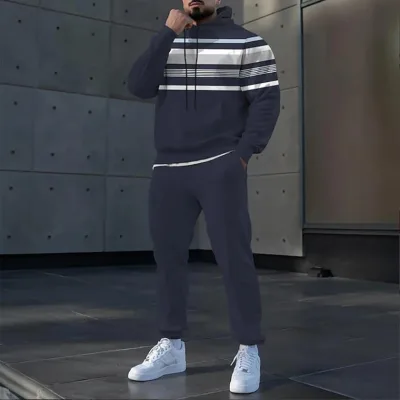
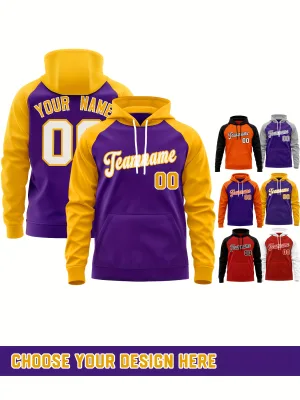
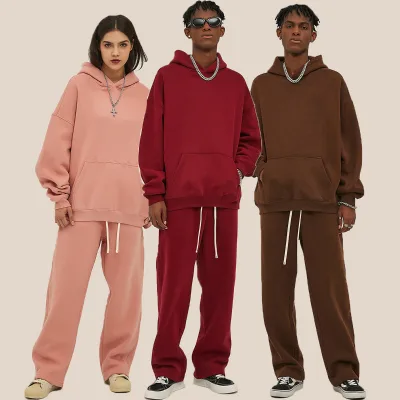
Comprehensive Sourcing Guide
Eco-Friendly Waffle Knitted Sweatshirt and Hoodie Set Sourcing Guide
Procurement teams evaluating this category must first distinguish between standard polyester-cotton blends and specialized waffle-knit constructions that offer superior breathability. The available data indicates a specific subset of products featuring waffle fabric types designed for autumn and winter seasons, which inherently provides thermal regulation without excessive weight. Buyers should verify that the "eco-friendly" designation aligns with the actual material composition, as the observed listings mix standard knitted fabrics with specific waffle textures that may or may not include recycled content.
When sourcing these sets, it is critical to confirm whether the "eco-friendly" claim refers to the manufacturing process or the raw material sourcing, as the provided facts list "Eco-Friendly" as a feature alongside "Breathable" attributes. This distinction impacts the supply chain verification process, requiring suppliers to provide evidence of sustainable dyeing or fiber sourcing rather than relying solely on marketing labels. The observed product range includes both hooded pullovers and zippered styles, necessitating a clear definition of the specific silhouette required for the target market before engaging with manufacturers.
Product Scope and Observed Listing Signals
The observed market signals reveal a diverse range of styles including hooded pullovers and zippered closures, all originating from Jiangxi, China, with a primary focus on unisex sizing. Listings indicate a strong emphasis on customization, with suppliers offering support for custom logos, colors, and sizes ranging from S to 3XL or fully customized dimensions. This flexibility allows buyers to tailor the product scope to specific brand identities, though it requires precise communication regarding the "waffle" texture versus standard knitted variations to ensure the final product matches the intended aesthetic.
Buyers must carefully navigate the variation in fabric weights, which are observed at 320 grams and 340 grams, to determine the appropriate thermal performance for the intended season. The presence of features like "Quick Dry" and "Waterproof" alongside "Breathable" suggests a functional outerwear approach, yet the "Unlined" design in some listings contrasts with the "Lined" options found in others. This inconsistency requires a rigorous review of the physical sample to confirm the actual construction, ensuring the selected item meets the specific performance expectations for the target climate and usage scenario.
Technical Specifications to Verify
Technical verification must begin with the fabric construction, specifically confirming the waffle knit structure against the standard knitted descriptions found in general listings. While the data lists "Fabric Type: Knitted" and "Fabric Type: Waffle" as distinct attributes, buyers need to ensure the final product specification explicitly mandates the waffle texture to achieve the desired breathability and texture. The observed "Needle detection: Yes" is a critical quality control step that should be verified for every batch to ensure no metal contaminants remain in the finished garment, particularly given the complex stitching involved in waffle patterns.
Further technical due diligence involves validating the closure types and sleeve lengths, as the data shows both "Zipper" closures and "Regular" or "Full" sleeve lengths across different models. The "Hood Type" is listed as "Fixed" in some contexts, which impacts the fit and functionality compared to adjustable hoods, requiring a clear specification in the purchase order. Additionally, the "Single package size" of 36x25x6 cm and "Single gross weight" of 2.500 kg provide baseline logistics data, but buyers must confirm if these dimensions apply to the waffle-knit variants specifically, as packaging density can vary significantly with fabric thickness.
Compliance and Safety Documentation
Compliance verification for this product category requires a specific focus on the "Needle detection" protocol, which is explicitly marked as "Yes" in the provided facts. This safety measure is essential for garments intended for children or general consumer use, ensuring that no metal fragments from the embroidery or printing processes remain in the final product. Buyers should request a certificate of compliance or a test report confirming that the needle detection system was active during the production of the specific waffle-knit batch, rather than relying on a general supplier statement.
The "Eco-Friendly" feature claim necessitates documentation regarding the environmental impact of the production process, as the supplied facts do not specify the exact standards or certifications held by the supplier. Procurement teams must ask for third-party verification of the "Eco-Friendly" assertion, which could relate to water usage, chemical management, or fiber sourcing, as the term is used broadly in the listing data. Without specific standard references in the provided context, buyers cannot assume compliance with international environmental regulations and must treat this claim as a verification point rather than a guaranteed attribute.
Cost Drivers and Commercial Terms
Cost structures for these items are heavily influenced by the customization level, with the observed "MOQ in Stock" of 10 pieces per style contrasting sharply with the general "MOQ range" of 3 to 500 units. Buyers should anticipate higher unit costs for custom colors, logos, and specific waffle-knit specifications compared to standard stock items, as the "Sample Charge" is noted as "Double Unit Price." This pricing model indicates that the initial investment for prototyping is significant, and the cost per unit will likely decrease only after reaching the higher volume thresholds associated with custom production runs.
Commercial terms are defined by a "T/T" payment structure and a "Delivery Date" of 25-35 days, which creates a specific cash flow and inventory planning window for the buyer. The "7 days sample order lead time" and "Sampling Time" of 7-10 days add an additional layer of time commitment before mass production can begin, extending the total time-to-market. Buyers must factor in the shipping options, which include FedEx, UPS, sea, and air, as the choice of shipment method will significantly impact the final landed cost and the urgency of the delivery schedule.
Supplier Qualification and Quality Control
Supplier qualification should prioritize those who explicitly support "Oem Service" and demonstrate the capability to handle the "Needle detection" requirement with documented proof. The "Place of Origin" is consistently listed as Jiangxi, China, which suggests a regional concentration of manufacturing capabilities, but buyers must verify the specific factory's capacity to produce the waffle-knit texture consistently. The "Technics" listed as "Embroidered, Printed" require a review of the supplier's quality control processes for these specific application methods to ensure the designs do not compromise the fabric's breathability or structural integrity.
Quality control protocols must extend beyond the final inspection to include the sampling phase, where the "Double Unit Price" charge applies. Buyers should utilize the sample period to test the "Fabric Weight" and "Fit Type," ensuring the "Loose" fit and specific gram weight align with the design intent. The "Single package size" and "prod_packing" of 1PC in a Polybag are standard, but the supplier must demonstrate that the packaging protects the waffle texture from crushing during transit, as this fabric type is prone to deformation if not handled with care.
Long-Term Procurement Checks
Long-term procurement success depends on establishing a consistent supply chain for the "waffle" fabric type, which appears as a distinct attribute in the data alongside standard knitted options. Buyers should implement a system to track the consistency of the "Fabric Weight" and "Feature" set, such as "Breathable" and "Eco-Friendly," across multiple production runs to prevent drift in product quality. The "Customization" support for logos and colors is a key value driver, but it requires a robust vendor management system to ensure that custom elements are applied correctly and consistently over time.
Monitoring the "Lead Time" and "Delivery Date" is essential for maintaining inventory levels, as the 25-35 day delivery window can be impacted by seasonal demand fluctuations. The "7 days sample order lead time" and "Sampling Time" of 7-10 days should be factored into the annual procurement calendar to avoid delays in new product launches. Buyers must also verify the "Payment Term" and "Shipment" reliability over time, ensuring that the supplier can consistently meet the "T/T" terms and provide the agreed-upon shipping methods without compromising the quality of the eco-friendly waffle-knit garments.
FAQs
What materials are used for the hoodies?
The hoodies are crafted from a polyester and cotton blend fabric. This material choice offers a balance of durability and comfort for winter wear. The fabric type is knitted, providing flexibility and warmth. Some variations may feature waffle textures for added style. This composition supports the garment's quick-dry and waterproof features, making it suitable for various outdoor conditions.
Can I customize the logo on these items?
Yes, you can customize your own logo on these items. The logo position is typically on the front of the garment. You may choose from embroidered or printed techniques for application. The supplier supports OEM service to accommodate specific branding needs. This customization allows for unique brand identity integration while maintaining the product's core design and quality standards.
What is the minimum order quantity for stock items?
The minimum order quantity for stock items is 10 pieces per style. This low MOQ allows for flexible testing of product lines. For custom orders, the MOQ may range from 3 to 500 pieces depending on specifications. This structure supports both small-scale trials and larger bulk purchases efficiently. Buyers should confirm specific requirements with the supplier to ensure alignment with production capabilities.
How long does sampling take for new designs?
Sampling time typically ranges from 7 to 10 days. Sample orders are supported with a lead time of 7 days. The sample charge is usually double the unit price. This process allows buyers to verify quality and fit before bulk production. Once approved, the main delivery date for bulk orders is 25 to 35 days.
What sizes are available for these hoodies?
Available sizes include S, M, L, XL, 2XL, and 3XL. Customized sizes are also supported to meet specific market needs. The fit type is loose, offering comfort and layering options. Sleeve length is long, suitable for autumn and winter seasons. This size range ensures broad accessibility for unisex apparel requirements across different demographics.
Are these hoodies suitable for winter wear?
Yes, these hoodies are designed for winter and autumn seasons. They feature a lined design for added warmth and comfort. The fabric weight is 320 or 340 grams, providing substantial insulation. Features like waterproofing and quick-dry properties enhance functionality in cold, wet conditions. The hooded style with a fixed hood offers additional protection against the elements.