Source Eco Friendly Wedding Decorative Ribbon for DIY Crafts, Gift Wrapping, Floral Arrangements
Find 30 verified suppliers offering Eco Friendly Wedding Decorative Ribbon in cotton and polyester materials. Compare woven and satin options with custom logo availability for DIY crafts, gift wrapping, and floral arrangements.
Key considerations
Products List
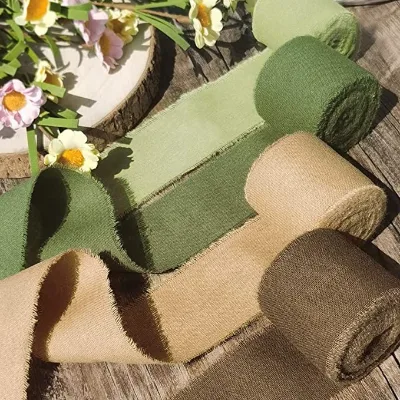


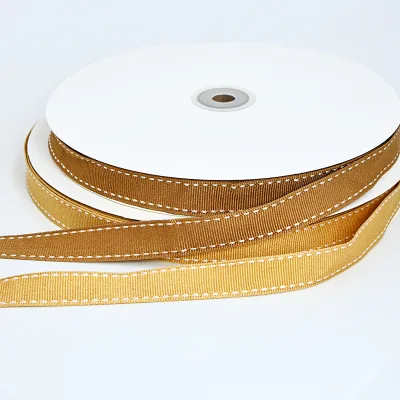
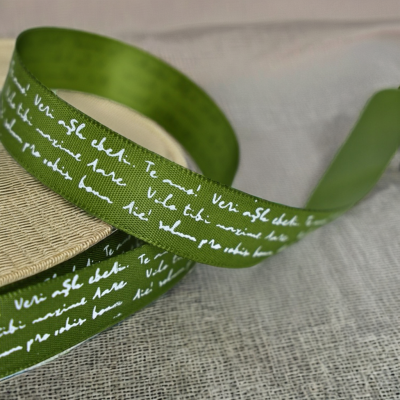


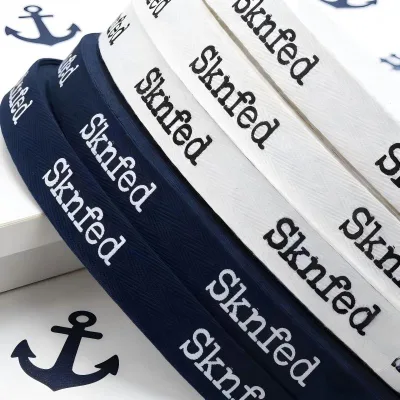
Custom Size Cotton Ribbon Soft Natural Cotton Ribbon for Clothing Wholesale
$0.03 - $0.20
MOQ: 10000 Yards




Comprehensive Sourcing Guide
Strategic Sourcing Guide for Eco-Friendly Wedding Decorative Ribbons
The procurement of decorative ribbons for wedding events requires a nuanced understanding of material composition, supply chain transparency, and technical specifications. While the market term "eco-friendly" is frequently utilized, buyers must distinguish between marketing assertions and verifiable product attributes. In the context of wedding decor, the selection of ribbons involves balancing aesthetic requirements, such as texture and color, with environmental considerations regarding material origin and end-of-life impact. This guide synthesizes available product data and industry standards to provide a structured approach for sourcing these essential decorative elements.
Material Composition and Fiber Verification
The foundation of any sustainable ribbon procurement strategy lies in the precise identification of the fiber composition. The supplied product data reveals a divergence in material claims, with specific entries listing "100% Cotton" and others specifying "100% Polyester" or "Polyester Satin." For a buyer seeking eco-friendly solutions, this distinction is critical. Cotton is a natural fiber that is biodegradable and generally perceived as more environmentally benign than synthetic alternatives, provided it is sourced from sustainable agricultural practices. Conversely, polyester is a petroleum-based synthetic polymer. While some modern polyester is recycled, the standard "100% Polyester Satin" noted in the data does not inherently qualify as eco-friendly without specific recycled content certification.
Buyers must scrutinize the "Composition" field in supplier specifications. When a product lists "100% Cotton," it aligns more closely with traditional eco-friendly definitions. However, if the product is listed as "100% Polyester," the buyer must request explicit documentation regarding the source of the polymer. Is it virgin polyester or post-consumer recycled material? The presence of "Satin Ribbon: Polyester Satin" in the data suggests a common market offering, but it does not confirm an eco-friendly status. Procurement teams should prioritize suppliers who can verify the natural origin of their fibers or provide third-party validation for recycled synthetic content. The "Fabric Type" field, often listed as "Other" in generic listings, should be replaced with specific fiber names during the inquiry phase to ensure clarity.
Technical Specifications and Dimensional Consistency
Wedding applications demand high precision in dimensions to ensure uniformity across floral arrangements, gift wrapping, and venue decor. The observed product data indicates a range of widths, including "38mm-40mm," "1/8 inch," and specific sizes like "1.5cm, 2.5cm, 4cm." The "1/8 inch" specification, approximately 3.17mm, is suitable for delicate detailing, while the 38-40mm range is ideal for broader sashes or large bows. A critical observation from the data is the variation in size specifications; some entries list fixed dimensions while others state "as Per Requirement."
For a wedding procurement project, consistency is paramount. Relying on "ANY SIZE" or "ANY SIZE AS PER REQUIREMENT" without a defined standard can lead to production delays and aesthetic inconsistencies. Buyers should establish a strict specification sheet that defines the exact width, length, and tolerance levels required for their event. The "Single package size" of "10X10X5 cm" and "Single gross weight" of "0.2 kg" provide baseline data for logistics planning, but these figures may vary based on the roll length and density of the ribbon. The "Technics" field, identified as "Woven," indicates a specific manufacturing process that affects the ribbon's durability and drape. Buyers should verify if the weaving technique aligns with the desired finish, as "Plain" print craft suggests a lack of complex patterning, which may be suitable for minimalist wedding themes but insufficient for ornate designs.
Compliance, Certification, and Environmental Claims
The term "eco-friendly" is not a regulated standard in itself, making verification of certifications essential. The background information mentions "Oeko-Tex" and "FSC" as low-confidence background elements. While these are recognized standards, the provided data does not confirm that the specific products listed (such as model SJR002 or DR201) hold these certifications. Therefore, buyers cannot assume compliance based on the product listing alone.
Oeko-Tex Standard 100 is a widely accepted benchmark for textile safety, ensuring that the fabric is free from harmful substances. For wedding events involving close contact with skin or food (such as table settings), this certification is highly relevant. FSC (Forest Stewardship Council) certification is more applicable to paper-based packaging or wood products, but it may be relevant if the ribbon is packaged in FSC-certified cartons, as noted in the "prod_packing: IN EXPORT CARTON" entry. However, the packaging standard itself does not validate the ribbon's material sustainability.
Buyers must explicitly request certification documents from potential suppliers. If a supplier claims a product is eco-friendly, they should be able to provide a test report or a certificate from a recognized body. The absence of these documents in the public product data necessitates a proactive verification process. Relying on unverified claims can lead to reputational risk for the event planner or the couple, particularly in an industry that increasingly values transparency and sustainability.
Cost Drivers and Economic Considerations
The economic landscape of ribbon sourcing is influenced by material costs, order volume, and logistical factors. The observed price range in the data spans from $0.01 to $4.40 USD, a significant variance that likely reflects differences in material quality, width, and order quantity. The "MOQ" (Minimum Order Quantity) ranges from 1 to 10,000 units, indicating a market that accommodates both small-scale DIY projects and large-scale commercial weddings.
The "Selling Units" field indicates "Single item," which suggests that some suppliers offer low-volume purchasing options. However, the "MOQ: 5 Rolls" observation highlights a common threshold for wholesale transactions. For a wedding with a large guest count, purchasing in bulk may reduce the unit cost, but it requires careful inventory management. The "Sample leadtime" of 5-7 days and "Delivery Time" within 15 days are critical factors in the cost-benefit analysis. Rush orders or expedited shipping can significantly increase the total cost of procurement.
Additionally, the "Factory experience: More than 10 years" attribute suggests that established manufacturers may offer better pricing stability and quality consistency, though this does not guarantee lower costs. Buyers should compare the total landed cost, including shipping and potential duties, rather than focusing solely on the unit price. The "Customization: Available" and "Logo Custom" features add value but may incur additional setup fees or higher per-unit costs.
Supplier Evaluation and Operational Reliability
Selecting a reliable supplier is as important as selecting the right product. The data indicates a "Place of Origin: Zhejiang, China" and "prod_origin: China," which is a major manufacturing hub for textiles. While this region offers a vast supply chain, it also requires rigorous due diligence. The "Factory experience" of over 10 years is a positive indicator, but it should be corroborated with other metrics.
Buyers should evaluate suppliers based on their responsiveness to sample requests. The data notes "Sample: Free(stocked)" and "7 days sample order lead time: Support," which are favorable conditions for testing product quality before committing to a large order. However, the "Sample leadtime" of 5-7 days must be factored into the overall project timeline. A supplier that cannot meet sample deadlines may struggle with delivery timelines for the main order.
The "Application" field lists "Diy," "Hair Accessories," "Gift Wrapping," and "Floral Arrangements," suggesting versatility. However, the "Usage" field also includes "Food," "Medicine," and "Packaging Film," which are distinct from wedding decor. Buyers must ensure the supplier understands the specific application to avoid receiving products intended for industrial use rather than decorative purposes. The "Style" attributes, such as "luxury" and "Single Face," provide insight into the aesthetic positioning of the product. A supplier that can demonstrate experience with "luxury" styling is better equipped to meet the high standards of wedding decor.
Quality Control and Long-Term Procurement Strategy
Quality control in ribbon procurement involves verifying the physical properties of the product against the stated specifications. The "Feature: High Tenacity" claim is a positive attribute, suggesting durability, but it should be tested. Buyers should request physical samples to assess the tensile strength, colorfastness, and texture. The "Print Craft: Plain" attribute implies a simple finish, which may be less prone to defects like peeling or fading compared to complex printed designs, but it also limits design options.
For long-term procurement, establishing a relationship with a supplier who offers "Customization" and "Logo Custom" services can provide a competitive advantage. This allows for branding the ribbons for specific wedding themes or corporate events. The "Single package size" and "prod_packing" details are essential for storage and transport planning. Ensuring that the packaging is robust enough to prevent damage during transit is crucial, especially for delicate satin or woven ribbons.
Buyers should also consider the scalability of the supply chain. The "Delivery Time: Within 15 Days" is a standard benchmark, but for large weddings, this timeline must be confirmed with a buffer for potential delays. The "Age Group: All Ages" and "Gender: Unisex" attributes indicate the product's broad applicability, but they do not guarantee suitability for all wedding styles. A strategic approach involves maintaining a diversified supplier base to mitigate risks associated with single-source dependency.
Comparative Analysis of Product Attributes
To facilitate decision-making, the following table summarizes key attributes observed in the product data, highlighting the distinctions that affect sourcing decisions for eco-friendly wedding ribbons.
| Attribute Category | Observation A (Cotton Focus) | Observation B (Polyester Focus) | Procurement Implication |
|---|---|---|---|
| Material | 100% Cotton | 100% Polyester / Satin | Cotton is biodegradable; Polyester requires recycled verification for eco-claims. |
| Width | 38mm-40mm | 1/8" (approx. 3.17mm) | Select based on specific decor needs (sashes vs. detailing). |
| Technics | Woven | Woven (implied by Satin) | Both offer durability; verify weave tightness for luxury feel. |
| Customization | Logo Custom Available | Logo Custom Available | Both support branding; confirm setup costs and MOQs. |
| Origin | Zhejiang, China | China | Verify factory audits and compliance with local labor laws. |
| Sample Lead Time | 5-7 Days | 5-7 Days | Standard lead time; plan accordingly for event deadlines. |
| Certification | Not Listed | Not Listed | Explicitly request Oeko-Tex or recycled content certs. |
This comparison underscores the necessity of digging deeper than the surface-level product titles. The "Model Number" variations, such as SJR002, DR201, and OG100, represent different product lines that may cater to distinct market segments. Buyers should treat these model numbers as unique identifiers for specific material and dimensional configurations rather than generic categories.
In conclusion, sourcing eco-friendly wedding decorative ribbons requires a methodical approach that prioritizes material verification, technical precision, and supplier reliability. By focusing on the tangible attributes provided in the product data and demanding evidence for environmental claims, buyers can ensure that their procurement decisions align with both aesthetic goals and sustainability principles. The market offers a wide range of options, but the responsibility lies with the buyer to navigate the nuances of material composition and supply chain transparency to achieve a truly eco-friendly outcome.
FAQs
What materials are available for Eco Friendly Wedding Decorative Ribbon?
Available materials include 100% Cotton and 100% Polyester Satin. Cotton is a natural fiber suitable for eco-friendly claims, while polyester requires verification of recycled content to meet sustainability standards.
Which width specifications are offered for wedding ribbon orders?
Widths range from 1/8 inch to 38mm-40mm with options like 1.5cm, 2.5cm, and 4cm. Buyers should select dimensions based on specific decor needs such as sashes or delicate floral detailing.
Can I request custom logos on the decorative ribbons?
Yes, logo customization is available for these products. Buyers can request custom branding, though setup fees may apply depending on the order volume and specific design requirements.
How long does it take to receive sample orders?
Sample lead time is typically 5 to 7 days with support for 7-day sample orders. Free stocked samples are available, allowing buyers to verify quality before committing to bulk purchases.
What is the minimum order quantity for these ribbons?
The minimum order quantity can be as low as 1 roll or up to 10,000 units depending on the supplier. A common threshold observed is 5 rolls for wholesale transactions.
Where are these ribbons manufactured and shipped from?
Products originate from Zhejiang, China, with a general origin listed as China. Buyers should account for international shipping logistics when planning delivery timelines for their events.