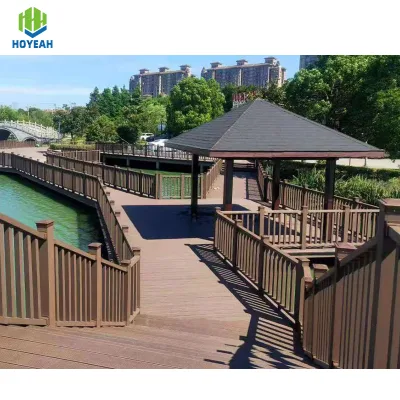
Source Eco Friendly WPC Handrail for Outdoor Decorative Wooden Fence, Garden, Park
Compare 30 Eco Friendly WPC Handrail options from verified suppliers. These products feature high strength, low wear, and waterproof stability for outdoor decorative wooden fence, garden, and park applications with a long service lifetime; compare the available evidence and request quotations based on your requirements.
Key considerations
Products List


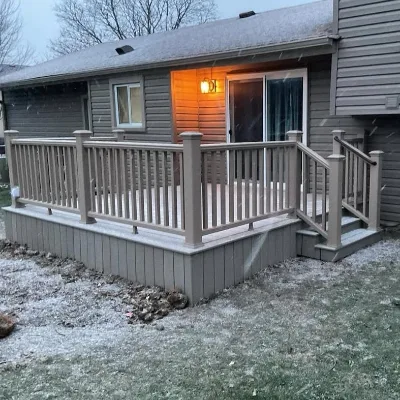
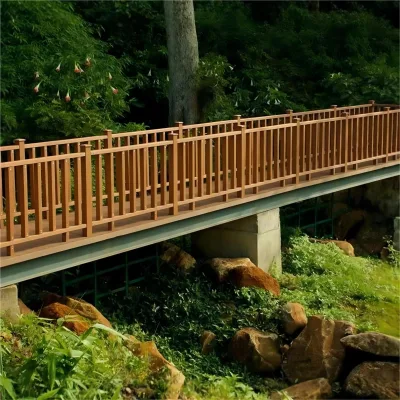


Commercial Grade WPC Handrail for Stairs/Pool - Heavy Duty & Splinter-Free
$30.00 - $50.00
MOQ: 10 Meters
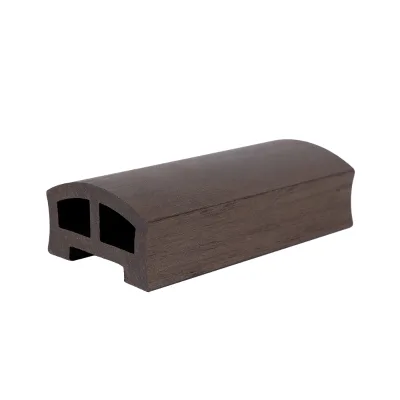


$15.00 - $45.00
MOQ: 100 Square Meters
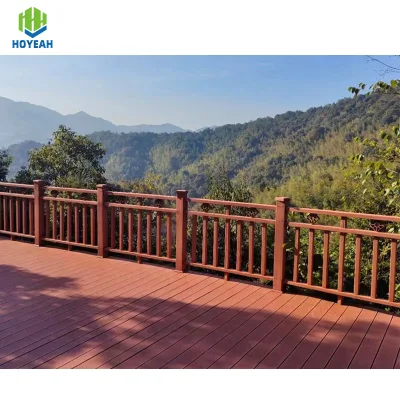

Comprehensive Sourcing Guide
Eco Friendly WPC Handrail Sourcing Guide
Procuring eco-friendly WPC handrails requires a strategic balance between aesthetic appeal, structural integrity, and environmental compliance. Buyers must navigate a market where "eco-friendly" claims vary significantly in substance, ranging from recycled content percentages to non-toxic manufacturing processes. The core value proposition lies in materials that offer the visual warmth of wood without the high maintenance burden, making them ideal for commercial and residential outdoor projects. Understanding the specific composition of the composite material is the first step in ensuring long-term performance and sustainability alignment.
This guide provides a structured approach to evaluating suppliers and products based on observable market signals and technical requirements. It focuses on verifying critical attributes such as UV stability, moisture resistance, and load-bearing capacity, which are essential for handrail applications exposed to the elements. By adhering to these procurement principles, buyers can mitigate risks associated with material degradation, color fading, and structural failure, ensuring that the selected handrails meet both functional demands and corporate sustainability goals.
Product Scope and Observed Listing Signals
The current market for eco-friendly WPC handrails presents a diverse range of options, with observed price points spanning from approximately $1.60 to $177.80 per unit or linear meter. This wide variance often reflects differences in material density, core construction, and surface treatment technologies. Buyers should note that lower price points may correlate with simpler extrusion processes or lower recycled content, while higher-end products typically feature advanced co-extrusion layers for enhanced durability. Minimum order quantities (MOQs) also vary significantly, ranging from single units for sample testing to bulk orders of 5,000 pieces, influencing initial capital expenditure and inventory management strategies.
Visual and functional attributes observed in listings frequently highlight a wood grain pattern and a European style, catering to modern architectural trends. Common color options include charcoal black, royal blue, green, and burgundy, allowing for versatile design integration. Many suppliers emphasize customization capabilities, offering tailored dimensions and surface finishes to meet specific project requirements. Additionally, packaging methods such as PE film and wooden pallets are standard, ensuring protection during transit. Buyers should verify if these packaging standards align with their logistics infrastructure to prevent damage upon delivery.
Technical Specifications to Verify
Technical verification must begin with dimensional accuracy and structural robustness. Observed specifications indicate thicknesses above 18mm, with some products measuring up to 23mm, which directly impacts load-bearing capacity and rigidity. Standard dimensions for handrails often include profiles like 90x45mm, while column supports may measure 120x120cm or square tubes of 100x100cm. Buyers should confirm that the specified thickness and cross-sectional area meet local building codes for safety and stability. Inconsistent dimensions can lead to installation difficulties and compromised structural integrity, so precise tolerance checks are essential during the sampling phase.
Material performance under environmental stress is another critical verification point. High UV stability and waterproof properties are non-negotiable for outdoor applications, as they prevent fading, warping, and moisture absorption. The observed claim of a long service lifetime, often cited around 15 to 20 years, suggests superior material formulation. Buyers should request data sheets that detail the coefficient of thermal expansion and impact resistance. Verifying these technical parameters ensures that the handrails will withstand temperature fluctuations and physical stress without swelling or cracking, maintaining their aesthetic and functional quality over time.
Compliance and Safety Documentation
Compliance with international standards is vital for ensuring product safety and environmental responsibility. The CE certification is a common requirement for products entering European markets, indicating conformity with health, safety, and environmental protection standards. Buyers must verify that the certification is valid and covers the specific product models being procured. Additionally, adherence to standards such as EN 15534 for wood-plastic composites provides assurance regarding the material's performance and durability. Requesting up-to-date certification documents from suppliers helps mitigate legal and regulatory risks associated with non-compliant materials.
Beyond regulatory compliance, documentation should address the environmental impact of the product. Eco-friendly claims should be supported by transparent information regarding recycled content and non-toxic additives. Buyers should inquire about the absence of harmful substances like formaldehyde or heavy metals, which are often regulated in construction materials. Clear labeling and material safety data sheets (MSDS) are essential for proper handling and installation. Ensuring that suppliers provide comprehensive compliance documentation not only facilitates smoother customs clearance but also reinforces the buyer’s commitment to sustainable procurement practices.
Cost Drivers and Commercial Terms
Several factors influence the final cost of eco-friendly WPC handrails, including raw material prices, manufacturing complexity, and customization requirements. The use of high-quality polymers and wood fibers, along with advanced co-extrusion technologies, can increase production costs but offer superior performance. Customization options, such as specific colors, dimensions, or surface textures, may incur additional charges. Buyers should analyze the total cost of ownership, considering not just the unit price but also installation ease and maintenance requirements, which can significantly impact long-term expenses.
Commercial terms, including payment conditions and shipping arrangements, play a crucial role in the procurement process. Observed MOQs of 100 meters or sets suggest that suppliers prefer bulk orders to optimize production efficiency. Buyers should negotiate flexible payment terms and clear delivery schedules to manage cash flow effectively. Additionally, understanding the packaging specifications, such as carton boxes or palletized shipments, is essential for calculating freight costs and storage requirements. Transparent communication regarding these commercial terms helps avoid hidden costs and ensures a smooth transaction process.
Supplier Qualification and Quality Control
Evaluating supplier qualifications is critical to ensuring consistent product quality and reliable service. Buyers should assess the supplier’s manufacturing capabilities, including their production capacity and quality control processes. Factories with advanced extrusion lines and rigorous testing protocols are more likely to deliver products that meet specified technical standards. Verifying the supplier’s experience in exporting to target markets can also provide insights into their understanding of international requirements and customer expectations. A qualified supplier should demonstrate a commitment to continuous improvement and customer satisfaction.
Quality control measures should be integrated into the procurement process to minimize defects and ensure product consistency. Buyers should request samples for thorough testing before placing large orders. These tests should include checks for dimensional accuracy, surface finish, and mechanical properties. Implementing third-party inspections during production or before shipment can provide an additional layer of assurance. Clear communication of quality expectations and regular feedback loops with suppliers help maintain high standards and address any issues promptly, ensuring that the final product meets the buyer’s requirements.
Long-Term Procurement Checks
Long-term success in sourcing eco-friendly WPC handrails depends on establishing a robust supplier relationship and monitoring performance over time. Regular audits and performance reviews can help identify potential issues early and foster continuous improvement. Buyers should track key performance indicators such as delivery times, product quality, and responsiveness to inquiries. Maintaining open communication channels with suppliers facilitates collaboration and problem-solving, ensuring that any challenges are addressed efficiently. A strong partnership can lead to better pricing, priority service, and access to new product innovations.
Sustainability practices should also be monitored to ensure alignment with evolving environmental standards and corporate goals. Buyers should periodically review the supplier’s environmental policies and certifications to confirm ongoing compliance. Engaging in dialogue about sustainable sourcing and waste reduction initiatives can drive positive change in the supply chain. By prioritizing long-term relationships and sustainability, buyers can secure a reliable supply of high-quality eco-friendly WPC handrails that support their project objectives and contribute to a more sustainable built environment.
FAQs
How long does an Eco Friendly WPC Handrail last outdoors?
An Eco Friendly WPC Handrail typically lasts around 15 to 20 years in outdoor service. The material combines wood fiber with recycled plastic, so it resists rot, swelling, and insect damage. Longevity depends on correct installation, support spacing, and local weather exposure, but routine sealing, staining, or painting is not required during its lifetime.
What maintenance does a WPC handrail need after installation?
WPC handrails are maintenance-free in normal use, requiring only occasional cleaning with water and mild soap to remove dust or stains. The coated surface is waterproof and UV stable, so it will not splinter, fade quickly, or need repainting. Avoid abrasive cleaners and check fixings periodically to keep the railing secure over the years.
Can WPC handrails be customized in color, size, and profile?
Yes, customization is available for most WPC handrail products. Buyers can choose colors such as charcoal black, royal blue, green, or burgundy, wood grain patterns, and profiles like 90x45mm handrails or 100x100mm and 80x80mm square tube columns. Lengths are commonly supplied at 4 meters, and packaging on pallets or cartons can be adapted to project needs.
Which applications suit an Eco Friendly WPC Handrail best?
WPC handrails suit outdoor decorative wooden fences, garden paths, parks, terraces, and outdoor decking areas. Because the material is waterproof, UV stable, and dimensionally stable in humidity, it performs well in rainy or sunny climates. European-style and wood grain finishes make it a popular choice for landscape and architectural railing projects.
What is the typical MOQ when ordering WPC handrails?
MOQ varies by product and configuration; listed ranges go from 1 piece up to 5000 units, with some profiles requiring 100 meters or 100 sets. Sample orders may be possible at the low end, while bulk profiles carry higher minimums. Confirm the specific MOQ with the supplier for your chosen model before quoting a project.
How is WPC handrail packed and shipped?
Common packing includes PE film with wooden pallets, carton boxes, or customized packaging according to buyer requirements. Standard profiles are usually supplied in 4 meter lengths, so palletized loading protects long pieces during transit. Carton packing suits smaller fittings and sets. Discuss export packing, labeling, and container loading plans with the factory before shipment.
Are WPC handrails genuinely eco friendly?
Yes, WPC handrails are classified as eco friendly because they use wood-plastic composite material that reduces reliance on natural timber and can incorporate recycled content. They are produced with coated surfaces free of frequent painting cycles, lowering chemical use over time. The long service life of roughly 15 to 20 years also reduces replacement waste.
What sizes and specifications are available for WPC handrails?
Common specifications include handrail sections of 90x45mm, columns of 120x120mm, square tubes of 100x100mm or 80x80mm, and deck boards with widths around 125mm and thickness above 18mm. Lengths of 4000mm are standard, and thicknesses around 23mm appear on decking profiles. Specific models carry their own dimension sheets, so verify drawings with the supplier.